

Ghana’s Civil Society Platform on the Sustainable Development Goals (CSOs on SDGs Platform) has been calling for members and stakeholders especially in the education sector to invest more time and efforts into advocacy to get government to raise funding allocation for the education sector.
Budgeting and funding allocation to the education sector has dipped over the years, due to what some stakeholders say is the lack of intention by successive governments to invest in the sector for it to yield the needed results.
This, they say, is the bane of basic schools in the deprived communities.
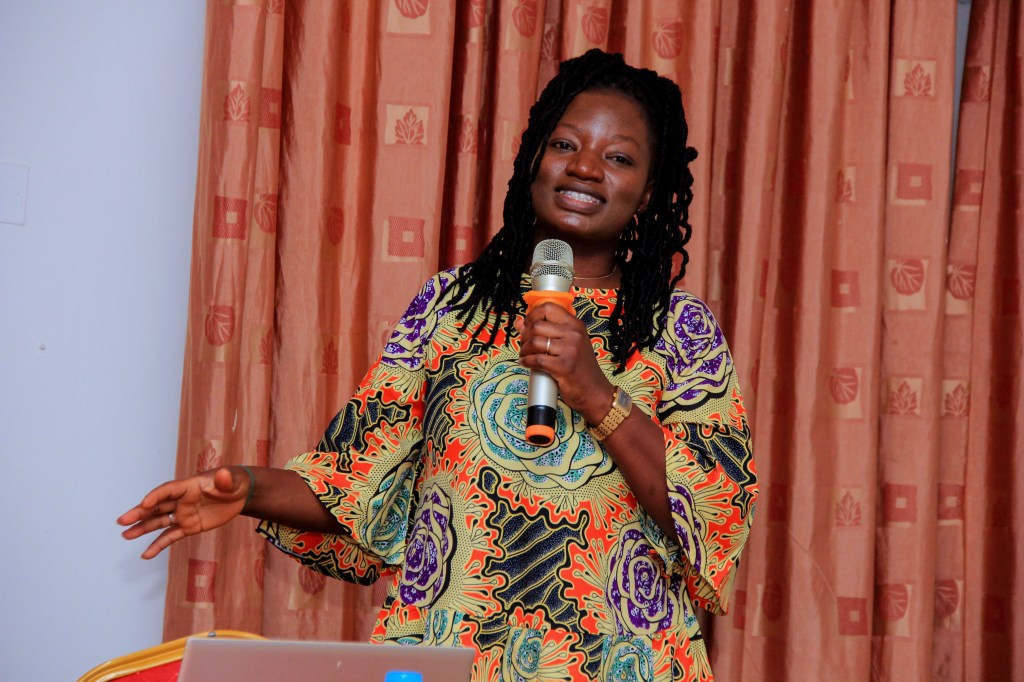
Speaking at an education financing and learning and experience sharing session at Modern City hotel in Tamale, the National Coordinator for the Ghana CSOs Platform on SDGs, Levlyn Konadu Asiedu said, CSOs need to increase efforts, move more into deprived communities across northern Ghana, to assess the availability or otherwise of the various educational inputs and how they help in improving the quality of teaching and learning.
The learning and experience sharing session is aimed at “monitoring actions carried out by CSOs and youth organisations on government’s national and international commitments on education financing”, organized by the Ghana CSOs on SDGs, through its northern regional platform.
According to Levlyn, the issue of education financing is important because the success of the entire education system in the country depends on how much money has been allocated for which of the financing components and how much has been spent, and in which specific area.
She therefore charged CSOs on the platform and other stakeholders to “take a key issue of education financing, for example the capitation grant, go to a basic school in your community and ask the headmaster how much has been received and how much has been spent on what”.
“This way, you will know what is happening in that level and this can better inform your advocacy and work on education”, the National Coordinator added.
Main facilitator of the session who joined the session via zoom, Senior Program Officer at the Ghana Education Watch, Divine Kpe painted an image of the education financing for Ghana over the past 7 years.
The Incheon declaration enjoins lower-middle income countries such as Ghana, to commit 4 to 6 percent of the nation’s GDP, and/or at least 15 to 20 percent of the Annual Budget Funding Amount to the education sector, with a focus on basic education.
As revealed by Divine’s presentation, apart from 2012 when Ghana exceeded the target of 4 to 6 percent GDP and inched up to 8%, “We have not been able to hit the 6 percent target again since then” he said.
He indicated that the woefully inadequate infrastructure in the basic school system in most deprived communities, is as a result of the capital expenditure for education, being the lowest at 17 percent, as against Goods and Services; 21 percent, and compensation being the highest at 62 percent.
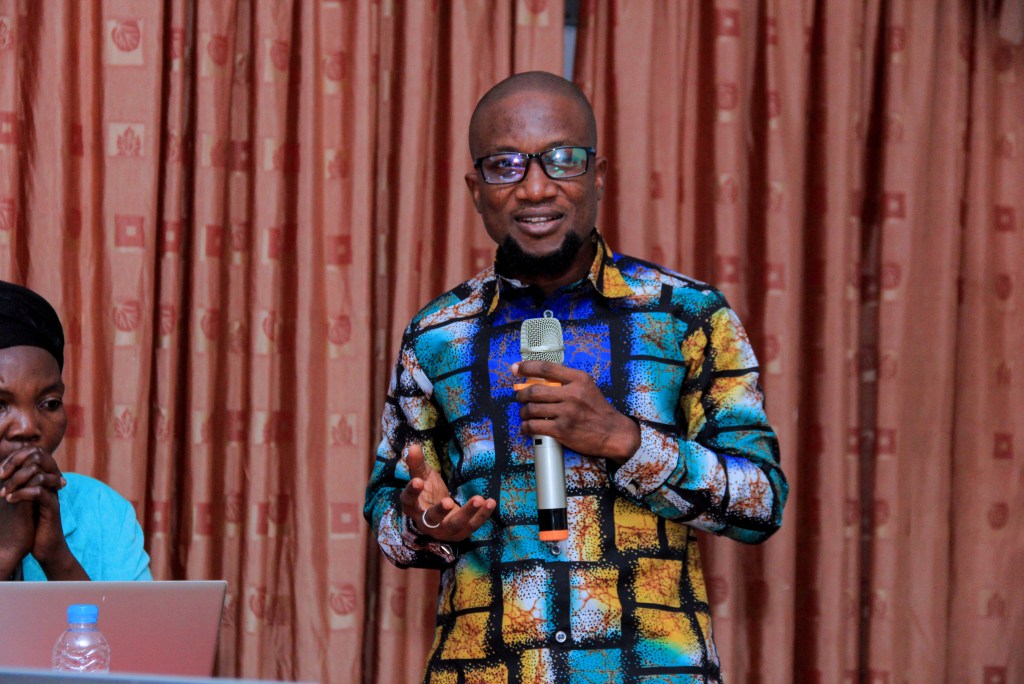
The issue of budget tracking including in education financing, is an area SEND-Ghana is passionate about, as the host of the Northern Regional Secretariat of the Ghana CSOs Platform on SDGs.
Commenting on the need for CSOs to increase work in deprived communities to ensure quality is improved at the basic school level, Program Manager at SEND-Ghana, Mumini Mohammed, said monitoring and evaluation must be intensified in the schools the CSOs work, to keep the schools doing their duties of facilitation including consistently holding the School Performance Appraisal Meeting (SPAM), which offers stakeholders the platform to share ideas and discuss issues concerning teaching and learning, as well as to set standards and review plans.
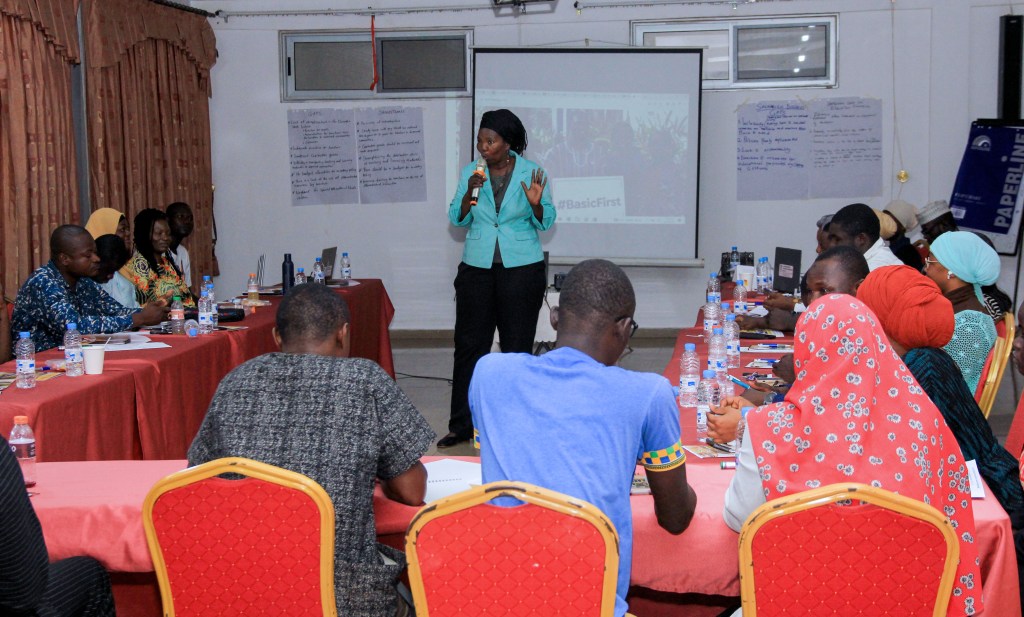
Executive Director for the Savannah Women Integrated Development Agency (SWIDA-Gh) who doubles as the Northern Regional convener for the Ghana CSOs Platform on SDGs, Hajia Alima Sagito-Saeed, called on members to be extra vigilant on the finances that are actually released to the basic schools to spend, as against the funds “budgeted and allocated”.
According to Hajia Alima, “the funds allocated in many cases do not end up getting released in full to the schools to implement the budgets they requested. So if you focus so much on the funds allocated, you may get the efforts schools are making wrong”.
“Nonetheless, as you intensify efforts for advocacy for more money to be released, ask the relevant questions at the school level, to know what the funds released have been used for”, she added.
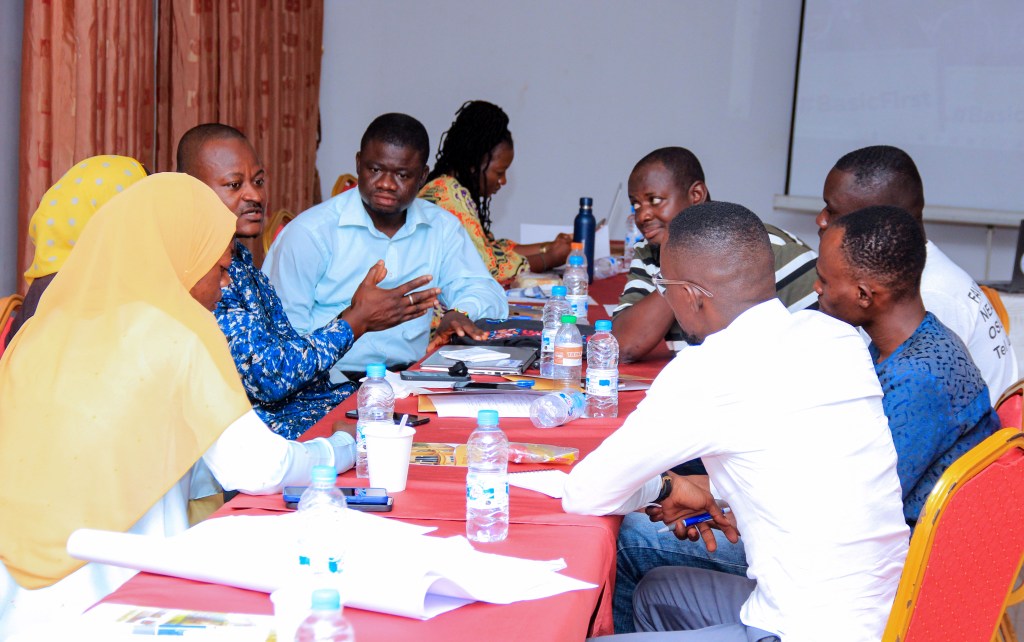
In a breakout session for group work, various participants including members on the CSOs Platform on SDGs and leaders of youth groups shared their experiences on the financing of education as is the reality they have seen at the basic school level in some deprived communities, as they suggested solutions to the challenges therein.
 swidagh.org