Real men protect dignity, not the reputation of abusers – GBV Advocate

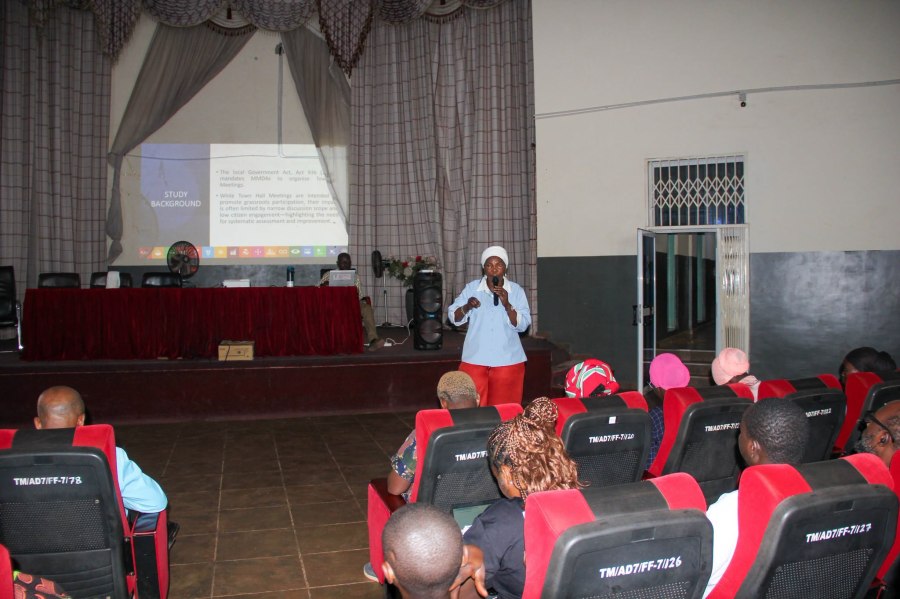
Gender-Based Violence (GBV) advocate and KASA Project Lead, Juliet Wepaare Ako, has called on men and boys to redefine masculinity by standing up against abuse and defending the dignity of women and girls.

“Real men protect dignity, not the reputation of abusers,” she stressed, urging male allies to break the culture of silence that often shielded perpetrators of violence.

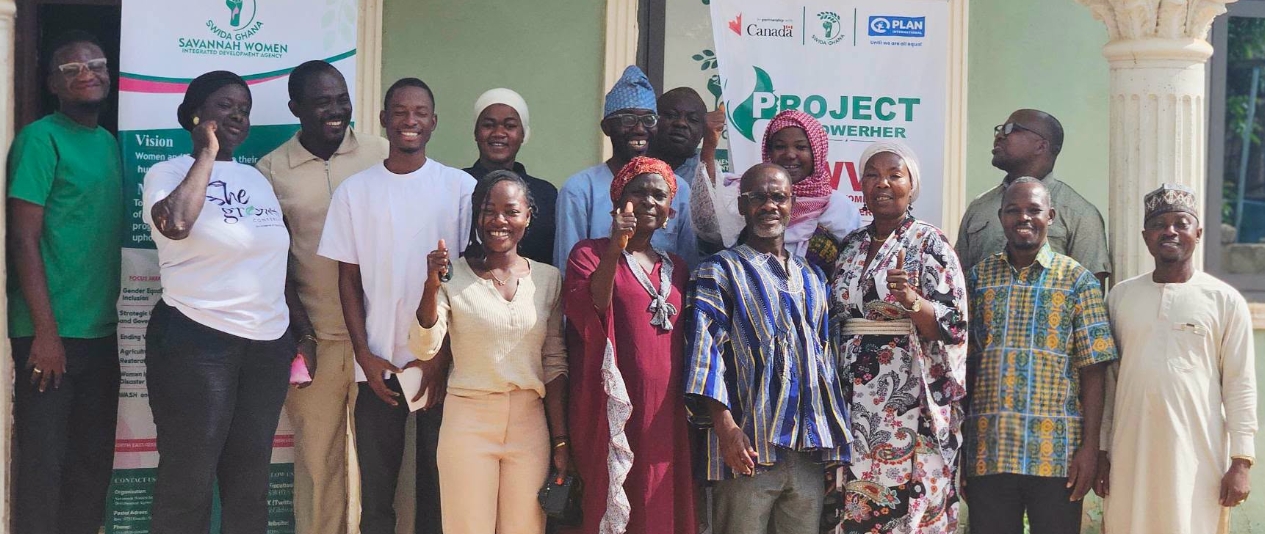
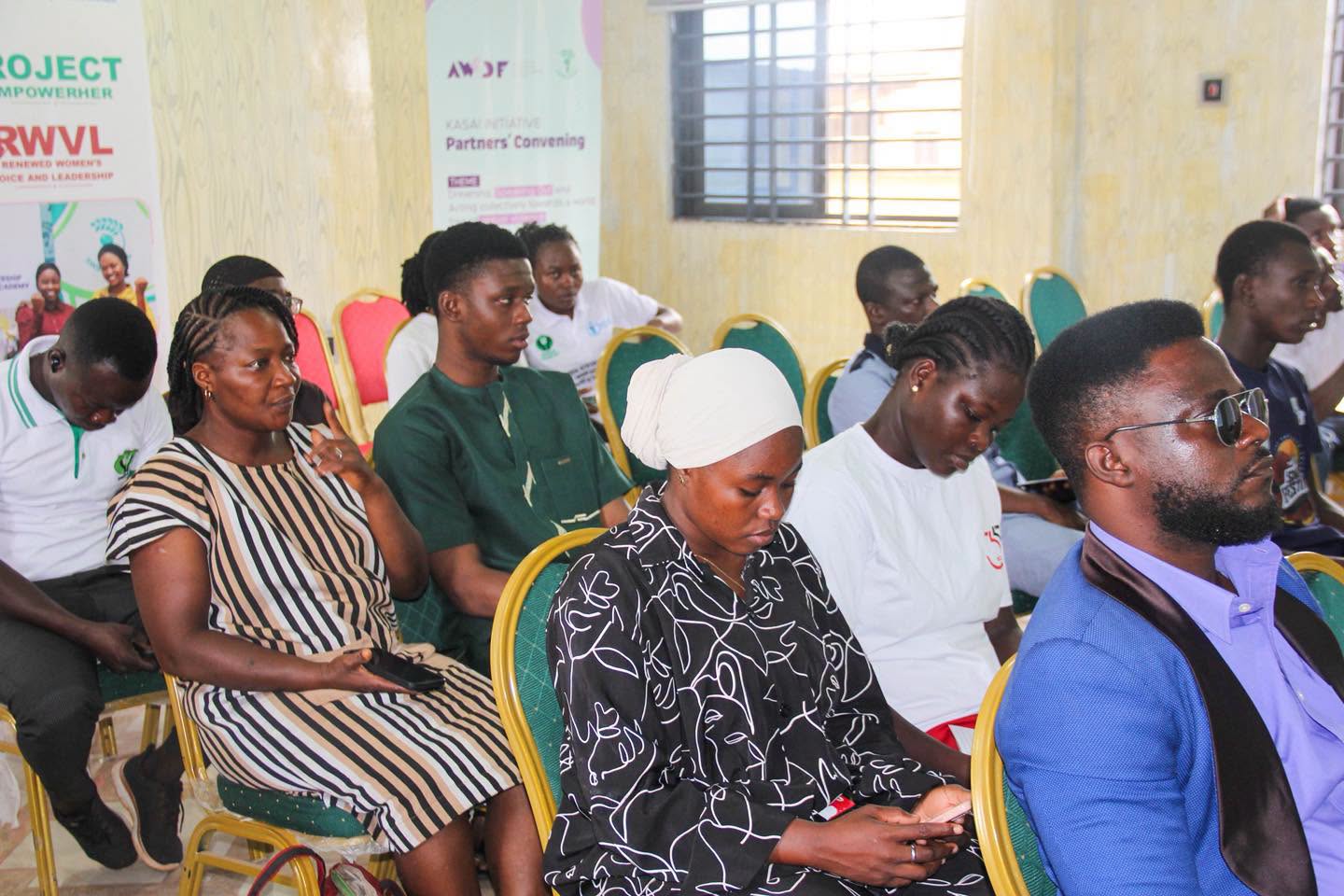
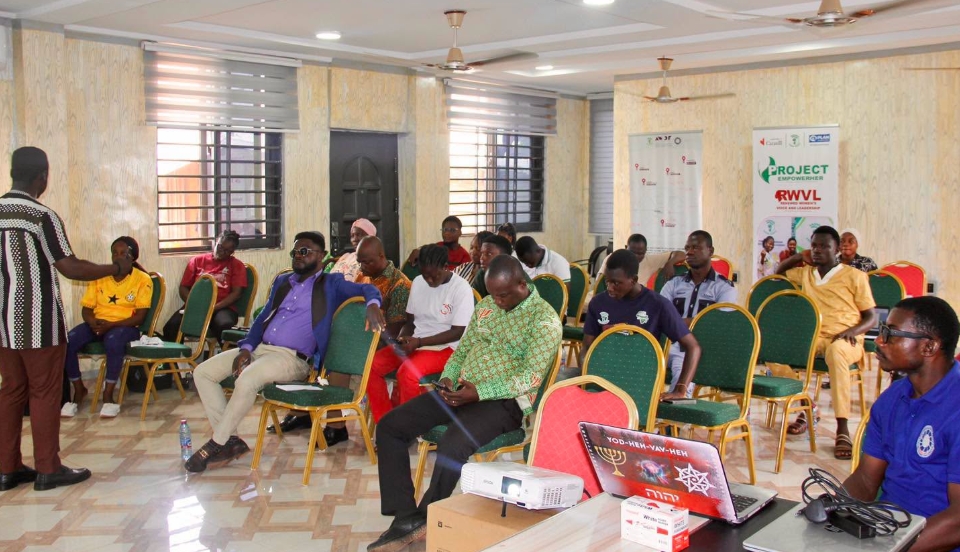
Ms. Juliet made the call at a Male Advocates Engagement workshop organized by the Savannah Women Integrated Development Agency (SWIDA Ghana), under the KASA Project, with funding from support from the African Women’s Development Fund.

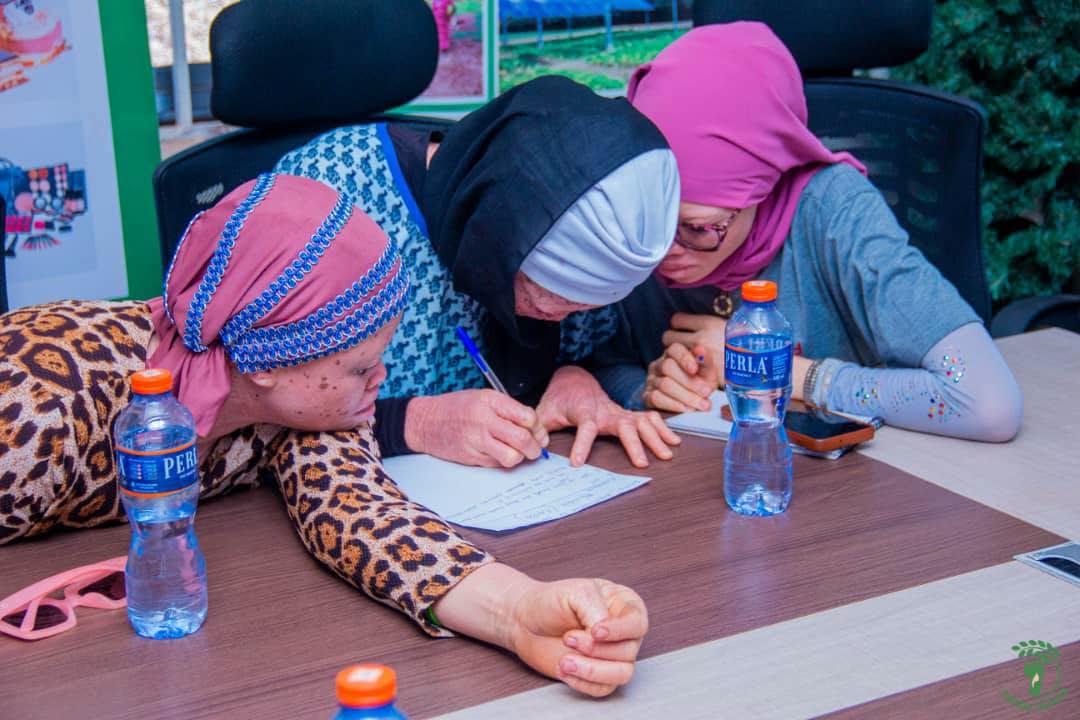
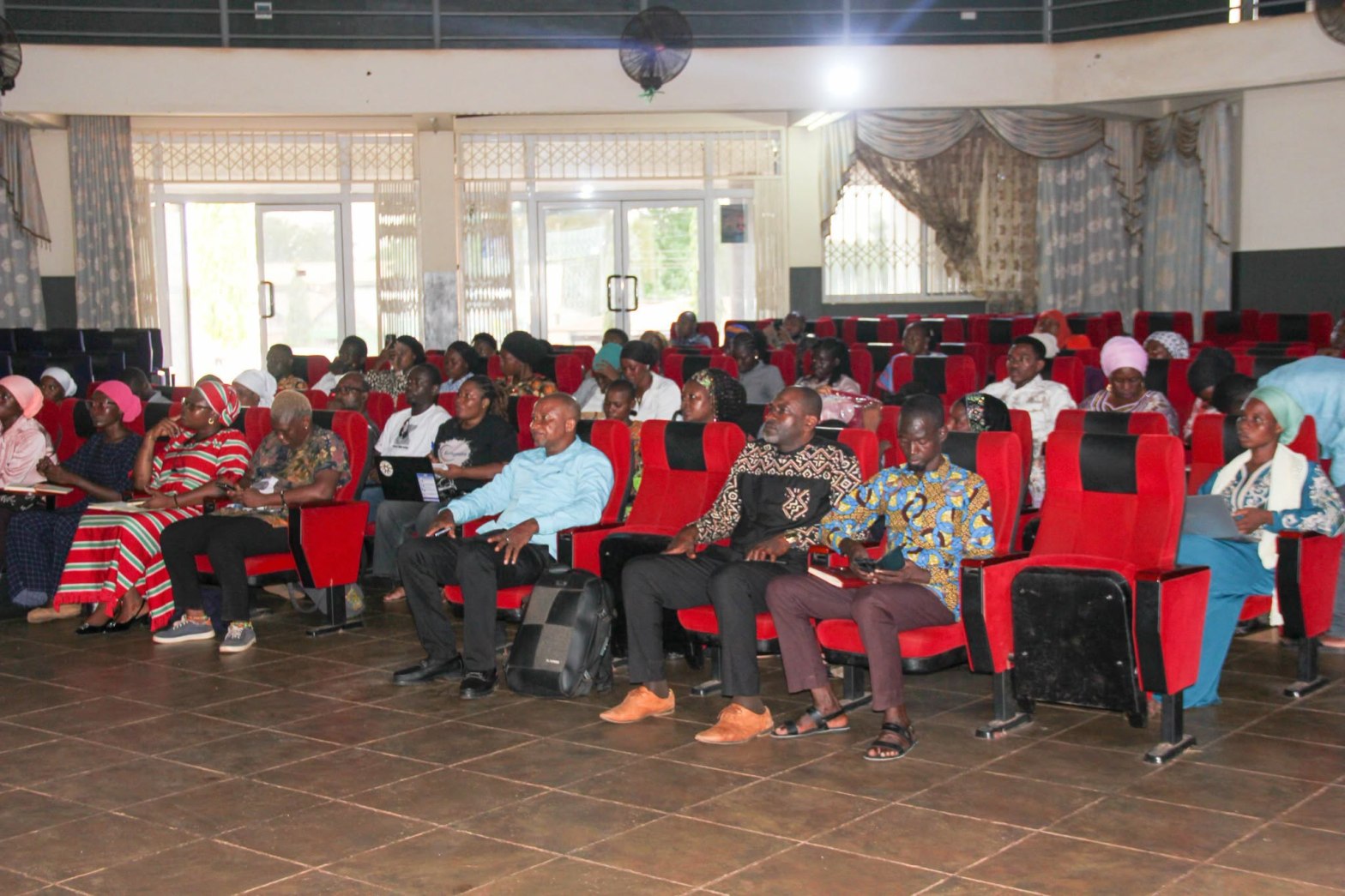
The workshop, held in Tamale, was on the theme “Strength, Responsibility and Positive Masculinity,” brought together representatives of youth groups, social media influencers, and community advocates to explore the role of men in preventing GBV and promoting gender equality.

The workshop was focused on enhancing participants’ understanding on consent, men as allies in ending sexual and gender-based violence, challenging harmful norms, among others.

According to Ms. Ako, while significant attention had rightly been placed on empowering women and supporting survivors, there was an urgent need to intentionally engage men as partners in the fight against GBV.

She noted that harmful norms and rigid gender expectations continue to fuel violence, adding that many boys grew up internalizing messages that equated manhood with dominance, control, and emotional suppression.

“Positive masculinity is about empathy, accountability and courage,” she said. “It is about choosing to speak up when a friend makes degrading remarks about women, refusing to laugh at sexist jokes, and challenging harmful behaviours within our circles.”

Ms. Ako emphasized that protecting abusers in the name of family honour, friendship, or community reputation only perpetuated cycles of violence and deepened survivors’ trauma.

“When we prioritize reputation over justice, we send a dangerous message that the comfort of perpetrators matters more than the safety of victims,” she said. “True strength lies in standing for what is right, even when it is uncomfortable.”

She encouraged participants, particularly social media influencers to use their platforms responsibly to amplify survivor-centered messages, counter misinformation, and promote respectful relationships.

The Coordinator of the Northern Region Chapter of Activista Ghana, Mr. Hamdan Amadu Wumpeka commended SWIDA Ghana for creating a platform that placed men at the center of conversation on gender justice.

He said, young people, especially young men, have a critical role to play in dismantling systems that normalize violence and discrimination.

“Many of us have witnessed or heard of abuses in our communities, yet we remain silent because we fear backlash or social exclusion. But silence is complicit. If we truly care about our sisters, friends and colleagues, we must be bold enough to act.”

Mr. Wumpeka called on male youth leaders to model respectful behavior and mentor young boys to understand consent, equality and shared responsibility in relationships.

He noted that addressing GBV is not only a moral obligation, but also a development issue, as violence undermined education, productivity, mental health, and community cohesion.

“A society that fails to protect its women and girls cannot achieve sustainable development. Engaging men is not shifting attention away from survivors; it is about tackling the root causes of violence.”

Ghanaian Caregivers Need to be Properly Catered for – SWIDA Ghana

At the CSW70 Hauriou Commission side event, SWIDA Ghana highlighted the vital role of grassroots women caregivers in Northern Ghana, saying they are the unsung heroes providing essential care work.

Executive Director of SWIDA Ghana, Hajia Alima Sagito-Saeed said these care workers are often unpaid and undervalued, yet remain a crucial need for community well-being.

According to Hajia Alima, SWIDA Ghana has over the years been advocating for a just care system that recognizes and supports these caregivers.

She said, “by amplifying their voices and contributions, we can create a more equitable society.”

SWIDA Ghana’s work focuses on empowering women and promoting gender equality, through community transformation and fostering shared responsibilities, using initiatives such as the Gender Model Family approach.

The Executive Director also emphasized the need for policies supporting caregivers and promoting women’s economic empowerment, where she said “by valuing care work, we can build a more just and inclusive world.”

SWIDA Ghana’s efforts are making a tangible impact in Northern Ghana, and their work serves as a model for others.

UCARE: Project Staff Monitor Meetings in Savannah Region

Staff of the UCARE project are the in Central, East, and West Gonja Districts of the Savannah Region, actively supporting and monitoring the monthly meetings of Gender Model Family Champions.

This initiative, funded by Alinea International and Global Affairs Canada, is being used to strengthen community-led efforts to promote gender equality and women’s empowerment.

Through regular engagements, champions are equipped to drive positive change and model inclusive practices, fostering a ripple effect of social change across zones.

The project aims to respond to the four Rs of unpaid care work: Recognize, Reduce, Redistribute, and Reward

SWIDA Ghana is humbled to receive the NGO of the Year 2025 award at the Northern Ghana Business Excellence Awards by KIP Events in Tamale.

This recognition acknowledges our tireless efforts in empowering women entrepreneurs and promoting economic growth in Northern Ghana.

Statement Read on Behalf of the Women of Nandundo

By Mba Afa Yahaya Yakubu, Youth Chief of Nandundo, before the Installation

On behalf of the Women of Nandundo, I am honoured to read this statement. Since 2014, our mothers and sisters have witnessed real transformation through the work of SWIDA Ghana under the dedicated leadership of Hajia Sagito Alima Sa-eed.

What began with only two VSLA groups has grown into many strong and sustainable VSLAs involving hundreds of women, strengthening savings, access to credit, and household livelihoods.

The women have benefited from agribusiness training, leadership and advocacy support, and social cohesion initiatives.

Recently, the construction of energy-saving stoves and the supply of PPEs have reduced drudgery and health risks in shea butter and rice processing.

In deep appreciation of her selfless service, the women honour her as Queen of Development, Ugnati I. After the process, a pure white dove was presented as a symbol of peace, gratitude, and lasting partnership.

SWIDA Ghana Embarks on Monitoring Neighborhood Meetings

SWIDA Ghana, under the UCARE Project, continues has been monitoring the monthly neighbourhood meetings with Gender Model Family (GMF) households in the Savannah Region, to track progress and address challenges in the implementation of their GMF Action Plans.

During the recent meetings, families reported encouraging progress, particularly in the redistribution of household chores. This shows a growing commitment to shared responsibilities within homes. However, some challenges were also highlighted including;

Some adolescents shared concerns about limited involvement in family decision-making. Some men also mentioned the lack of energy-saving equipment such as bicycles and motorbikes in supporting to reduce household workload.

In response, families committed to actively involving adolescents in household decision-making processes. Men were also encouraged to continue supporting their families by finding practical ways, within their means, to help reduce the burden of domestic workload.

SWIDA Ghana remains committed to promoting inclusive, supportive, and gender-responsive family systems that foster harmony and shared responsibility.

KASA! Safe Spaces Monitoring Update

As part of our continued commitment to supporting survivors and individuals navigating abuse and exploitation, the KASA! Project Safe Spaces funded by African Women’s Development Fund are now fully operational.

Five spaces have been established, with four stationed in Tamale and one in Walewale, with each of them having trained staff who provide confidential support, guidance, referrals, with compassionate listening ears.

Prior to their operationalization, SWIDA Ghana organized comprehensive training for Safe Space Coordinators and selected service providers.

The training focused on survivor-centered approaches, Psychological First Aid (PFA), confidentiality and ethical standards, disability inclusion, referral pathways, documentation procedures, and Sexual and Gender-Based Violence (SGBV) response mechanisms.

This capacity-building initiative has strengthened the ability of coordinators to respond effectively and sensitively to survivors’ needs.

This month, SWIDA Ghana’s monitoring team visited four of the safe spaces; Bilpiela Health Center, ToLEC Ghana, Planned Parenthood Association of Ghana, and Choggu Health Center, to assess utilization, provide supportive supervision, and gather feedback from service providers.

It was encouraging to observe that the spaces are functional and gradually gaining visibility within their communities.

Feedback from service providers

-“The Safe Space has improved privacy and confidentiality for survivors. Clients feel more comfortable opening up compared to before.”

-“The training equipped us with practical skills to handle sensitive cases professionally. We now feel more confident supporting survivors and making appropriate referrals.”

The service providers shared suggestions of increased community awareness creation and additional informational materials to boost the utilization of the spaces.

In response, we supplied additional pull-up banners to improve visibility and enhance the comfort and identity of each space.

Together, we can build communities where everyone feels safe, heard, protected, and empowered.

Hajia Alima Outlines SWIDA Ghana’s Efforts at Empowering Young Women at the SDG Summit

Organized by the Central NUGS under the theme “Advancing Quality Education, Gender Equity, and Peaceful Institutions: A Unified Pathway to Sustainable Development, the SDG Summit sought to highlight the need for empowerment of women to bridge the gap of gender inequality.

Executive Director for SWIDA Ghana, Hajia Alima Sagito-Saeed delivered a compelling keynote on Gender Equity (SDG 5).

She discussed contemporary challenges, including cultural norms, limited educational opportunities, and economic barriers, while highlighting emerging opportunities in leadership, mentorship, and advocacy.

Hajia Alima emphasized the critical role of young women in national and community development, while sharing SWIDA Ghana’s practical solutions: empowering young women through leadership and mentorship programs, supporting women entrepreneurs with training and market access, creating safe spaces for survivors of gender-based violence, and promoting community and school-based interventions to foster inclusive, empowering educational environments.

She stressed that such policy and community-level strategies are essential to accelerate progress toward SDG 5, inspiring over 600 students to take active roles in championing gender equality and contributing to sustainable development in Ghana.

SWIDA Ghana Receives Recognition Award

SWIDA Ghana has been awarded the Outstanding Youth Leadership and Mentorship Organisation of the Year by the Executive Business Group, at the 2nd Northern Business Merit Awards and Conference.

The recognition celebrates SWIDA Ghana’s commitment to nurturing young leaders and empowering women across Northern Ghana.

A big thank you to our dedicated team, mentors, and partners for making this impact possible. Together, we rise.