KASA! Safe Spaces Monitoring Update

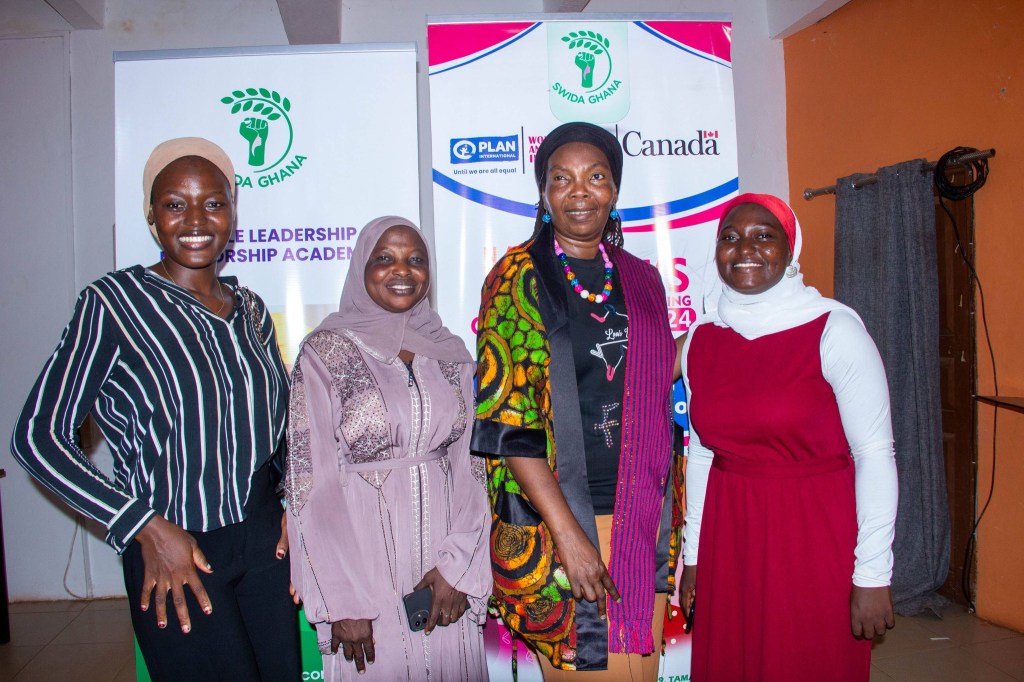
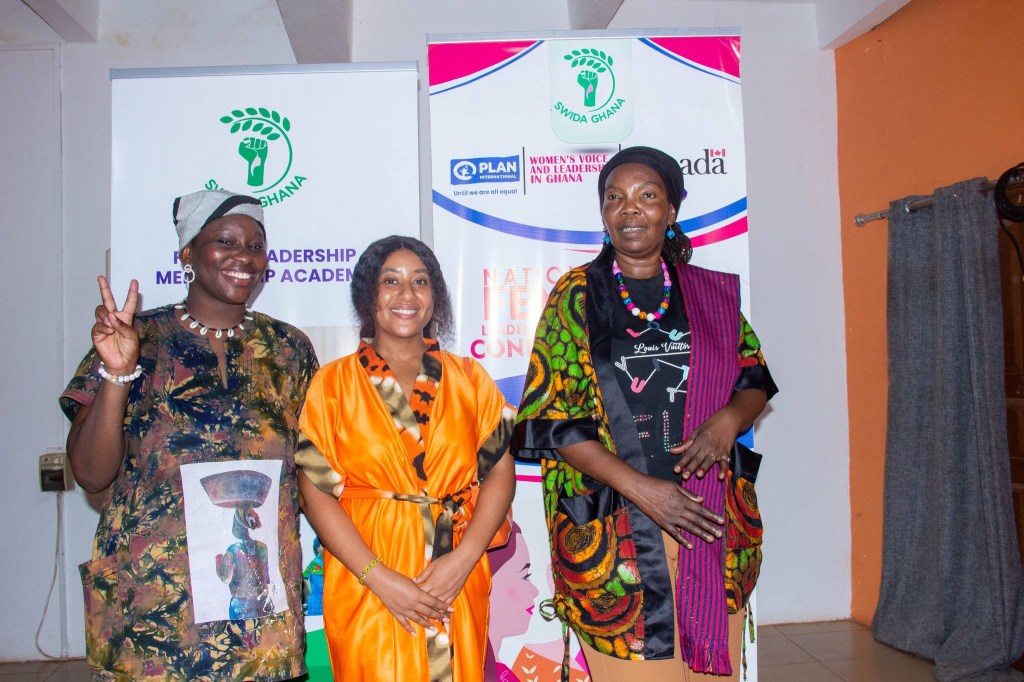
As part of our continued commitment to supporting survivors and individuals navigating abuse and exploitation, the KASA! Project Safe Spaces funded by African Women’s Development Fund are now fully operational.

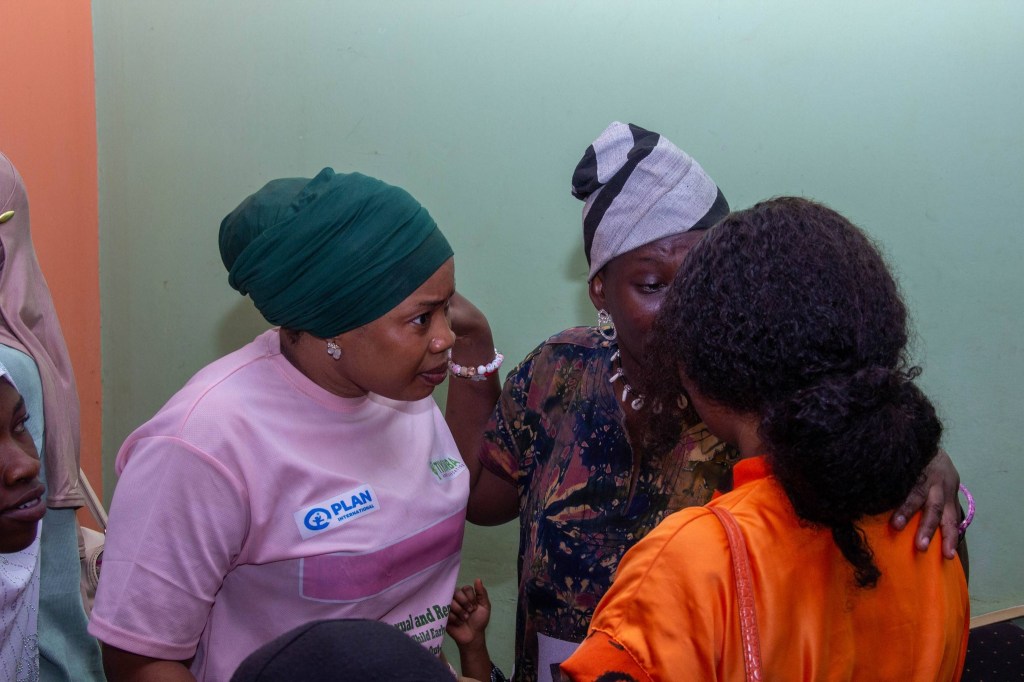
Five spaces have been established, with four stationed in Tamale and one in Walewale, with each of them having trained staff who provide confidential support, guidance, referrals, with compassionate listening ears.

Prior to their operationalization, SWIDA Ghana organized comprehensive training for Safe Space Coordinators and selected service providers.

The training focused on survivor-centered approaches, Psychological First Aid (PFA), confidentiality and ethical standards, disability inclusion, referral pathways, documentation procedures, and Sexual and Gender-Based Violence (SGBV) response mechanisms.

This capacity-building initiative has strengthened the ability of coordinators to respond effectively and sensitively to survivors’ needs.

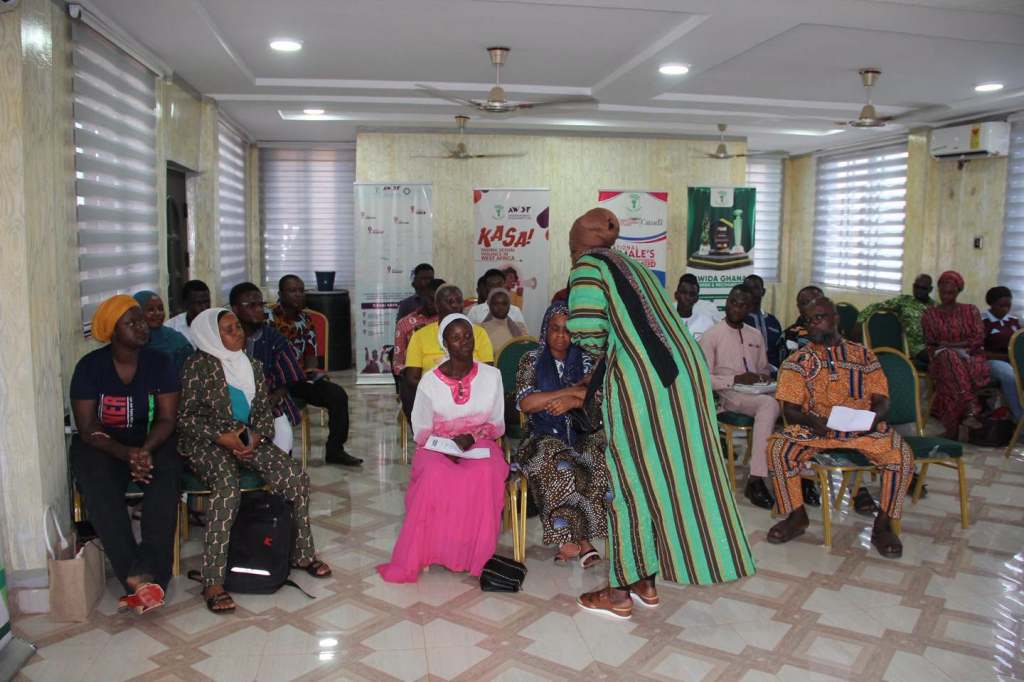
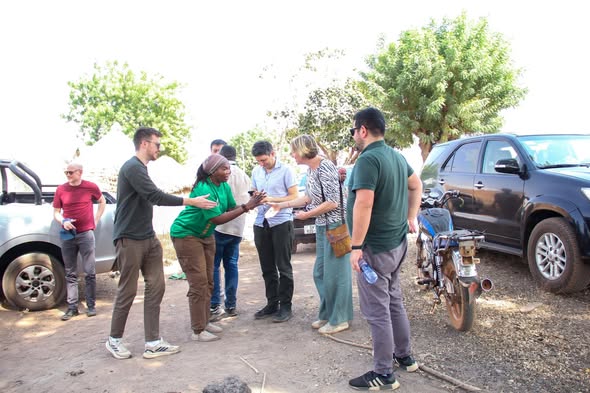
This month, SWIDA Ghana’s monitoring team visited four of the safe spaces; Bilpiela Health Center, ToLEC Ghana, Planned Parenthood Association of Ghana, and Choggu Health Center, to assess utilization, provide supportive supervision, and gather feedback from service providers.

It was encouraging to observe that the spaces are functional and gradually gaining visibility within their communities.

Feedback from service providers

-“The Safe Space has improved privacy and confidentiality for survivors. Clients feel more comfortable opening up compared to before.”

-“The training equipped us with practical skills to handle sensitive cases professionally. We now feel more confident supporting survivors and making appropriate referrals.”

The service providers shared suggestions of increased community awareness creation and additional informational materials to boost the utilization of the spaces.

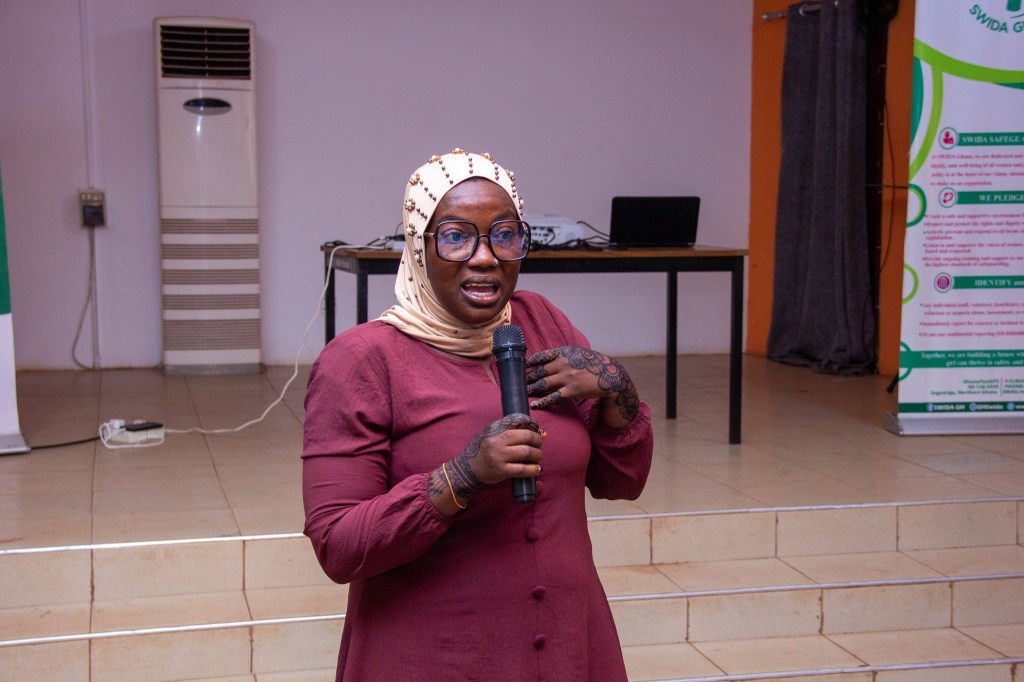
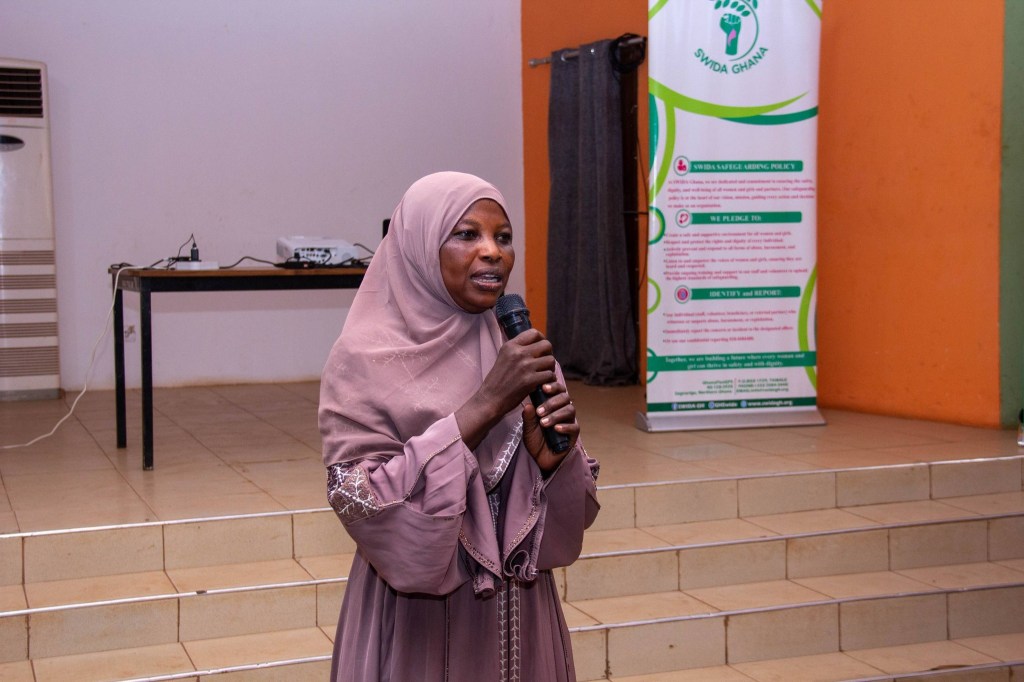
In response, we supplied additional pull-up banners to improve visibility and enhance the comfort and identity of each space.

Together, we can build communities where everyone feels safe, heard, protected, and empowered.

Hajia Alima Outlines SWIDA Ghana’s Efforts at Empowering Young Women at the SDG Summit

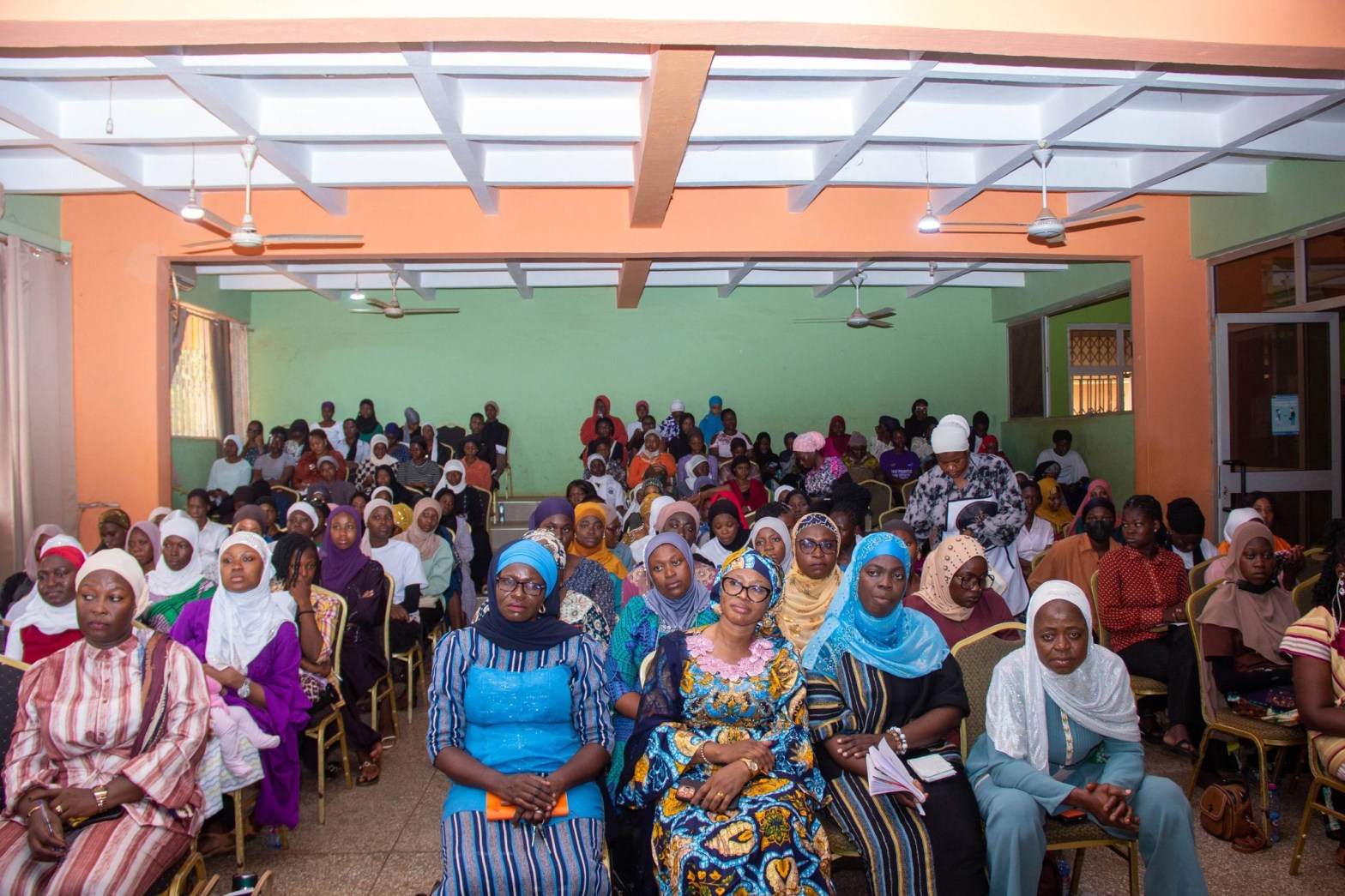
Organized by the Central NUGS under the theme “Advancing Quality Education, Gender Equity, and Peaceful Institutions: A Unified Pathway to Sustainable Development, the SDG Summit sought to highlight the need for empowerment of women to bridge the gap of gender inequality.

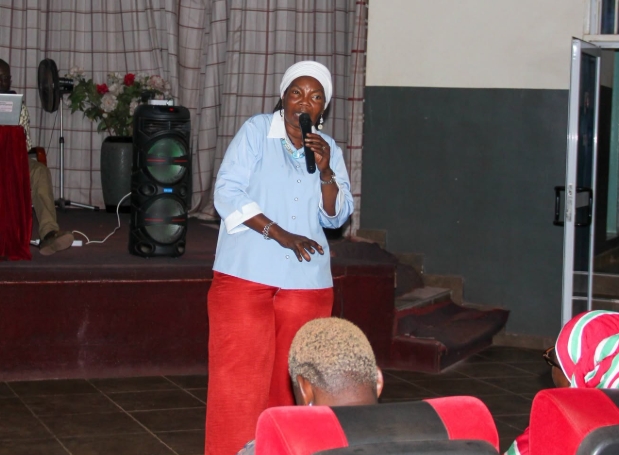
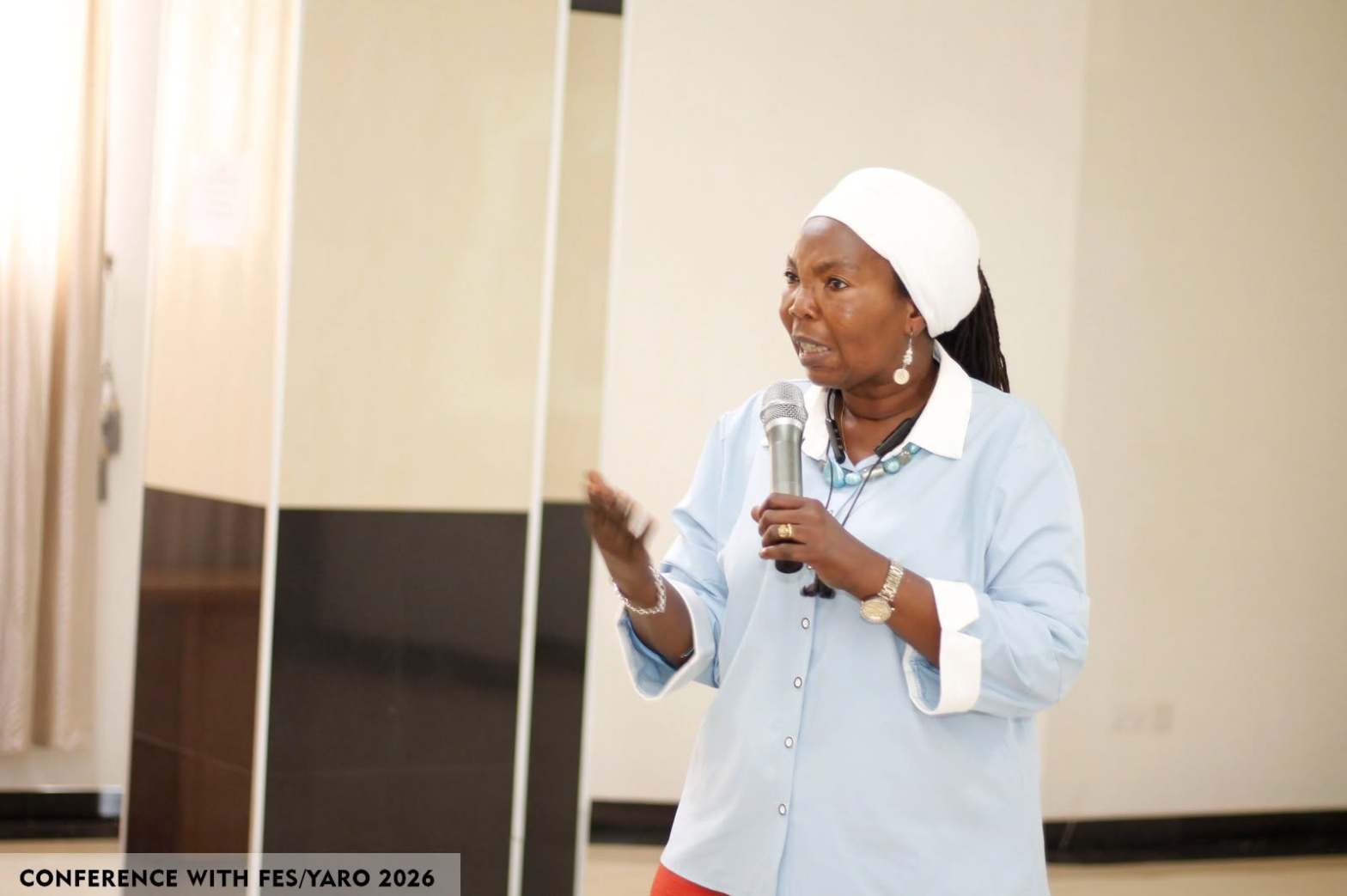
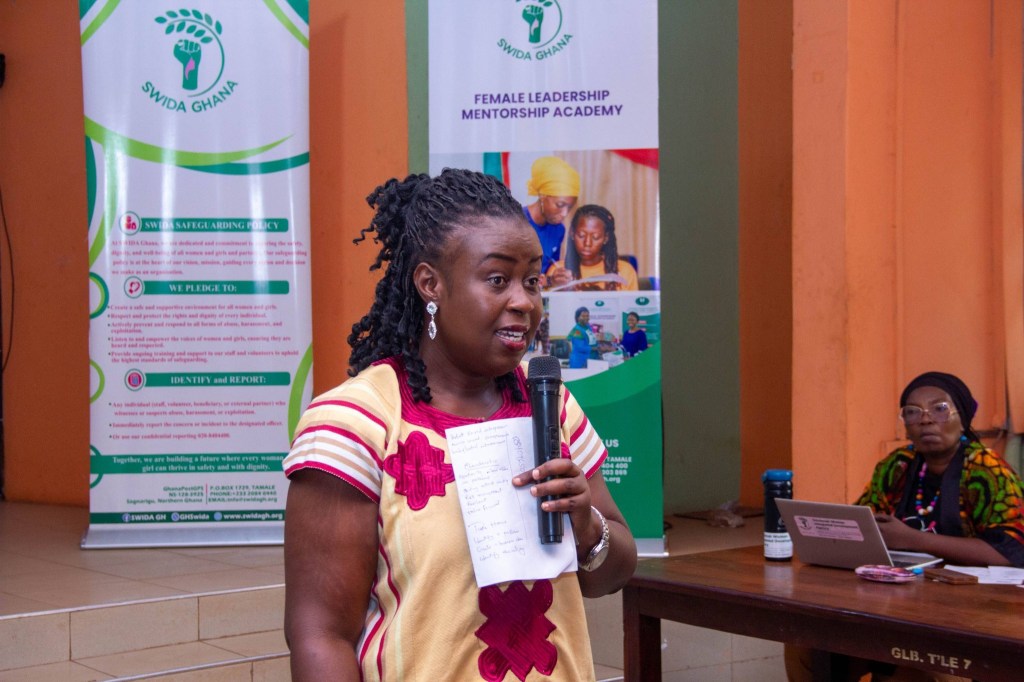
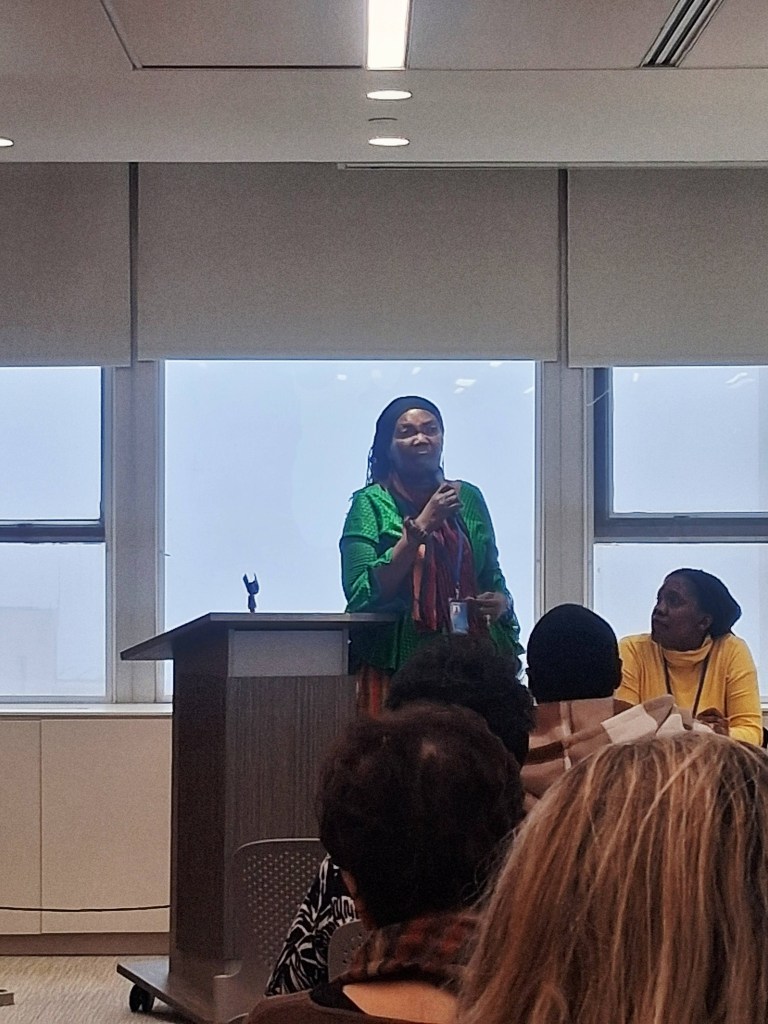
Executive Director for SWIDA Ghana, Hajia Alima Sagito-Saeed delivered a compelling keynote on Gender Equity (SDG 5).

She discussed contemporary challenges, including cultural norms, limited educational opportunities, and economic barriers, while highlighting emerging opportunities in leadership, mentorship, and advocacy.

Hajia Alima emphasized the critical role of young women in national and community development, while sharing SWIDA Ghana’s practical solutions: empowering young women through leadership and mentorship programs, supporting women entrepreneurs with training and market access, creating safe spaces for survivors of gender-based violence, and promoting community and school-based interventions to foster inclusive, empowering educational environments.

She stressed that such policy and community-level strategies are essential to accelerate progress toward SDG 5, inspiring over 600 students to take active roles in championing gender equality and contributing to sustainable development in Ghana.

SWIDA Ghana Receives Recognition Award

SWIDA Ghana has been awarded the Outstanding Youth Leadership and Mentorship Organisation of the Year by the Executive Business Group, at the 2nd Northern Business Merit Awards and Conference.

The recognition celebrates SWIDA Ghana’s commitment to nurturing young leaders and empowering women across Northern Ghana.

A big thank you to our dedicated team, mentors, and partners for making this impact possible. Together, we rise.

SWIDA Ghana Meets With PWDs in Impactful Session

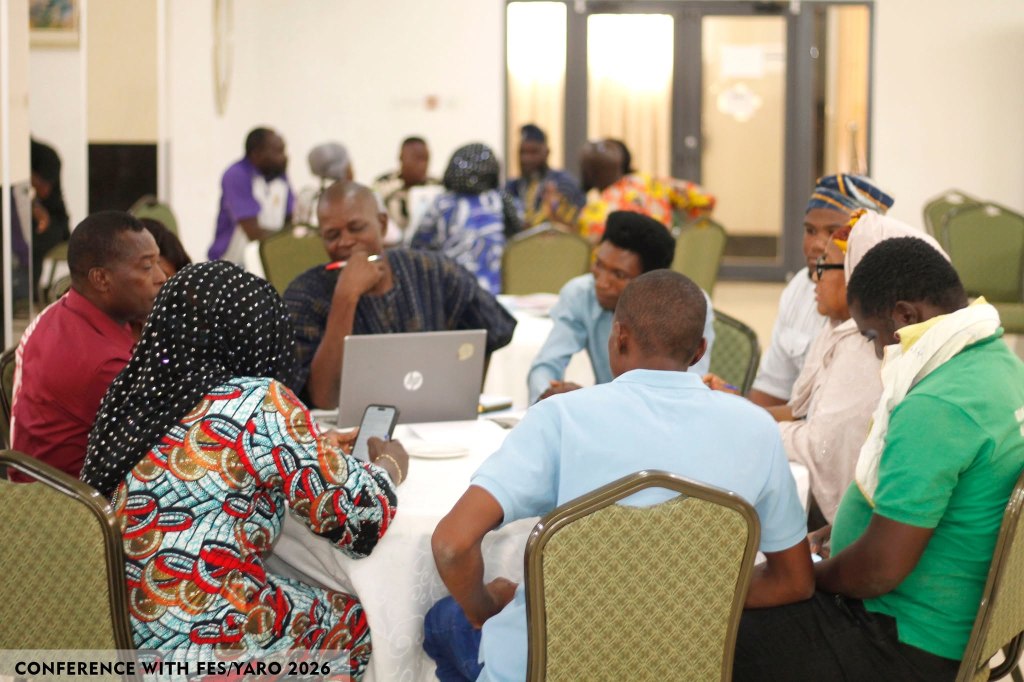
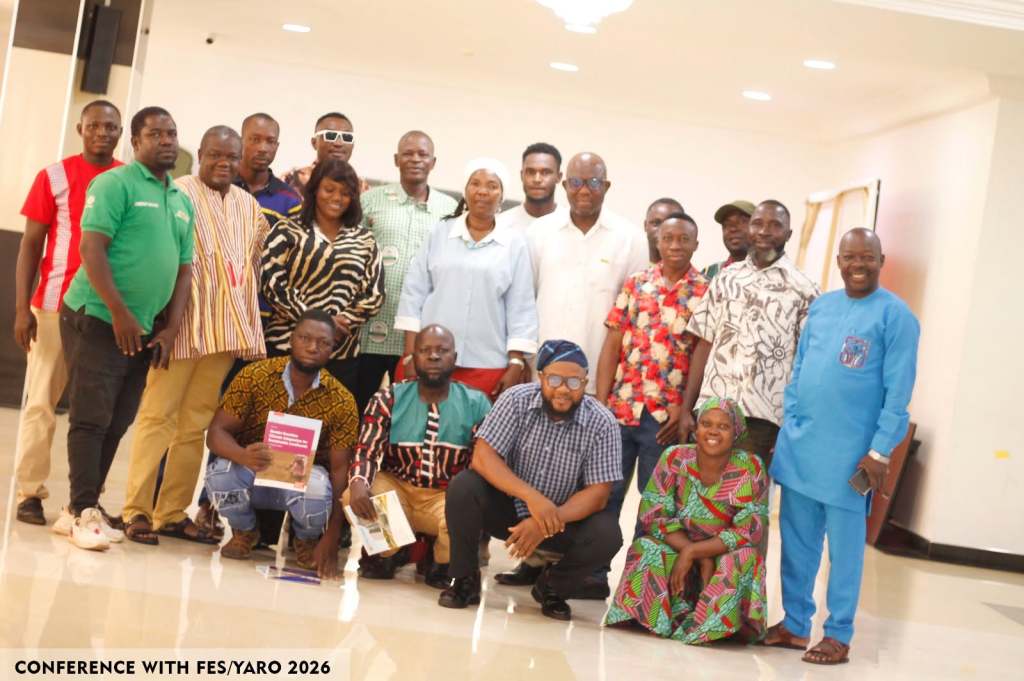
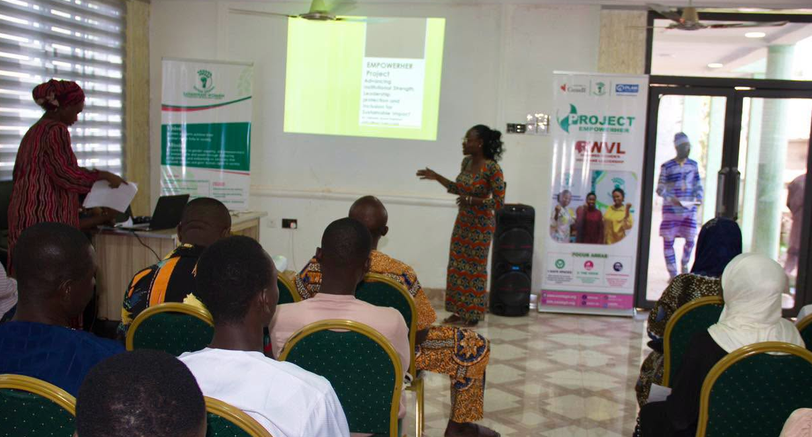
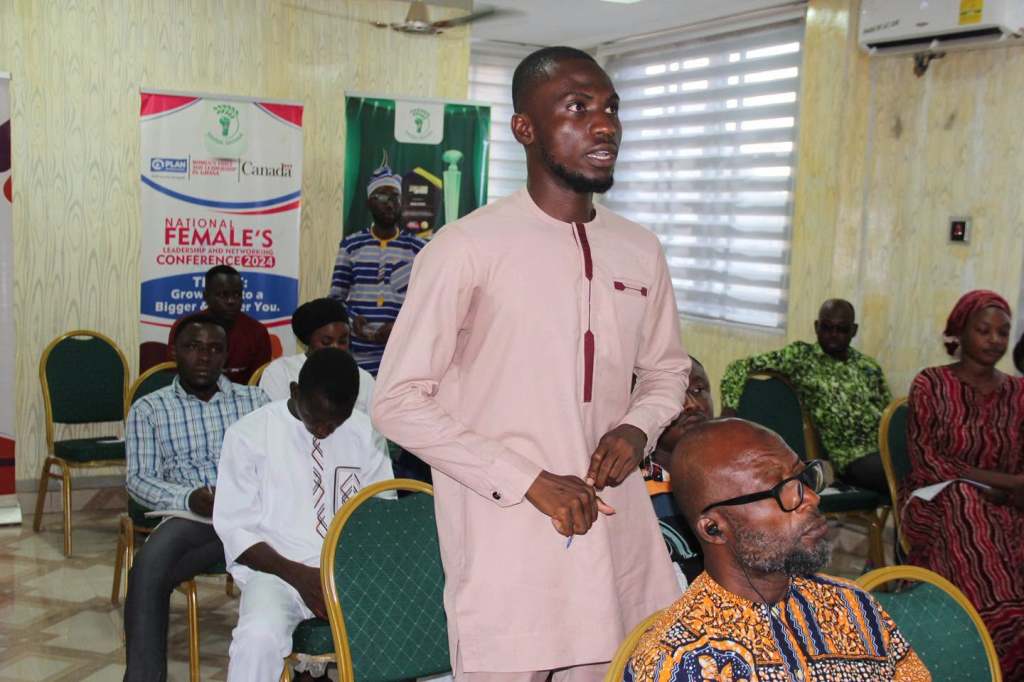
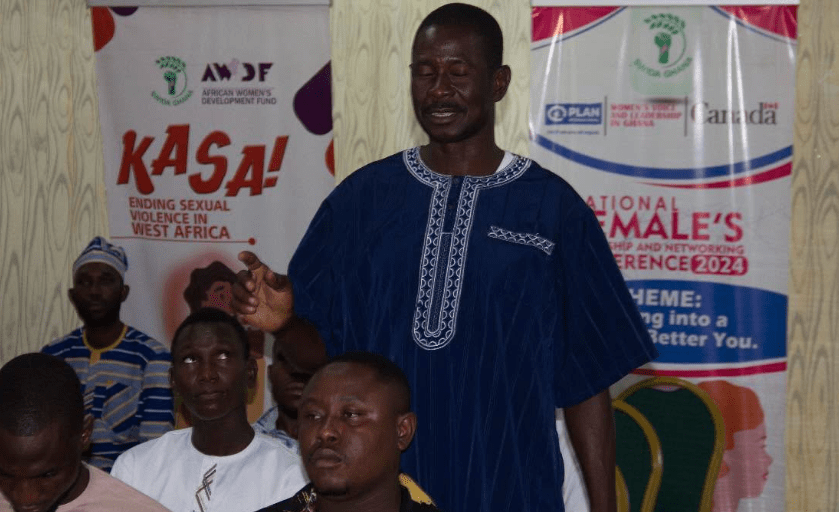
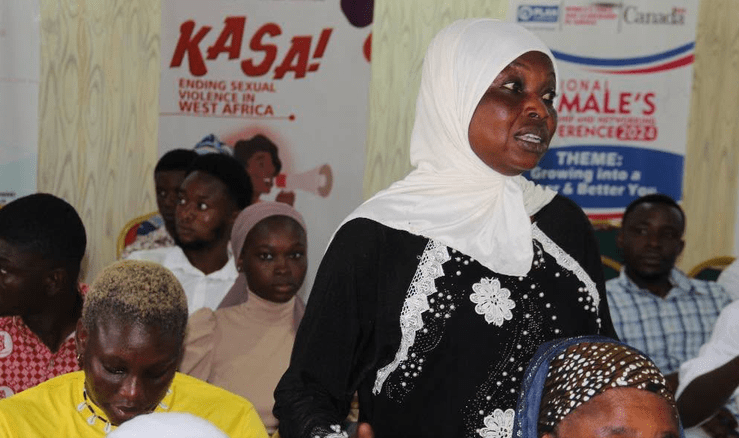
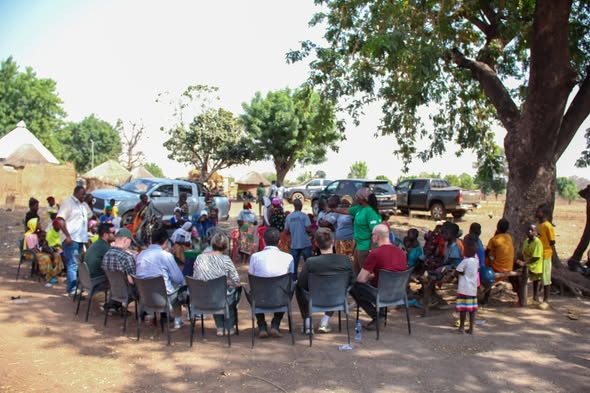
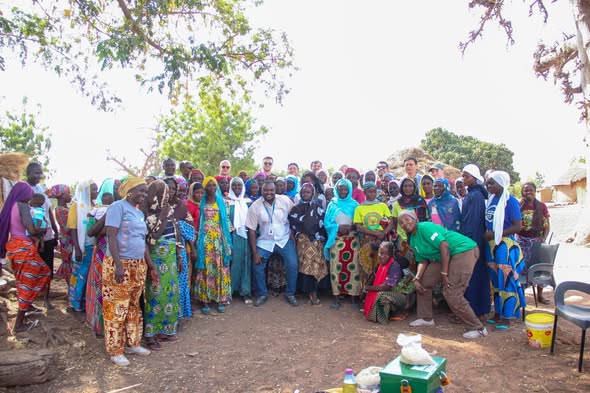
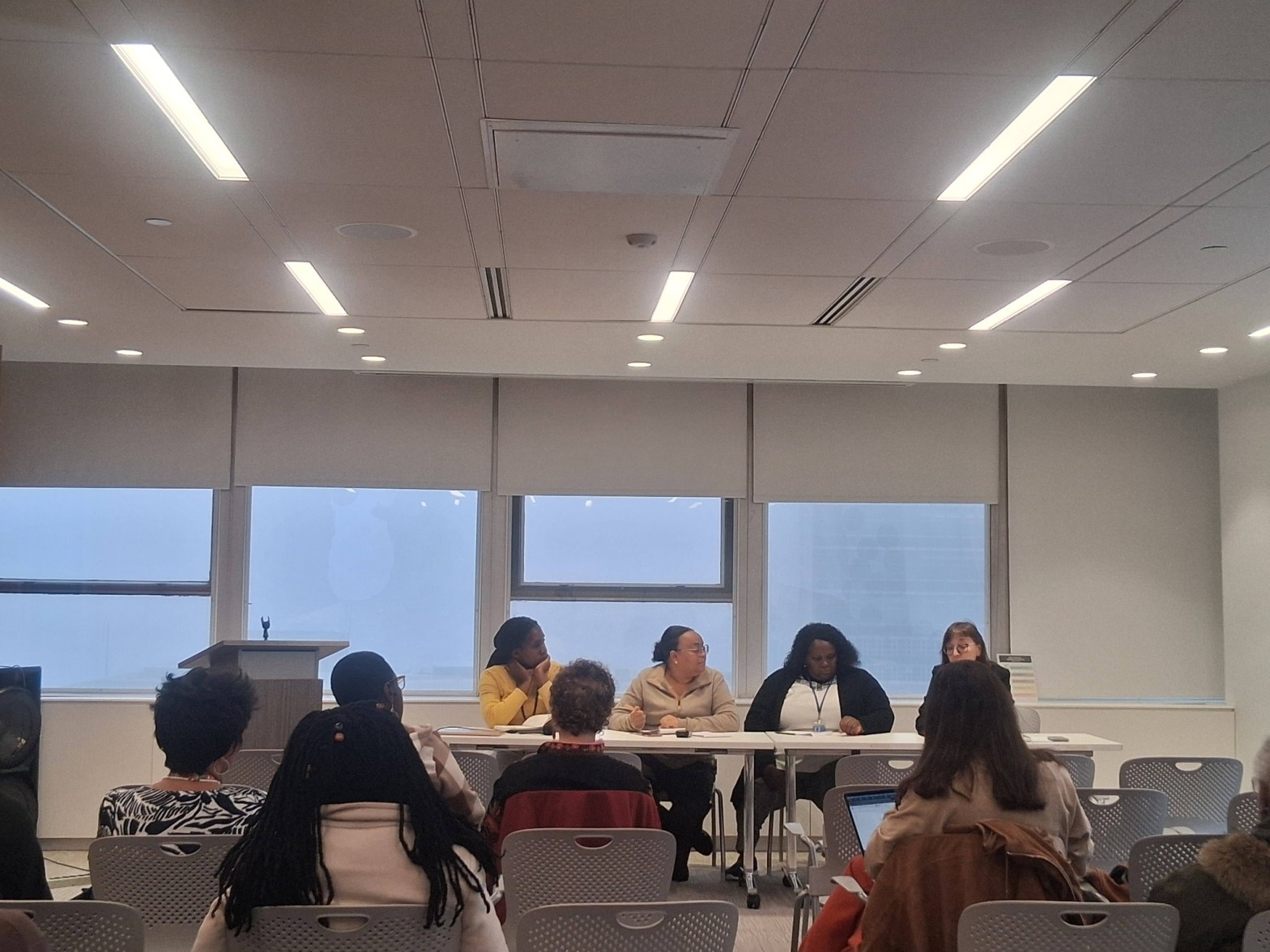
SWIDA Ghana, in partnership with ToLEC Ghana, engaged with members of the Persons with Disabilities (PWD) community to better understand their level of awareness on SGBV-related issues, as well as their use of safe spaces, and the challenges they face in reporting and accessing support.

As part of engagement, SWIDA Ghana also introduced newly launched safe spaces, created to enhance rapid response to Sexual and Gender-Based Violence (SGBV) cases.

The participants reported no physical accessibility barriers, indicating a significant step forward in consolidating the gains made.

However, important concerns were raised about the need for:

🔹 Continued education and awareness

🔹 Reducing stigma

🔹 Strengthening the legal and justice system

These are crucial to ensuring equal protection and dignity for all.

Let’s keep working together to build inclusive, supportive, and safe communities. When everyone is seen, heard, and respected regardless of ability, we all thrive.

SWIDA Ghana and WFP Partner in New VSLA Initiative

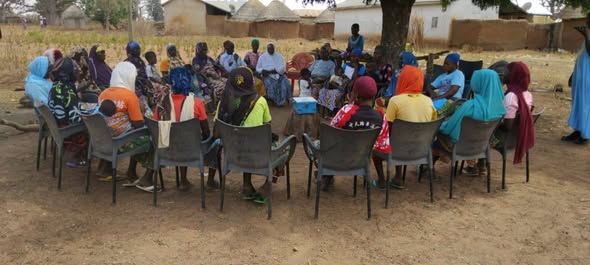
SWIDA-Ghana and the World Food Programme (WFP) have initiated a VSLA project, benefiting 200 groups across three regions and five districts of Ghana.

This initiative seeks to empower communities, particularly women and vulnerable groups, through financial inclusion and economic empowerment.

The project provides training and support to groups, enabling them to manage their finances, access loans, and invest in their businesses.

This partnership is expected to improve the livelihoods of participants, enhance food security and nutrition, and promote sustainable development in the targeted areas.

The project’s success will be monitored through regular assessments and evaluations.

Hajia Alima Encourages Students to Learn about SBGV as part of Empowerment

Executive Director for SWIDA Ghana, Hajia Alima Sagito-Saeed, has emphasized the importance of understanding and combating Sexual and Gender-Based Violence (SGBV), especially for the safety and well-being of girls.

She said this when she delivered a message to over 400 fresh students of the Agriculture Faculty at the University for Development Studies (UDS), in a session aimed to equip students with knowledge and skills to prevent and respond to SGBV incidents.

Hajia Alima highlighted the significance of searching and understanding the UDS Sexual Harassment Policy, pointing out that it serves as a guide for students to navigate safe and respectful academic environments.

By familiarizing themselves with the policy, according to Hajia, students can identify forms of harassment, understand reporting mechanisms, and seek support when needed.

The key points highlighted include:

1. SGBV Definition: Understanding what constitutes sexual harassment or violence and its impact on individuals and communities

2. UDS Policy: Familiarizing oneself with the university’s sexual harassment policy and reporting procedures

3. Support Services: Awareness of counseling and support services available on campus and SWIDA Ghana safe spaces with Tamale and Sagnarigu and Walewale.

4. Safe Environment: Promoting respectful behavior and creating a safe environment for all students

5. Reporting Incidents: Encouraging students to report incidents and seek help without fear of retaliation.

This event was coordinated by IAAS, Nyankpala Campus.

Organizations can Survive Through Partnerships, Collaborations, and Innovation – Hajia Alima

The Executive Director for SWIDA Ghana, Hajia Alima Sagito-Saeed shared invaluable insights as a panelist on strategic planning and organizational perspective in a changing donor environment, at the WFP Annual Partner Consultation in Rome.

Hajia Alima indicated that as a grassroots organization, SWIDA Ghana has navigated the complexities of shifting donor priorities and funding landscapes through partnerships, collaboration, innovation and relying on community based structures.

She emphasized the importance of adaptability, agility, and resilience in responding to these changes, highlighting the need for robust strategic planning, stakeholder engagement, and innovative resource mobilization strategies.
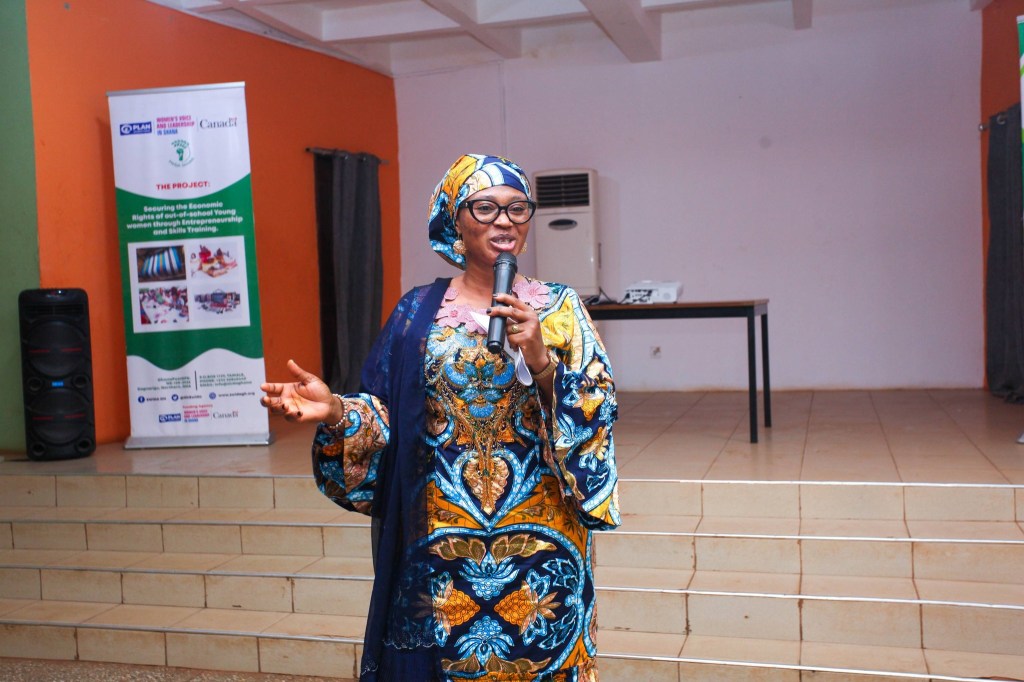
Drawing from her organization’s experience, the Executive Director showcased how grassroots organizations can leverage partnerships, diversify funding streams, and prioritize community-led initiatives to drive sustainability and impact.

Her expertise offered practical takeaways for organizations seeking to thrive in a rapidly evolving development landscape.

SWIDA Ghana Honoured at Ghana Philanthropy Awards

At the 4th Ghana Philanthropy Awards-2025, organized by the Business Executive Group, SWIDA Ghana received the Outstanding Award for Innovation in Water Harvesting Technologies and Climate-Smart Agriculture Practices.
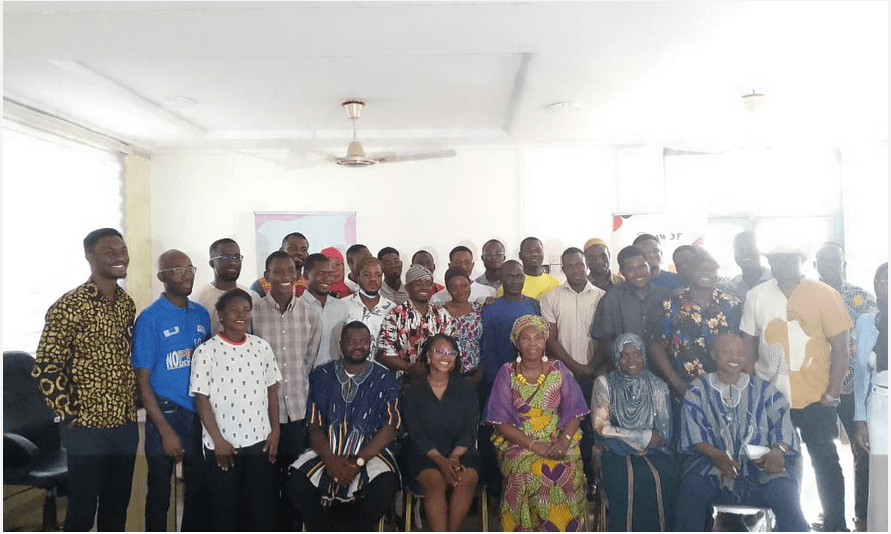
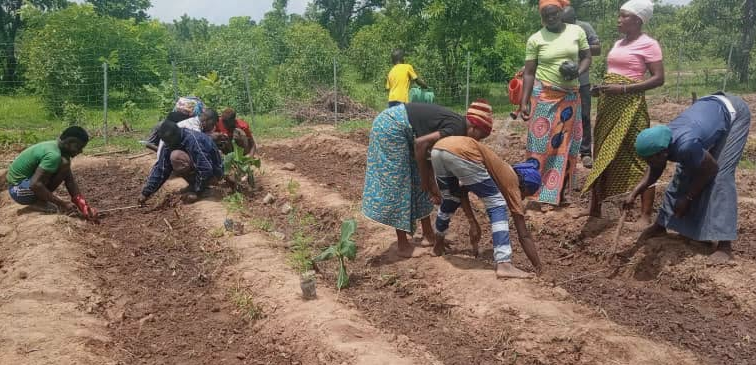
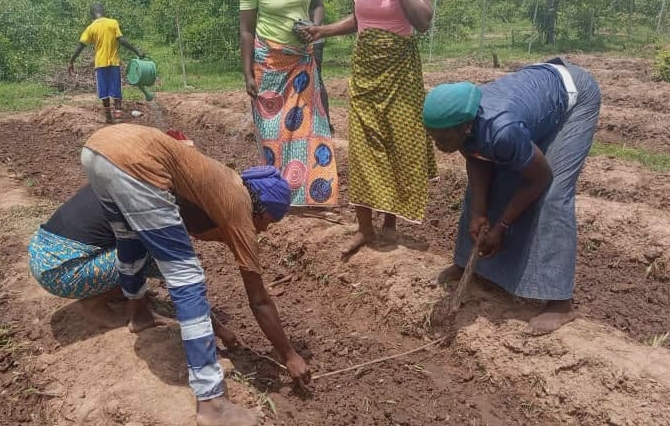
The recognition celebrated SWIDA’s pioneering work in restoring degraded lands and empowering rural women farmers to adapt to climate change.

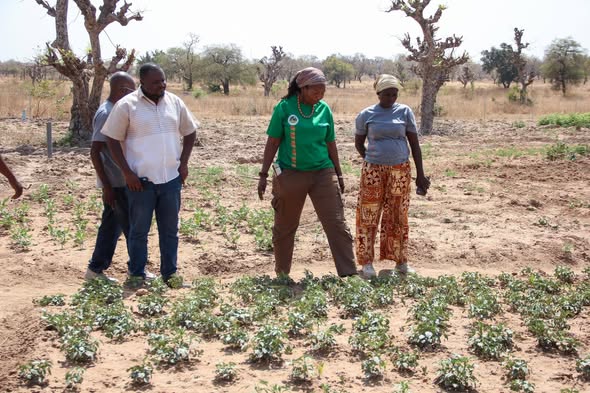
With technical training and funding support from the World Food Programme (WFP), over two years, SWIDA Ghana introduced innovative land restoration techniques in the Karaga District, including half-moons, soil bunds, deep trenches, and eyebrow basins.
These methods effectively harvested rainwater, reduced erosion, and revitalized barren lands for productive farming.
Alongside these technologies, SWIDA trained communities in climate-smart agricultural practices such as mulching, composting, crop rotation, and agroforestry, combining indigenous knowledge with modern innovations to enhance resilience and food security.

Receiving the award, SWIDA Ghana’s Executive Director dedicated it to the women farmers and youth who turned adversity into opportunity through innovation and determination.

The Business Executive Group commended SWIDA Ghana for driving community-led climate action and aligning its work with the Sustainable Development Goals, namely, No Poverty, Zero Hunger, Gender Equality, Climate Action, and Life on Land.

The award affirmed SWIDA Ghana’s commitment to transforming drought-stricken lands into thriving ecosystems and empowering communities for a sustainable future.

Hajia Alima Delivers Keynote Address for Rural Women’s Impact

The Executive Director of SWIDA Ghana, Hajia Alima Sagito-Saeed delivered a powerful keynote address on transforming the lives of rural women farmers.

Hajia Alima made this delivery at the FAO Subregional Platform on the CFS Voluntary Guidelines for Gender Equality and Women’s and Girls’ Empowerment.

She highlighted the daily struggles of women like Amina, whose contributions feed our communities yet remain limited by poor access to land, finance, markets, technology, and decision-making.

She emphasized that when women receive equal rights, resources, and support, they become leaders, entrepreneurs, and catalysts for food security.

Her message was clear: “empowering women farmers is not charity—it is smart economics, justice, and sustainability.”