
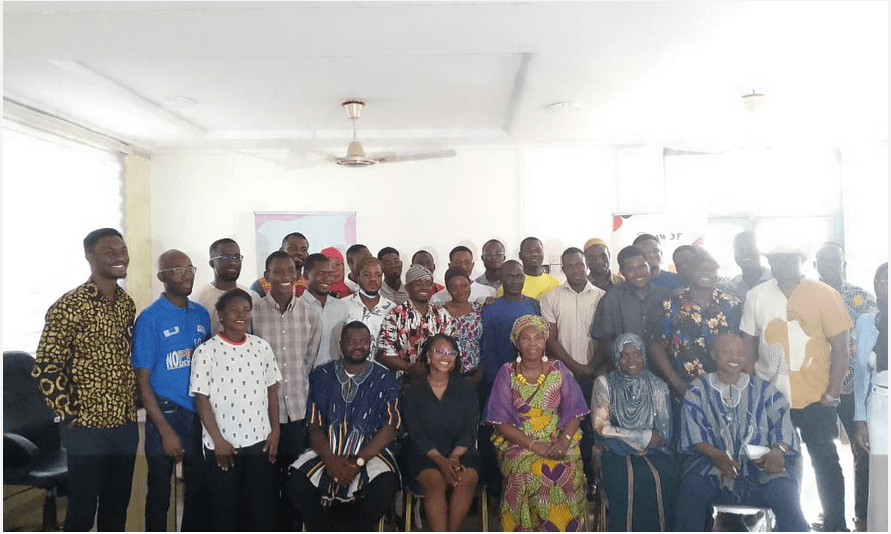
Gender-Based Violence (GBV) advocate and KASA Project Lead, Juliet Wepaare Ako, has called on men and boys to redefine masculinity by standing up against abuse and defending the dignity of women and girls.
“Real men protect dignity, not the reputation of abusers,” she stressed, urging male allies to break the culture of silence that often shielded perpetrators of violence.
Ms. Juliet made the call at a Male Advocates Engagement workshop organized by the Savannah Women Integrated Development Agency (SWIDA Ghana), under the KASA Project, with funding from support from the African Women’s Development Fund.
The workshop, held in Tamale, was on the theme “Strength, Responsibility and Positive Masculinity,” brought together representatives of youth groups, social media influencers, and community advocates to explore the role of men in preventing GBV and promoting gender equality.
The workshop was focused on enhancing participants’ understanding on consent, men as allies in ending sexual and gender-based violence, challenging harmful norms, among others.
According to Ms. Ako, while significant attention had rightly been placed on empowering women and supporting survivors, there was an urgent need to intentionally engage men as partners in the fight against GBV.
She noted that harmful norms and rigid gender expectations continue to fuel violence, adding that many boys grew up internalizing messages that equated manhood with dominance, control, and emotional suppression.
“Positive masculinity is about empathy, accountability and courage,” she said. “It is about choosing to speak up when a friend makes degrading remarks about women, refusing to laugh at sexist jokes, and challenging harmful behaviours within our circles.”
Ms. Ako emphasized that protecting abusers in the name of family honour, friendship, or community reputation only perpetuated cycles of violence and deepened survivors’ trauma.
“When we prioritize reputation over justice, we send a dangerous message that the comfort of perpetrators matters more than the safety of victims,” she said. “True strength lies in standing for what is right, even when it is uncomfortable.”
She encouraged participants, particularly social media influencers to use their platforms responsibly to amplify survivor-centered messages, counter misinformation, and promote respectful relationships.
The Coordinator of the Northern Region Chapter of Activista Ghana, Mr. Hamdan Amadu Wumpeka commended SWIDA Ghana for creating a platform that placed men at the center of conversation on gender justice.
He said, young people, especially young men, have a critical role to play in dismantling systems that normalize violence and discrimination.
“Many of us have witnessed or heard of abuses in our communities, yet we remain silent because we fear backlash or social exclusion. But silence is complicit. If we truly care about our sisters, friends and colleagues, we must be bold enough to act.”
Mr. Wumpeka called on male youth leaders to model respectful behavior and mentor young boys to understand consent, equality and shared responsibility in relationships.
He noted that addressing GBV is not only a moral obligation, but also a development issue, as violence undermined education, productivity, mental health, and community cohesion.
“A society that fails to protect its women and girls cannot achieve sustainable development. Engaging men is not shifting attention away from survivors; it is about tackling the root causes of violence.”

