

Members of the Civil Society Organizations platform on the SDGs in the northern sector have received training on effective research, aimed at finding the gaps in education in Ghana and what can be done to plug them through government’s financing.
The CSOs platform on SDGs is facilitating for its members to raise critical issues relating to education in the 2023 budget, which remain gaps as they affect quality, and propose solutions regarding government’s financing of the education sector.
The two-day workshop at the Modern City Hotel in Tamale, raised the research capacities of participants on the steps involved in conducting an effective development research in public education in Ghana, as well as situating the findings in a way that encourages the government to invest in solutions proffered and recommendations therein.
The participants include members of the CSOs platform on SDGs in the northern sector, leaders of youth groups in schools and the social development space and a retired education director, to provide technical assistance on some of the issues to be raised from the communities.
The Workshop
The identification of a problem with a clear statement, statement of objectives, raising probing research questions, are but some of the areas participants were taken through at the workshop, to inform a solution-based research in the sector of public education financing.
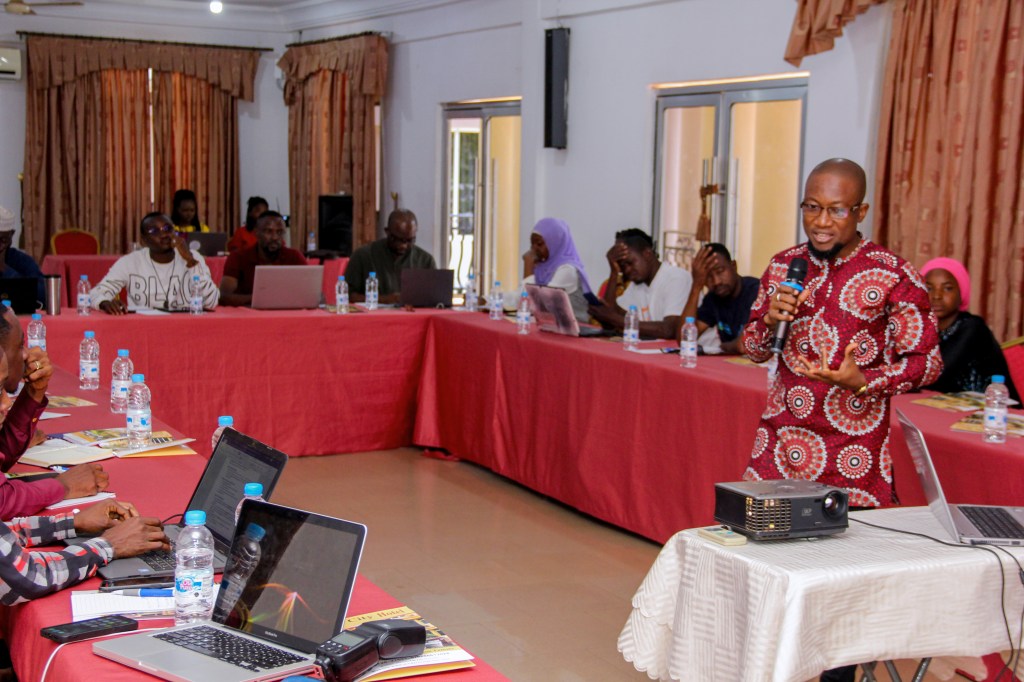
Programme Manager for SEND-Ghana, Mohammed Mumuni who was the key facilitator for the workshop, encouraged participants, especially the CSOs, to continue to increase their capacity on research, to enable them effectively track the government budgets meant for development, including for the public education sector.
This, Mr. Mohammed said, “will make your work targeted at development, because the duty bearers will take you serious when you present to them your findings and make recommendations”.
In a group session by participants to find challenges in the education sector and propose financial solutions, the lack of/ or inadequate infrastructure including furniture came atop the issues raised, as it was agreed to be the fundamental challenge affecting the delivery of quality public education in deprived communities in Ghana.

Other issues such as inadequate teaching and learning materials, inadequate qualified teachers, poorly managed funds at the public schools level, were also found to be negatively affecting the quality of public education.
Future actions
The various groups were made to propose inputs into the budget of 2024, resulting from the challenges they found in communities regarding education, for which the release of funds is needed to provide solution.
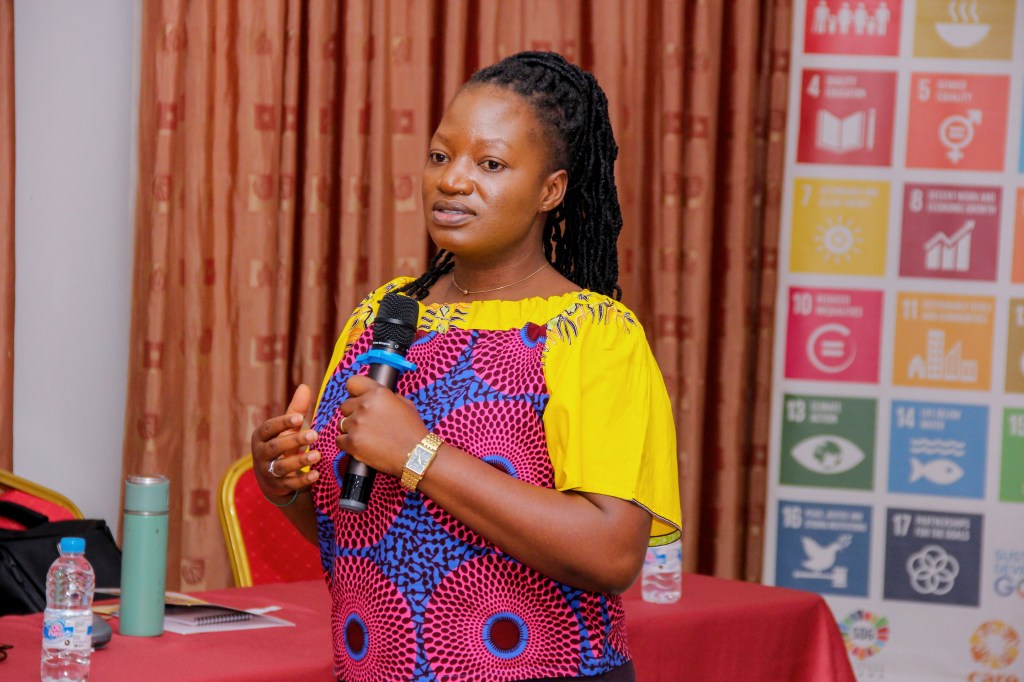
For her part, the National Coordinator for the Ghana CSOs Platform on SDGs, Levlyn Konadu Asiedu, called on members and leaders of the youth groups to focus more on developing partnerships to ensure learning and sharing of experiences on education financing in the deprived communities, to increase strength in the issues, to give reason why duty bearers must listen and provide avenues for solution.
The Northern Regional convener for the Ghana CSOs Platform on SDGs and Executive Director for SWIDA-Gh, Hajia Alima Sagito-Saeed said the youth group leaders were selected carefully, to bring in variety and perspective in the issue to be raised, since young people, when given the opportunity, have different lenses from which they see challenges and the solutions required.
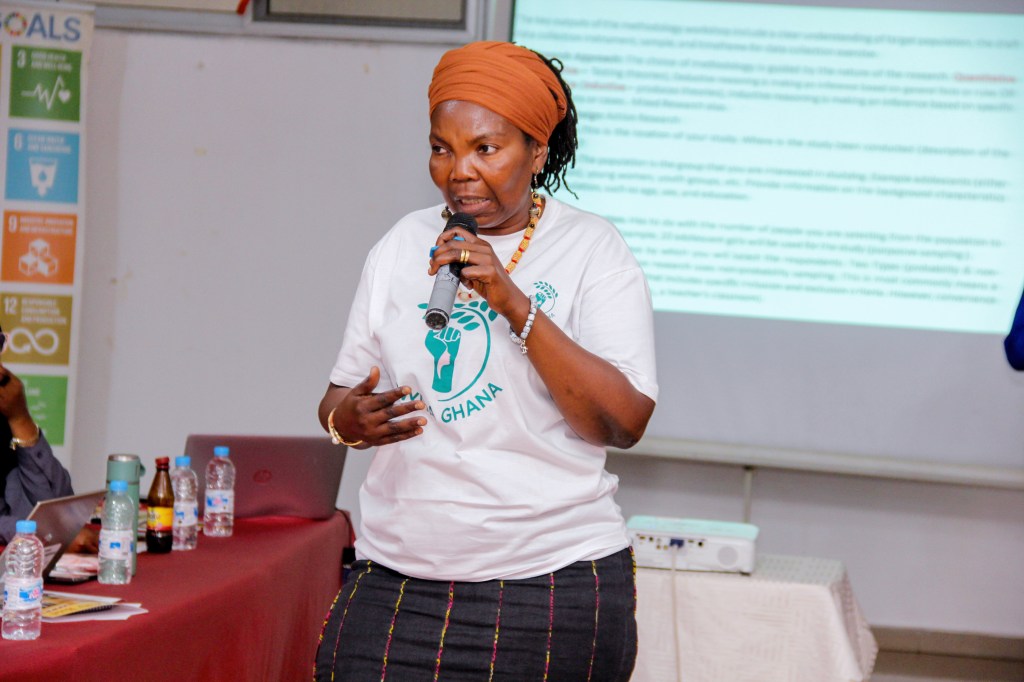
She said “the CSOs present, you have a task to lead in the process of providing solutions to some of the challenges in the public education sector, since you now have increased your capacities in research to present more pressing findings to engage duty bearers”.
Some of the actions agreed on after the workshop included the sustenance of the connections of the various group members, to ensure the discussions continue, for learning and sharing, as well as follow up works on the budget input process, until some results are achieved.
 swidagh.org