
ISSUED IN TAMALE BY HAJIA ALIMA SAGITO-SAEED EXECUTIVE DIRECTOR – SAVANNAH WOMAN INTEGRATED DEVELOPMENT AGENCY GHANA
15TH OCTOBER 2023
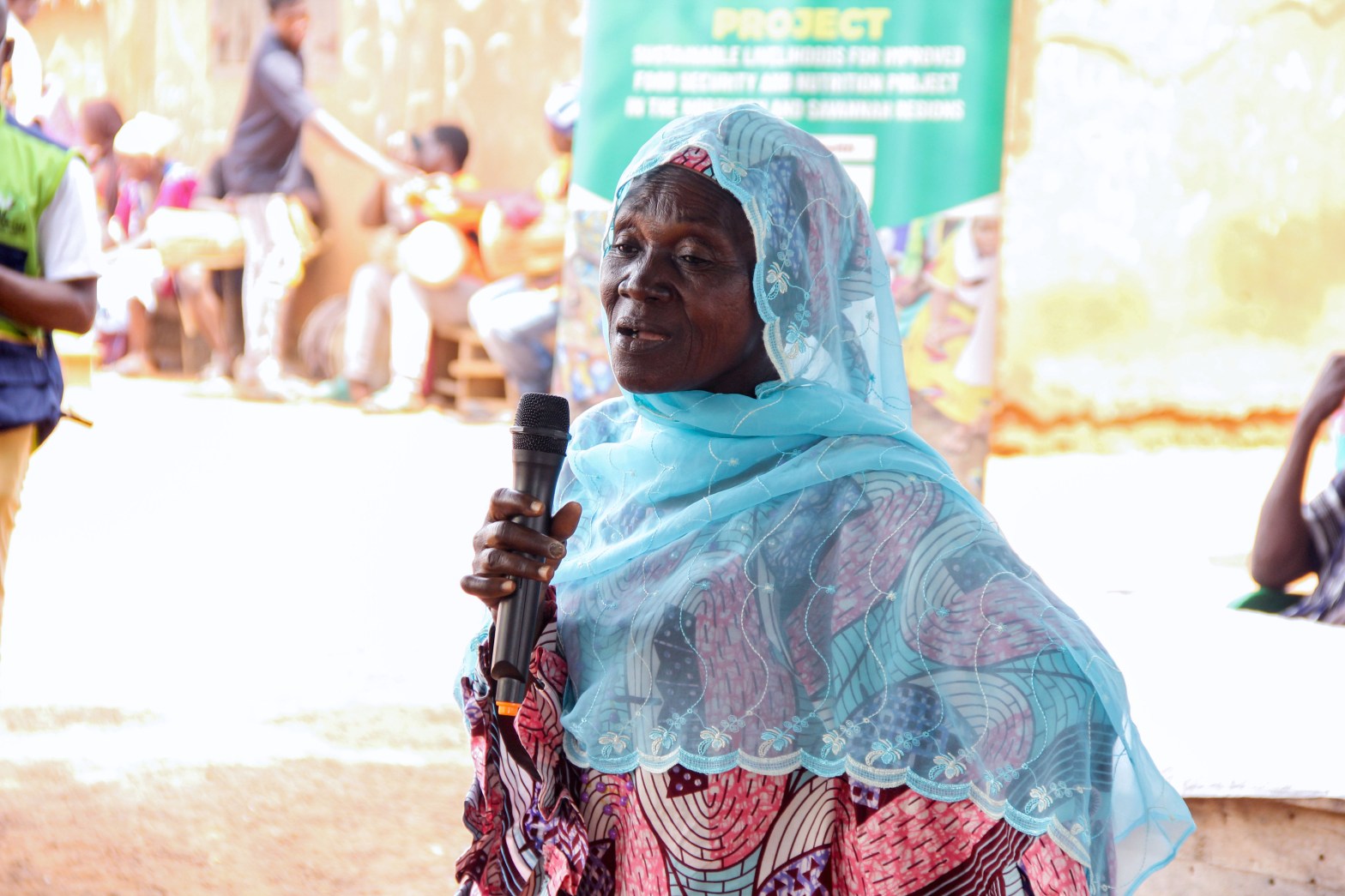
The theme for International Day of Rural Women is Rural Women Cultivating Good food for all. It highlights the essential role that rural women and girls play in the food systems globally. This is from production through to processing, distributing, marketing and consumptions. Women’s labour – paid and unpaid work feeds their families, communities and the world. Yet they have less power with men as a result they earn less income and experience higher food insecurity.
In the rural areas of Ghana, agriculture us a significant source of income and employment. Women are key actors in the agricultural sector, where they constitute more than 50 per cent of the labour force and produce 70 per cent of the country’s food stock and promote nutrition for healthy families though from their subsistence farming limited by access to resources as such control over productive lands, credit, agricultural inputs and information in the mist of climate change and climate adaptation strategies. This hinders their productivity and economic independence
Traditional gender roles and norms persist in rural Ghana, which continue to limit women’s decision-making power and autonomy of rural women. Their lack of decision making power caused by social norms and traditions have equally contributed to their less control over resources and hence may be subjected to increasing gender-based violence.
Rural women often engage in informal economic activities, such as petty trading and handicrafts. Efforts have been made to provide them with training and access to microcredit to enhance their economic empowerment, but challenges remain in terms of market access and capital investment.
It’s important to note that the situation of rural women can vary significantly depending on the region within Ghana. While there are challenges, there are also many resilient and resourceful rural women who are actively engaged in efforts to improve their own livelihoods and the well-being of their communities. Efforts by the government, NGOs, and other stakeholders continue to work towards improving the situation for rural women in Ghana. rural women ensure food security for their communities, build climate resilience and strengthen economics. Yet gender inequality, discriminatory laws and social norms combined fast changing technological environmental landscape continue to restrict their full potential, leaving them behind men. Placing majority of the rural women in a disadvantage points, we want to use this opportunity to ask for the following from Government and other stakeholders in the areas of the theme for this celebrations:
- Improving access to quality education for rural girls and women is essential. This can include building schools, providing scholarships, and promoting gender-sensitive curricula
- Economic empowerment: Implement programs that provide rural women with opportunities for income generation, including vocational training, microcredit, and access to markets. Support women’s entrepreneurship and access to agricultural resources.
- Agricultural support: Develop policies and programs that enhance women’s participation in agriculture and agribusiness. This can include training, access to land and technology, and market
- Social Protection programmes: Implement social safety nets such as cash transfer programs, food assistance, and pension schemes to support vulnerable rural women and their families.
- Invest in rural infrastructure, including roads, electricity, and water supply, which can improve living conditions and reduce the burden of domestic work on women.
- Strengthen legal frameworks and enforce property rights for rural women. This can include land ownership, inheritance rights, and protection against gender-based violence. Emphasis on the full implementation of the 2020 Land Act.
- Digital and information capacity building: Provide training and capacity-building programmes to enhance the skills and knowledge of rural women, enabling them to participate in the digital world, in decision-making processes and community development while improving their innovations. Their understanding of the technological environment will improve their access to information technology and empower them with knowledge to access wider markets.
- Gender equality promotion: Implement policies and programs that promote gender equality in all spheres of life, including participation in local governance and leadership roles.
- Community support: Encourage the formation of women’s self-help groups and community-based organizations, which can provide a network of support and empowerment for rural women.
- Data collection, Monitoring and evaluation: Invest in research and data collection on the specific needs and challenges of rural women to inform evidence-based policy development. Establish robust monitoring and evaluation mechanisms to assess the impact of policies and programs on the wellbeing of rural women and make necessary adjustments.
- Collaboration: Encourage collaboration among government agencies, NGOs, and other stakeholders to pool resources and expertise in addressing the challenges faced by rural women towards sustainable development.
 swidagh.org