
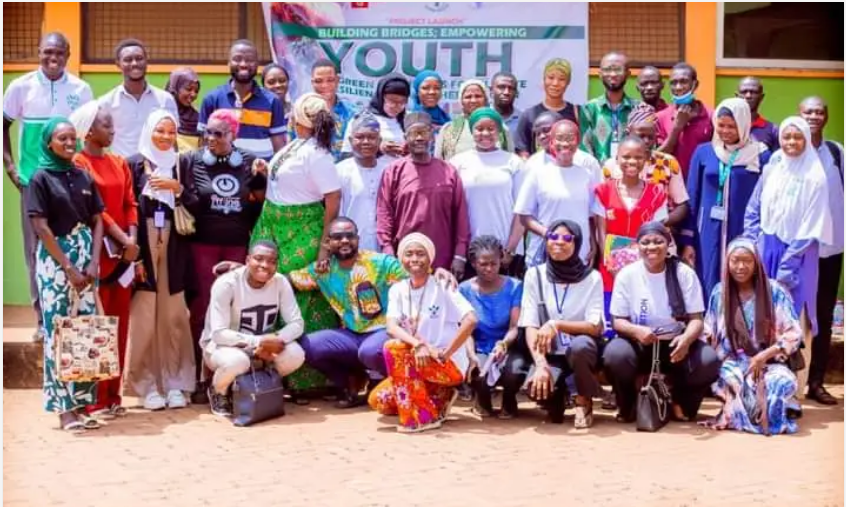
A two-day workshop has been held in Tamale, aimed at building the capacity of some selected community champions on climate change adaptation and mitigating factors.
The other objective was to introduce participants to some local and international guidelines and key concepts on climate change and how the youth can leverage the guidelines to advocate for the protection of lands and other water bodies in their communities.
The workshop was organized by the Savannah Women Integrated Development Agency (SWIDA Ghana), in partnership with the northern regional chapter of Activista Ghana, both NGOs, with funding from the Embassy of Denmark in Ghana.
This activity forms part of the implementation of the project titled “Building Bridges: Empowering Youth as Green Champions for Climate Resilience in Northern Ghana”, which targeted 25 youth groups in the region.
Participants included selected leaders of youth advocacy organizations in Tamale Metro and Sagnarigu and Savelugu Municipalities.
Project Lead for the Building Bridges project, Mr. Oseini Kabiru, speaking during the workshop said this was to empower the youth on how they can actively participate in preserving the natural resources in their communities.
He therefore called on young people to not relent on their efforts to contribute to change regarding climate issues, adding that its impact was posing an existential threat to their overall well-being.
Member of the United Force for Development and Climate Change Reality Fellowship, Mr. Abdul Mumin Yussif, educated participants on some of the national and international frameworks on climate change, as well as how the youth could take advantage of the existing policies to help increase awareness on the issue.
He however encouraged the use of renewable energy, as it helps in reducing carbon emissions and air pollution.
Northern Regional Coordinator for Activista Ghana, Mr. Issahaku Abdul Latif expressed the need for a united voice among young people to help advocate for the implementation of various policies and programmes that best safeguard the environment.
For her part, the Executive Director for SWIDA-Ghana said it was unfortunate that Ghana was signatory to a number of climate change policies but has failed to implement them to enhance the livelihoods of the people.
 swidagh.org