Sexual Violence Affects Women Employment – SWIDA – Gh

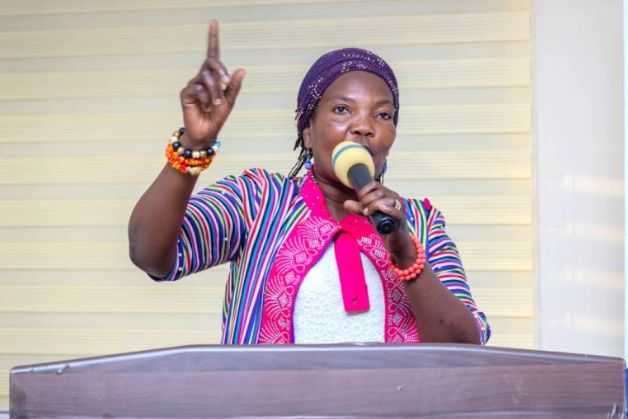
The Executive Director for the Savannah Women Integrated Development Agency (SWIDA – Gh), Hajia Alima Sagito – Saeed has indicated that the rise of sexual violence in West African countries has been affecting women and girls’ employment.

According to her, rape, sexual assault and domestic violence are significantly under reported, especially in Ghana, which mostly affects police capacity to effectively investigate such cases for the perpetrators to be punished.

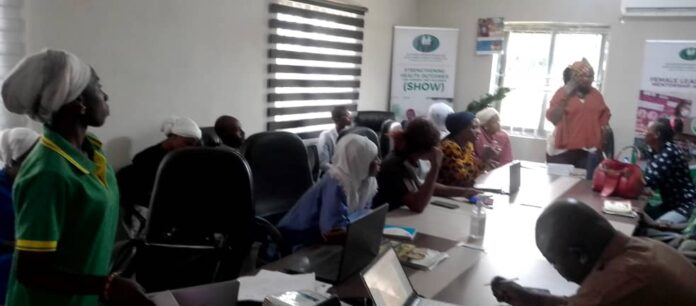
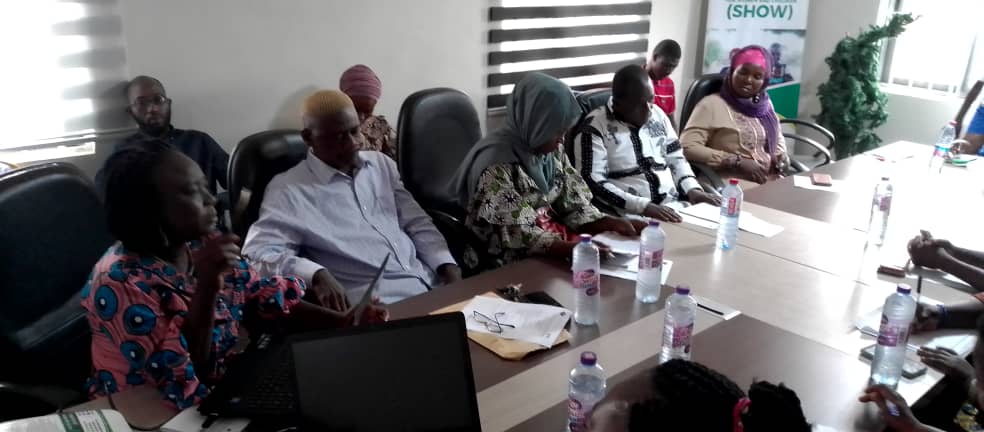
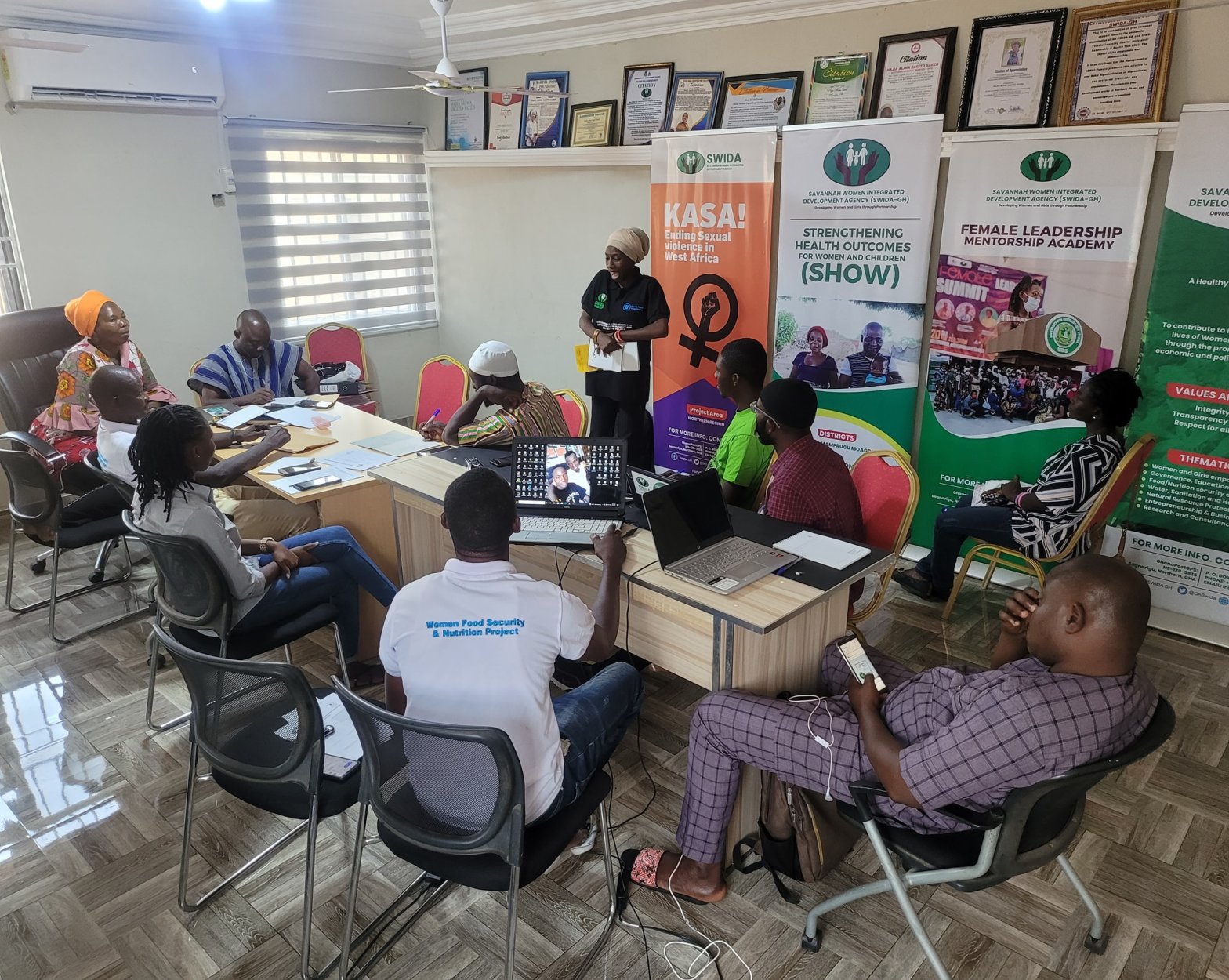
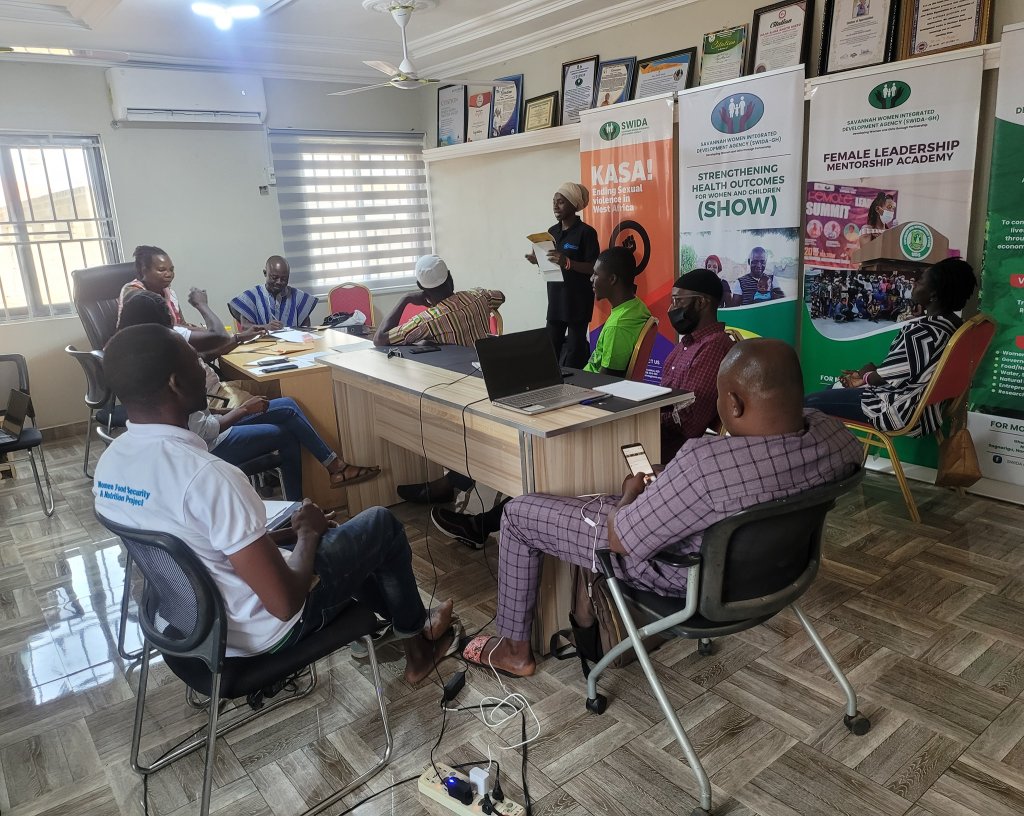
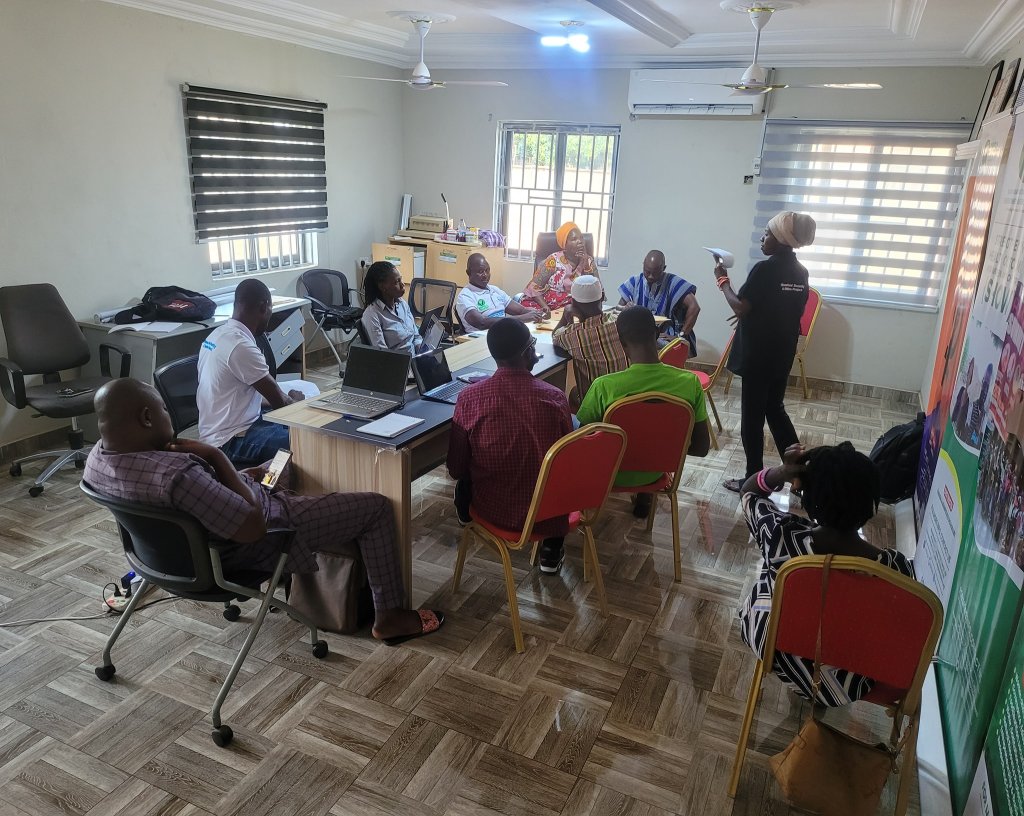
Hajia Alimah said this at the implementation of the Northern Tertiary Women Commissioners’ Convening and KASA Project entry in Tamale, which was also the launch of the project.

The KASA Project being implemented by SWIDA – GH and funded by African Women’s Development Fund(AWDF), connotes to ‘speak’ in the Twi language, which is helping push for an End to Sexual violence, aimed to create awareness on sexual violence as a violation of human rights.

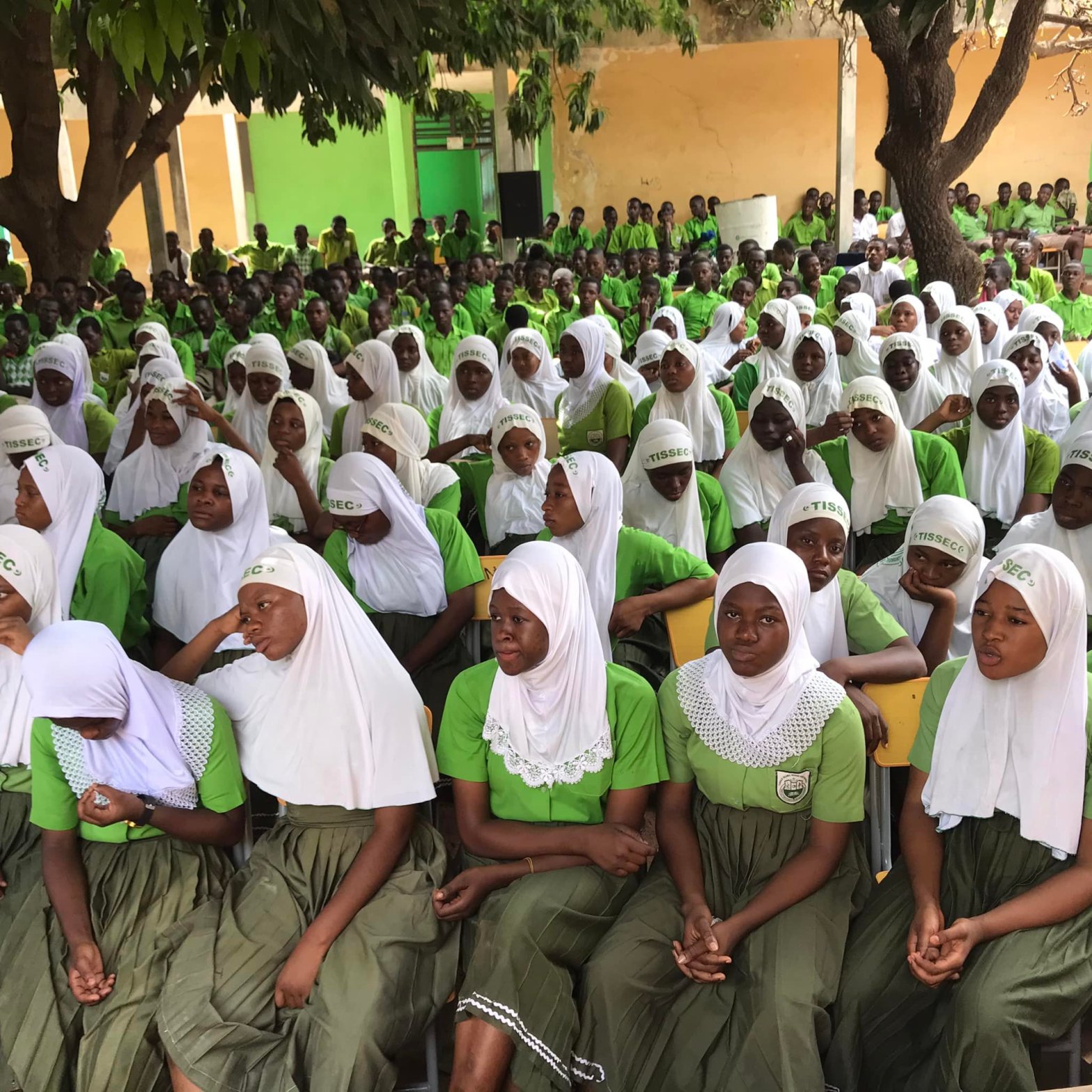
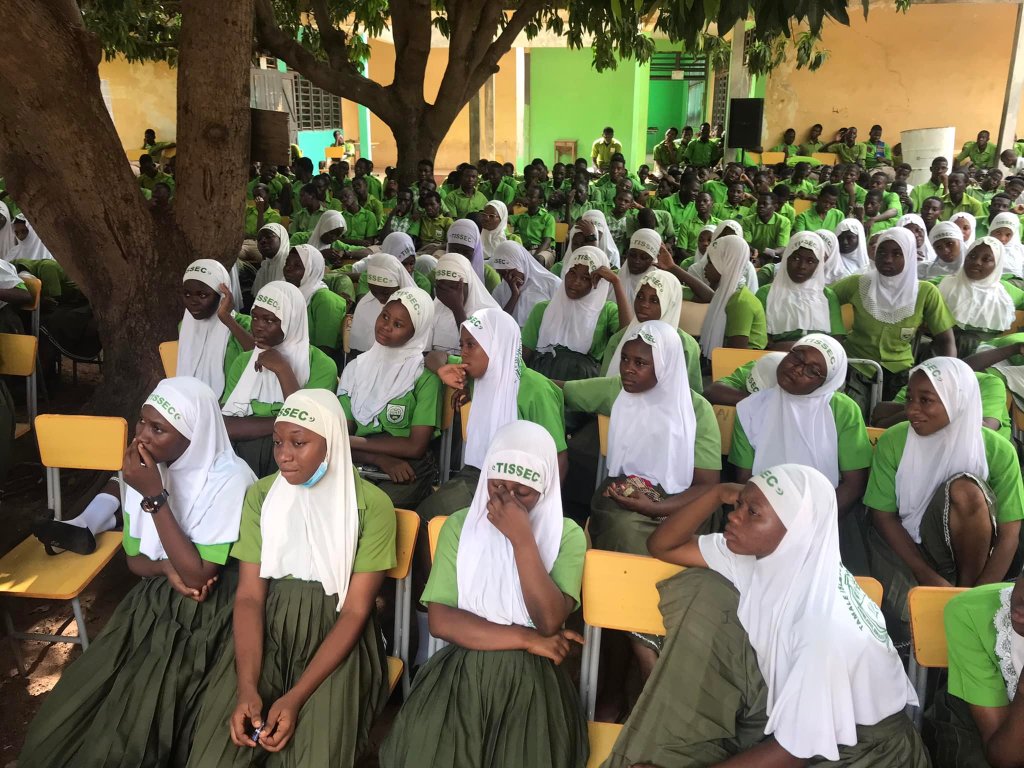
The Project is targeting 200 women leaders at the various tertiary institutions and senior high schools in the northern region, to empower them on critical issues surrounding sexual and gender – based violence in the region and how they can amplify their voices in the fight against this canker.

As part of the project activities, SWIDA – GH and the students will organize radio and social media campaigns against sexual violence and sensitize healthcare professionals and law enforcement agencies to improve services for survivors of sexual violence and hold perpetrators of such crimes accountable.

The event was used to share perspectives on the menace and the role women and girls, as well as stakeholders can play in ending sexual violence in Ghana.

Hajia Alimah added that Sexual and Gender-Based Violence (SGBV) is one of the most prevalent human rights violations in the world, which undermines the health, dignity, security and autonomy of women and girls.

She called on authorities to put measures in place to take action in safeguarding women and children against sexual violence especially in the rural areas.

She also urged various actors from legislators and law enforcement, religious bodies, the media and gatekeepers of culture to play their roles as guarantors of the rights of women and girls, to support the government to prevent sexual violence acts in the country.

Northern Regional Coordinator of DOVVSU, DSP Emmanuel Holortu said less than 20 percent of the sexual violence victims report to law enforcement authorities, which is one of the many hindrances to curbing the menace of sexual violence in the country.

He therefore urged victims to report such cases to the police and cooperate during investigations.

The activity brought together female leaders in targeted educational institutions across Tamale, together with various actors, legislators to law enforcement, religious bodies, the media and gatekeepers of culture.

SWIDA – Gh Provides Nutrition Education to Women

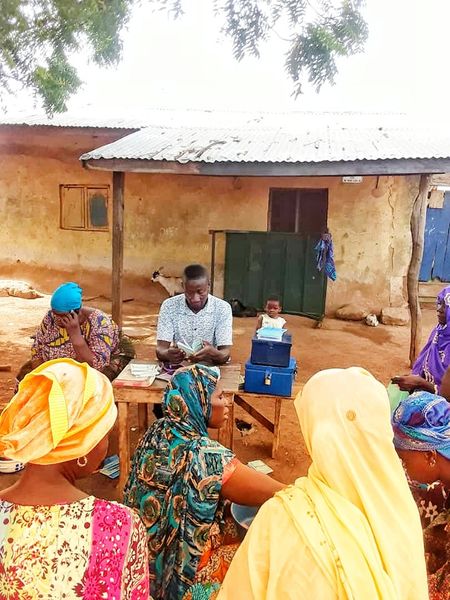
For the past few weeks, SWIDA – Gh’s team of officers have been working with nutrition officers in the districts where the Sustainable Livelihoods for Improved Food Security and Nutrition project is being implemented, to help community members improve their nutrition and general health and hygiene practices.

In this activity under the project, the team has been providing direct education and demonstration on what constitutes good nutrition, as well as the basic necessities and practices on health and hygiene.

This intervention has reached some 3,000 women directly at their points of needs from 30 communities.

The Sustainable Livelihoods for Improved Food Security and Nutrition, is under SWIDA – Gh FLA, which is a partnership between the Savannah Women Integrated Development Agency and the World Food Programme, being implemented in six districts in the Northern and Savannah Regions.

The WFP has a mandate of providing humanitarian relief food assistance in emergencies and work with communities to improve nutrition and build resilience.

Women beneficiaries and participants in the exercise made some revelations to the team, include issues on the choice and combination of food available to them, the cooking, as well as proper breastfeeding methods.

The other issues raised by the women include child care, personal and environmental hygiene and safe water and sanitation.

SWIDA – Gh Facilitates Empowerment Interventions for Peer Clubs

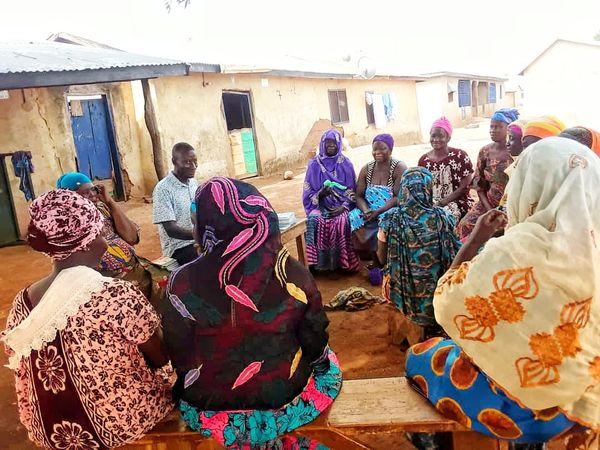
The Savannah Women Integrated Development Agency – Ghana (SWIDA – Gh), through the Strengthening Health Outcomes for Women and Children (SHOW) has been facilitating community men and women clubs with various empowerment drives to boost their levels of engagement with each other and to strengthen their approaches to helping in developing their communities.

The “SHOW” team was in the Mamprugu Mogduru District engaging men and women, who are members of the clubs in the area.

The objective of this engagement is to ensure positive redistribution, recognition and redefinition for unpaid care works at the household levels, particularly in these COVID-19 times.

Youth Urged to be Ambassadors Against Corruption

Hajia Alima Saeed, the Executive Director of Savanna Women Integrated Development Agency (SWIDA-GH), has called on the country’s youth to be committed in the fight against corruption to enhance the country’s development.

She called on them to be active in keeping a close eye on government activities and hold politicians accountable to deliver on their promises.

Hajia Saeed made the call at the International Day of Anti-Corruption celebration in the Savelugu Municipality of the Northern Region.

Read more here… https://newsghana.com.gh/youth-urged-to-be-ambassadors-against-corruption/

SWIDA – Gh Officers Receive Training to Aid Implementation of “SHOW” Project

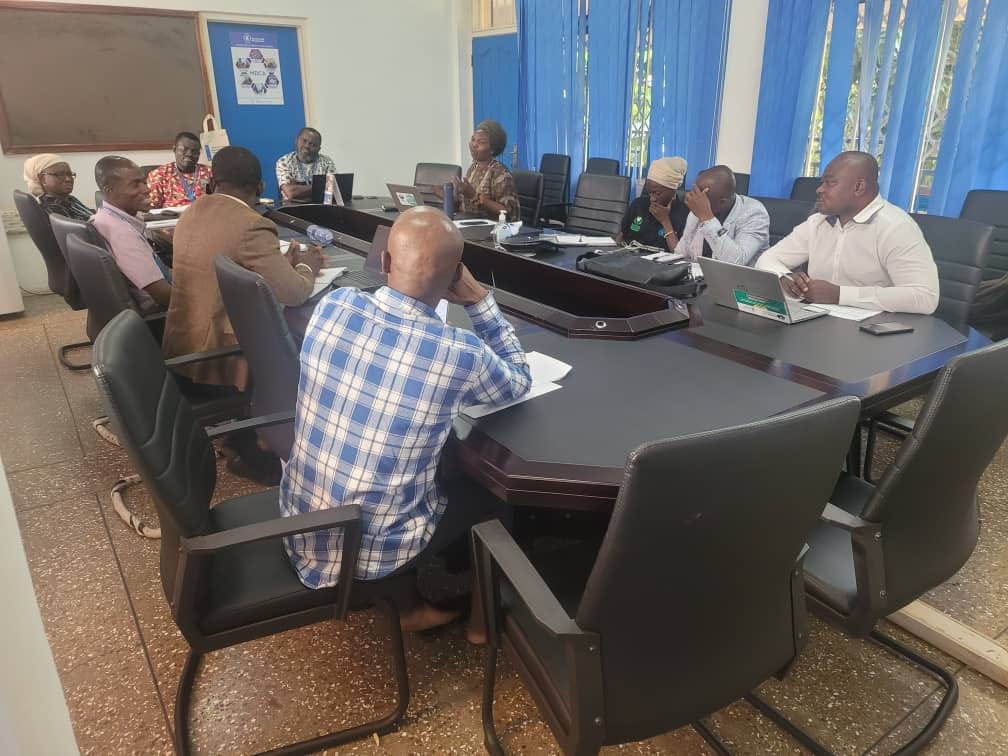
The Officers of the Gender and Communications Department of SWIDA – Gh, Khadijah Abdul Samed and Mohammed Fuseini, together with other officers, have been receiving training, as trainers on the “Strengthen Health Outcomes for Women and Children” Project.

The “SHOW” project, aims to promote gender equality and equitable distribution, as well as tackling the issue of unpaid care work.

The project also seeks to promote safe spaces, where men can identity and reflect on challenges during the pandemic, relating to support for women before, during and after pregnancy.

The project lead officers, Khadijah and Fuseini, were taken through the management skills and were shown the key approaches to smoothly implementing the “SHOW” project.

The Savannah Women Integrated Development Agency (SWIDA – Gh) will be implementing the project in the Karaga and Mamprugu Moagduri Districts of the Northern and North East Regions respectively.

The “Strengthen Health Outcomes for Women and Children” Project is being funded by Plan International Ghana.

Pictures: Training Support by SWIDA – Gh to women farmers on Avoiding Post – harvest Loss

This for harvesting season’s training on post – harvest is from field to the home (storage).

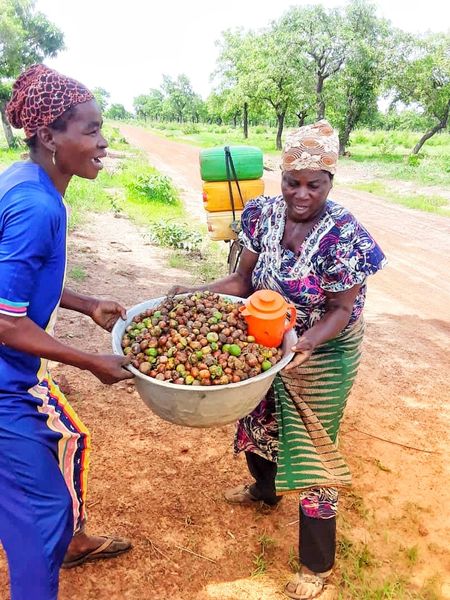
Appreciation to WIAD and AEAs in Mion District for the knowledge and skills transfer to the women farmers. SWIDA – Gh is reaching over 4000 women farmers in 6 districts, with this post – harvest management. This is in partnership with the World Food Programme.

Pictures: SWIDA – Gh’s Visit to Tamale Girls Senior High School After Win of AfriYouth Impact Challenge

The team of SWIDA – Gh paid the visit to the Tamale Girls SHS to congratulate them for emerging winners of the AfriYouth Community Impact Challenge, after being sponsored by the organization.

The school came out as winners as they contested with three other schools. The Headmistress of Pag’naa expressed gratitude to SWIDA – Gh for the support, as she shared other areas that could be looked into, for the guiding of young females in Tamale.

SWIDA – Gh promised to commit to rolling out other interventions that would empower the female students to become confident, assertive, as well as increase their exposure to more impactful platforms.

Pictures: SWIDA – Gh begins Activities to Commemorate 16 Days of Activism – 2021

He4She Male and Female Leaders group discussions in schools in target communities, under the Women – LEAD project.

The youngsters discussed issues on violence against women and girls as they see them at the community and school levels.

Videos were shown to the participating schools, to make the decisions more engaging and interesting.

More on this year’s 16 Days of Activism here.