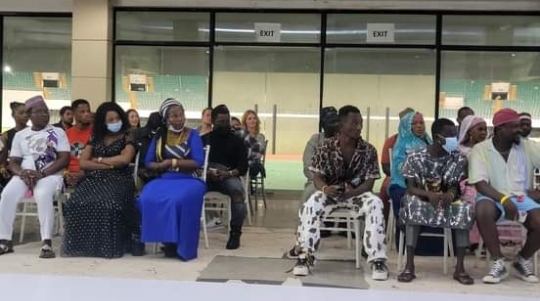
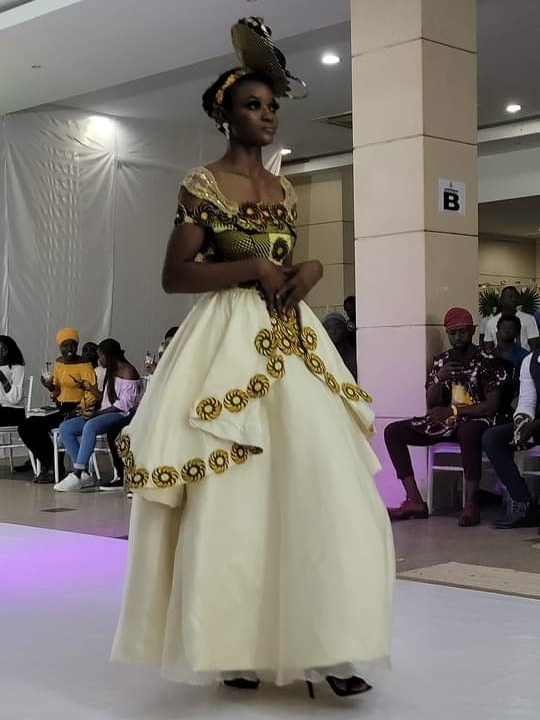
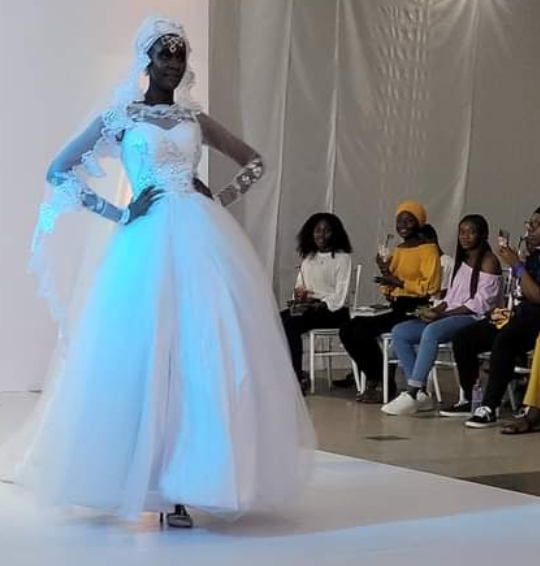
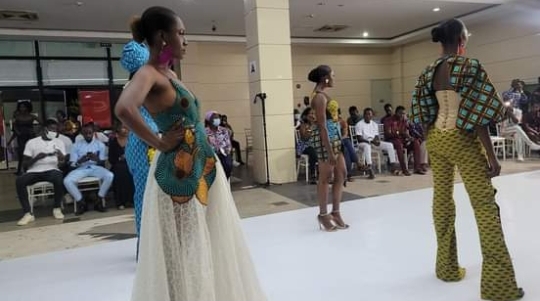
The TRENDS RUNWAY SHOW; a fashion show, projecting African Trends Complementary.
SWIDA – Gh was made a part of the show because its interest in youth development.



Savannah Women Integrated Development Agency
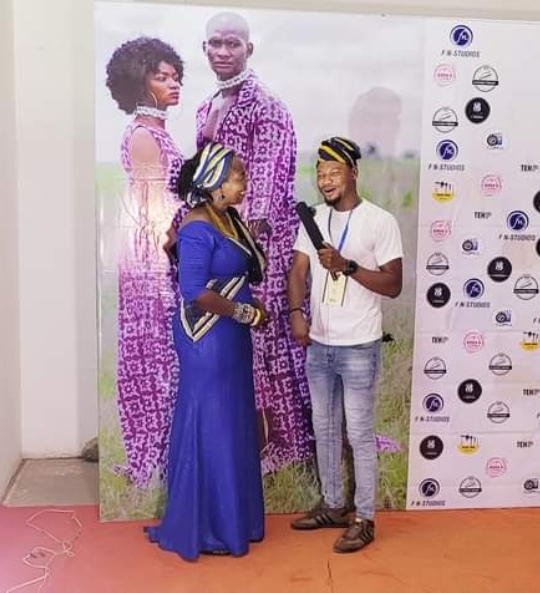
The TRENDS RUNWAY SHOW; a fashion show, projecting African Trends Complementary.
SWIDA – Gh was made a part of the show because its interest in youth development.

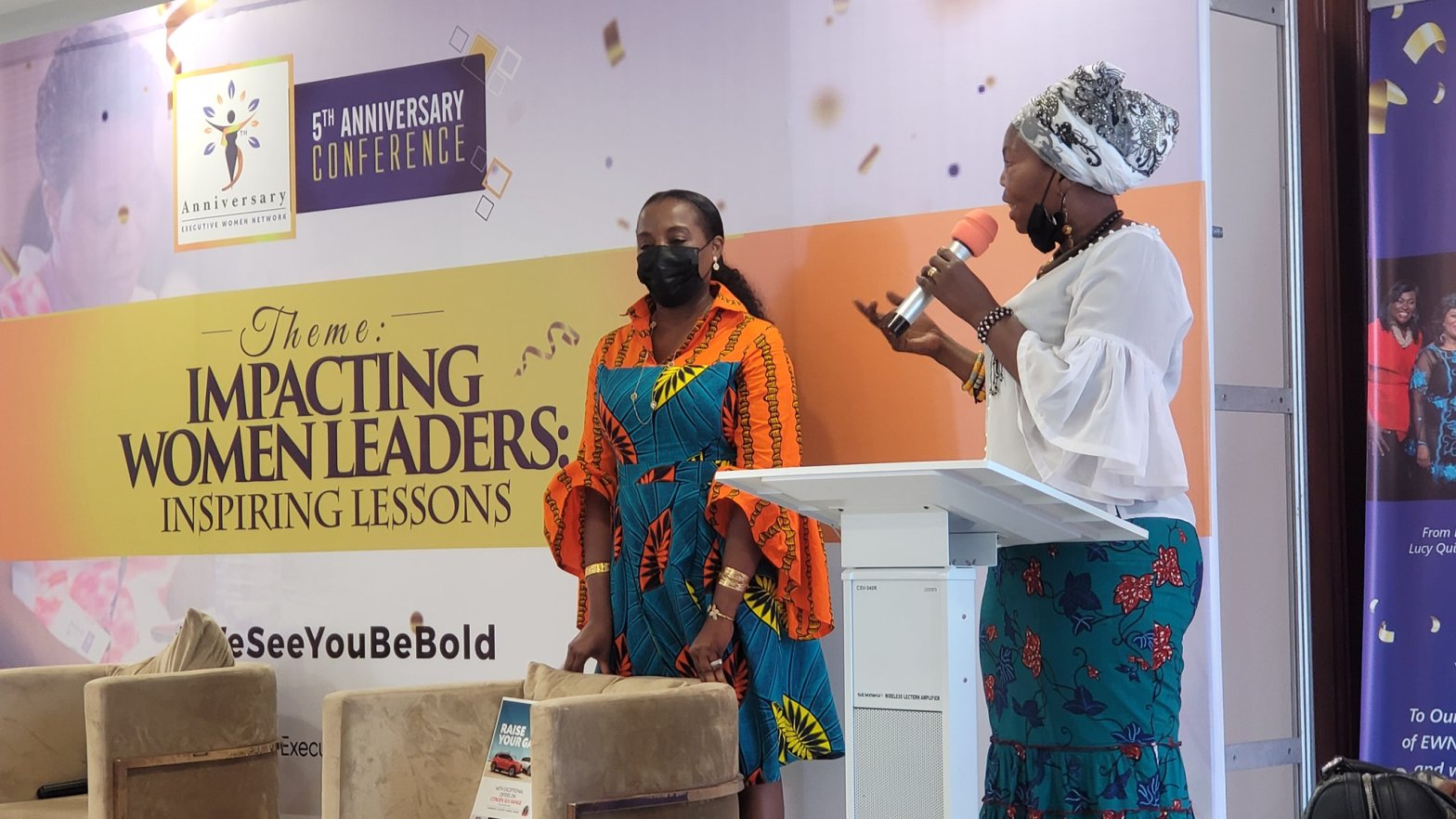
The Savannah Women Integrated Development Agency (SWIDA – Gh) is partnering the EWN Northern Hub to implement its CRS project “FUTURE EWN CLUBS” in Tamale.
A total of 5000 females in SHS and Tertiary schools in the North are direct beneficiaries of the “FUTURE EWN CLUBS” project.
The project, led by Rhoda Kadoa Wedam, is a mentorship and Coaching programme, expected to guide the female beneficiaries in the target areas with information and training.
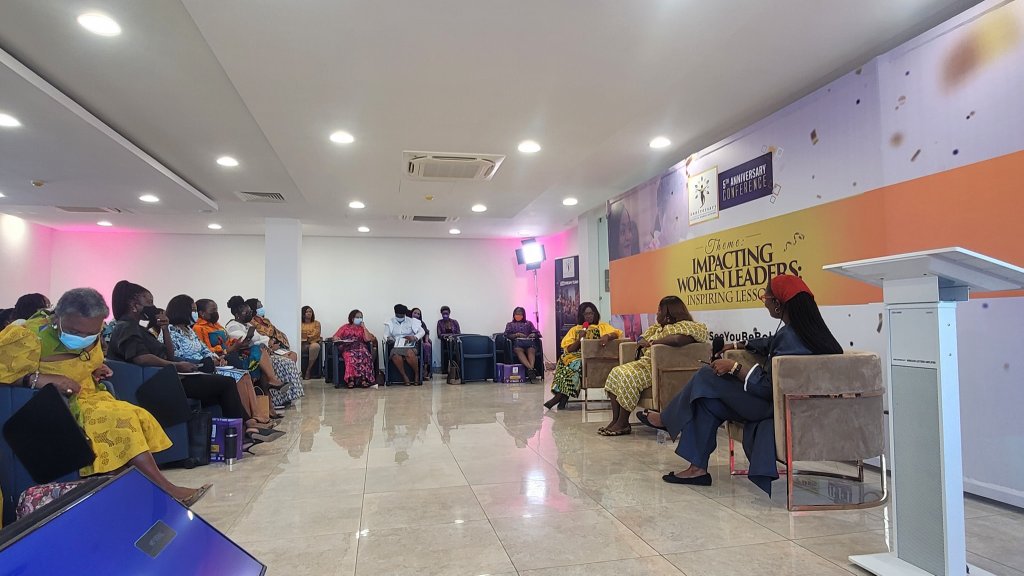
During the launch of the project led by the Executive Committee of the EWN, the project lead, Rhoda Kadoa Wedam thanked SWIDA – Gh for accepting the responsibility of implementing the project to help the women in the target areas.
The choice of SWIDA – Gh was based on its female Leadership academy concept of systematic delivery of leadership, mentorship and Coaching services to young females with proven records of successes.
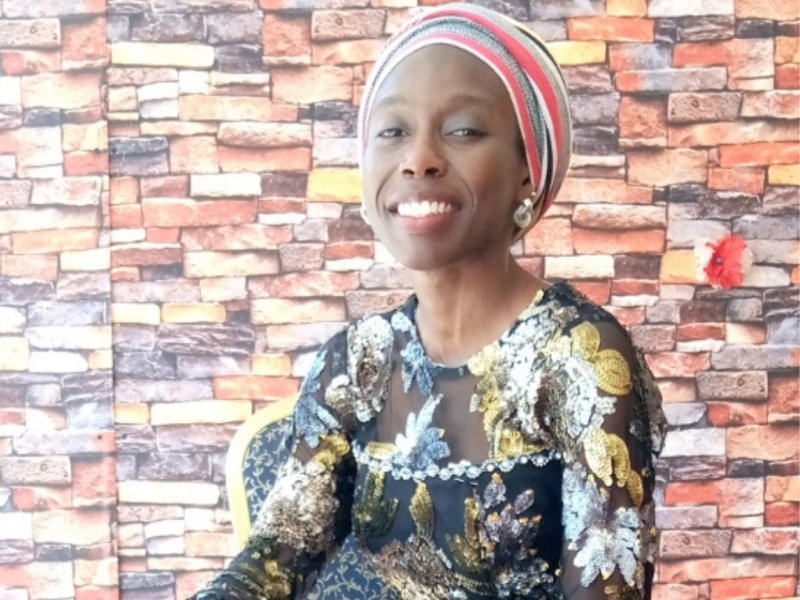
Savannah Women Integrated Development Agency (SWIDA – GH), a non-governmental organization, has called on stakeholders in the agricultural sector to empower rural women farmers with adequate information on modern agricultural practices for increased productivity.
Ms. Khadijah Abdul – Samed, Communication and Gender Officer at SWIDA – GH, who made the call, said the move would equip rural women with skills and knowledge to boost their productions to improve on their livelihoods.
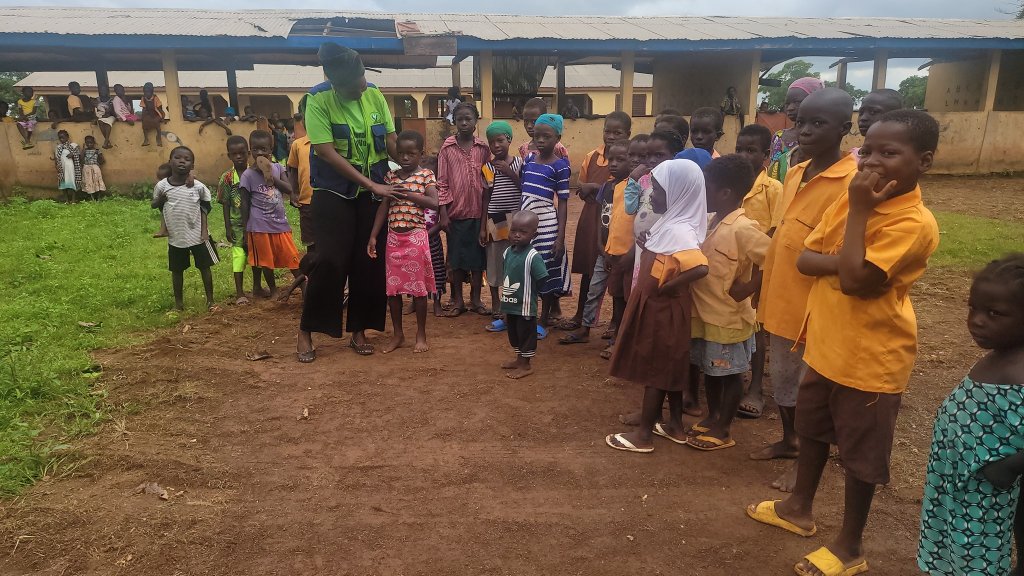
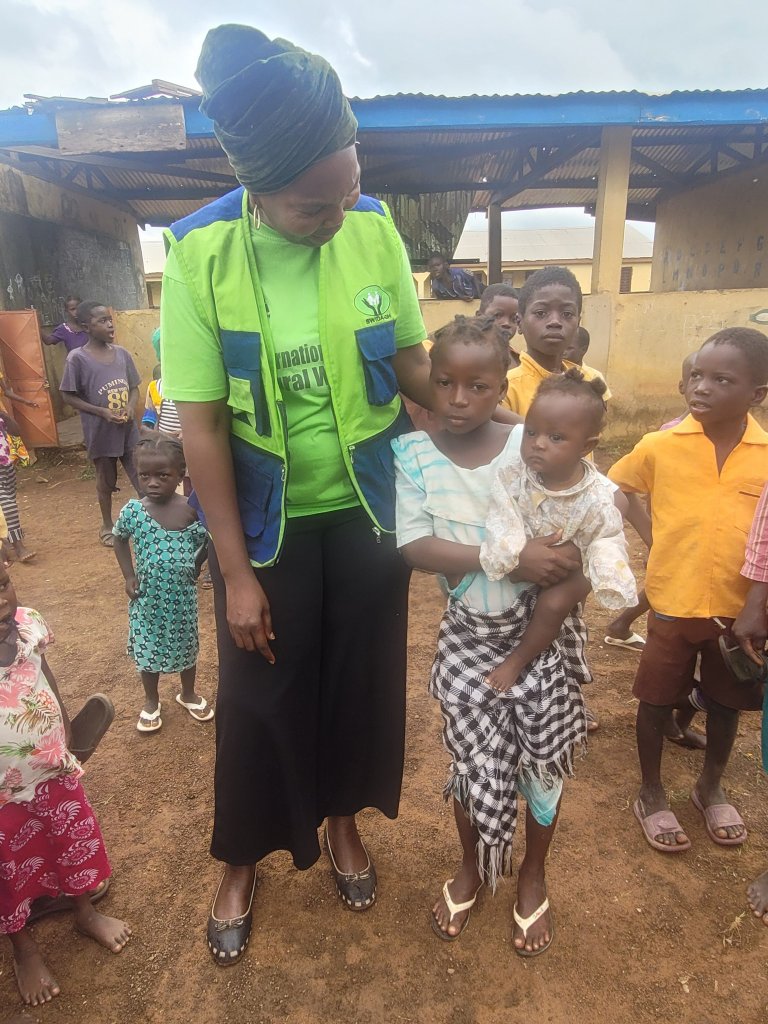
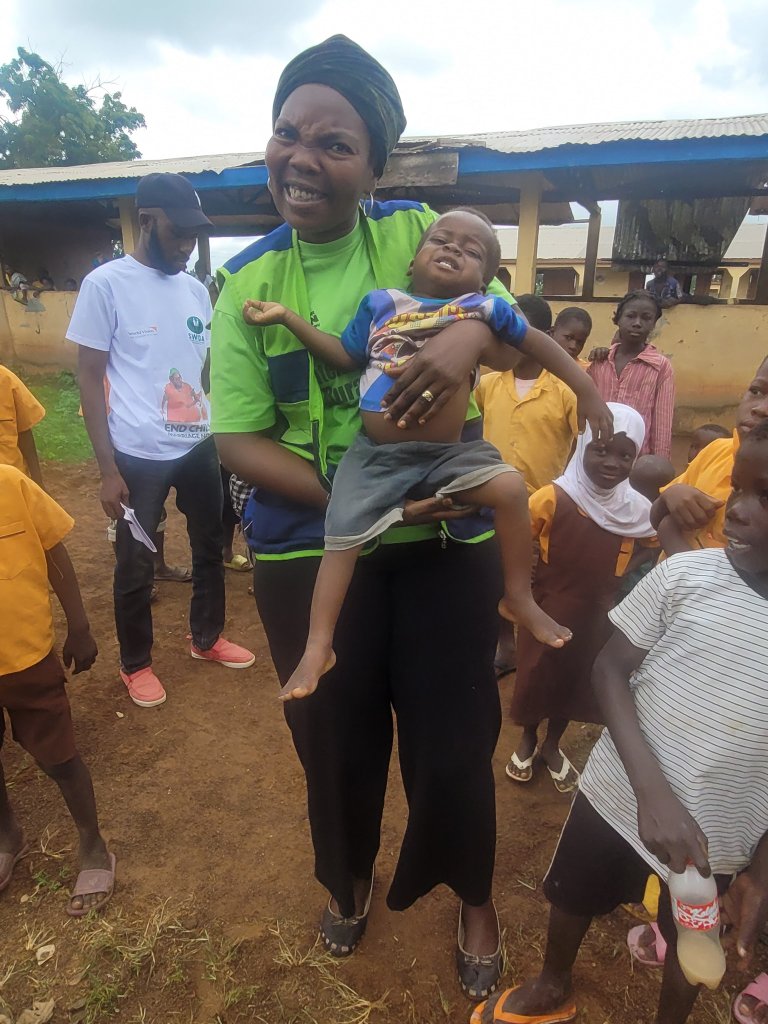
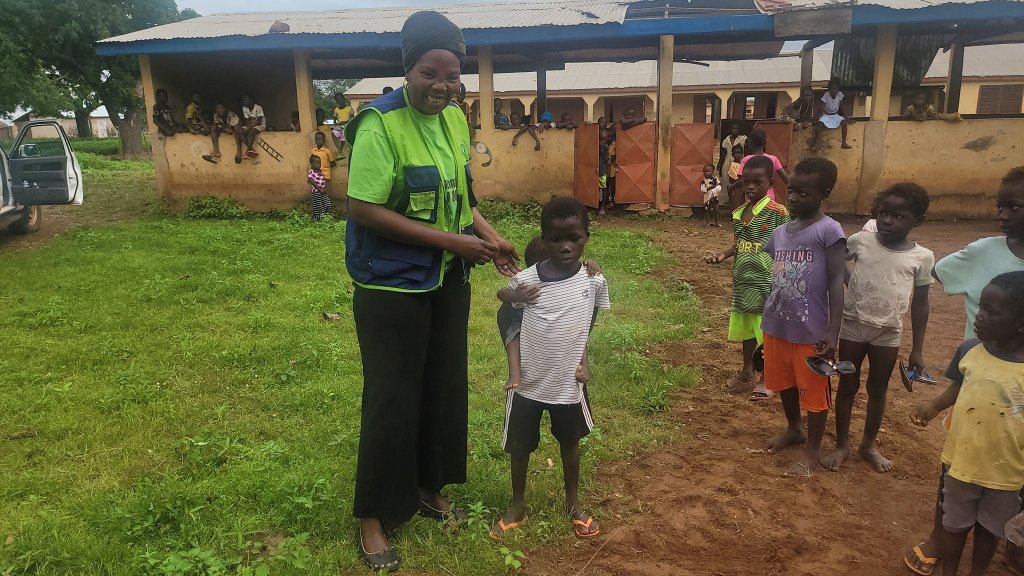
She was speaking at 2021 International Day of Rural Women celebration, organized by SWIDA – GH in collaboration with World Food Programme at Zoggu, a farming community in the Nanton District of the Northern Region.
The celebration was on the theme: “Rural women rise and claim your basic rights to Sustainable Development – SDG Agenda 2030”.
It was part of planned activities towards the launch of ‘Sustainable Livelihoods for Improved Food Security and Nutrition’ project that would be implemented by the NGO in partnership with the WFP.
Ms. Abdul – Samed said majority of rural women were engaged in agriculture, but were confronted with challenges, including; access to information on modern ways of practicing agriculture.
“Our rural women are mostly disadvantaged when it comes to information on issues like climate change and its related matters, and these are issues that are critical to the development and sustainability of agriculture, which the women need to have access to”, she indicated.
She said the provision of adequate and timely information on modern agricultural practices to rural women farmers would guarantee food security and alleviate poverty in rural areas.
Ms. Abdul – Samed added that “women in the agricultural sector contribute to the development of the country, and so government and other stakeholders need to implement interventions that would cater for their plights to ensure their well-being”.
Madam Fauzia Sadic, Head of Women in Agriculture Development (WIAD), who spoke at the event, emphasized on the need for stakeholders to build the competencies of rural women farmers on innovative ways to produce quality products that would meet world market standards.
She said “we cannot leave women out in the agricultural value chain, so it is important that we build their capacities to take advantage of emerging opportunities in the agricultural sector to help improve on their livelihoods”.
Mr. Mumin Issah, Head of ‘Sustainable Livelihoods for Improved Food Security and Nutrition’ Project at SWIDA – GH, highlighting the project, said it would empower women farmers to be economically resilient to withstand food and nutrition security shocks through value chain activities in crops, Shea plantation and agro – forestry as complementary income generating ventures.
“It will also improve on equitable access to social services for women and girls to contribute to their enhanced well – being, and be implemented in the Northern and Savannah Regions”, he added.
The International Day of Rural Women is celebrated annually, to recognize the roles and contributions of rural women in enhancing agricultural and rural development, improving food security and eradicating rural poverty.
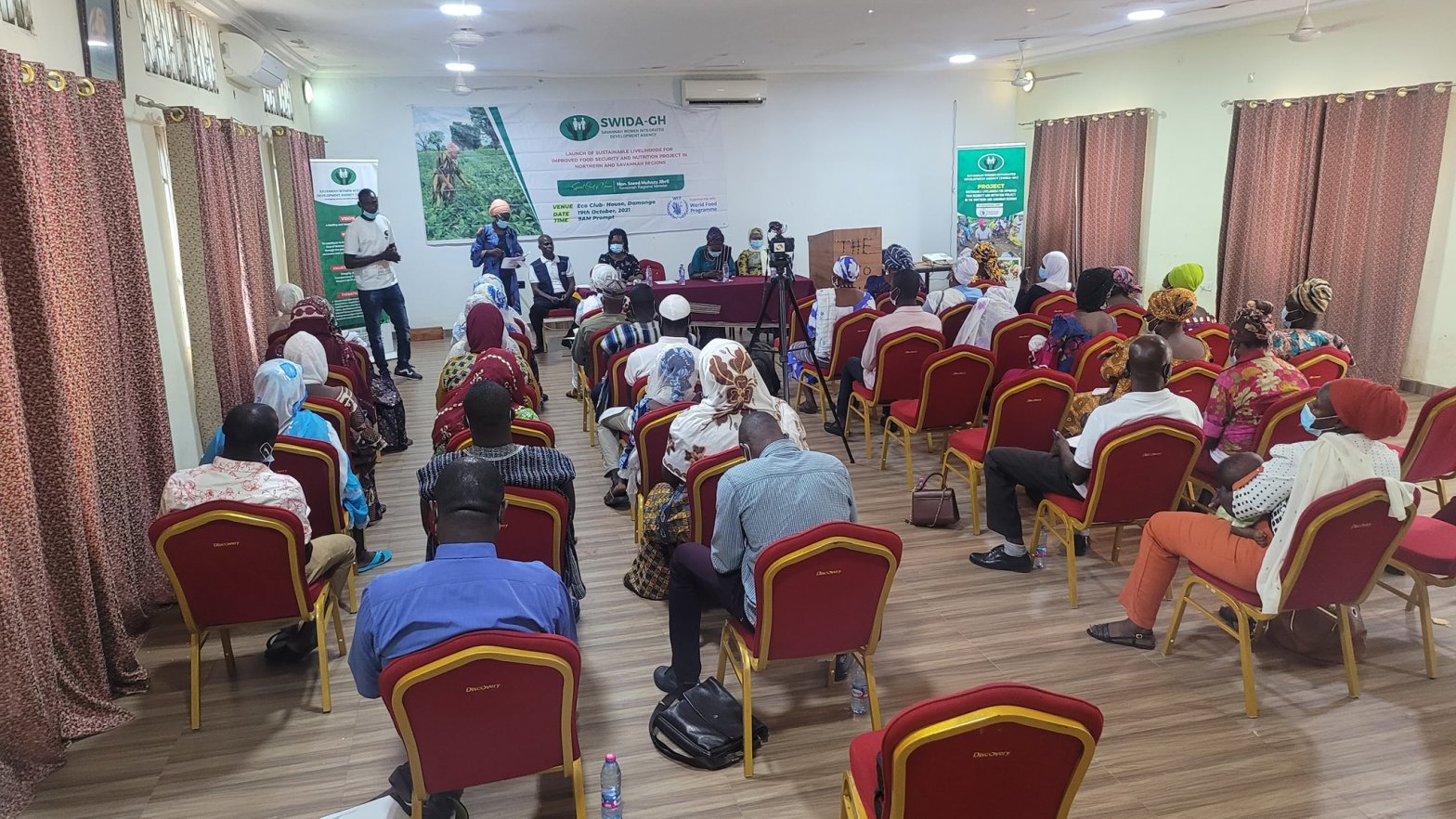
The Savannah Women Integrated Development Agency (SWIDA – Gh), has launched a project titled “Sustainable Livelihoods for Improved Food Security and Nutrition” to help in improving nutrition among the people in some deprived communities in the Savannah Region.
The project, which was launched in Damongo, the regional capital, brought some key officials from the World Food Programme to see to the kick – off of the project.
Regional directors of various government institutions were also present at the launch, as well as women in agriculture development officers (WIAD), queen mothers, leaders of women groups from beneficiary communities and development partners.
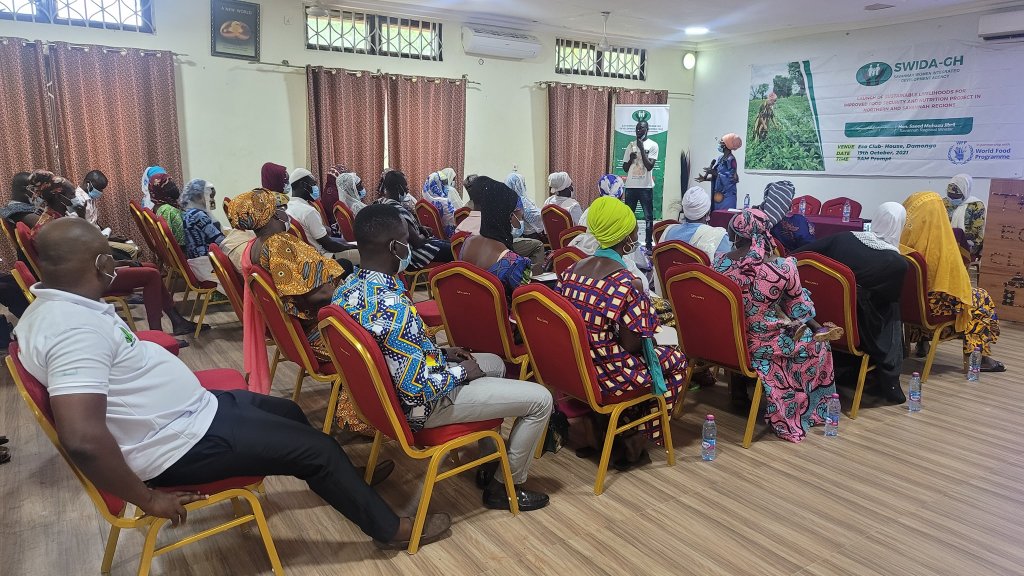
The project which is expected to last six months will focus on empowering women with skills that will make them more resilient, as it enhances their ability to practice climate SMART agriculture.
They will also be trained in agribusiness and e-banking, both aimed helping improve their agricultural activities to business.
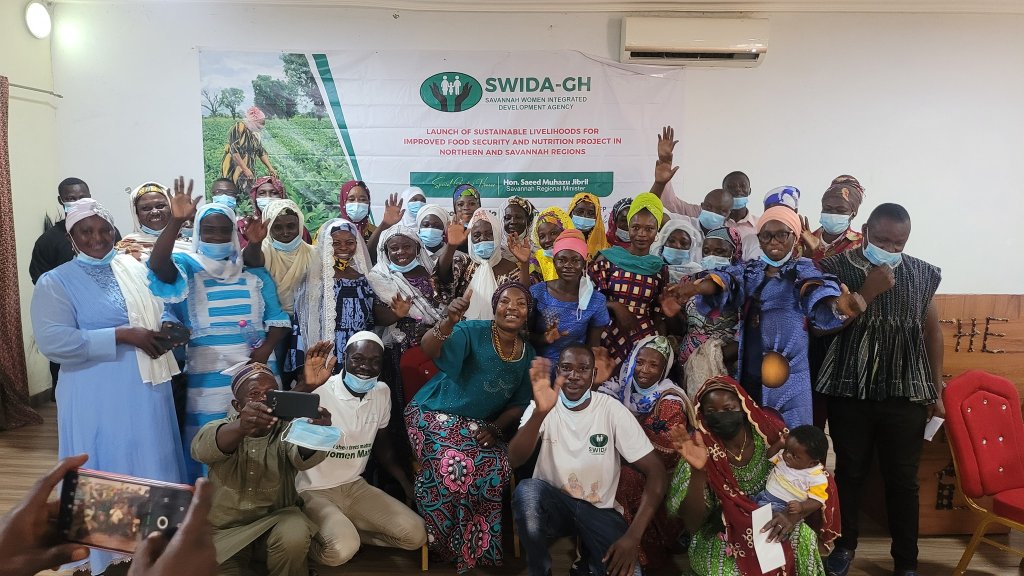
The “Sustainable Livelihoods for Improved Food Security and Nutrition”, is funded by the World Food Programme, and will be implemented in selected communities in the Savannah Region.
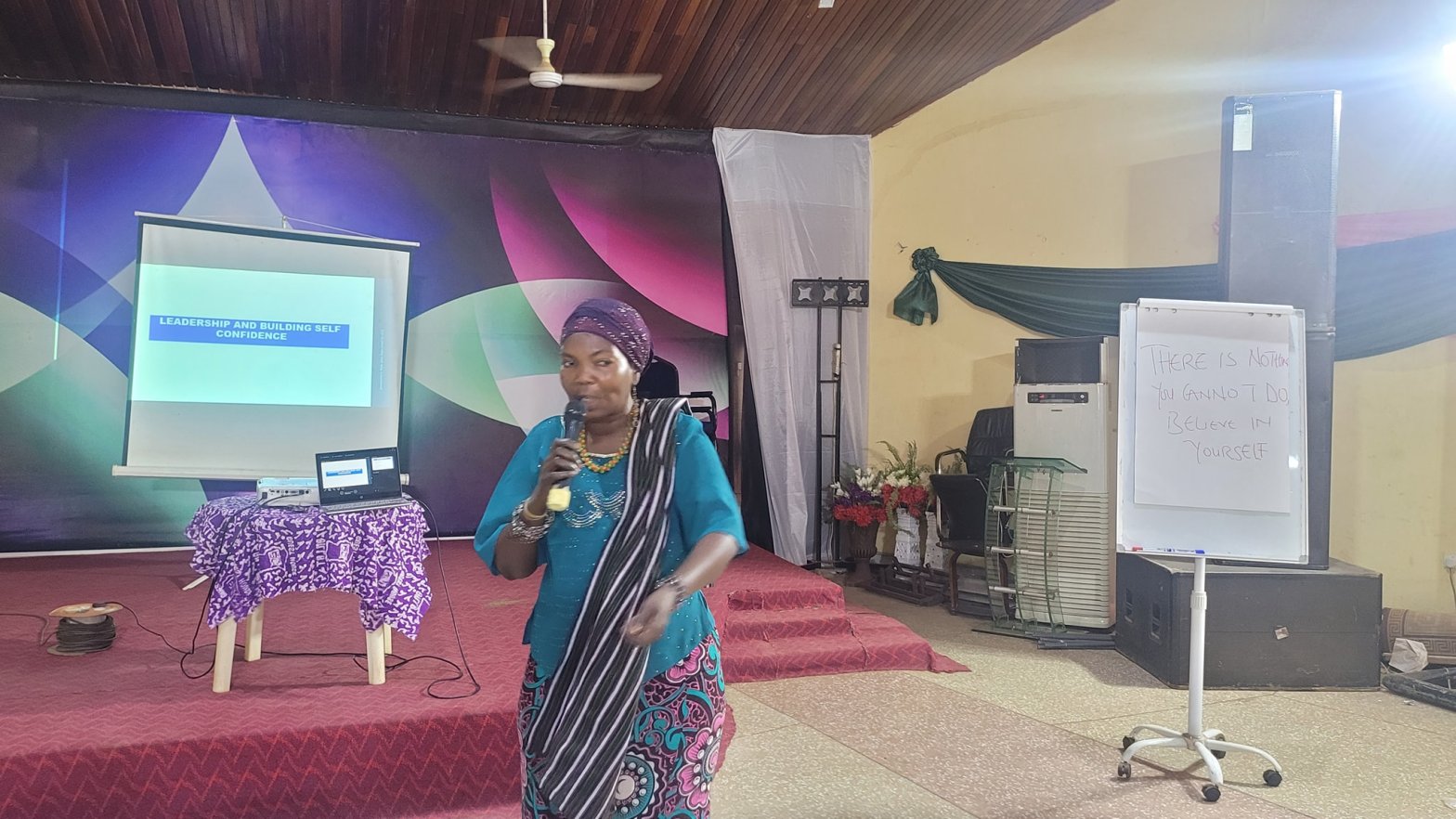
Executive Director for the Savannah Women Integrated Development Agency (SWIDA – Gh), Hajia Alimah Sagito – Saeed had been selected as one of the trainers for the WEE-NORTH CANADA Females in Industrial Jobs.
This training was carried out during a week’s capacity building camp in Tamale.
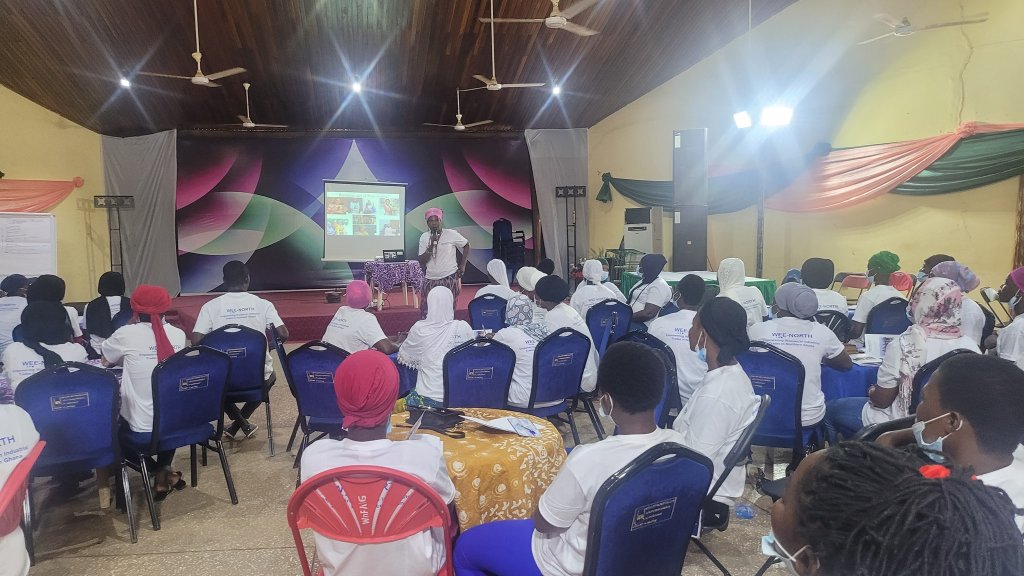
Hajia Alimah was key facilitator for two important sessions, which were expected to build the capacity of the female, to help her overcome some societal fears and carrier barriers.
These sessions are leadership – types and style, as well as leadership skills and building self -confidence.
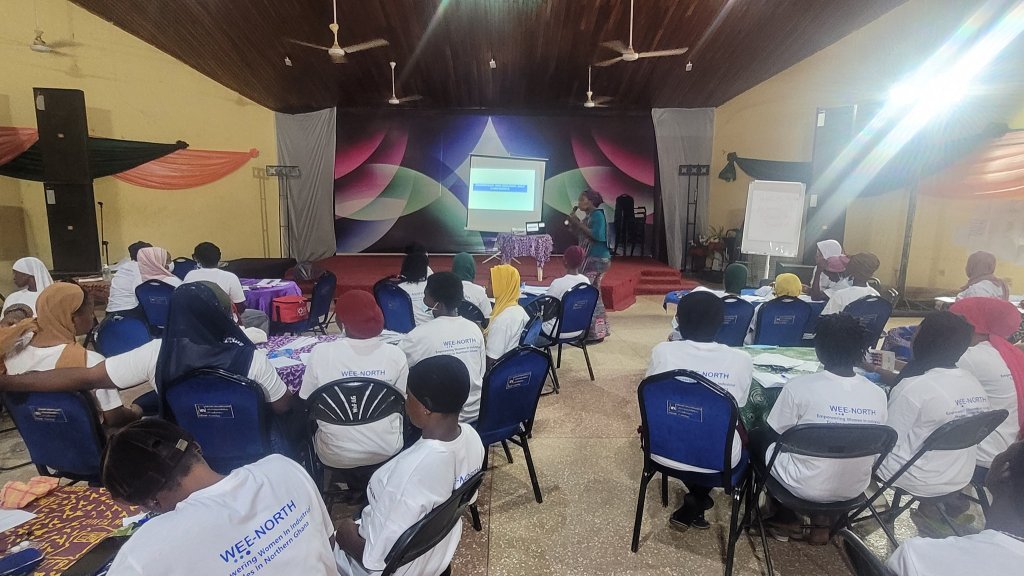
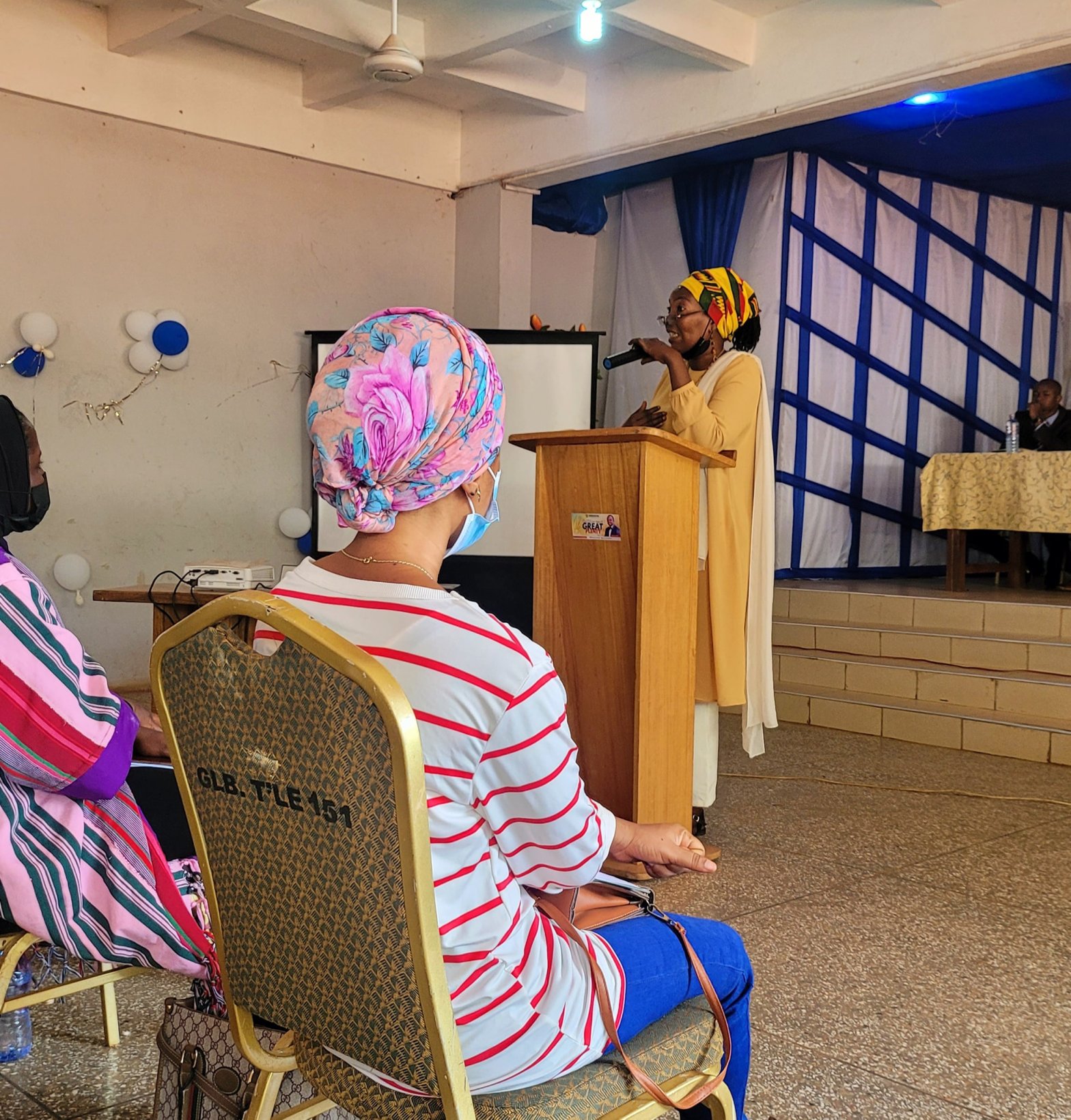
Over 120 females from different industrial professions were brought together in the camp, as the beneficiaries of the capacity building aimed at helping bridge the gap between the male and female in terms of overcoming societal fears and taking advantage of available opportunities.
As part of the training, Hajia Alimah encouraged the women to move beyond the excuses society has created, including the notion that the industrial field is an area for men. She said the woman can be what she wants to be if she puts her mind to it and acts.
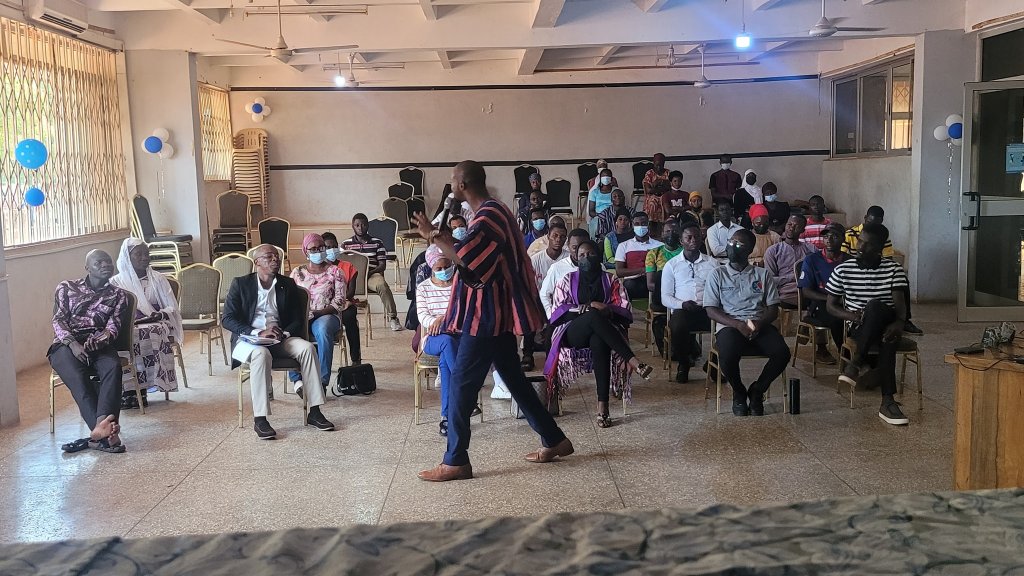
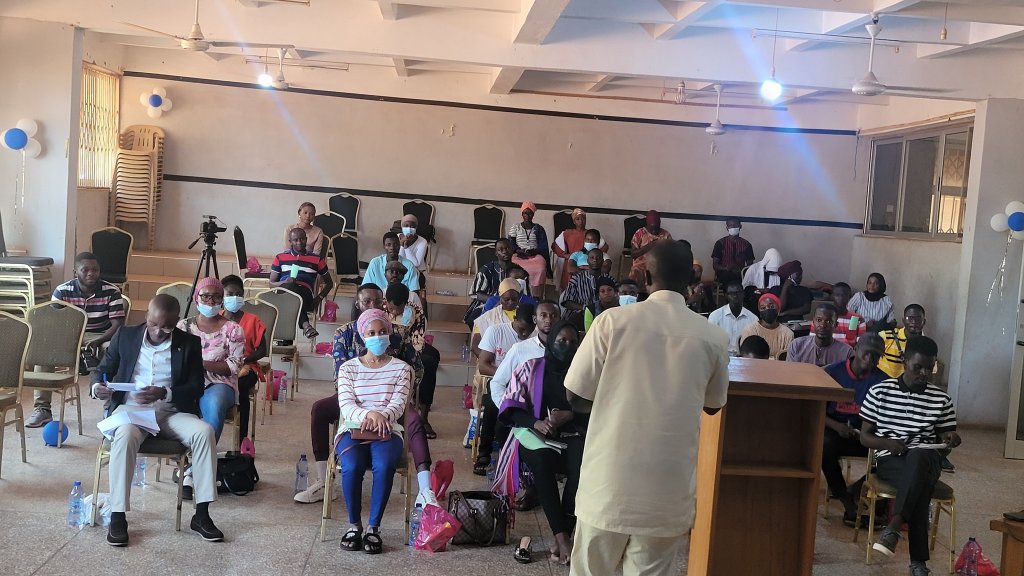
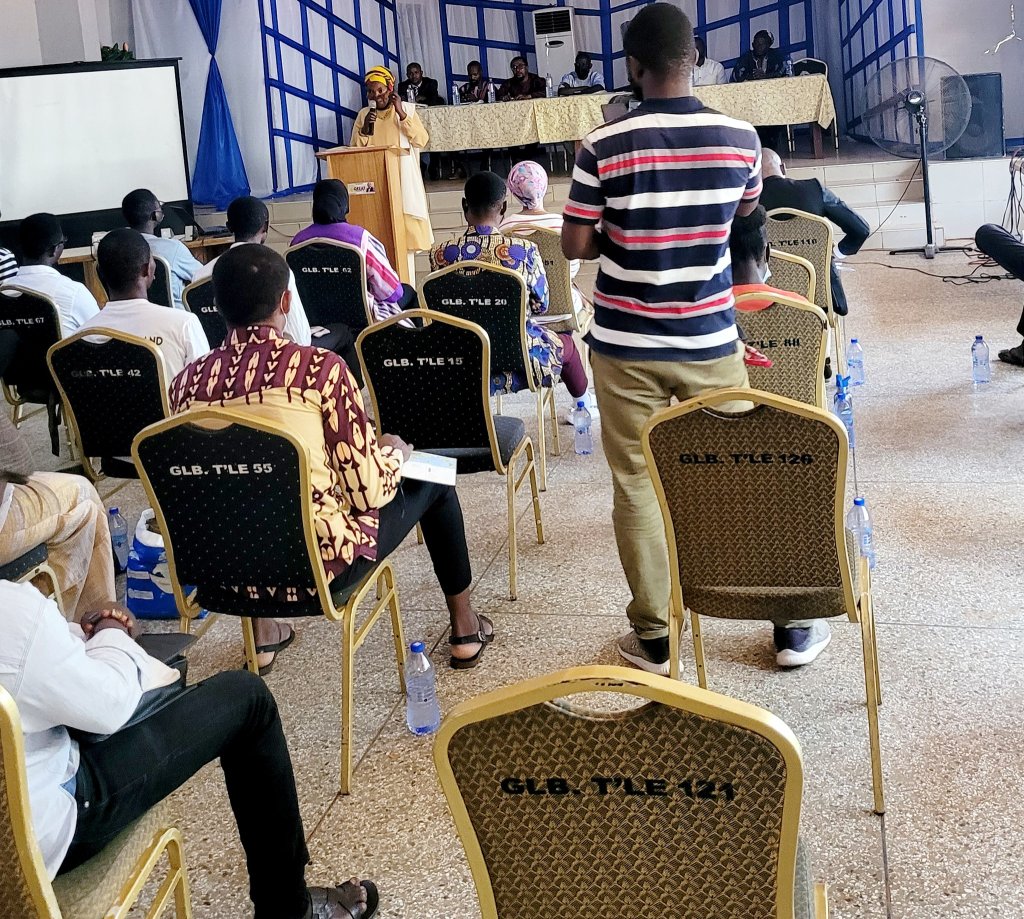
Speaking to over 50 young people at the Tamale Regional Library as a Relationship Coach, Executive Director for the Savannah Women Integrated Development Agency (SWIDA – Gh) shared some tips with the youth on the importance of “Relationship and Finance; how they each affect the other”.

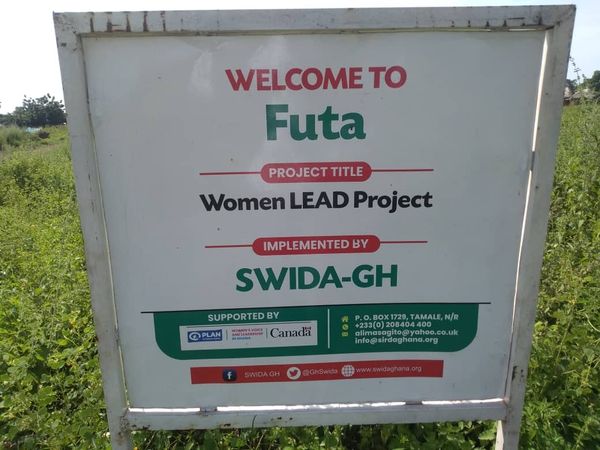
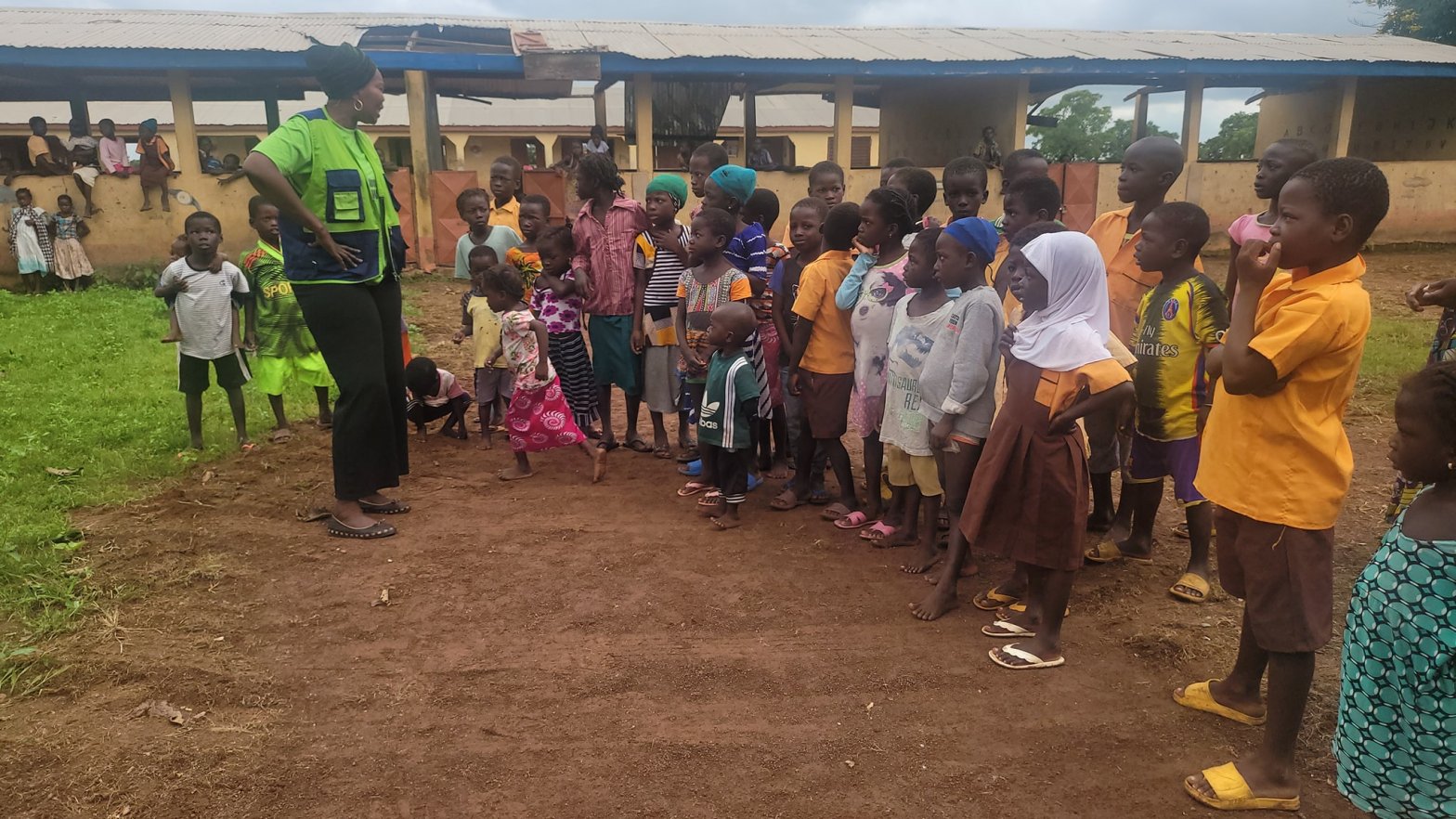
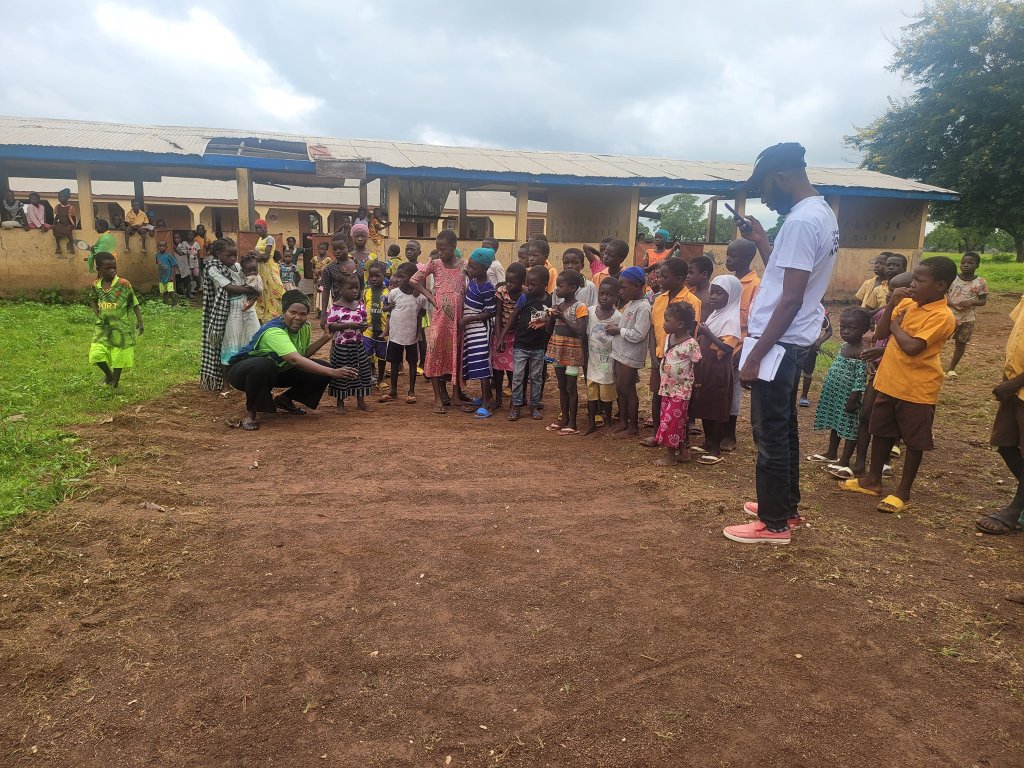
Futa is a deprived community in the Tamale Metropolis, with only one school, which has a population of about 100, from primaries 1 to 6.
The school has no library and other facilities to aid in improved learning for the pupils, making their performances poor year – in – year – out.
The Savannah Women Integrated Development Agency (SWIDA – Gh), in partnership with Plan Ghana, therefore introduced the SWIDA – Gh WVL Plan – Gh project, to help the pupils with various basic literacy approaches, to improve their performances.
Under this project, SWIDA – Gh is also partnering the Northern Regional Library Authority, which has the mandate of providing books and other basic learning materials to pupils and students for improved learning.
Futa is one of the communities benefitting from this intervention and since inception, many boys and girls in the community have benefited from learning from the engagements had during project visits.
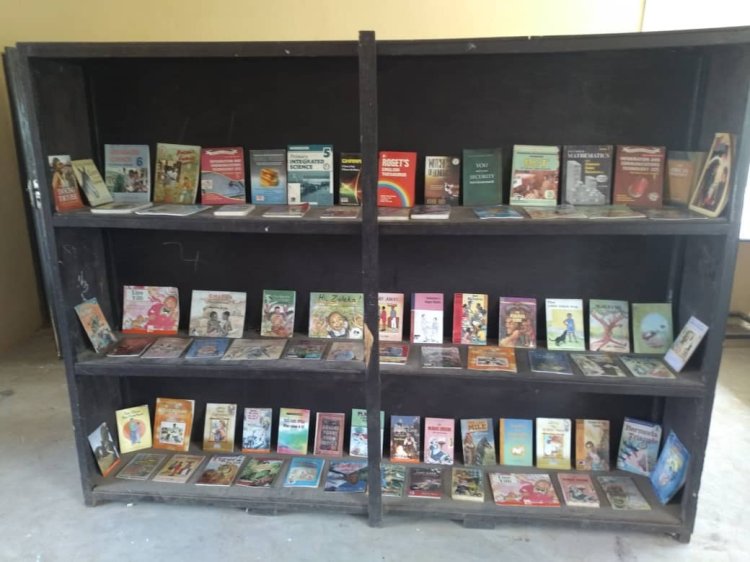
Pupils from the upper primary, M /A Primary School, and the teachers were brought to the Library in Tamale for an educational tour at the library, where they were given some books to send home and read for one month.
These books are supposed to be returned after one month, where the library team will subsequently be visiting the community to change the books for the pupils after every reading.
Supported by Plan International Ghana, the SWIDA – Gh WVL Plan – Gh project is being implemented in 11 school in the Tamale Metropolitan Area, targeting 600 girls from upper primary to Junior High School.

Executive Director for the Savannah Women Integrated Development Agency (SWIDA-GH), Hajia Alimah Sagito – Saeed, has said one cannot succeed in business or any sphere of life without having good relationship with others, especially in the particular field.
She said this in her opening speech at the maiden edition of the Movement for Youth Development’s (MYD) Conference for Capacity Building for Young Graduates at the National Youth Authority (NYA) Conference Hall in Tamale.
Hajia Alimah, who is the Guest Speaker for the occasion, mentioned attitude and respect for relationships as some key elements one must have in order to have a successful business, or to advance in any sphere of life.
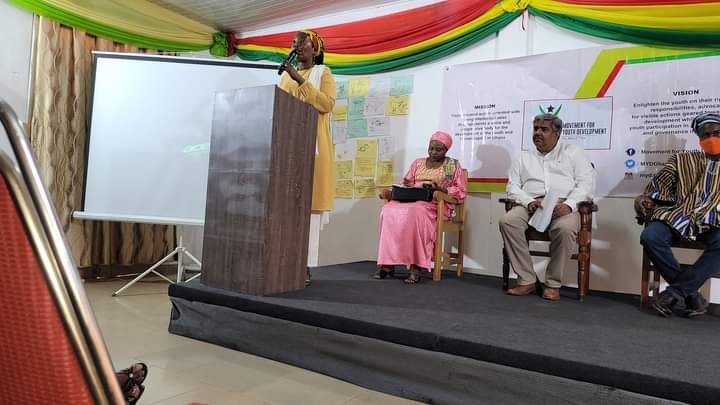
“If you want to create wealth and you have issues of relationship, then you cannot create that wealth. You need to reorganize yourself in how you relate with people; how you network with people, what do you do as a person to make sure that your relationship is of value to what you want to do? What are the kind of people you relate with? The moment you get all that right, then whatever business you start or do, you can succeed. Because you’ll need people around you to sustain whatever business you want to do. You’ll need resources and sometimes you don’t have that resources but other people have it. You’ll need to relate well with them”.
She further implored young people to open up their minds to the numerous opportunities at their disposal rather than looking somewhere else and thinking there are no opportunities.
“If you’re the type that all you think is to be rich, think beyond just being rich. Think about creating wealth that will sustain you”. The Executive Director cautioned.
Have a WordPress.com account? Log in now.

