SWIDA-Ghana’s Project Monitoring Visit to Nsunua in the Bole District

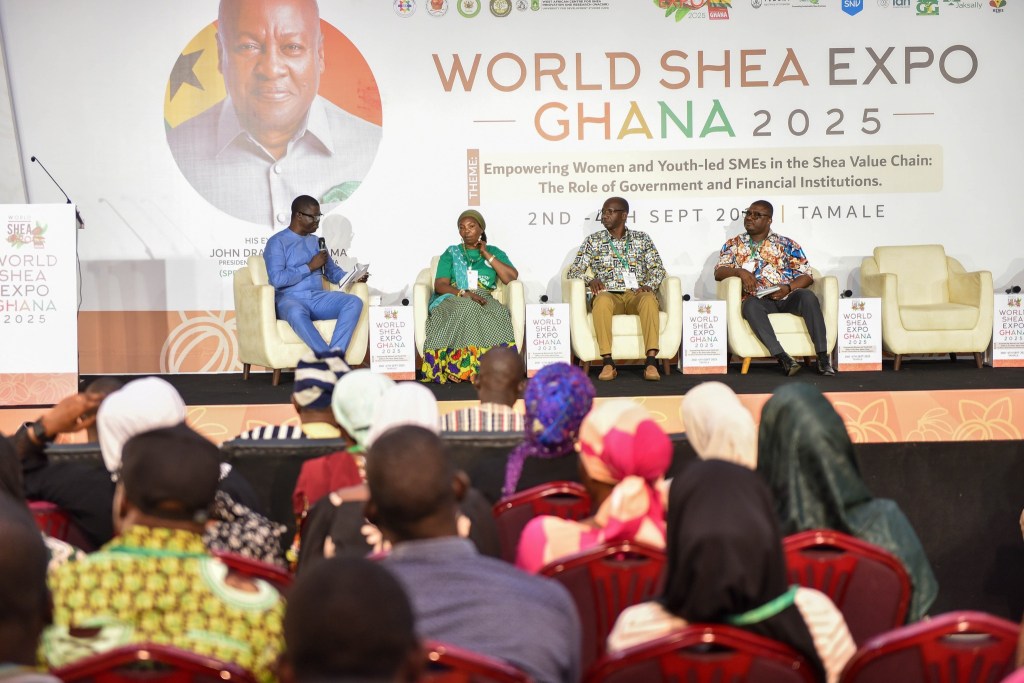
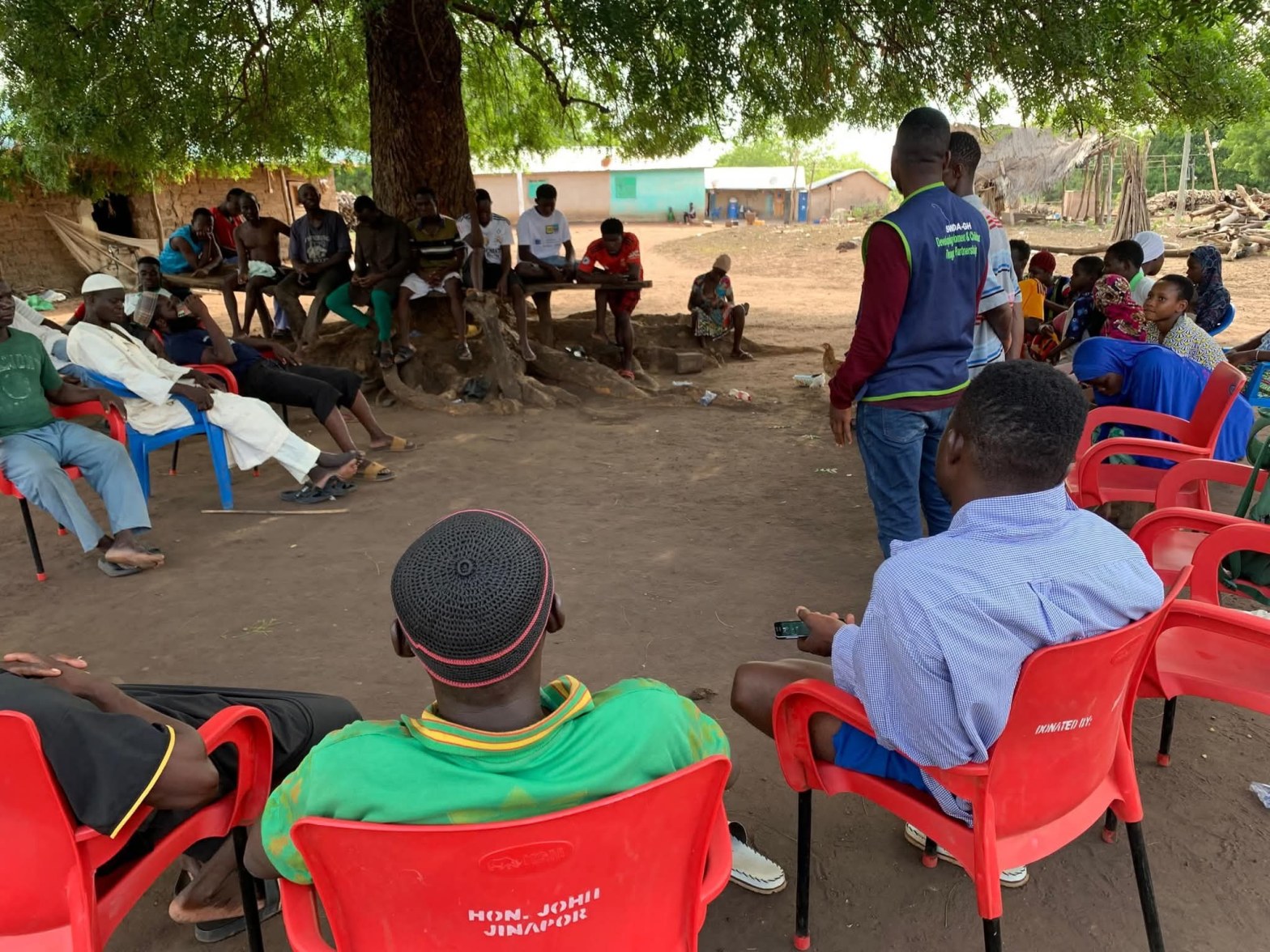
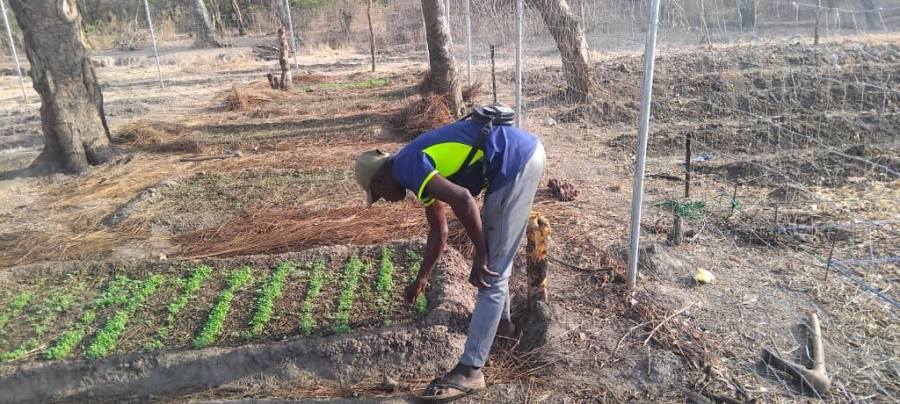
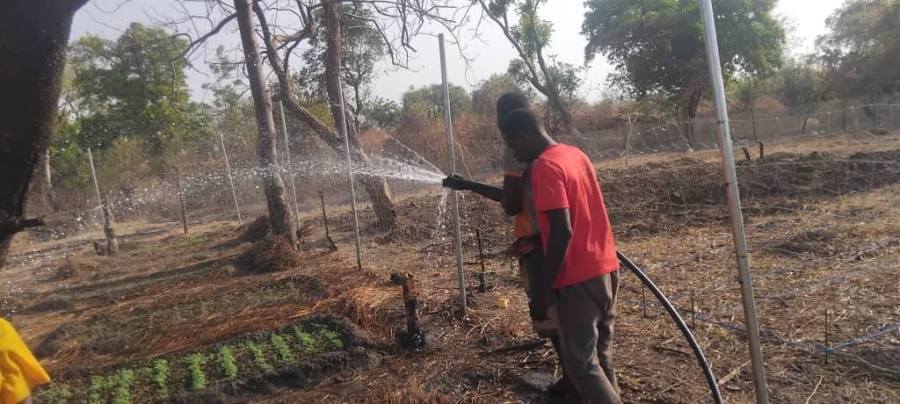
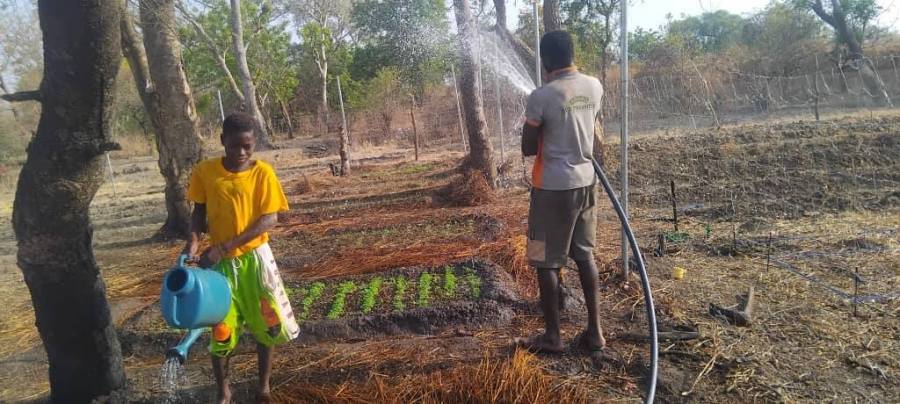
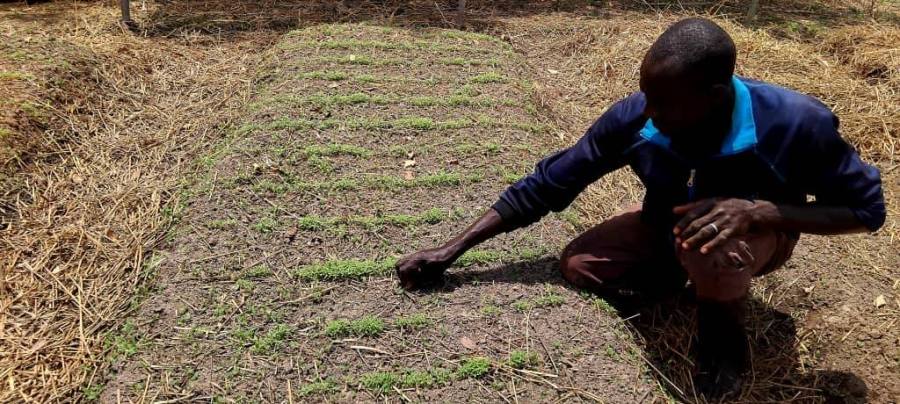
The Executive Director and some staff members of the Savannah Women Integrated Development Agency (SWIDA-Ghana) have paid a monitoring visit to the farming community of Nsunua in the Bole District.

This initiative is part of a collaborative effort with the United Nations Development Programme (UNDP) and other partners, focusing on a livelihood project centered on the Shea value chain for women and the youth.

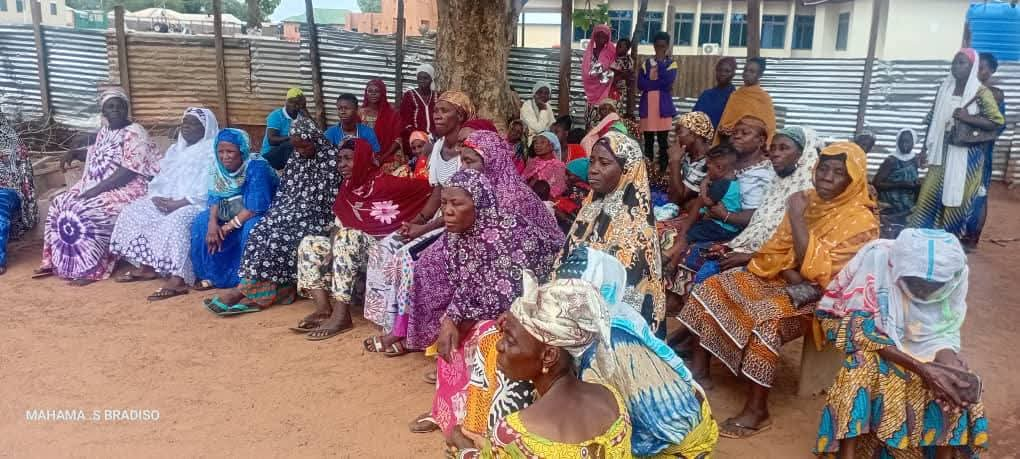
The project aims to enhance the livelihoods of vulnerable women involved in Shea picking and related activities, providing them with income generation opportunities.

It also seeks to empower the youth by boosting their economic activities and providing education against violent extremism.

The community’s proximity to the Ivory Coast border along the Black Volta River heightens the risk of individuals exploiting the youth for extremist activities, which makes the educational component of the project crucial.

During the visit, the team assessed the processes and storage methods of Shea, as they engaged with a cassava processing group that is still in the formation phase.

This engagement is vital for ensuring the project stays on track and that the community receives the necessary support to improve their economic conditions.

The Shea value chain project is expected to significantly impact the community by promoting sustainable income-generating activities and safeguarding the youth from potential exploitation.

SWIDA-Ghana, in partnership with UNDP and other collaborators, remains committed to empowering the most vulnerable populations in the Savannah Region.

UNDP and SWIDA Empower Pido Community to Counter Violent Extremism

The United Nations Development Programme (UNDP), a Non-Governmental Organization, has supported community members at Pido in the Sissala East Municipality of the Upper West Region, with skills and equipment to help in countering violent extremism.

Pido, the border community, received a total of 129 wellington boots, hand gloves, raincoats, and other equipment including two multi threshers to support in post-harvest activities relating to maize and other cereals. They also received four drying platforms and four energy saving stoves.

The support, as part of the project, is meant to enhance the capacity and skills of residents in the border communities to counter violent extremism through the shea and maize value chains, as a sub-project under the project titled “Preventing and Responding to Violent Extremism in the Atlantic Corridor”.

The UNDP with its implementing partner, SWIDA-Ghana, implemented the project, with funding from Australia Aid, the Embassy of Denmark, German Cooperation, and Norway Government and its implementing partner.

Speaking at a ceremony to hand over the project, Programme Analyst, Peace and Governance at UNDP, Madam Melody Azinim said the project covers five countries which are Ghana, Togo, Benin, Cote d’Ivoire, and Burkina Faso.

She added that the project has different components, and was quick to mention that there is an aspect to sensitize community members on the threats of violent extremism and factors that influenced people to join violent extremist groups within the sub-region.

“For Ghana and the other neighboring countries, we want to see how best we can, together, ensure that some of these threats do not develop within our countries. And so, components of our project look at how to strengthen relationships between the different groups of people that we have in our community,” she said.

Madam Azimi hoped that the community would make use of the equipment to support themselves, as she encourages that “let’s make sure that everybody benefits from the machines and drying platforms that have been provided.”

For her part, the Executive Director for SWIDA-Ghana, Hajia Alima Sagito-Saeed encouraged the women to take advantage of the opportunity to engage in business, save money and buy their own equipment in the future to expand.

According to Hajia Alima, the intervention is meant to enhance the capacity of women and the youth in the shea and maize value chains in the community, while helping them to improve on their businesses, earn more income to sustain their livelihood, as they are prevented from being susceptible to violent extremist groups.

The SWIDA-Ghana Director added that as part of the project activities, community members were trained in shea and maize quality processing, post-harvest losses, financial record keeping, and creating market linkages.

The Chief of Pido, Pe Wemon Mahama Kudalia who received the equipment on behalf of the community members, thanked the UNDP and its partners for the support, as he appealed for a school and a good road network in the community.

Speaking and expressing gratitude on behalf of the community members, Madam Alimata Mumuni thanked the UNDP and SWIDA-Ghana, and their partners for the support extended to them, adding that the processing of cereals would be easier and the finished product would be devoid of stones and other foreign materials, with the intervention by the project.

SWIDA-Ghana Marks the Climax of 16 Days of Activism 2024, on Ending SGBV

SWIDA-Ghana has brought to a close its campaign on the 16-days of Activism, waged against Sexual and Gender-Based Violence (SGBV) against women and girls!

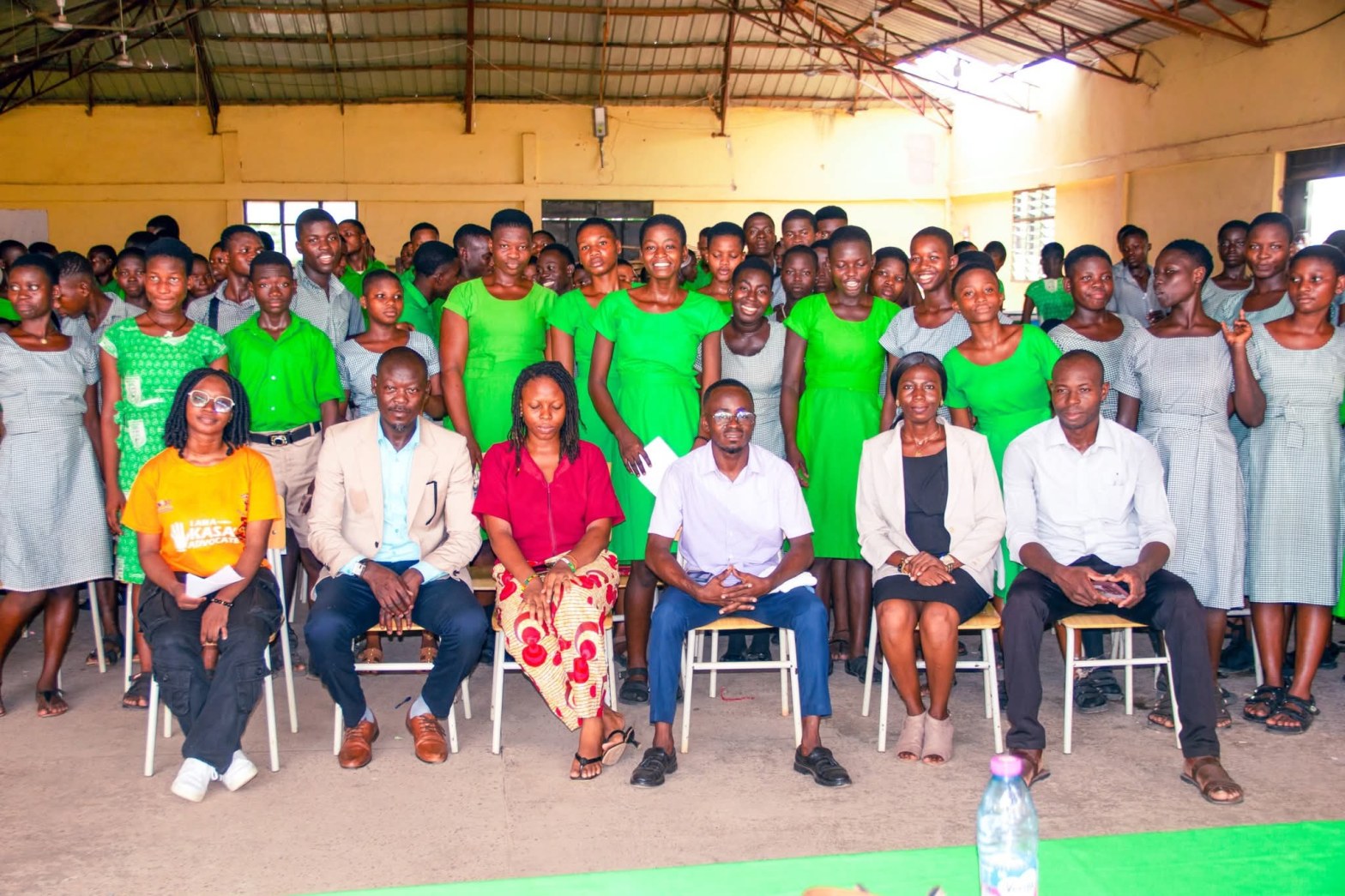
Over the past two weeks, the organization has engaged students in various schools across the northern region, held an SGBV Conference and social media campaigns, and raised awareness on SGBV and its impact on individuals and communities.

During the series of sensitization exercises, some strides were recorded, pointing to positive outcomes of the campaign.

Some challenges were also identified, including some students not being aware of the effects and magnitude of danger the SGBV could pose, even though they knew what the menace is and what it means.

Some societal norms and expectations were identified, as being significant barriers to reporting and addressing SGBV in communities.

The root causes of SGBV, such as patriarchy, inequality, and power imbalances, were not fully understood by many students.

These findings underscore the need for sustained efforts to educate and raise awareness about SGBV, as well as to challenge and change harmful societal norms.

SWIDA-Ghana and Partners Engage Stakeholders through the Media Ahead of Election 2024

SWIDA-Ghana as a member of the National Election Response Group (NERG), with its Executive Director a trained Observer for the 2024 General Elections, has been undertaking a  media engagements for National Election Security intervention in the Northern Region.

The partner organizations under the ‘NERG’ Consortium, consisting SWIDA-Ghana, CDD-Ghana, FOSDA, WANEP, and the National Peace Council carried out a series of media engagements to enhance the confidence of the key election stakeholders and the public in the election security system, as well as processes towards the 2024 election.

Other issues under the focus of the media engagements included the establishment of a women’s situation room this year, and safety issues for the excluded in society.

SWIDA-Ghana Organizes Conference on Ending SGBV

As part of the 16 Days of Activism against Gender-Based Violence, SWIDA-Ghana in collaboration with Centre for Gender and Career Mentorship, has organized a conference aimed empowering female advocates on taking against Sexual and Gender-based Violence.

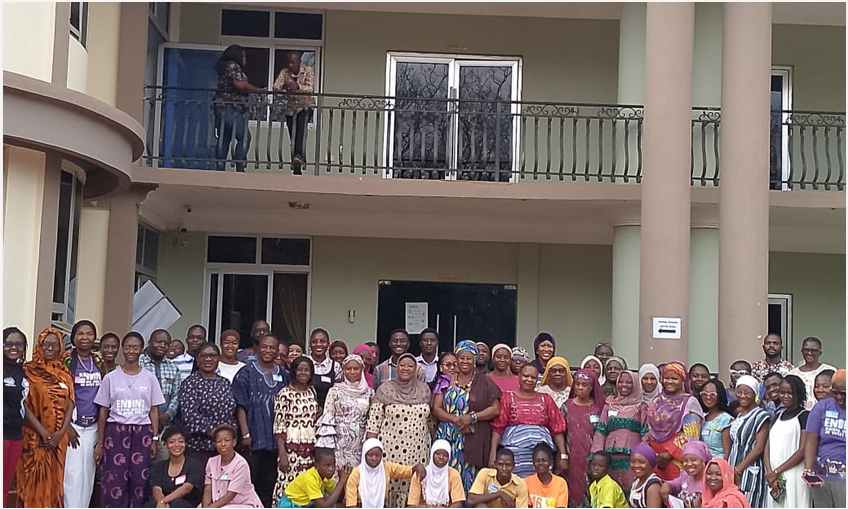
Held in collaboration with the UDS Center for Gender and Career Mentorship and TOLEC Ghana, the 2024 SGBV conference was under the theme “Empowering Female Advocates to End Sexual and Gender-Based Violence,” as it brought 120 advocates, students from junior and senior high schools, and community members to a location for a day of education and awareness.

A representative from TOLEC Ghana shared some insights on the psychological and emotional aspects of Sexual and Gender-Based Violence.

The conference organized by SWIDA-Ghana and partners, was attended by Tiyumba Hope Foundation, GEM Ghana, Gloryhill Foundation, as well as representatives from the counseling units at UDS, Savana Signatures, and Admiral Nuts Limited.

SWIDA-Ghana Organizes Training for Key Stakeholders in Ghana’s Elections Ahead of December 7

SWIDA-Ghana, with funding from the Star Ghana Foundation and the Foreign Commonwealth Development Office, has organized a training and dialogue session with the Electoral Management Body (EMB), community leaders, and the media to discuss the importance of inclusive electoral processes, as Ghana goes into the 2024 elections.

The session was aimed at promoting fair and transparent elections, ensuring that every citizen’s voice is heard, as it encouraged the public to get involved in the election process.

Representative of the Electoral Commission, Madam Fatima Kanton shared steps taken to ensure a fair election, including training for temporary poll workers on voter registration, counting votes, tabulation, and provisions of tactile jacket to aid persons with visual impairment vote independently.

A key part of the training and dialogues session was also focused on the need for inclusive electoral processes, the role of the Electoral Management Body in the electoral management processes.

The media were also reminded to verify information and figures purporting to come from polling stations and collation centers to ensure accurate reporting.

SWIDA Ghana Launches 16 Days Advocacy Campaign on Women’s and Girls’ Rights

SWIDA Ghana is embarking on a 16-day campaign to champion advocacy on the rights of women and girls.

The 16 Days of Activism will focus mainly on pushing for human rights for, and ending violence against women and girls, especially in the rural communities of northern Ghana.

A total of 5,000 women and girls are expected to be reached during the 16 days rigorous campaign, with various exercises and activities of advocacy.

The campaign will also engage 10 state departments and agencies, all aimed at strengthening the base of women and girls in the area of human rights.

SWIDA Ghana has over the years been bedrock of hope and empowerment for many especially rural women and girls, providing support for their capacities, and this campaign, according to the Executive Director, is expected to attempt to tighten the loose end, ensuring that those in charge of upholding the rights of women and girls stop at nothing to deliver.

Hajia Alima Sagito Saeed adds that as women and girls are at the center of the work SWIDA Ghana does, it will be a disservice to not end the year by pushing through advocacy, to ensure the rights of the vulnerable populations are guaranteed.

Under the theme “Towards Beijing +30; UNiTE to End Violence Against Women and Girls”, the 16 Days of Activism by SWIDA Ghana as launched, will involve many stakeholders in implementation, as Plan Ghana has already extended its partnership support.

During the 16 Days ahead, cluster of days would be dedicated for specific set of tasks, activities, and exercises, aimed at arriving at the objective of reaching the women and girls’ targeted, as well as effectively engaging the 10 state agencies through which the advocacy will be pushed, towards ending violence against women and girls.

SWIDA Holds Workshop to Train Young Women in Entrepreneurship and Job Creation

The Patron of the Development of Hospitality, Tourism and Management (HTM) of the Tamale Technical University (TaTU), Mr. Stanley Cowther has encouraged young women to prioritize opportunity-based ventures to create jobs.

He said there were numerous opportunities in the country, as he encouraged young people to identify them to build sustainable enterprises to create more employment.

Mr. Cowther made these comments in a presentation at a two-day career and job fair mentorship workshop held in Tamale, to whip up young people’s interests in entrepreneurship, organized by the Savannah Women Integrated Development Agency (SWIDA-Ghana).

Under the theme “Building Your Foundation for Women”, the workshop was organized in partnership with the HTM at TaTU, the northern regional directorate of the National Service Scheme, the northern regional directorate of the Technical and Vocational Education and Training (TVET), and Samakose.

At the workshop, there were sub-activities including the exhibition of products, panel discussions, speed mentoring, CV preparation training, as well as networking.

Some human resource professionals, successful entrepreneurs, and job recruiters were present to provide mentorship for graduate students and other young women entrepreneurs on career and business management skills.

Executive Director for SWIDA-Ghana, Hajia Alima Sagito-Saeed said in her address, that the workshop was aimed at securing economic rights for women, which will ultimately contribute to addressing issues of gender-based violence in communities.

She said it was meant to dispel some misconceptions associated with women entrepreneurs and to equip them with the skills needed to operate businesses successfully.

She advised participants to take advantage of the training, to network and learn new skills and innovations to improve their careers and enterprises.

Chief Executive Officer of Balmaisha Foundation, Hajia Fayudatu Yakubu who coached the participants on CV preparation, advised the potential employees and entrepreneurs to develop compelling proposals and CVs to attract the attention of employers and investors.

She urged the youth to prioritize self-improvement, continuous professional development and networking, to enhance productivity.

Some participants who shared their impressions with SWIDA-Ghana after the training said it had provided them the opportunity to network with seasoned entrepreneurs to learn from their challenges and success stories.

The workshop was organized as part of the implementation of the “Advocacy Actions for Women Economic Security and Justice in Agricultural Activities in Northern Ghana” project, funded by the Africa Women’s Development Fund (AWDF).

Food Demonstration Training by SWIDA Ghana in Partnership with the Ghana Health Service

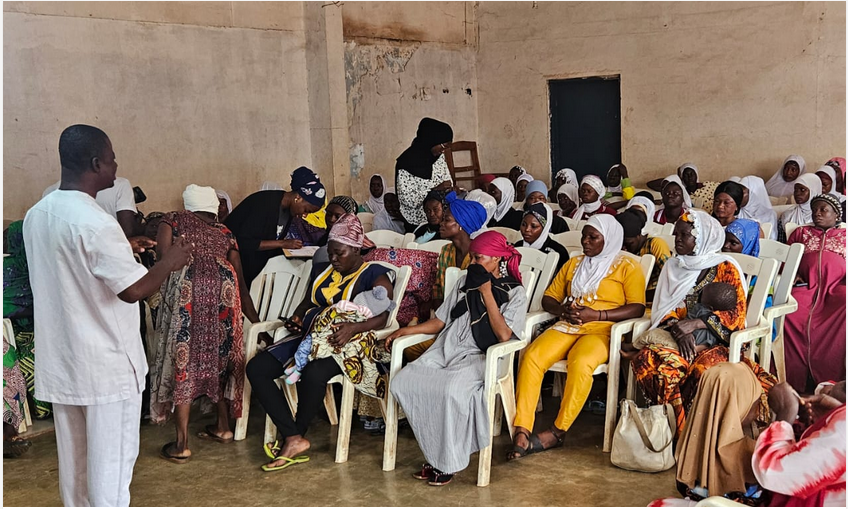
As part of Nutrition promotion and uptake, the Karaga team of SWIDA Ghana working with the Ghana Health Service organized food demonstration training in 22 communities.

The training targeted some 2,500 beneficiaries comprising breastfeeding mothers, pregnant women, and adolescents, who were all covered during the training.

The training involved the use of local ingredients to prepare local food, ensuring it covers all the nutrients required in food for growth and vitality. Each community was made to gather ingredients locally, to be used for the training.

All the ingredients were gathered from the communities, from those the households use for their day to day cooking.

This effort by SWIDA Ghana and the Ghana Health Service in Karaga, is through the support of the World Food Programme, and aimed to encourage the members from the 22 communities to eat locally and healthily, to improve the nutrition levels across the Karaga District.

SWIDA Ghana Recognized for Outstanding Work

SWIDA Ghana has been awarded the outstanding achievement merit awards for Holistic Community Empowerment, at the first ever Northern Ghana Business Merit Awards, organized by the Executive Business Group.

The awards ceremony took place at the Modern City hotel in Tamale, where over 20 individuals and organizations were rewarded for efforts aimed at improving the lives of the vulnerable in communities.

The recognition also considered innovation in the work of NGOs, leading to problems solution and impact creation in rural communities.

Watch photos of the event below;