
Empowering Women, Girls, and Communities for Inclusive Development
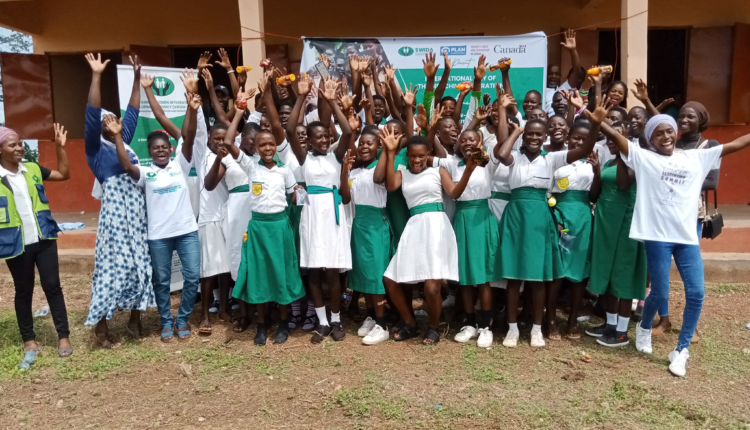
SWIDA Ghana is dedicated to empowering women and girls through transformative programs that promote leadership, economic independence, justice, and social inclusion. Operating across the Northern, North East, Upper East, Upper West, and Savannah regions, the organization supports over 300 women’s groups and 35 youth-led organizations, focusing on capacity building, economic empowerment, and advocacy for gender equality.
Advancing Gender Equality and Preventing Gender-Based Violence
SWIDA Ghana is committed to safeguarding the rights of women and children, addressing the root causes of sexual and gender-based violence (SGBV) through prevention, protection, response, and advocacy. Through strategic partnerships and community-driven initiatives, the organization works to end violence, promote gender equality, and ensure survivors receive essential support.
Key Interventions:
Leadership and Mentorship: Through the Female Leadership and Mentorship Academy, SWIDA Ghana has mentored over 550 young women, equipping them with leadership skills to participate in decision-making at all levels.
Women’s Economic Empowerment: The organization strengthens women-led enterprises by providing financial literacy training, business development support, and market linkages.
Girls’ Education and Rights Advocacy: SWIDA Ghana addresses barriers to girls’ education, including child marriage and gender-based violence, collaborating with schools and local authorities to create safe learning environments.
Community Awareness and Prevention Campaigns: The organization conducts educational programs on child rights, SGBV prevention, and harmful cultural practices such as female genital mutilation (FGM).
Support Services for SGBV Survivors: SWIDA Ghana facilitates access to psychosocial counseling, legal aid, and safe shelters while working with law enforcement to ensure justice.
Strengthening Child Protection Systems: Partnering with government agencies, the organization enhances community structures to improve child protection mechanisms.
Economic Empowerment Programs: By providing skills training and livelihood support, SWIDA Ghana reduces the economic vulnerability of women and girls, mitigating risks of exploitation and abuse.
Shea Development intervention: SWIDA Ghana’s shea development intervention empowers women economically by enhancing their participation in the shea value chain. Through capacity building, market access, and sustainable harvesting practices, the initiative improves women’s incomes, resilience, and leadership. It fosters cooperatives, promotes eco-friendly processing, and integrates digital tools for inclusive economic growth.
SWIDA Ghana’s skills training intervention empowers women economically by equipping them with vocational and entrepreneurial skills in agribusiness, handicrafts (weaving and catering) , and digital literacy. Through capacity building, financial literacy, and market linkages, women gain sustainable livelihoods, increased incomes, and economic independence, fostering resilience and leadership in their communities.
Governance and Advocacy: Inclusion of the excluded in governance ensures marginalized groups—women, youth, and persons with disabilities—participate in decision-making, fostering equity, representation, and sustainable development through policy advocacy, capacity-building, and inclusive governance frameworks.
Policy Advocacy and Legal Reforms: The organization engages in advocacy to strengthen child protection and SGBV laws, collaborating with policymakers, civil society organizations, and international partners.
Data-Driven Advocacy: SWIDA Ghana conducts research to support policy engagement and inform evidence-based advocacy strategies.
Collaborating for Impact
SWIDA Ghana works with esteemed partners such as Plan International Ghana, African Women Development Fund, Global Fund for Women, UNDP, World Vision International, Star Ghana Foundation and Foreign Commonwealth Development Office.
The organization is currently implementing a project on Unpaid Care Work in collaboration with Allinea International, SEND Ghana, and Netright, further advancing its mission for gender equality and sustainable development.
 swidagh.org