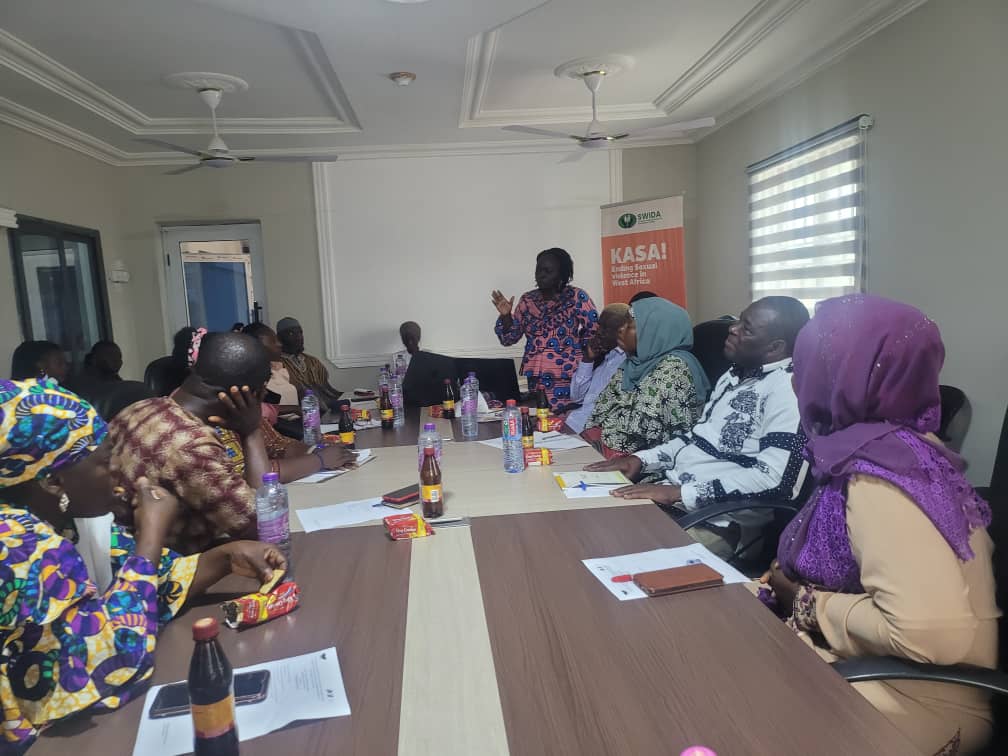
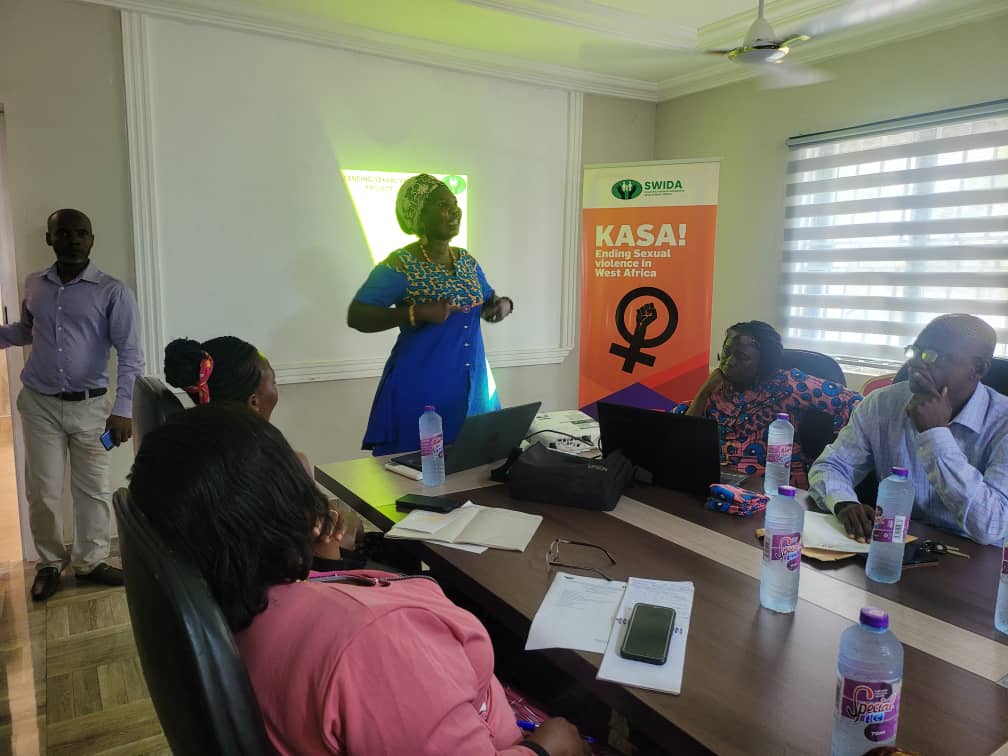
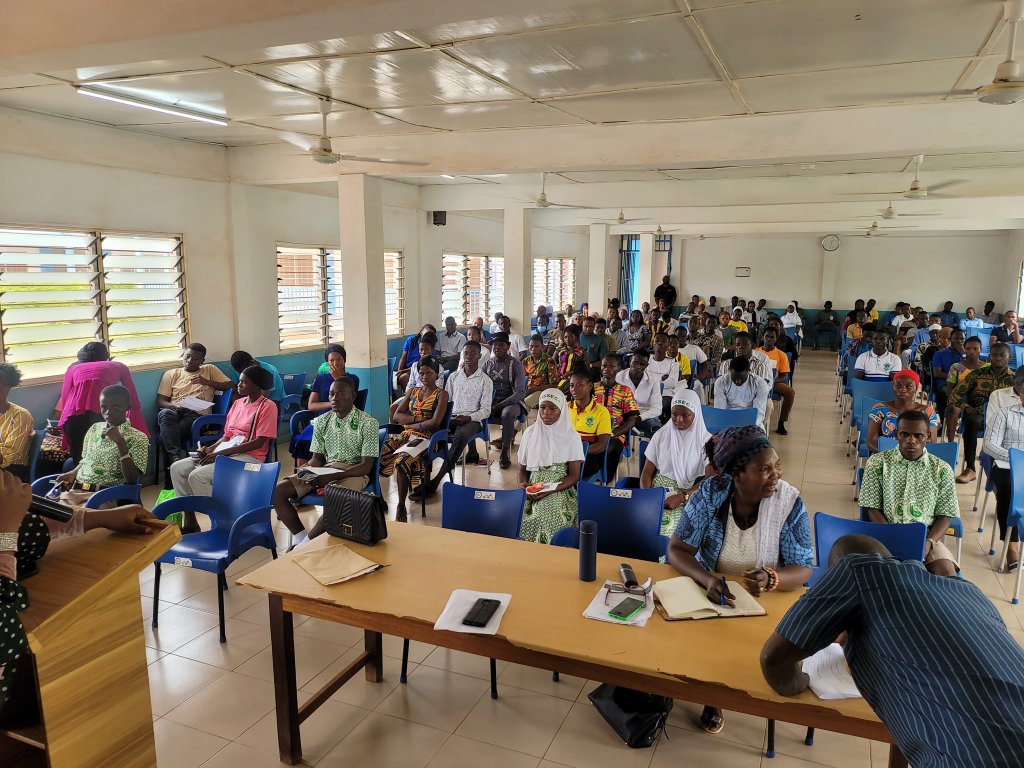
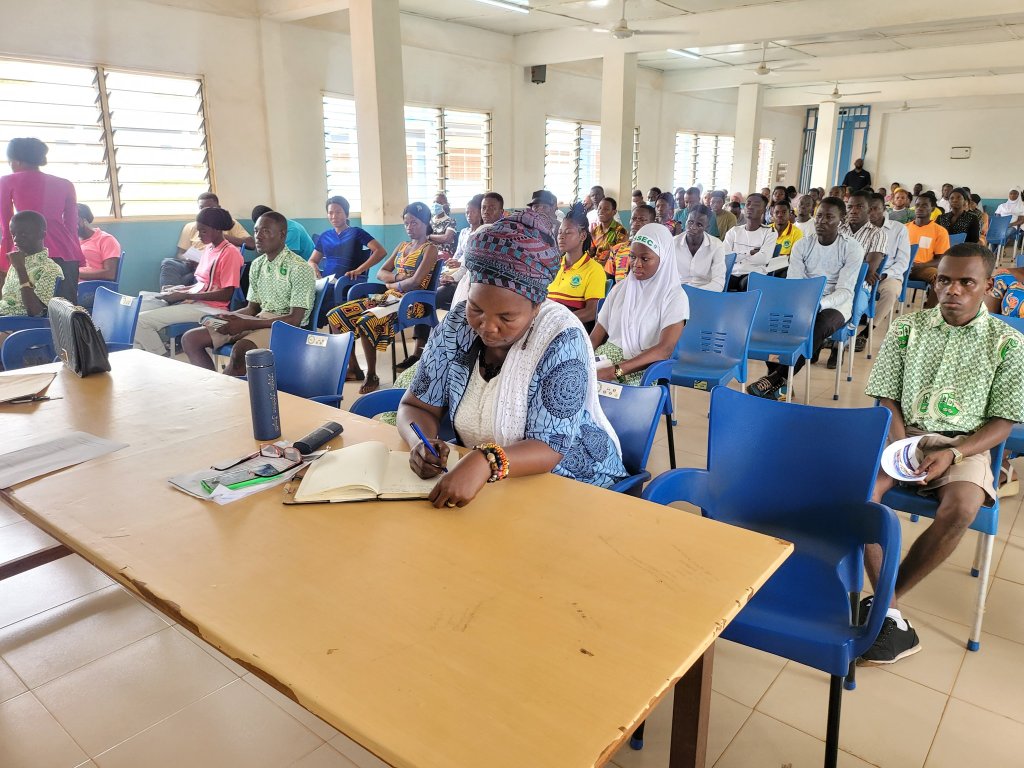
SWIDA – Gh Hosts leaders of local partners, staff receive training

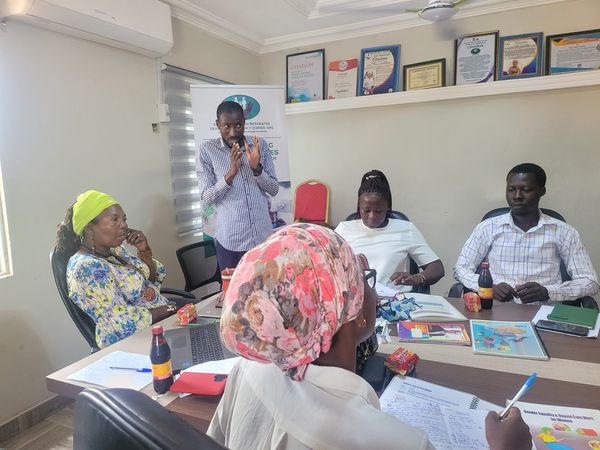
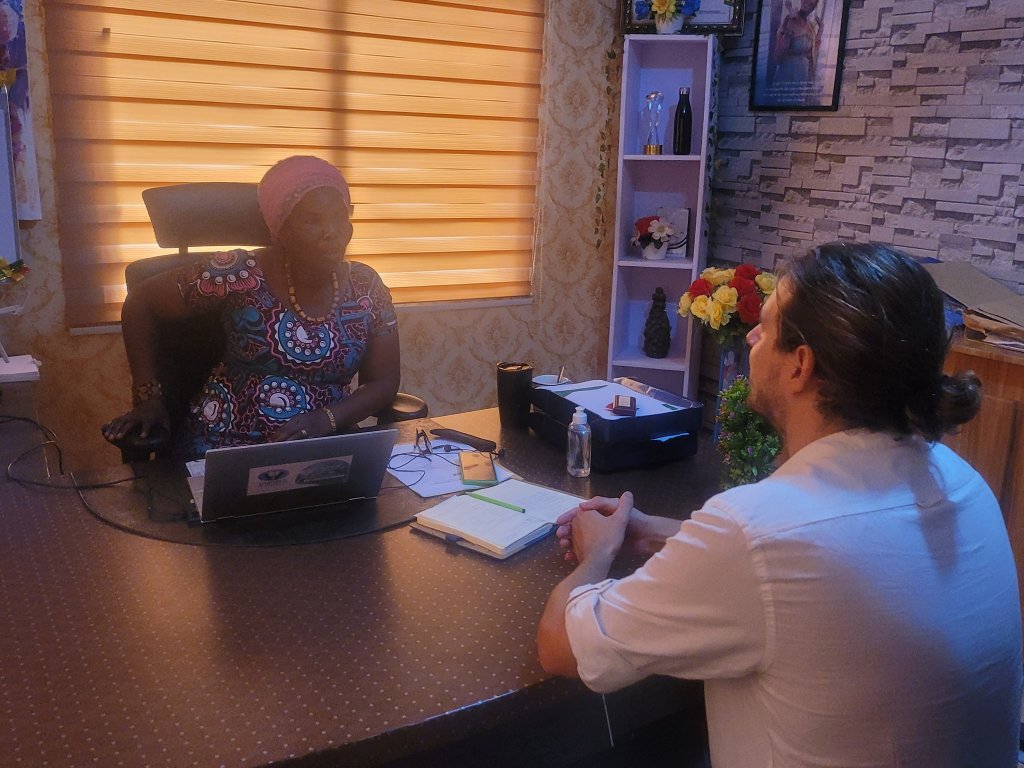
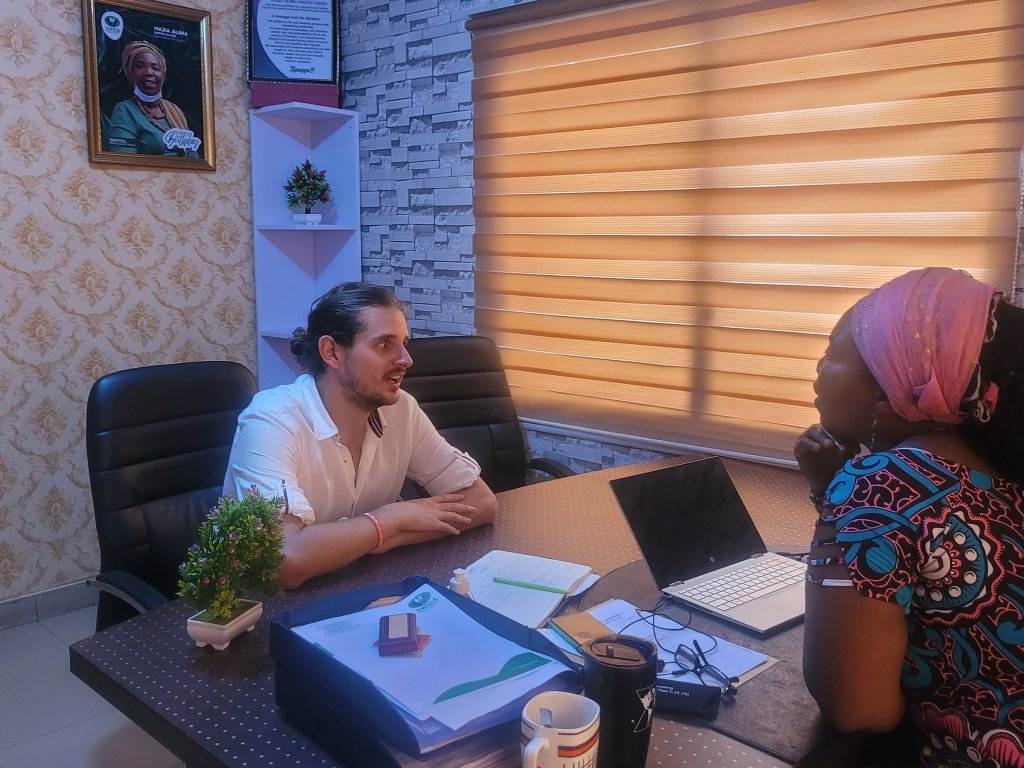
The Executive Directors of Two strong youth-led organizations passed by SWIDA-GH office, with the Mission to further deepen partnership.

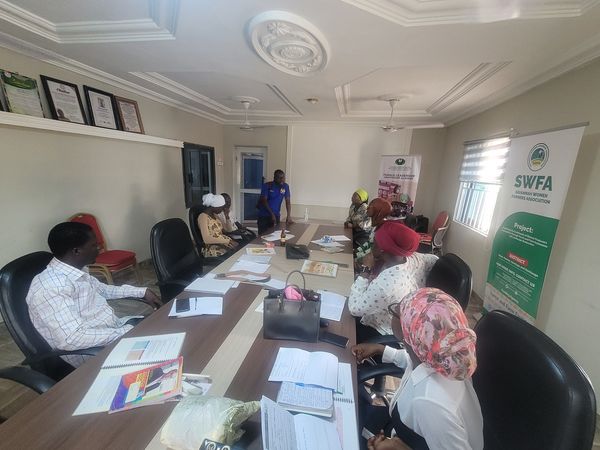
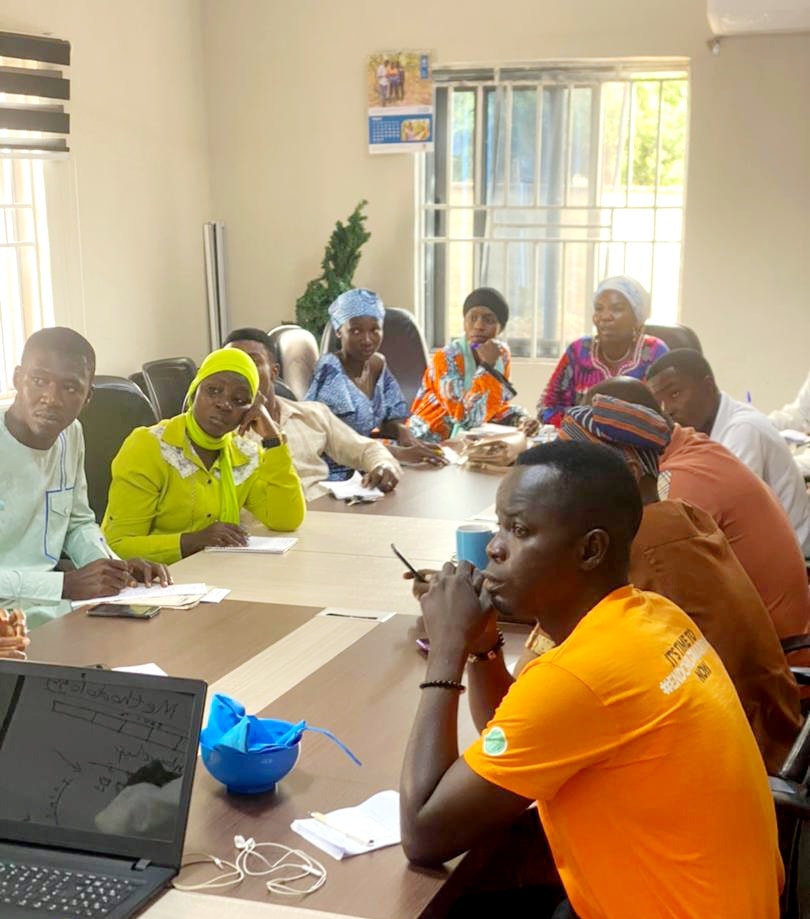
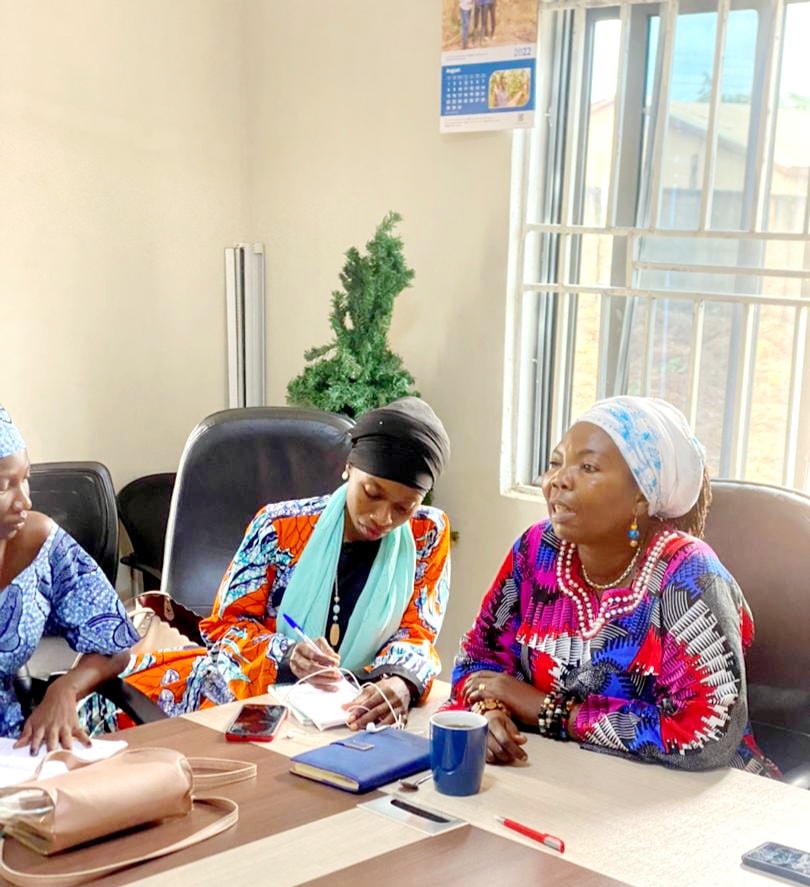
The other reason for the organizations’ visit, was to provide training to the staff of SWIDA – Gh on the various areas of capacity needs for effective team and office work.

Northern Regional Coordinator for Activista Ghana, Suglo took time to mentor interns on different areas and also mentioned the opportunities that await them when they build better networks and commit to learning.

Abdul Rafiiu Alhassan is the Executive Director for Girls Empowerment Mission (GEM Ghana), who took the insurers through public speaking tips, as well as when and how to engage and disengage.

SWIDA-GH, Plan Int. Ghana equip 25 women with entrepreneurial skills

The Savannah Women Integrated Development Agency (SWIDA-GH) in partnership with Plan International Ghana, under its women voice and leadership programme, has empowered 25 women to enhance their livelihoods.


The three-day intensive training in beads making, brought together women in the operational areas of the programme in the Sagnarigu Municipality of the Northern Region, and some students of the Tamale Technical University.


Hajia Alima Sagito Saeed, Executive Director of SWIDA-GH, speaking during the graduation ceremony of the beneficiaries in Tamale, said empowering women would enhance their active participation in governance and leadership, and help secure their economic rights.


She said “Part of our commitment under the programme is to work through existing social norms to increase women’s agency on issues of economic empowerment, and help address domestic violence and abuse.”


She said “Acquisition of entrepreneurial skills among women groups is crucial in securing women rights and dignity. Most of the abuse cases are attributed to their low economic input.”


Ms Humaimatu Abdul-Wahab, Northern Regional Head of the Informal Apprenticeship of Ghana, TVET Service said women empowerment through skills acquisition was important fighting gender-based violence in communities.


She called on government and other non-governmental organisations to continue championing women empowerment through various economic initiatives that would help promote their livelihoods.


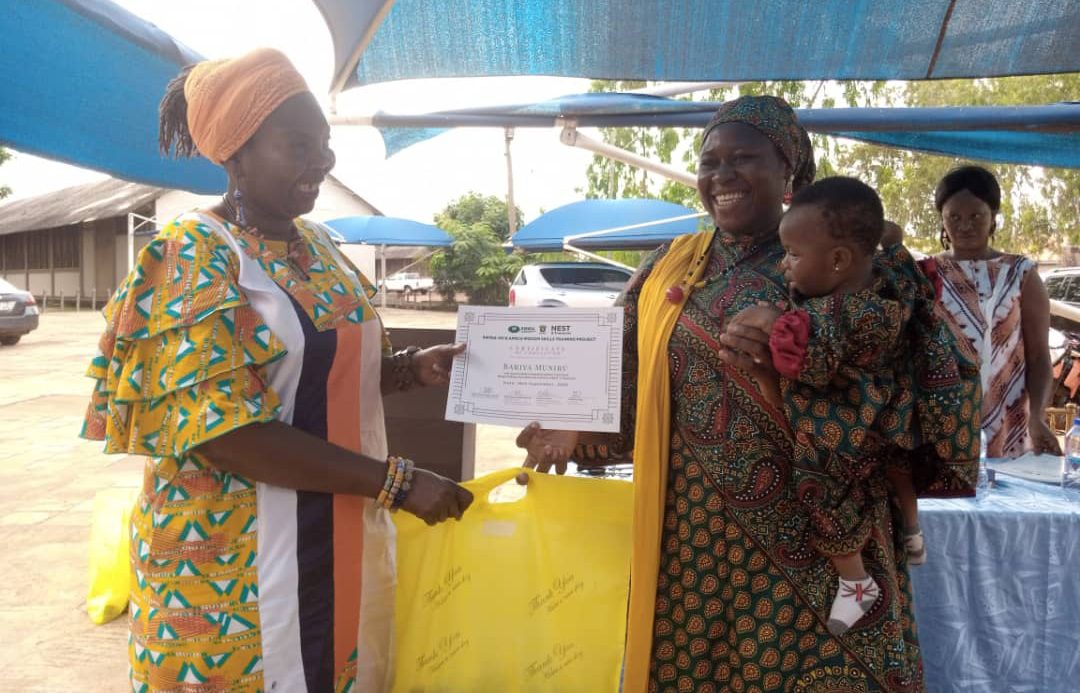
All trainees received certificates and start-up kits to help establish their own businesses.
Mrs Zulfawu Musah, who was adjudged best trainee, thanked SWIDA-GH and Plan International Ghana for the initiative saying it would improve her economic status.

Statistics from the Ghana Health Service (GHS) indicate that about 13 teenage pregnancies are recorded everyday in Ghana, especially in 2020, during the peak period of COVID – 19.

Available figures

This data reveals that in 2020, on a daily basis, out of nearly 301 pregnancies recorded in Ghana, 13 involved teenagers.

According to the GHS, Ghana recorded a total of 109,888 teen pregnancies with the lowest girls put in the family way being 10-year olds.

The World Bank collection of development indicators reported that in 2019, about 2,380,000 teenage mothers between the ages of 15 and 19 were found in Ghana.

Per the data, girls between the ages of 10 and 14 years account for 2,856 pregnancies recorded in 2020 while another 107,023 girls from ages 15 to 19 were impregnated within the same period.

Statistics from Reproductive Health Journal, Biomedcentral.com, indicates that in 2019, about 143 teenagers got pregnant and gave birth in northern Ghana with an increase to 3,780 in 2020.

The causes

Most of the pregnancies came because of the lock down instituted by the government as a preventive measure to stop the infection and spread of COVID – 19.

The causes of teenage pregnancies include, the loss of livelihoods by parents, poverty, parental neglect, sexual exploitation and abuse, defilement or rape, curiosity or adventurous behaviours, as well as the lack of adolescent and sexual reproductive health education in communities.

This comprised their education and other opportunities, which makes them vulnerable to poverty, violence, crime and social exclusion.

Executive Director for Savannah Women Integrated Development Agency (SWIDA – Gh), Hajia Alimah Sagito – Saeed, said COVID – 19 increased the school dropout situation particularly among the girls in communities across the country.

She added that mostly, girls in urban areas were forced to worked by trading in the streets or engaging in head porting (kayaye), just to increase their household income.

Scenarios

In an interview during “Mobilizing media to fight COVID – 19” being implemented by Journalists for Human Rights in collaboration with the Ghana Journalists Association, a 14 – year old student from Nanton Kurugu Senior High School in the Northern Region told the Ghana News Agency that she became pregnant as a result of the closure of schools during the COVID – 19 period.

She said after delivery, her parents forced into marriage to the detriment of her education, while her 38 – year old husband has been supportive economically, thereby compound her situation, which compelled her to resort to selling foodstuffs in the Nanton market to enable her cater for herself and her child.

Another 12 year old primary school girl from the Bimbila Primary in the northern region shared her experience, saying she became pregnant during the lockdown period.

According to her, her parents were facing financial challenges taking care of her and five siblings she has. In Diare, a 16 year old Final year student of the Diare JHS said she was forced to marry a 40 year old man due to poverty, adding that she now has a child from the marriage.

She said the early marriage has curtailed her dream of becoming a nurse, but she desires to go to school if she gets support.

E-Learning

The government introduced enhanced learning to help students stay academically active while at home, but challenges such as the lack of electricity, the lack of television of radio sets and internet in homes of some teenage girls, compromised the quality of the programme and thus exposed learning inequalities in the country’s education system.

Working to develop better laws

A number of international commitments on improving gender equality and ending poverty, made the attainment of quality education a key concern.

These are, the Convention for the Elimination of all forms of Violence Against Women (CEDAW) and the Sustainable Development Goals (SGDs), particularly goals 4 and 5.

Key among issues being advocated, included the right to education for all, reduction in levels of women’s literacy, bridging the gender gap in education, empowerment of women to look after their children and contribute to national development.

The northern regional coordinator of the Domestic Violence and Victim’s Support Unit, DSP Emmanuel Holortu in an interview with the Ghana News Agency, indicated that the menace of child marriage worsened due to economic challenges that confronted parents due to the COVID – 19 pandemic.

He stated that even though the legal age of marriage is 18 years, children more than 16 could consent to sex in Ghana.

He expressed concerns about gaps in the country’s laws on consent to sex by 16 years, saying “what has not been addressed, however, is if a child is sexually exploited and she becomes pregnant at 16 or 17, what happens to the perpetrator”?

DSP Holortu noted there was no provision for any form of sanction and the teenage girl must bare the brunt alone, adding that “this injustice is supported by the criminal offenses Act of 1960, which has entrenched violator’s impunity”.

He added that child rights advocates have engaged governments and development actors for a review of the child protection legislation such as the criminal offenses Act, the children’s Act and the Juvenile Justice Act to ensure uniformity and synchronization of the legal age of marriage to the legal age of consent, with a Romeo and Juliet clause.

Way Forward

Facilitating pregnant girls’ re – entry into school after delivery becomes one measure for reducing gender disparities in quality educational attainment.

Due to that, Ghana’s Education Ministry has developed guidelines that support teenagers with unplanned pregnancies to continue schooling or opt to return after delivery.

This guideline is in conformity with the government policy of compulsory universal basic education for every child in Ghana.

Executive Director for Songtaba, Hajia Lamnatu Adam, who was part of the stakeholder engagement, urged government and other stakeholders to speed up measures to protect children from abuse of violence and teenage pregnancy.

Conclusion

Parents should take the responsibility to control and enlighten their teenage girls on sex education.

Government and stakeholders, including human rights advocates, should push more to speed up amendments to laws that put girls at risk and in disadvantaged positions.

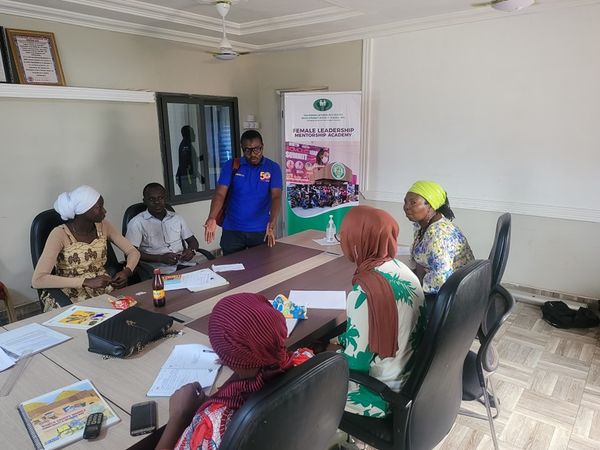
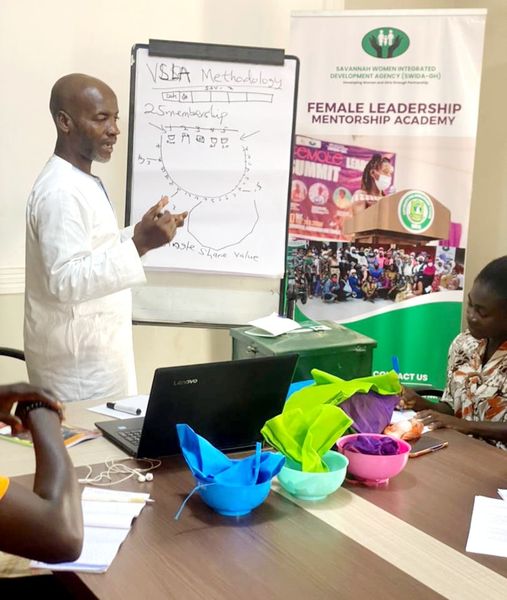
Pictures – SWIDA – Gh Conducts VSLA Training for Staff Members

The Village Savings and Loans Scheme is a social Mobilization and a behavior change strategy.

SWIDA – GH is very experienced in using the strategy for the promotion of financial inclusion of women in rural and Peri-urban areas.

This is why the Savannah Women Integrated Development Agency organized a refresher training for its staff members, as well as staff members of the SWFA, to ensure better support for the 150 VSLAs for SWIDA-GH and about 40 for SWFA.

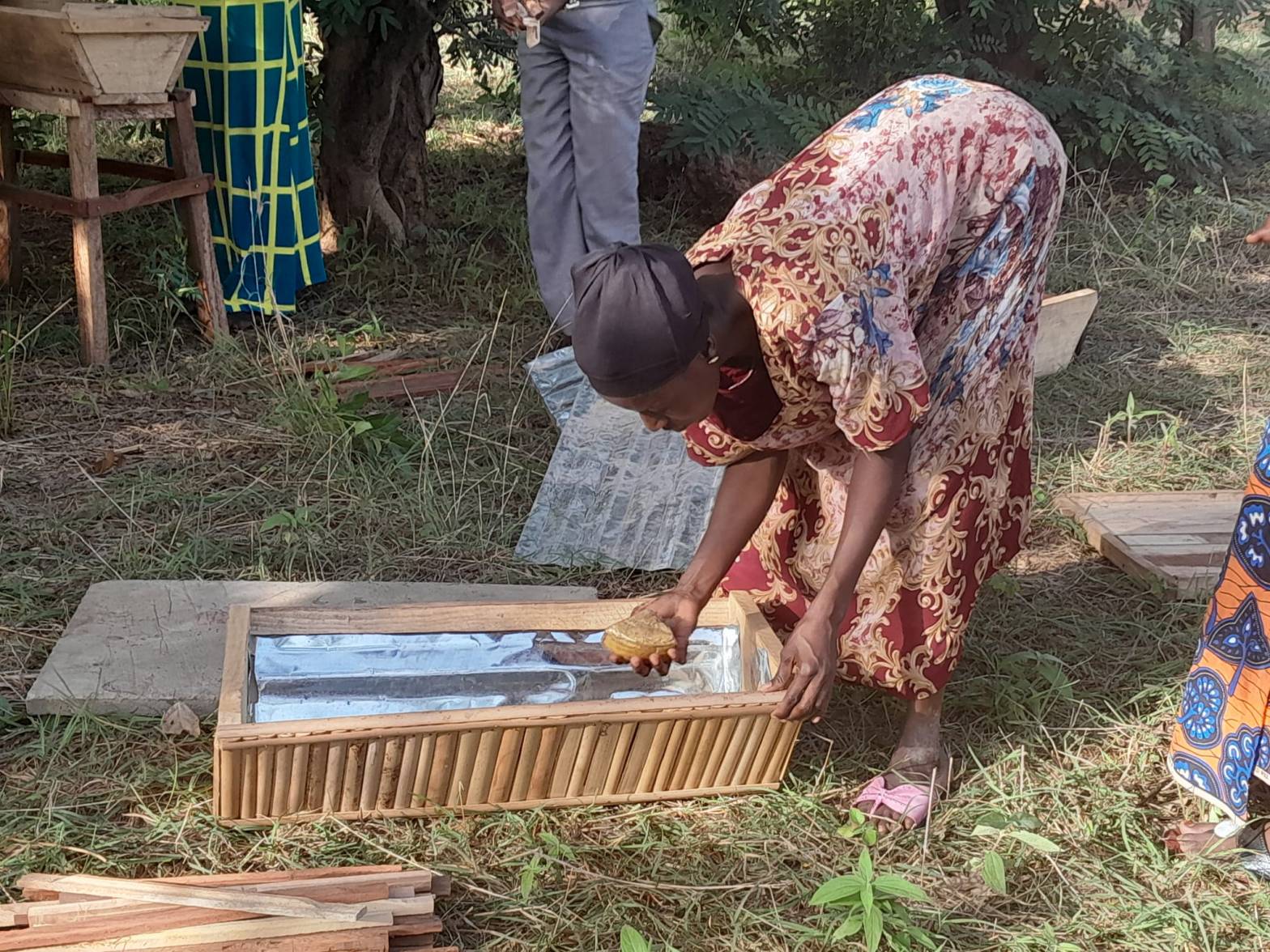
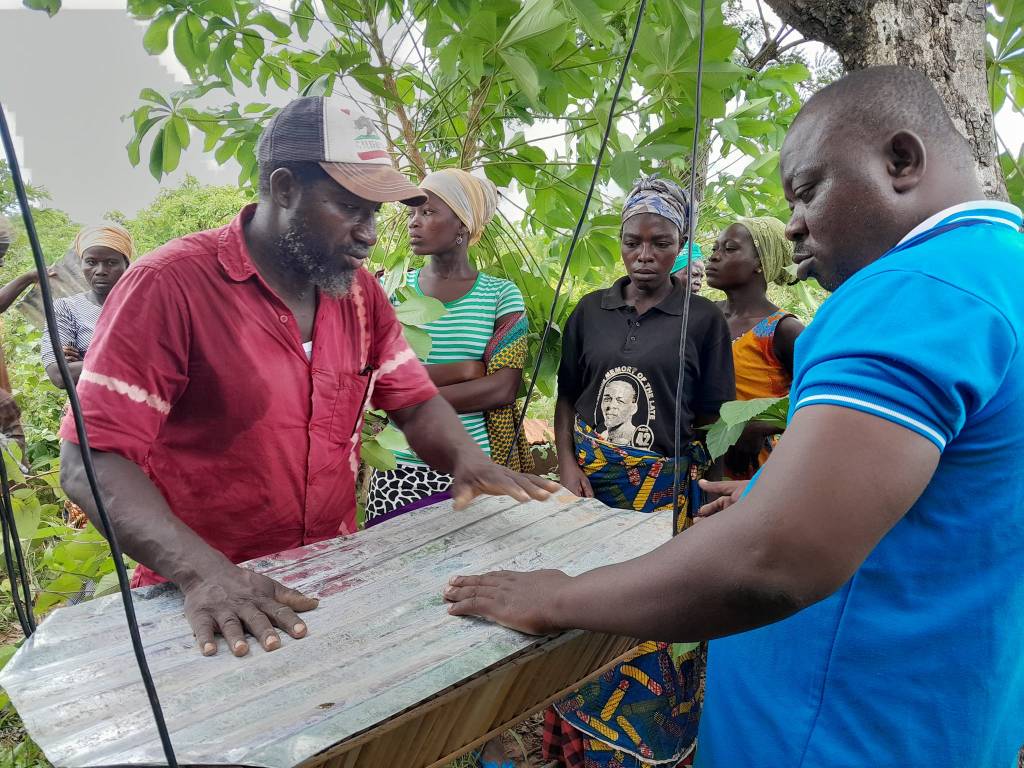
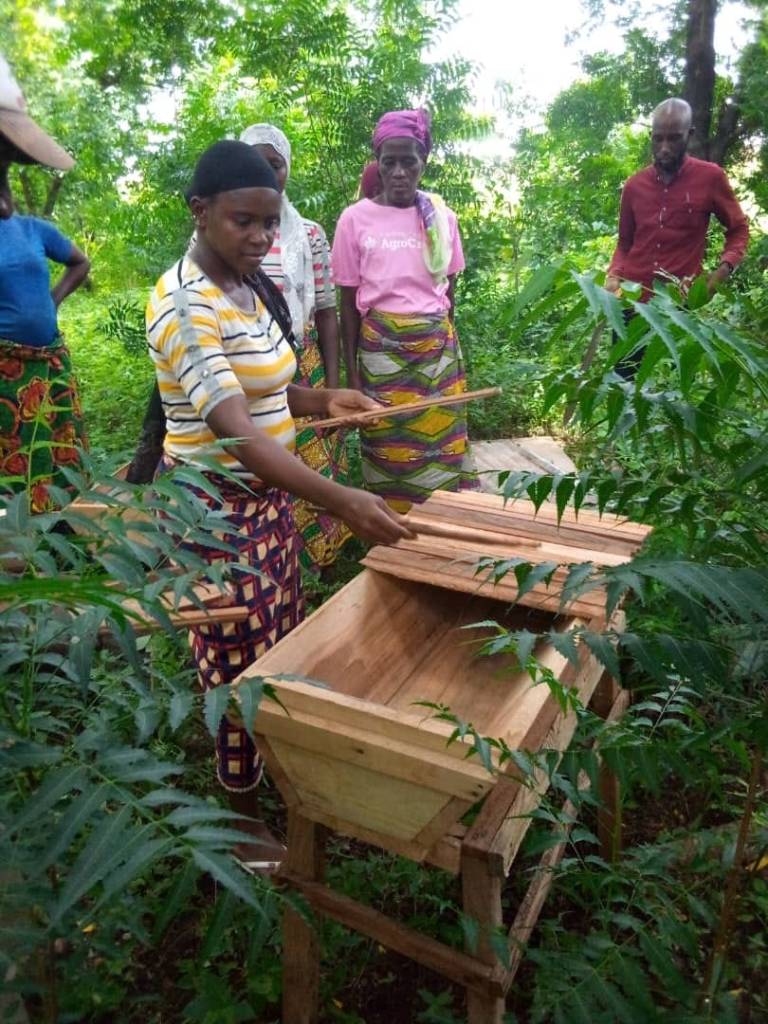
SWIDA – Gh Facilitates installation of Beehives for project communities

The Savannah Women Integrated Development Agency (SWIDA – Gh), has been supporting women in five districts in the Northern Region on beekeeping for livelihood improvement.

Women in the districts, Damongo, Mion, Tolon, Kumbungu and Nanton, have received a series of training on harvesting honey and making it a venture, to support the upkeep of their households’ needs.

SWIDA – Ghana’s activity activity on facilitating for the installation of the beehives, is to enable the women beekeepers improve harvest of honey.

The bee centres are found in communities that have had many of the women make the best of beekeeping as a venture.

The beekeeping centres will serve as demonstration fields for women from neighbouring communities. The hives will help in colonising the hives and making the women harvest more.

The beekeeping under the Sustainable Livelihoods project, which aims at supporting women for better management of the households, is being implemented in partnership with the World Food Programme (WFP).

SWIDA – Gh Builds Capacity of Guidance and Counseling Units

Savannah Women Integrated Development Agency (SWIDA – Gh), a women empowerment Non-Governmental Organization, has organized a capacity building workshop for guidance and counseling units of selected educational institutions in the Northern Region.

The exercise is aimed at raising the capacity of the various guidance and counseling units in Tamale, as a contribution to addressing Sexual and gender-based violence (SGBV).

The workshop, dubbed “The Situational Analysis and Capacity Building Workshop for Guidance and Counseling Units on Addressing SGBV in Educational Institutions” also aims to identify the challenges that counselors face, as it empowers them to address SGBV cases at their various institutions.

Hajia Alima Sagito-Saeed, Executive Director for SWIDA – Gh, stated that fighting SGBV cases is supposed to be a collaborative effort of NGOs, advocates and counselors from educational institutions.

She therefore called for collaboration between the organizations and the schools.

According to the project’s lead officer, Khadijah Abdul – Samed, the workshop aims to increase counselors’ capacity to manage issues and capitalize on opportunities to promote anti-sexual violence as well as protect girls who are exposed to SGBV in educational institutions.

Speaking at the workshop, Madam Linda Amoah, Head of Girls Education Unit at Ghana Education Service, stressed that sexual jokes and spreading sexual rumors should be discouraged in all schools.

Tamale Technical University, Tamale College of Education, Ghana Education Service, and Ambariya Cluster of Schools were among the educational institutions represented at the workshop.

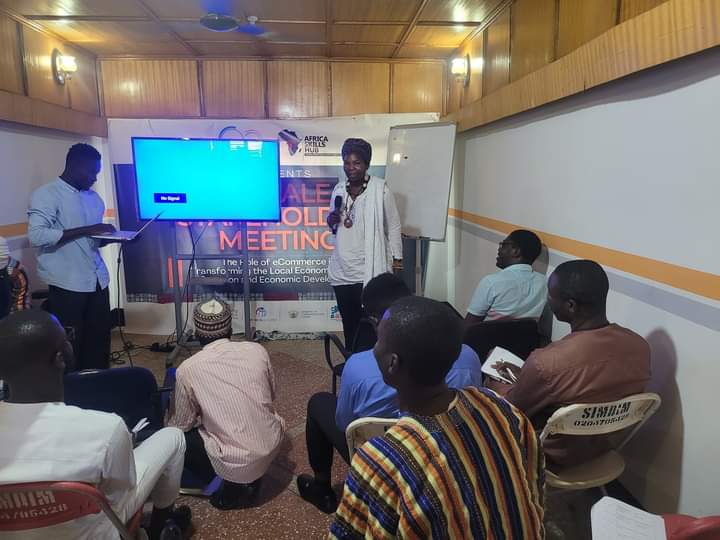
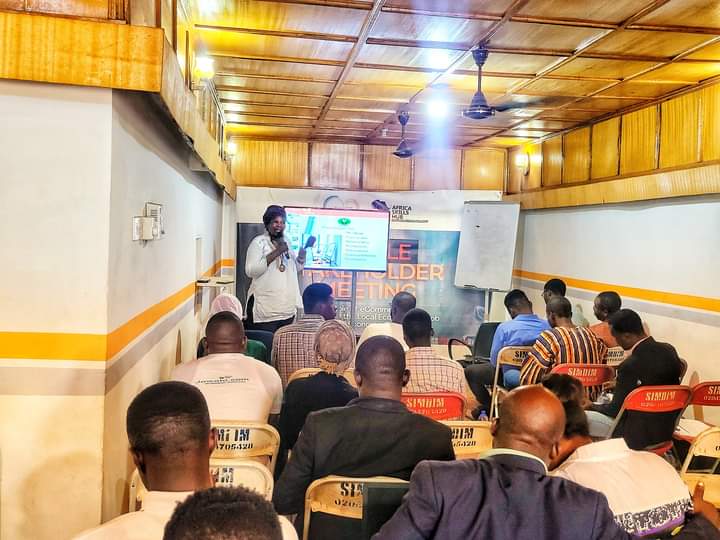
Hajia Alima Urges youth to venture into e-commerce business

Executive Director for the Savannah Women Integrated Development Agency (SWIDA – Gh), Hajia Alima Sagito – Saeed has called on Ghanaian youth to take full advantage of e-commerce business.

Speaking at a stakeholders’ meeting in Tamale, Mrs. Saeed advised the youth to seize the immense opportunities available in the sector to create employment for themselves and their peers.

According to her, the e-commerce industry offers several benefits to small scale businesses, including bringing them closer to their customers and allowing local enterprises to expand globally.

Hajia Alima believes that the e-commerce industry has many benefits that have yet to be completely recognized.

“The e-commerce sector provides enormous opportunities for the youth, but only a small percentage of them are aware of them” she said.

The stakeholders’ stakeholder meeting in which the SWIDA – Gh Executive Director made this call, was organized by Africa Skills Hub, in collaboration with Ghana Tech Lab, under the theme The Role of e-Commerce in Transforming the Local Economy for Job Creation and Economic Development. 

Hajia Alimah Appeals for Youth to be Involved in Terrorism Fight

The Executive Director for the Savannah Women Integrated Development Agency (SWIDA – Gh), Hajia Alimah Sagito – Saeed has been pushing for the youth to be included in the various efforts aimed at fighting the menace of terrorism in Ghana.

In her remarks as chairperson for the peace town hall meeting organized by the Archdiocesan Catholic Youth Council and the Sahel Peace Initiative, Hajia Alimah said the youth are the most vulnerable to terrorist groups’ operations in the Sahel, which necessitates their inclusion in the fight.

The town hall meeting which was organized to help address the youth about the unprecedented level of violence in the Sahel regions brought together various stakeholders including security chiefs, players in the CSO, traditional and opinion leaders, as well as some religious leaders.

Superintendent Siekure A. Amatus, who represented the Regional Commander of the Ghana Prisons Service and Chief Superintendent Mahamud Yussif, who also represented the Regional Commander of the Ghana Police Service, both took turns to make comments on the security of the country, as they noted some of the challenges their departments face which hinder their work.

Representing the traditional authority was the Chief of Choggu, who was accompanied by an entourage from his palace.

The leaders of the Ghana Muslims Association (GMSA) and the Catholic Youth Council (CYA) in the Northern Region also spoke, as they stressed the need for peace in the country.

In her closing remarks, the chairperson of the meeting, Hajia Alimah noted that peace and security are shared responsibilities of all citizens, therefore, the youth must be featured in it.

She however urged the youth to be extra cautious about terrorist operations in the region.

Joshua Amehi, the Coordinator of SPI Tamale Archdiocese and Chairman of the Tamale Archdiocesan Catholic Youth Council, facilitated for the demonstration of how peace building works, as he used the Spider Web Method to show that.

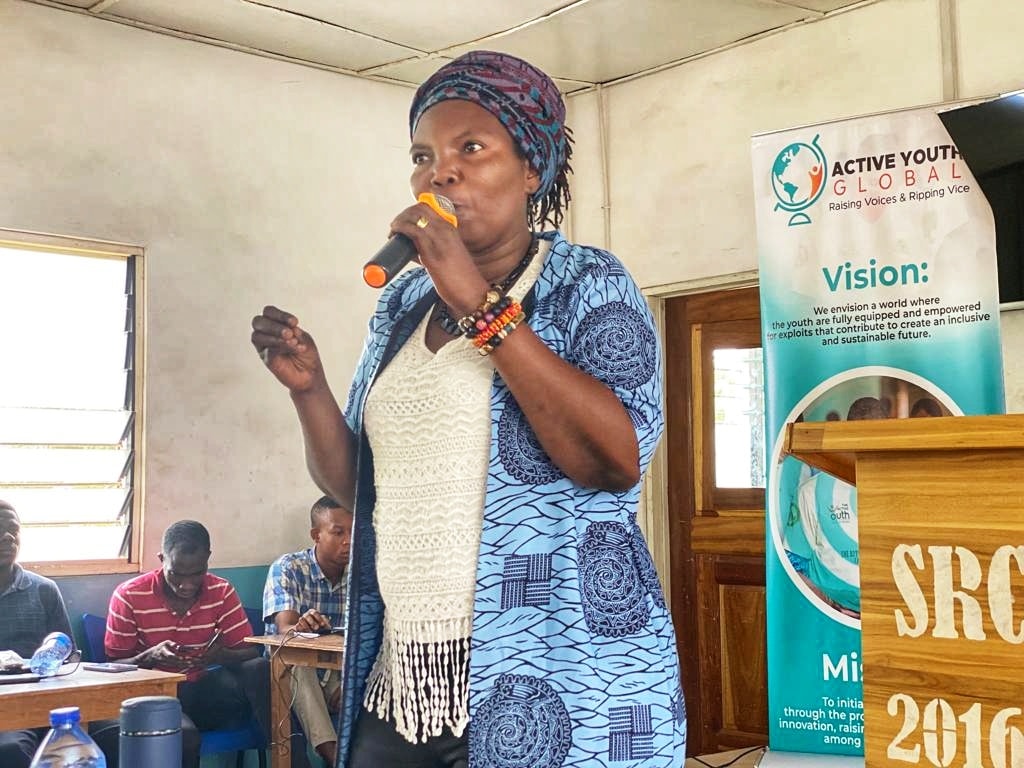
Pictures: SWIDA – Gh through the Active Youth and Total Life Launches YAD in Tamale

SWIDA – Gh is a strategic partner of Active Youth Global and Total Life Empowerment Centre on the project, Youth Against Drugs (YAD).

Executive Director for SWIDA – Gh, Hajia Alimah Sagito Saeed, spoke as a Chairperson and Ambassador to the YAD.

Hajia Alima on behalf of SWIDA – Gh, launched the YAD.