SWIDA Ghana Executive Director Honoured Among the 100 Most Influential Persons in Ghana 2025

SWIDA Ghana Executive Director Honoured Among the 100 Most Influential Persons in Ghana 2025

The Executive Director of the Savannah Women Integrated Development Agency (SWIDA-Ghana), Hajia Alima Sagito-Saeed, has been honoured as one of the 100 Most Influential Persons in Ghana 2025 at a prestigious ceremony held at the Accra International Conference Centre. The recognition, conferred by the esteemed Business Executive Group, celebrates her remarkable leadership, advocacy, and transformative impact on women, youth, and community development across the country.

Hajia Alima’s inclusion among Ghana’s most influential personalities is a testament to her two decades of dedicated service in gender equality, social protection, peacebuilding, agribusiness empowerment, and governance reforms. Through SWIDA Ghana, she has championed initiatives that have empowered thousands of women, strengthened community structures, and advanced inclusive development in some of the most vulnerable regions of the country.

Her leadership has extended beyond project implementation to shaping national conversations on women’s rights, digital inclusion, climate resilience, and preventing violent extremism. Under her guidance, SWIDA Ghana has become a force for change, supporting over 300 women’s groups and leading innovative mentorship programmes for young women.

The award reinforces her influence as a national trailblazer and her commitment to building a more equitable, prosperous, and peaceful Ghana.
SWIDA Ghana Honored as Outstanding Youth Leadership and Mentorship Organization of the Year

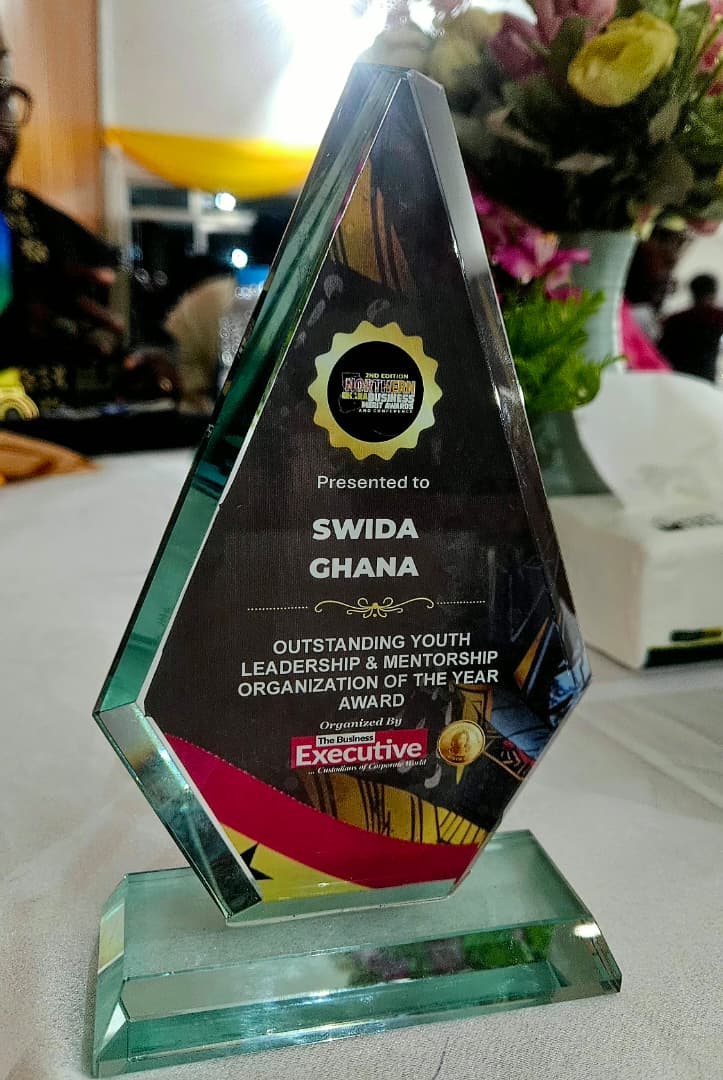
The Savannah Women Integrated Development Agency (SWIDA Ghana) has been adjudged the Youth Leadership and Mentorship Organization of the Year at the 2nd Edition of the Northern Ghana Business Awards and Conference, held on October 18, 2025, at the Modern City Hotel in Tamale.


Organized by the Business Executive Group, the annual awards recognize outstanding institutions and individuals contributing to socioeconomic development, innovation, and leadership excellence across Northern Ghana.


The award acknowledges SWIDA Ghana’s exceptional work in youth empowerment, mentorship, and leadership development, particularly through its flagship Female Leadership and Mentorship Academy (FLMA), which has mentored over 750 young women across various Ghana for the past five years.

The organization’s efforts to nurture confident, skilled, and purpose-driven youth leaders have made significant impacts in promoting gender equality, civic participation, and community development.


Receiving the award, Hajia Alima Sagito-Saeed, Executive Director of SWIDA Ghana, expressed profound gratitude to the organizers for the recognition, describing it as an encouragement to continue investing in the potential of young people.


“This award is dedicated to all the young women and men we work with who are breaking barriers and transforming their communities and our funders who believed in our capacity to show results. SWIDA Ghana remains committed to building leadership that drives inclusiveness, resilience, and sustainable change,” she stated.


The event brought together government officials, entrepreneurs, civil society leaders, and traditional authorities to celebrate innovation and collaboration in driving Northern Ghana’s growth.


SWIDA Ghana’s recognition reinforces its position as a leading civil society organization dedicated to empowering women, youth, and vulnerable groups through leadership training, mentorship, and social enterprise development for sustainable livelihoods.

SWIDA Ghana Holds Dialogue on Policy for Agriculture, Others

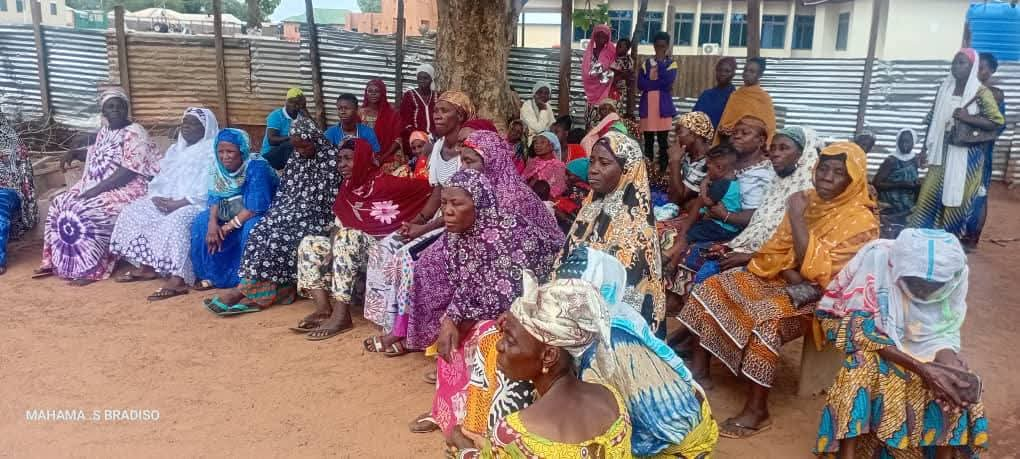
A stakeholders’ dialogue has been held by SWIDA Ghana and partners, aimed at examining government’s existing policies on agriculture and its related economy.

Held in Tamale, the stakeholders’ engagement was also aimed at discussing and making recommendations on how women in the agribusiness space can have access to resources, and market opportunities.

These opportunities, the engagement found to be crucial to the development of the woman farmer, as it enhances the value chain and makes the venture more attractive to women, as well as helps to improve the economic well-being of the rural communities.

Emphasizing on the need for women’s interests to be a key part of the discussion on agricultural and economic policies, Executive Director for SWIDA Ghana, Hajia Alima Sagito-Saeed indicated that even with the challenges, the numbers of women involved in rural farming have increased significantly over the years, thereby making it imperative for the patching of policy gaps to achieve gender-sensitivity.

The dialogue sought to strengthen the collaboration between local authorities and women-led groups, contributing to amplify the voices of women in policy discussions.

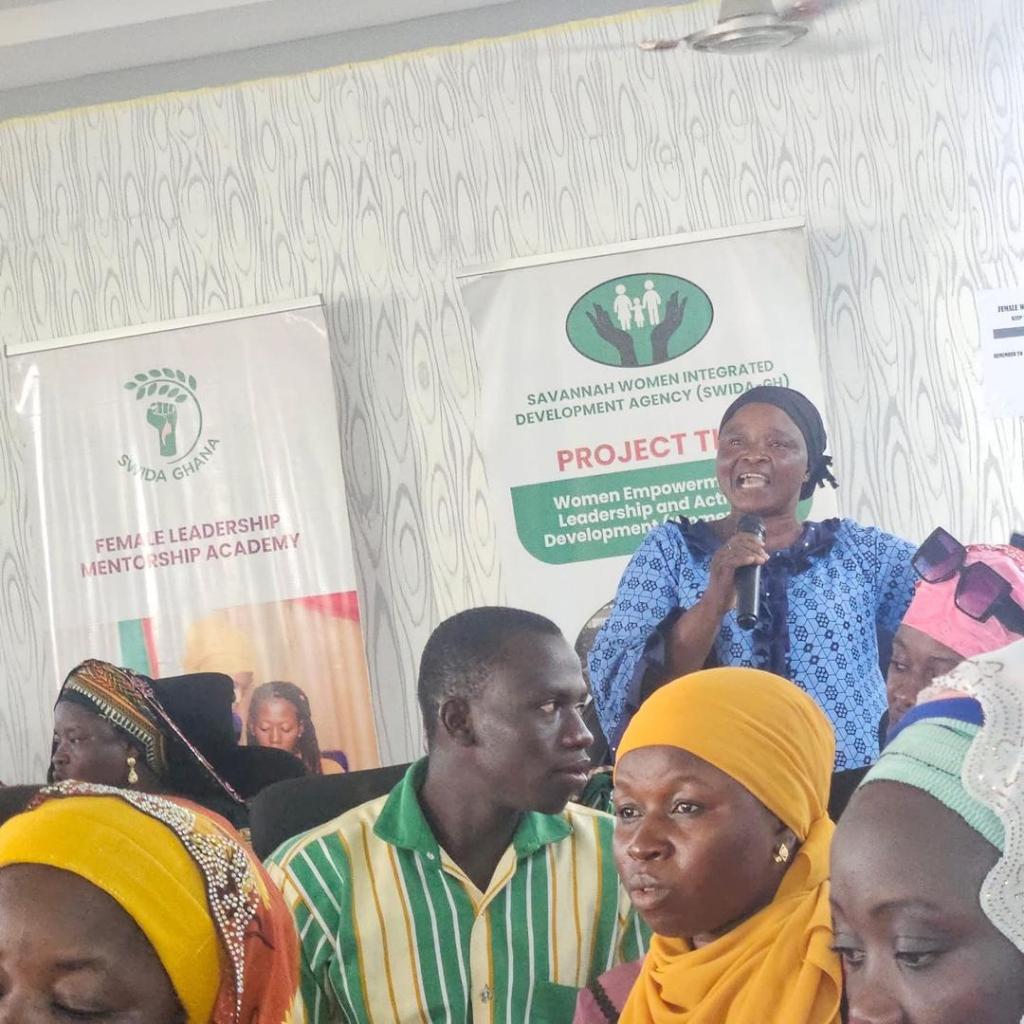
Some of the women farmers who spoke during the dialogue expressed satisfaction with the direction of affairs, after indicating some of the challenges they face in their activities as farmers, especially in the rural areas.

This engagement is part of the activities under SWIDA Ghana’s advocacy initiative, “Strengthening Women’s Voice and Leadership in Agricultural Policy and Economic Justice in Northern Ghana,” being funded by the African Women’s Development Fund (AWDF).

SWIDA Ghana Partakes in Workshop on Unpaid Care Work

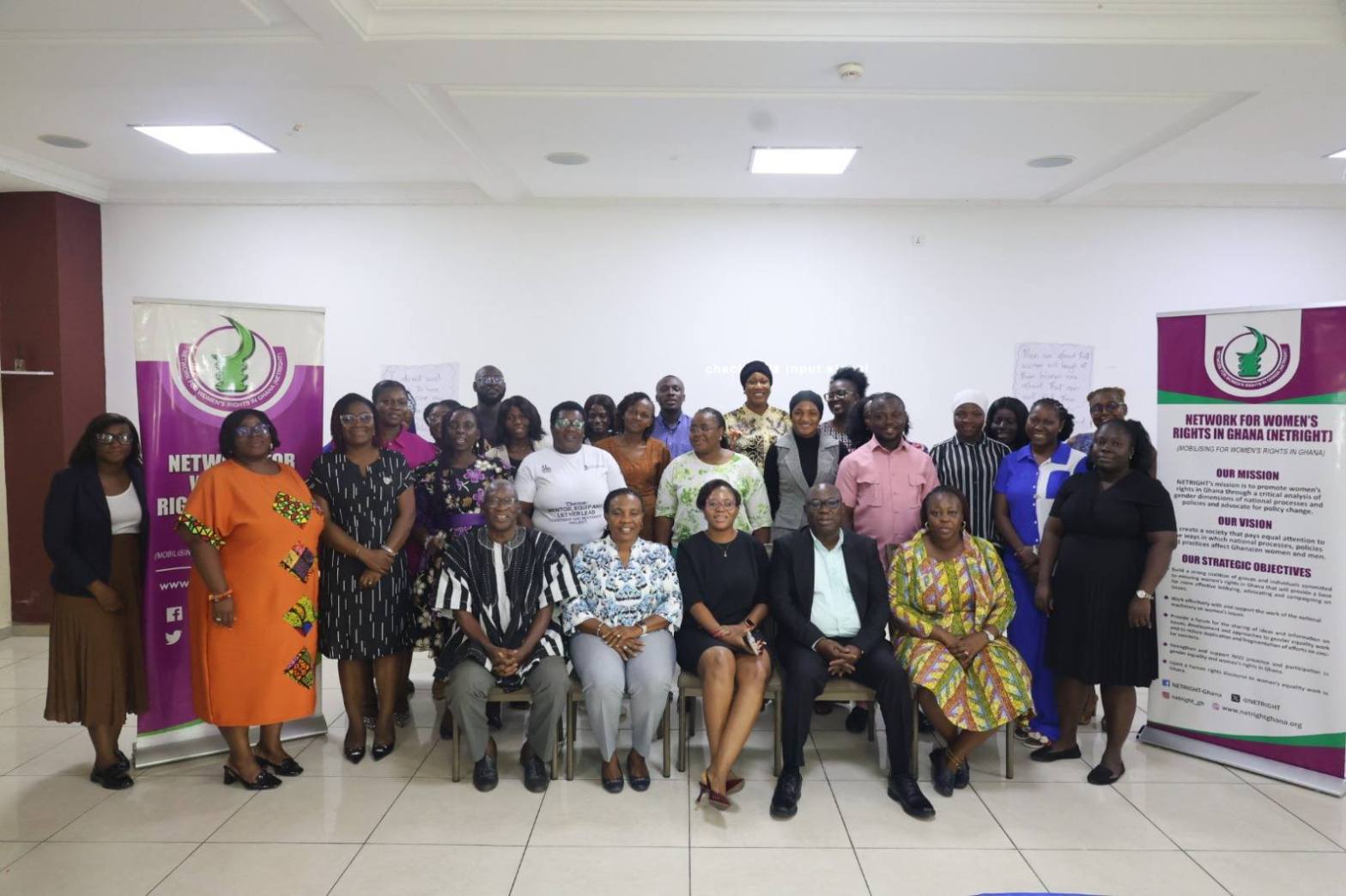
The Gender and Advocacy Officer for SWIDA Ghana, Ms. Patience Basing participated in a two-day national advocacy strategy development training workshop, organized by Netright and Alinea International.

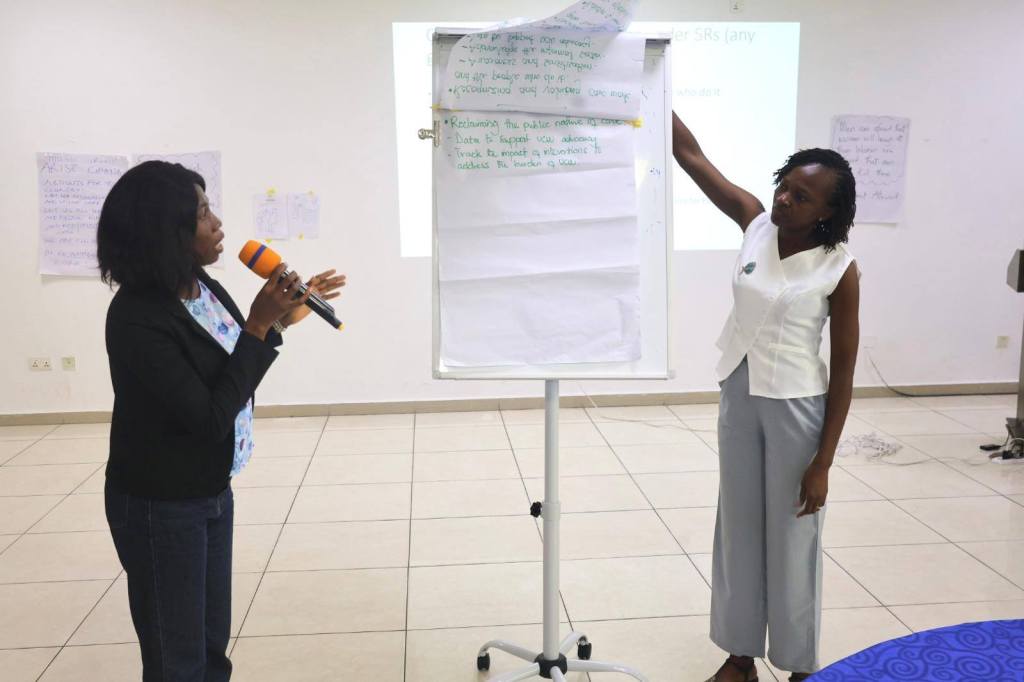
The training workshop is aimed to, as a matter of importance, put a spotlight on all the key areas of unpaid care work and how they can be enhanced for better value, conditions and recognition.

The key areas explored at the training workshop involved the 5 Rs of care work, which include Recognition, Remuneration, Redistribution, Reduction, and Reclaiming, which all point to a demand for the conditions of care work to be improved.

The training featured insightful presentations from lecturer at the University for Development Studies, Dr. Naazia Ibrahim, whose presentation focused on how unpaid care work in Northern Ghana affects women and girls.

A lecturer at the University of Ghana, Dr. Faustina Obeng had the responsibility to connect care work to the broader economy and how improving care work would ultimately feed well into the nation’s economy.

The key areas of shortfall in reward for care work form the foundation for advocacy strategies and solution hunting.

While Ghana has some policies in place to support the recognition and valuing of care work, there are still some gaps which increased advocacy is needed to help in fixing.

SWIDA Ghana, AfriYouth Strengthen Women’s Voices in Agriculture Policy and Trade

The Savannah Women Integrated Development Agency (SWIDA Ghana) in partnership with AfriYouth, has undertaken series of engagements to establish and strengthen women-led advocacy networks, aimed at amplifying the voices of women in agriculture and trade.

The engagements, held in Tamale, were supported by the Africa Women’s Development Fund (AWDF) under the project “Strengthening Women’s Voice and Leadership in Agricultural Policy and Economic Empowerment.”

The session targeted more than 600 women trade leaders including weavers, and women in the formal trade sector across five zones in the Tamale Metro, and Sagnarigu and Savelugu Municipalities.

The trainings brought the women together to form strong regional coalitions to serve as unified platforms for advocacy, mentorship, and peer support in their pursuit of economic rights and justice.

Speaking during the engagements, Executive Director of SWIDA Ghana, Hajia Alima Sagito-Saeed underscored the importance of building the capacities of women leaders to influence policies that directly affect their livelihoods.

She said the initiative was timely, as it empowers women to actively participate in agricultural and economic decision-making processes.

Hajia Alima expressed gratitude to the AWDF for its consistent finding support towards advancing agriculture advocacy and women’s empowerment initiatives in the northern part of the country.

The Executive Director of AfriYouth, Mr. Mohammed Gadafi Mandeya emphasized the importance of the initiative and urged the participants to take advantage of the opportunity to raise their skills, expand their networks, as well as use their collective voices t push for fair policies and access to resources.

The sessions focused on women’s rights and economic empowerment, gender-responsive agriculture and trade policies, leadership and negotiation skills, financial literacy, social media marketing, and other marketing strategies.

Other discussions looked at climate-smart agriculture, social protection for women in the formal sector, and building resilience against economic shocks.

There were special mentorship sessions, and the creation of safe spaces for peer-to-peer exchanges.

The participants commended SWIDA Ghana, AfriYouth, and their partners for the training, saying that the engagement had enabled them to among others, build stronger coalitions and gain new advocacy and leadership skills.

SWIDA Ghana Supports Women to Participate in World Shea Expo

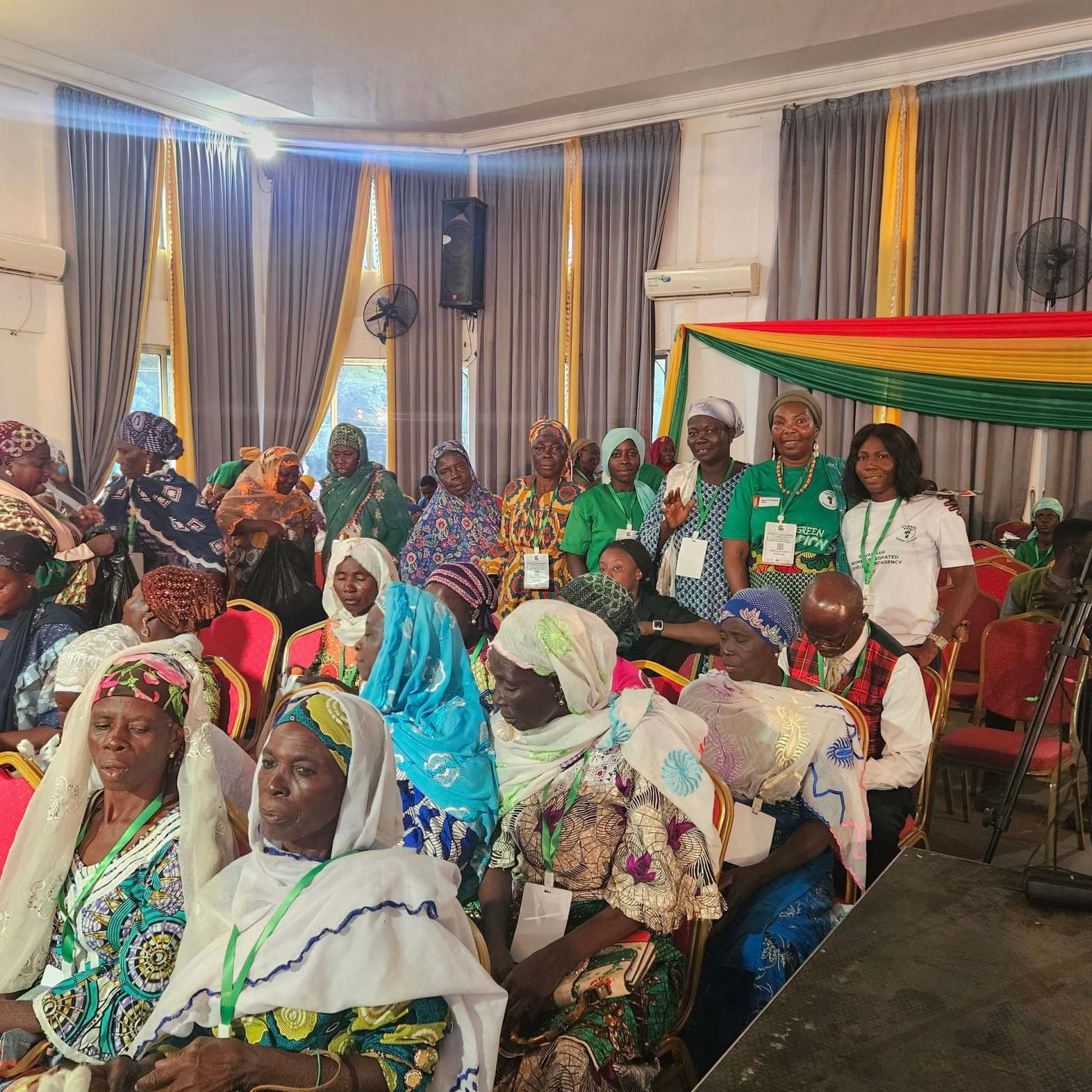
SWIDA Ghana, under the Africa World Development Fund project “Strengthening Women’s Leadership and Voice for Collective Action, has sponsored 50 rural women in the shea value chain, to participate in the World Shea Expo 2025.

Through their participation, the women had the opportunity to showcase shea products, engage in learning and exchange visits, and take part in national advocacy meetings.

As part of the take outs at the Expo, the women were able to establish market linkages, secure direct sales, and ultimately improved their profit margins.

This exposure enhanced their leadership skills, confidence levels, and collective voice abilities, positioning them as active contributors to agricultural and trade policy influences.

Speaking after the Expo, a representative of the Wunintira Women Shea Cooperative said “The Expo taught us about quality standards and connected us directly to better-paying markets.”

SWIDA ED Graces World Shea Expo as Panelist

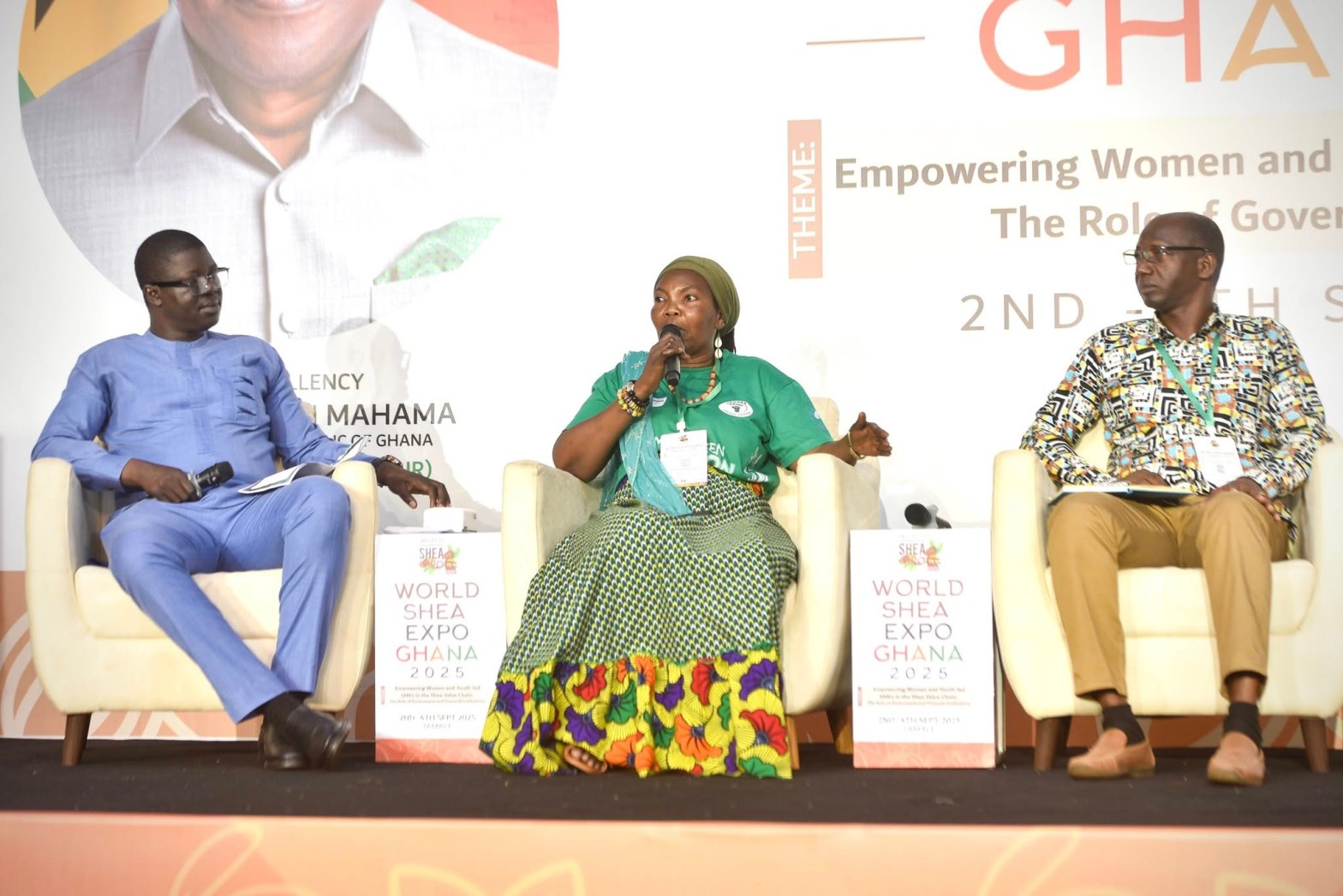
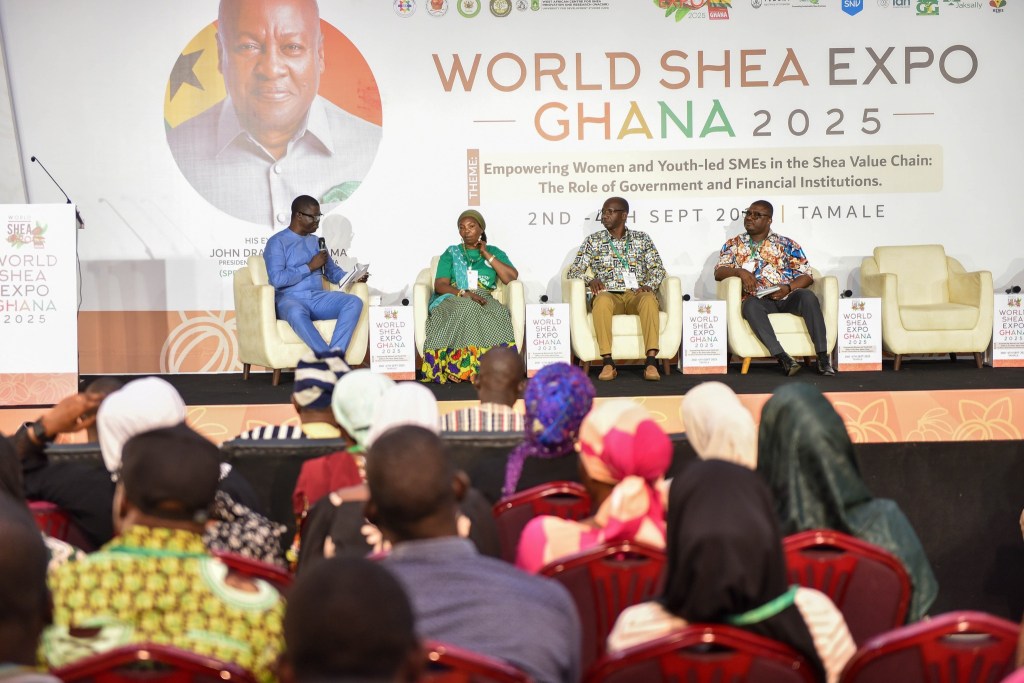
Executive Director for SWIDA Ghana, Hajia Alima Sagito Saeed has been selected as one the panelists at the 2025 WORLD SHEA EXPO in Tamale.

The initiative which was aimed at connecting stakeholders and actors in the shea industry, took place at the Modern City Hotel in Tamale.

Hajia Alima spoke on the topic “Building Bridges Across the Shea Value Chain”, where she indicated that building business bridges in the Shea value chain is possible through enhanced connections, capacity, and mentorship.

According to Hajia, this can be achieved through a number of strategies and initiatives, including Strategic Partnerships, through collaboration with businesses, organizations, and stakeholders to leverage strengths and expertise, Capacity Building, by providing training and mentorship to enhance skills and knowledge of Shea value chain actors, Networking, by Fostering relationships and connections among Shea value chain stakeholders to drive growth and innovation.

Hajia Alima added that by building these bridges, there will opportunities to drive innovations, and promote sustainable growth in the Shea industry.

The World Shea Expo is an event held every year, to advance the course of developing the Shea value chain and to encourage business mindset among actors in the industry.

SWIDA Ghana Holds Session on SGBV for SHSs

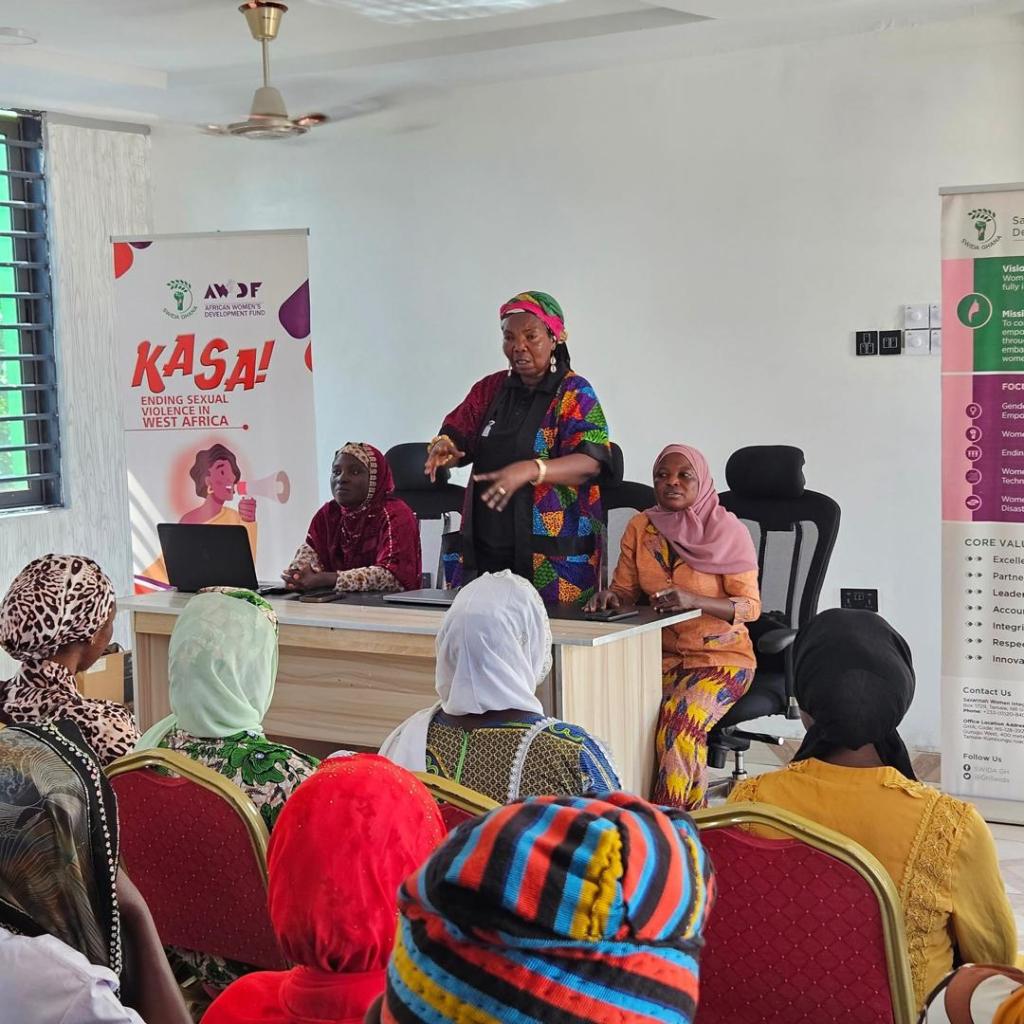
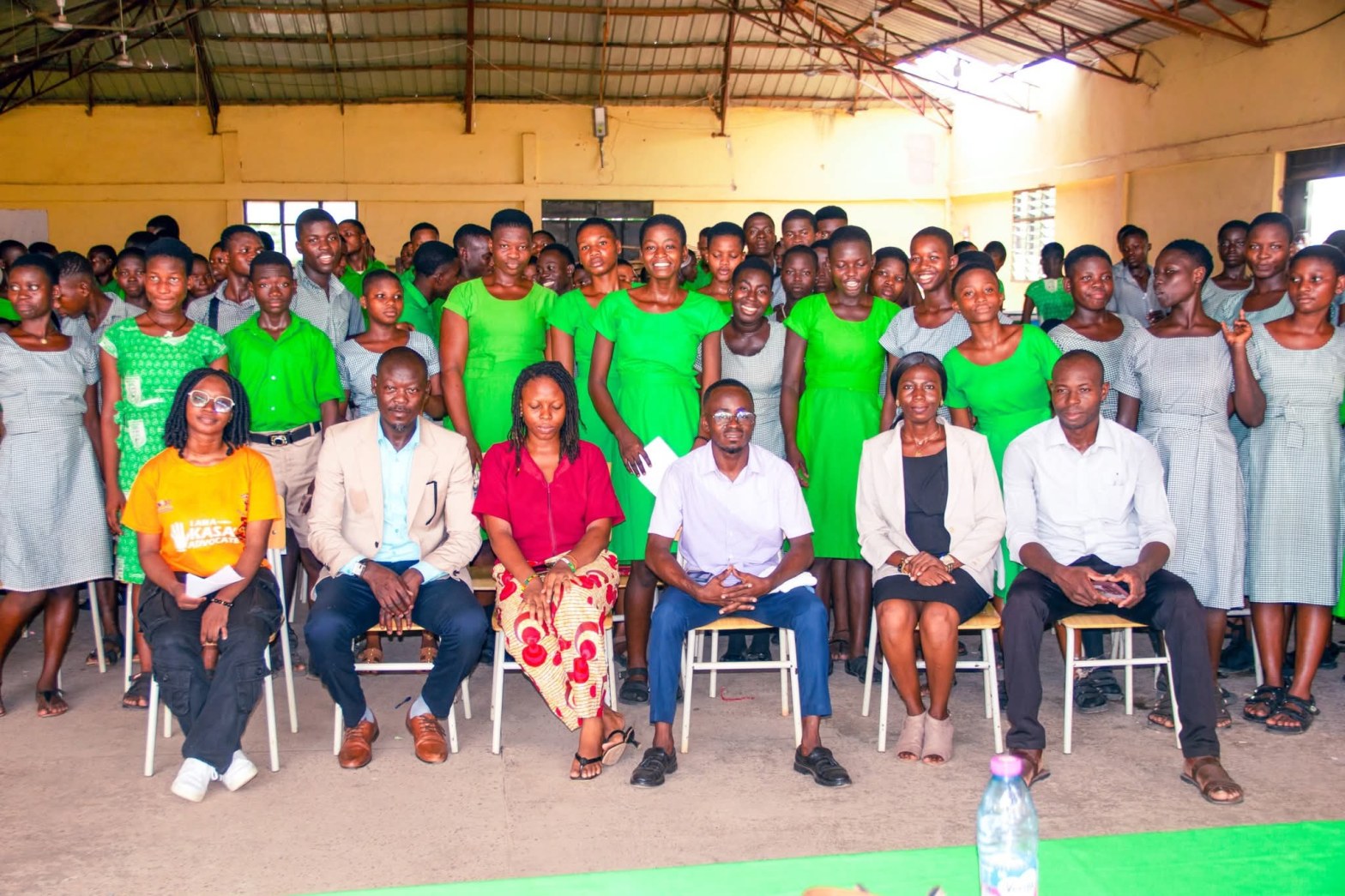
SWIDA Ghana has successfully concluded an insightful session designed to equip Senior High School students with the knowledge and tools needed for life beyond school and how to handle SGBV.

The key areas the innovative programme discussed included Career and Educational Pathways, Emphasizing the importance of setting career goals and pursuing further education, and Financial Literacy, which deals with understanding money management, budgeting, and planning for the future.

Other areas included Essential Life Skills and Setting Priorities – Highlighting the importance of self-development and prioritizing career advancement before marriage, as stressed by SWIDA’s Gender Officer.

The Project Lead for Kasa! Ending Sexual Violence addressed the root causes of sexual violence, which include, but are not limited to poverty and inequality, as she shared strategies for prevention, including legal frameworks and government initiatives.

The session was aimed at empowering young people to make informed decisions, build confidence, and contribute meaningfully to their communities’ development.

SWIDA Ghana Continues to Promote Gender Equality through the UCARE Project

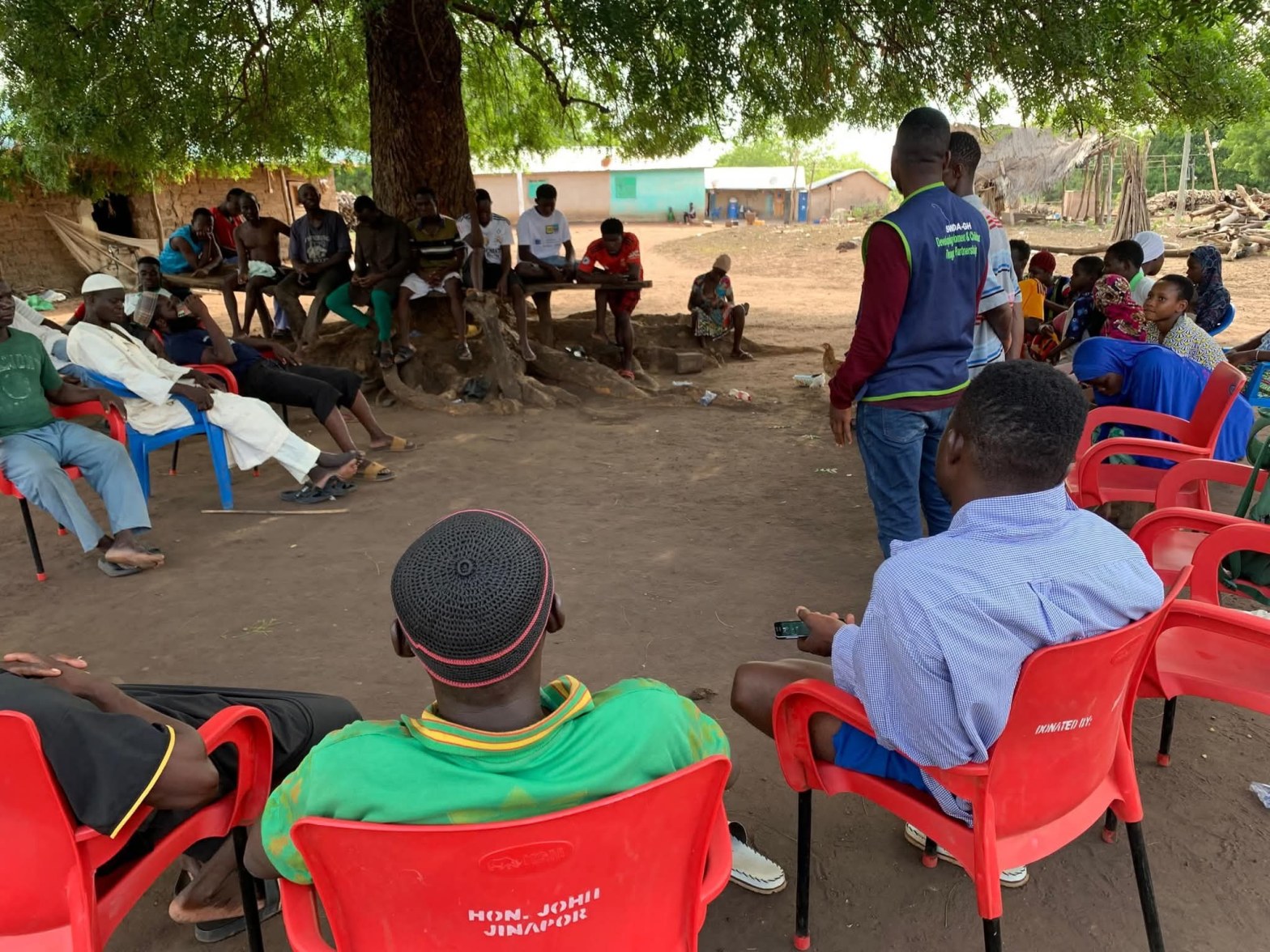
SWIDA Ghana has been making strides under the UCARE Project, focused on Unpaid Care Work, Time Poverty, and the Gender Model Family approach.

The organization’s dedicated field officers led sensitization meetings to deepen awareness on the importance of equitable care work and challenging existing gender norms.

Together with community leaders, there was a successful agreement on the selection of Gender Model Family Champions being individuals who will lead by example in promoting balanced roles and responsibilities in their homes.

As part of the activity to drive inclusion, some of the selected champions from the communities were introduced to the audiences, with the expectation that their leadership will be instrumental in driving positive change.

SWIDA Ghana Hands over Fish Pond to Nyensabga Community in Karaga

SWIDA-Ghana, in partnership with the World Food Programme (WFP), has successfully established an integrated Syntropic Agroforestry Farm in the Nyensabga community, located in the Karaga District.

This initiative is aimed at boosting food security, nutrition, and income generation. The farm will support vegetable crop production for both household consumption and commercial purposes.

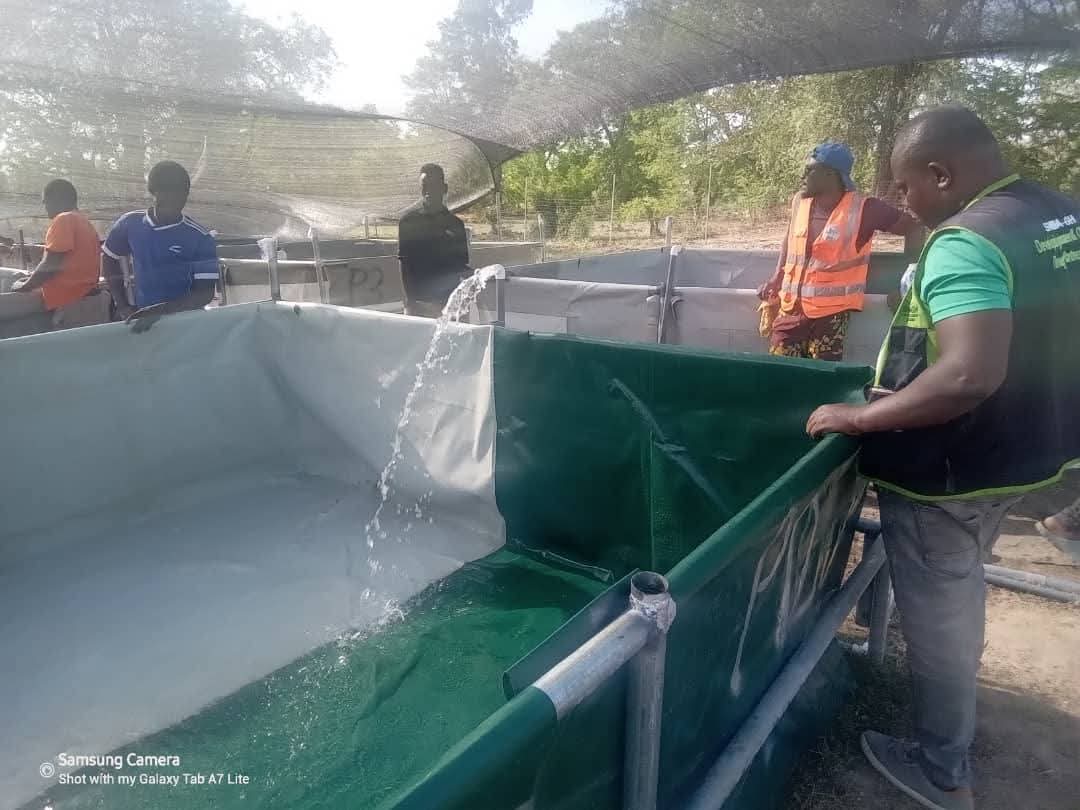
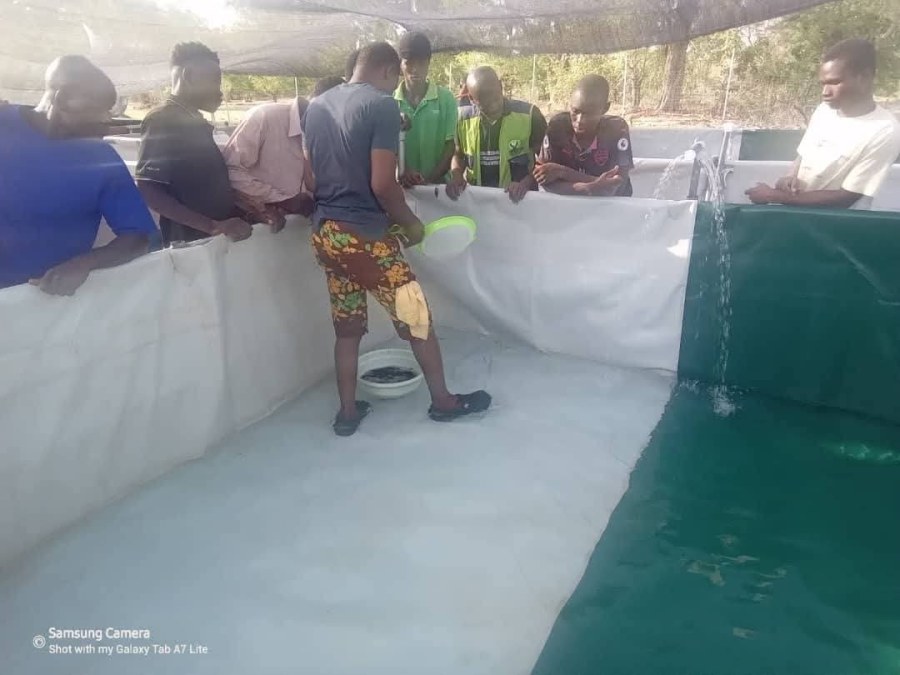
As part of the integration, a tarpaulin fish pond facility stocked with 3,000 seed fish has been constructed, to enhance protein intake and create an additional source of income for the community.

To ensure long-term sustainability, community members have been fully trained in fish pond construction, installation, and management, equipping them with practical skills and ownership of the project.

The main objective of the project through the partnership between SWIDA Ghana and the WFP is to build resilient and self-sufficient communities through innovative and climate-smart agriculture.