The Savannah Women Integrated Development Agency (SWIDA-Ghana), has engaged the Tong and Bagli communities in some homestead activities to help them improve their climatic and social resilience.
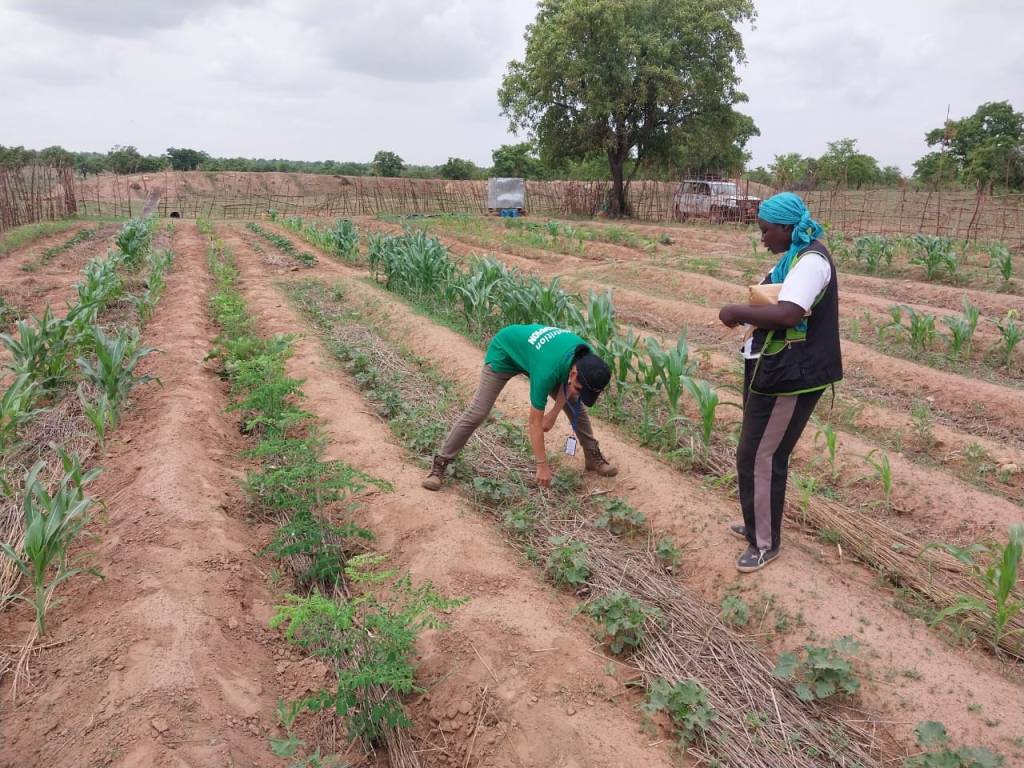
The activity, which had young men go through sustainable tree planting techniques such as eye brow and micro trench techniques for tree planting were excited, as they highly participated in the various exercises.
The eye brow and micro trench technologies help to conserve water that provide adequate moisture for the sustenance of the trees.
Other homestead resilience activities implemented were the construction of improved stoves that require minimum fuel for cooking, as it minimizes emission into the atmosphere.
The improved stove also helps in reducing deforestation because of the minimal fuel required by the stove for cooking.
Beneficiary vegetable gardens were also supervised and provided technical agronomic advice as part of building resilience.
By close of the year it is expected that a minimum of 3000 households should have planted at least a mango, moringa, acacia, cashew, orange, pawpaw, and other economic trees, each household should have improve energy consumption stoves, vegetable gardens, hydroponic for ruminants, and other homestead technologies.
The DFAT Project being implemented in communities for sustainable environment and climate resilience in rural communities is funded by the World Food Programme.
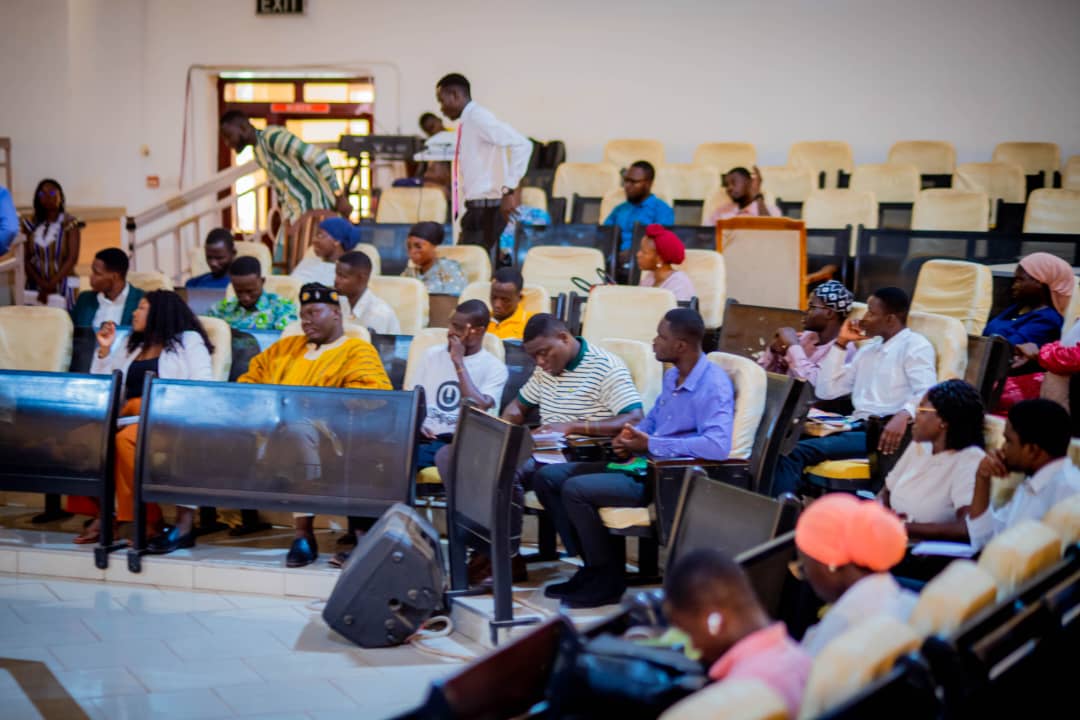
The Savannah Women Integrated Development Agency (SWIDA-Gh), has held a Town Hall meeting to deliberate on issues of climate change, and how the youth can play a major role in the issues of climate resilience in the Northern Region.
The Town Hall meeting, which brought together youth groups and major stakeholders, also pushed for clearly spelt out linkages to be made among climate change, democracy and civic responsibilities, especially, of the youth.
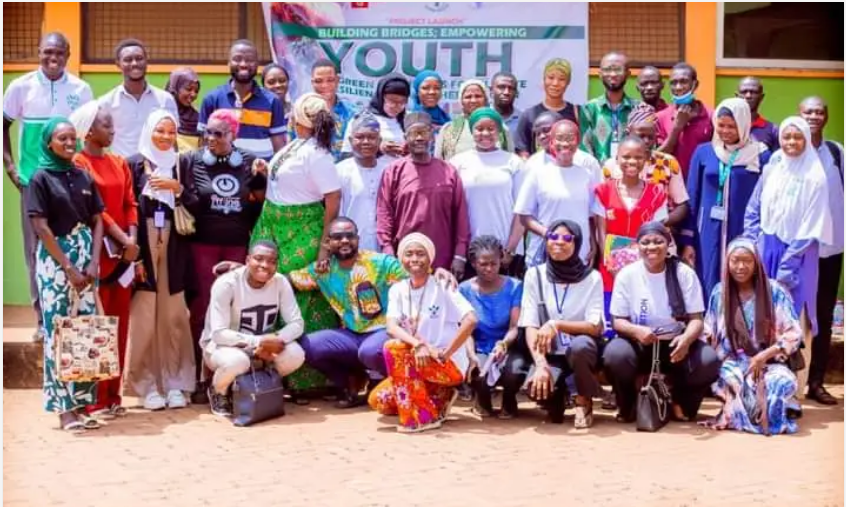
The meeting is part of activities under the project “Building Bridges: Empowering Youth as Green Champions for Climate Resilience in Northern Region “.
Various youth groups were represented at the town hall meeting, including members of the Tamale Offline Hangout, leadership of the UDS Central SRC and some students and leadership of the Northern Regional Youth Parliament.
Also present were representatives from the Red Cross Society of Ghana and members of the public.
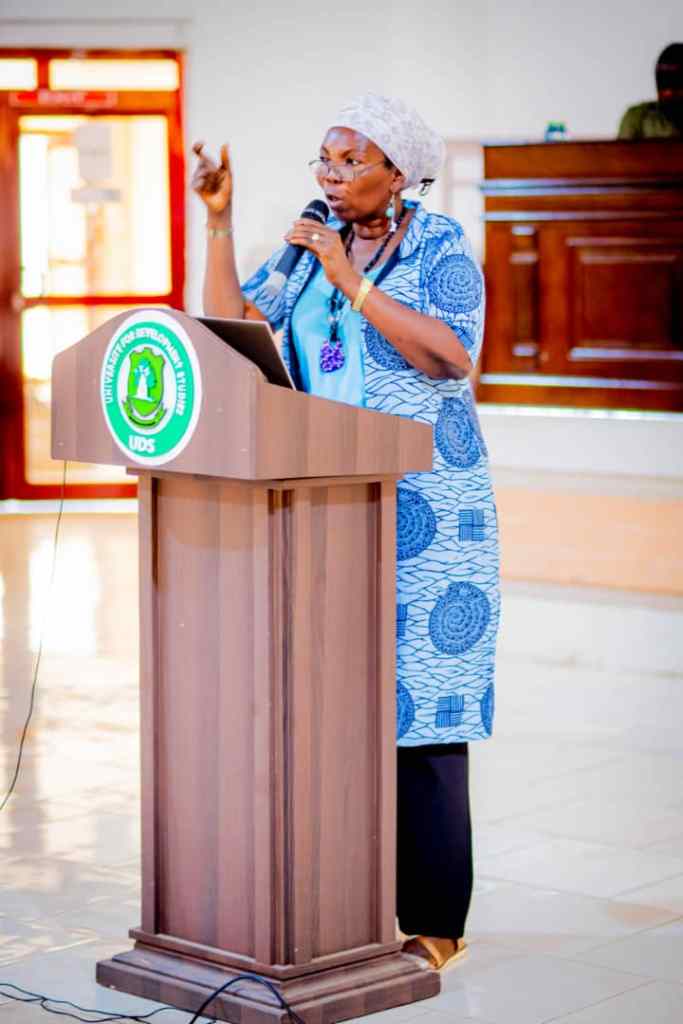
In her welcome address, the Executive Director for SWIDA-Ghana, Hajia Alima Sagito-Saeed called on all youth groups present to take the fight on climate change beyond the meeting and put in action to help reduce the effects of climate change on the environment and human activities, including agriculture.
Explaining the main objective of the project, Hajia Alima urged the youth leaders and members to take on leadership by driving the course of governance, holding leadership accountable and ensuring their voices are heard in governance.
“Politicians will tell you what they think you want to hear but let them know what you want to be included in their manifestos. Ask what their interpretation of the SDG 13 is and what are their strategies and plans to see them happen. What change are you bringing with regards to this very crucial and urgent matter of Climate Change?” she said.
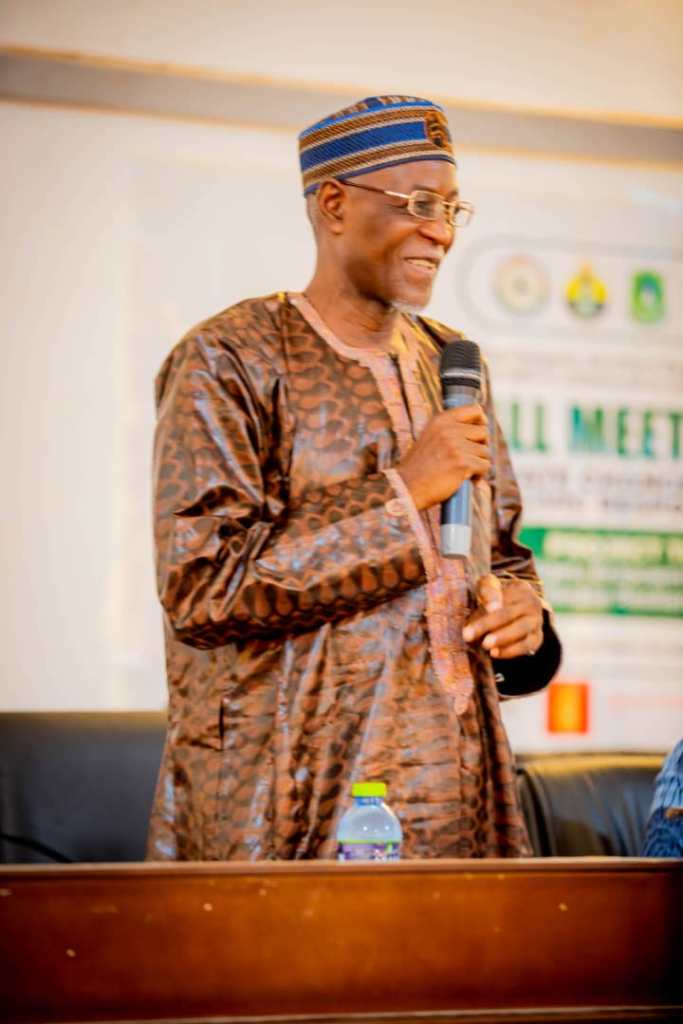
Chairperson of the meeting and former Northern Regional Director of Education, Alhaji Haroon Cambodia said the effects of climate change on the weather are alarming and directly affecting even the human body, therefore, all must be included in ensuring the resilience fight is won.
“In all my years in the Northern Region, never have we ever recorded such heat waves; it is unprecedented and we need to be intentional about combating climate change. Once you know the problem and the solution, do something about it”, he said.
The Chief Whip for the Northern Youth Parliament, Abdul Razak in a presentation urged participants to engage in steps towards adaptation to the scourge of climate change, by reducing carbon emissions, advocating for sustainable policies and participating in community efforts aimed at the adaptation drive.
Founder of Girls to Women, Hajia Mariam Iddrisu reassured hope for winning the fight, if all are to play their roles by contributing efforts no matter how small, as SWIDA-Ghana has paved the way with the Town Hall meeting and other activities.
Administrator for the University for Development Studies, Mr. Alhassan Ziblim said climate change is with the environment, therefore, something must be done about it, as he expressed joy to see the youth is taking up the fight and leading.
Two debate motions were set for the day;
Is the Ghanaian Government doing anything to combat climate change issues or is simply doing politics with it by making policies without implementation strategies? and
Are Ghanaians doing enough against climate change?
At the end of the meeting, it was established through the debate teams that the issue of climate change is a serious one and all hands must be on deck to reduce its negative impact on the environment.
It was also clear that governments have not done enough to reduce the negative impact of climate change, therefore, citizens must rise up and seek accountability from leaders, to push them to invest more and push more policies aimed at minimizing the impact.
Executive Director, Hajia Alima Sagito-Saeed shares her experience on the real life changing consequences of migration due to climate change on women, girls, youth, the very vulnerable and communities in general.
She was speaking in an interview with the Award Winning Climate Change Journalist in Ghana for a feature story Mohammed Fugu.
A two-day workshop has been held in Tamale, aimed at building the capacity of some selected community champions on climate change adaptation and mitigating factors.
The other objective was to introduce participants to some local and international guidelines and key concepts on climate change and how the youth can leverage the guidelines to advocate for the protection of lands and other water bodies in their communities.
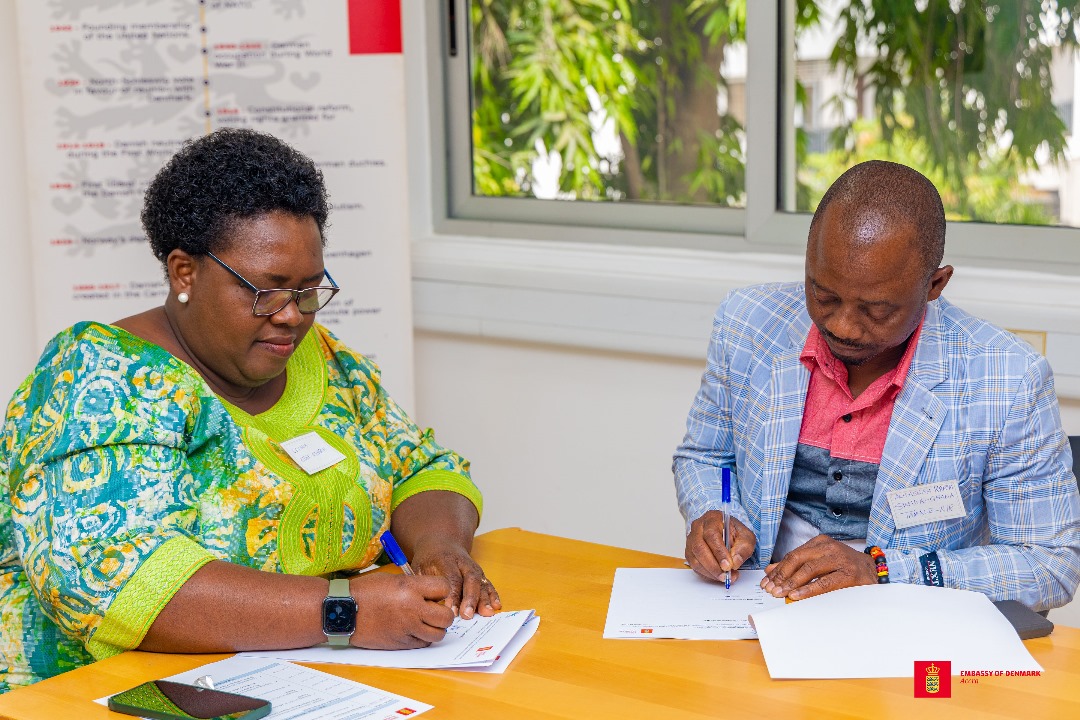
The workshop was organized by the Savannah Women Integrated Development Agency (SWIDA Ghana), in partnership with the northern regional chapter of Activista Ghana, both NGOs, with funding from the Embassy of Denmark in Ghana.
This activity forms part of the implementation of the project titled “Building Bridges: Empowering Youth as Green Champions for Climate Resilience in Northern Ghana”, which targeted 25 youth groups in the region.
Participants included selected leaders of youth advocacy organizations in Tamale Metro and Sagnarigu and Savelugu Municipalities.
Project Lead for the Building Bridges project, Mr. Oseini Kabiru, speaking during the workshop said this was to empower the youth on how they can actively participate in preserving the natural resources in their communities.
He therefore called on young people to not relent on their efforts to contribute to change regarding climate issues, adding that its impact was posing an existential threat to their overall well-being.
Member of the United Force for Development and Climate Change Reality Fellowship, Mr. Abdul Mumin Yussif, educated participants on some of the national and international frameworks on climate change, as well as how the youth could take advantage of the existing policies to help increase awareness on the issue.
He however encouraged the use of renewable energy, as it helps in reducing carbon emissions and air pollution.
Northern Regional Coordinator for Activista Ghana, Mr. Issahaku Abdul Latif expressed the need for a united voice among young people to help advocate for the implementation of various policies and programmes that best safeguard the environment.
For her part, the Executive Director for SWIDA-Ghana said it was unfortunate that Ghana was signatory to a number of climate change policies but has failed to implement them to enhance the livelihoods of the people.
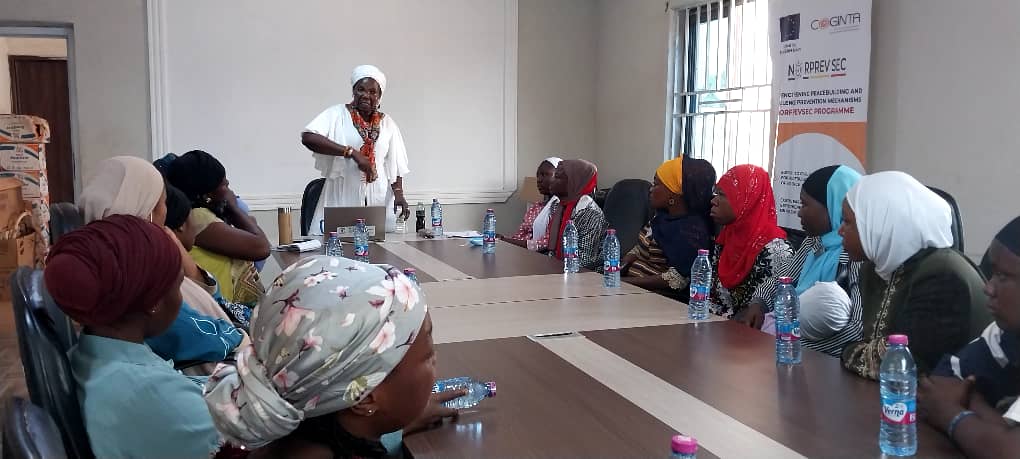
In response to emerging challenges and the evolving landscape of terrorism threats in the West African sub-region, the United Nations Development Programme (UNDP), in partnership with the Ministry of National Security, with funding from Governments of Australia and German, has initiated a comprehensive review of Ghana’s National Framework for Preventing and Countering Violent Extremism and Terrorism (NAFPCVET).
The National Framework, launched in 2019, was devised as a strategic blueprint to combat the spread of Violent Extremism and Terrorism (VET) within Ghana and the broader West African region. However, gaps identified during its implementation necessitated a thorough examination to enhance the nation’s defence against potential terrorist activities.
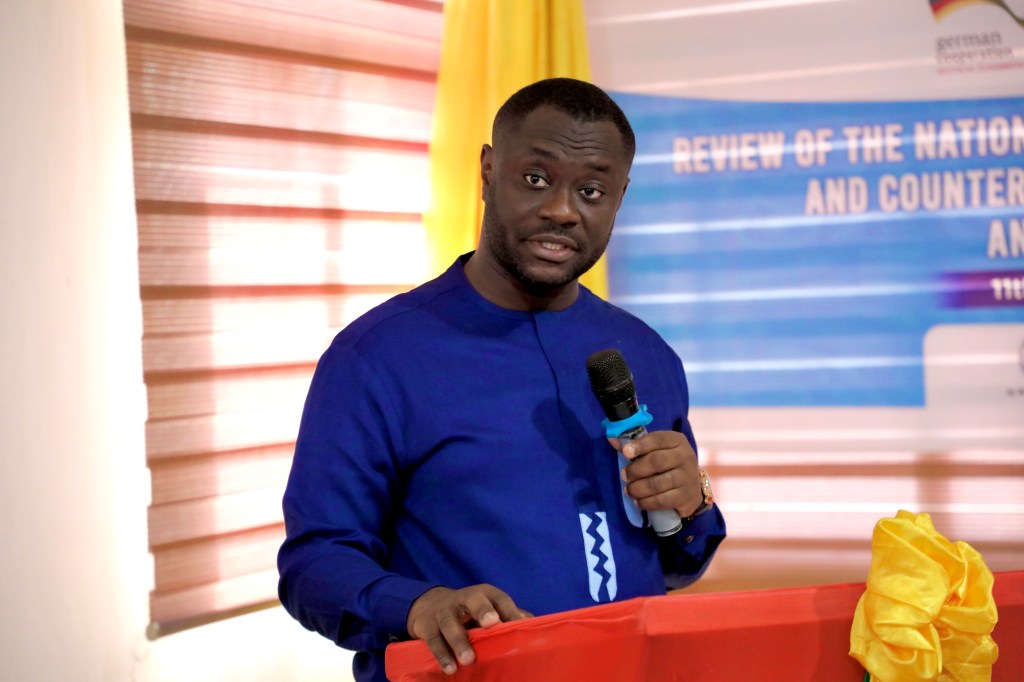
Sukhrob Khoshmukhamedov, UNDP’s Deputy Resident Representative in Ghana, highlighted the urgency of the review process, considering the shifting global terrorism landscape.
“Addressing issues of inequality, marginalization, access to education and healthcare, promoting economic development in deprived communities, and fostering inter-communal dialogue are critical components of our counter-terrorism strategy,” emphasized Khoshmukhamedov. “As UNDP, we stand ready to support Ghana in implementing these measures to address the underlying drivers of extremism.”
Emmanuel Dadzie, the Technical Director at the Ministry of National Security, emphasized the significance of continuous cooperation among international partners in confronting the global threat of terrorism. He acknowledged the support of UNDP, Australia, and Germany in facilitating the review process, highlighting their commitment to enhancing security cooperation with Ghana.
“The review exercise marks a pivotal moment in shaping the path of change for our security architecture. It is imperative that we evaluate our successes and failures, identify emerging threats, and develop robust measures to safeguard the state against terrorism and violent extremism,” stated Dadzie.
During the review, participants assessed the effectiveness of the NAFPCVET, focusing on its six guiding principles and four strategic pillars: Prevent, Pre-empt, Protect, and Respond. Key objectives included taking stock of existing knowledge on emerging threats, identifying integrated approaches, showcasing good practices, and suggesting ways to strengthen the prospective framework.
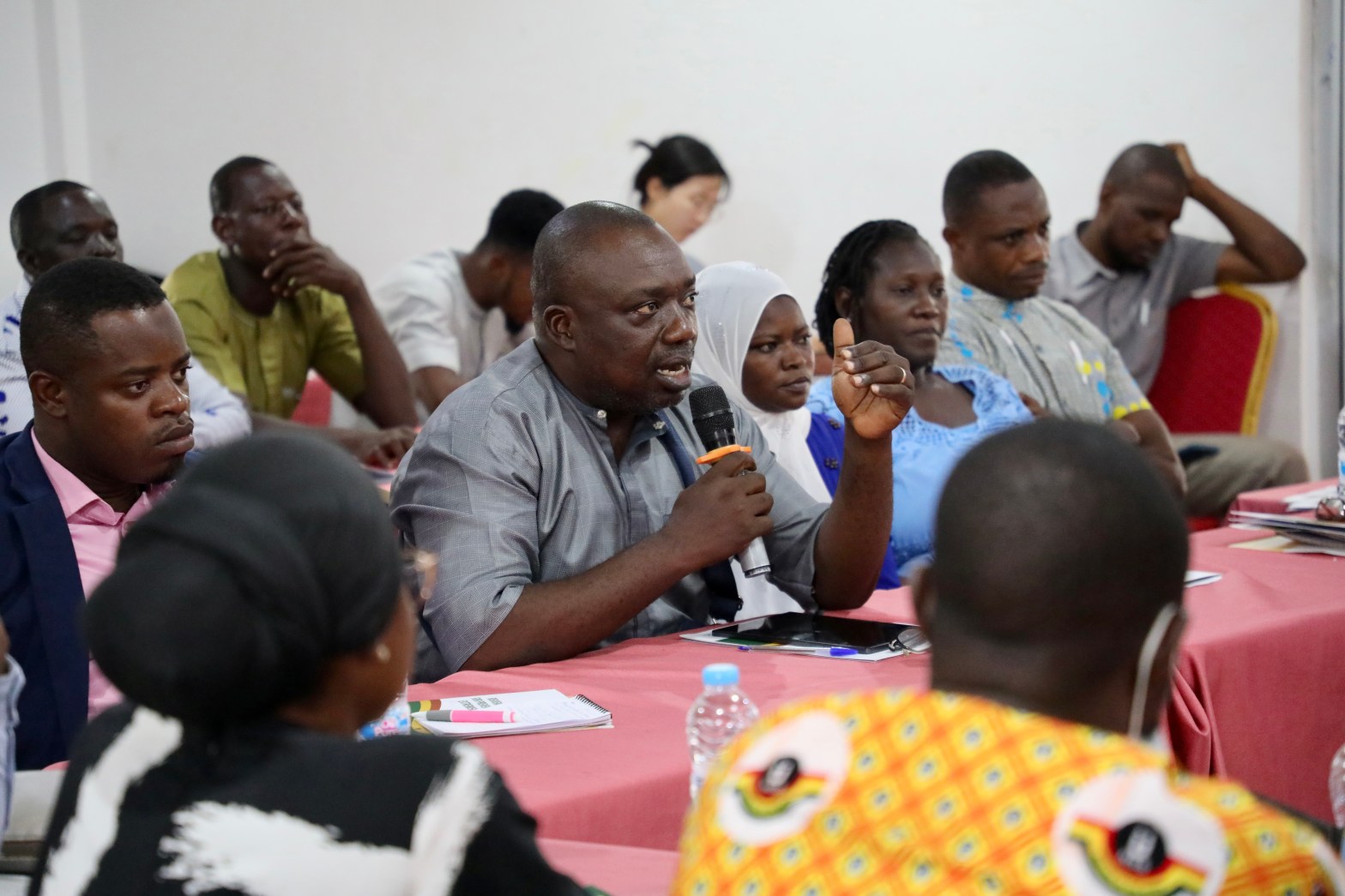
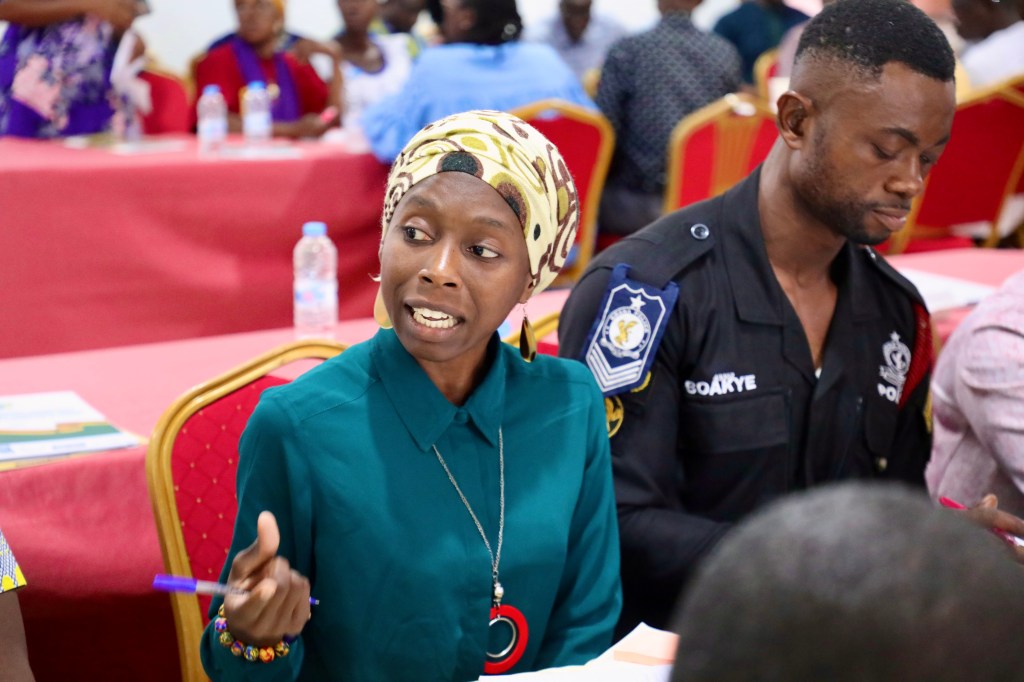
Khadijah Abdul Samed, a Communications and Gender Officer at Savannah Women Integrated Development Agency (SWIDA Ghana), shared her insights on the review process, stating, “I am truly impressed by the breadth of perspectives and innovative solutions shared by stakeholders during this review process. Prior to this exercise, my familiarity with the framework was limited, but engaging in these discussions has significantly deepened my understanding. I am particularly pleased with the proposed addition of a monitoring and evaluation component to the framework, as it introduces a cyclical process whereby insights gained can inform and enrich all four pillars of the framework.”
The review process involved key stakeholders from government agencies, international partners, civil society organizations, and academia.
As Ghana remains the only coastal state along the Gulf of Guinea without a terrorist attack, stakeholders recognize the importance of proactive measures to maintain this status. The review process underscores the government’s commitment to enhancing national security and preserving peace and stability in the region.
The Savannah Women Integrated Development Agency (SWIDA-Gh), has secured funding to implement a project on climate action, aimed as the project title indicates, “Building Bridges: Empowering Youth as Green Champions for Climate Resilience in Northern Ghana”.
The climate action project seeks to directly empower 25 youth groups from the Tamale Metropolis and Savelugu and Sagnarigu Municipalities, which youth groups will reach some estimated 1,000 men and women in various communities in the three MMDAs.
Through awareness creation, the project will empower the youth groups and the community members to actively participate in political debates and discussions on climate change, democracy, peace and security.
The main aim of the “Building Bridges: Empowering Youth as Green Champions for Climate Resilience in Northern Ghana” project is to facilitate the formation of alliances and partnerships that help to amplify youth voices and influence advocacy for positive change in Northern Ghana.
SWIDA-Ghana is one of eight CSOs in Ghana, benefiting from the “Danish Support for SDG 13”, funded by the Danish Embassy in Ghana, to enhance capacity and support the efforts of the organization in increasing awareness and engagement, regarding climate change.
Other areas include capacity support for political debates, as well as addressing challenges within democracy, civic space, freedom of speech and human rights.
The “Building Bridges: Empowering Youth as Green Champions for Climate Resilience in Northern Ghana” project, is funded by the Danish Embassy in Ghana and is being managed by the West Africa Network for Peace building (WANEP).
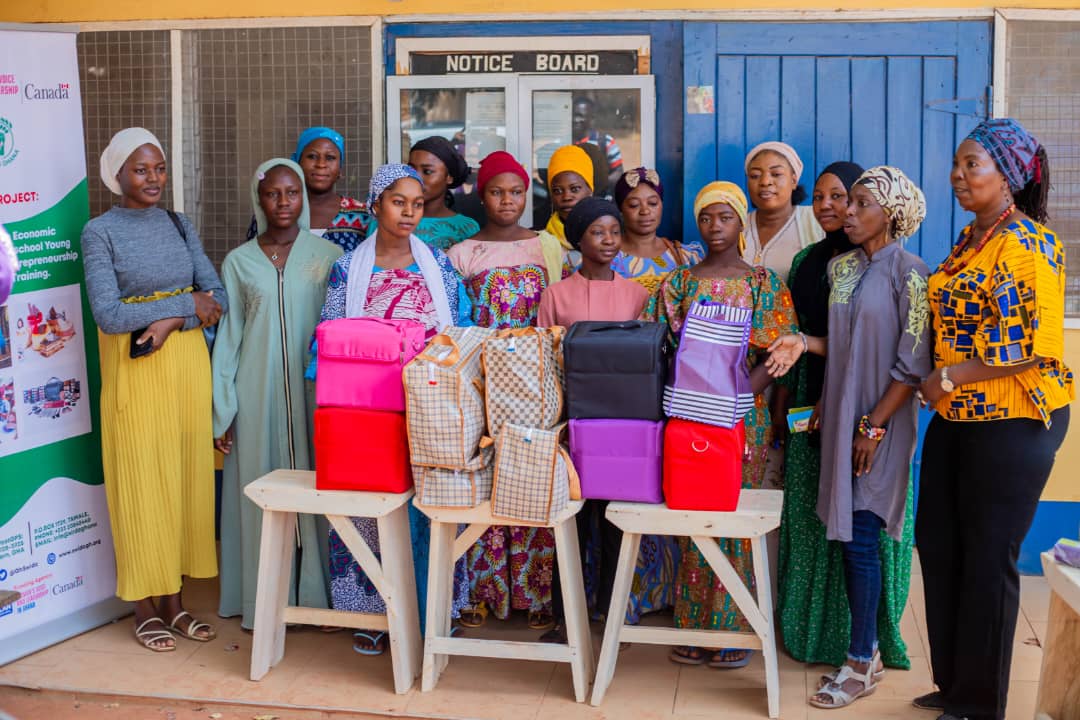
A total of thirty young women have been trained in Tamale by SWIDA-Ghana, in various entrepreneurial skills, aimed at empowering them to be independent.
The training, which was part of take-off activities for the launch of the project “Young Women Entrepreurship and Skills Training”, sought to empower the young women, making them think as entrepreneurship, as they practice their skills to contribute to developing their communities.
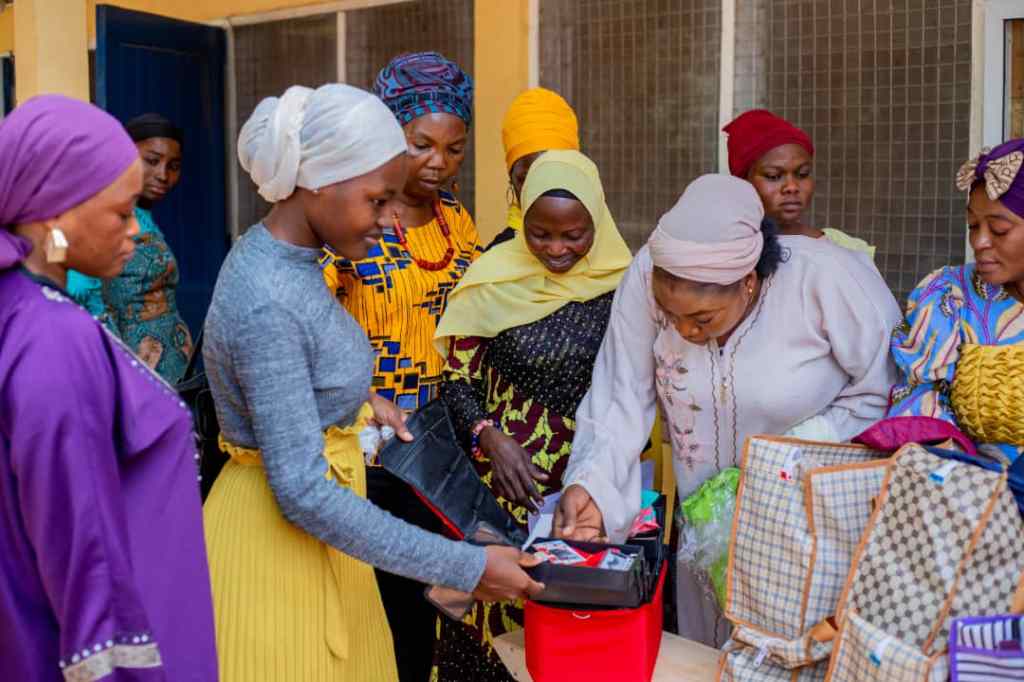
The young women were provided training in skill areas including cosmetology, weaving and catering, after which each trainee was given start up tools and items to be able to take off with their practice.
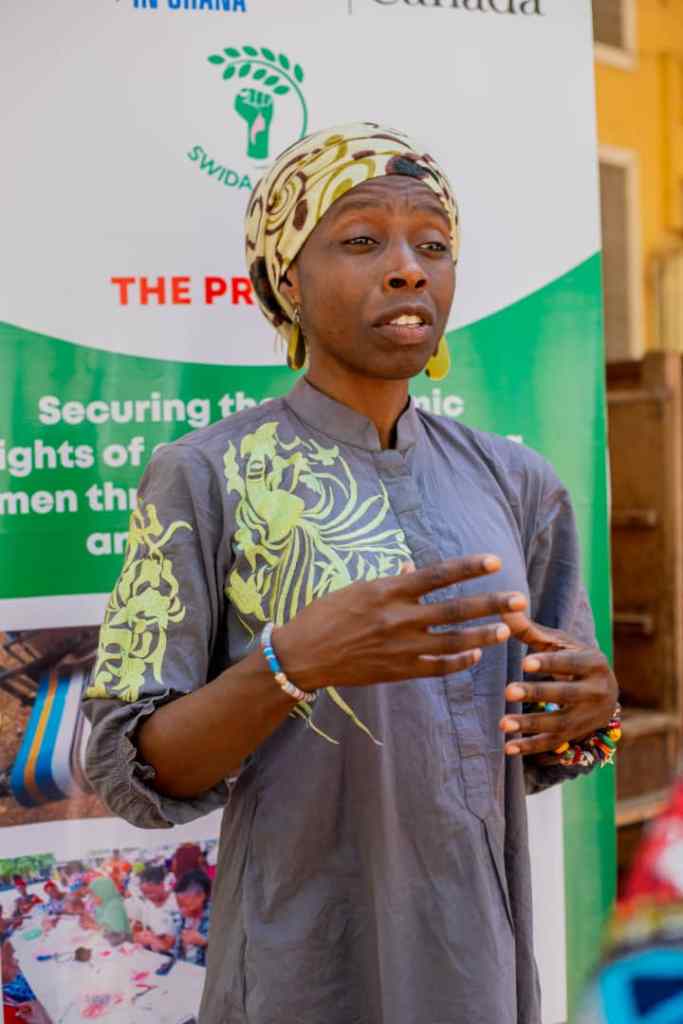
Speaking at the launch of the project and the training, Communications and Gender Officer, Khadijah Abdul Samed said SWIDA-Gh being an organization that champions anything development and empowerment for the woman, felt it was necessary to embark on this project, because many young women have the passion to venture into entrepreneurship, but do not either have the skills or the startup capital in terms of tools.
Miss Khadijah added that if the young woman is provided the skills and the tools she needs to engage in her entrepreneurship work, she will be better positioned to start a healthier family which does not end up being a burden on the state due to lack of parental responsibility, hence, the launch of the project.
Executive Director for SWIDA-Ghana, Hajia Alima Sagito-Saeed, reminded the young women about the responsibilities they have at home, as support systems for their families, which should keep ringing in their heads, to keep pushing them to continue practicing and keep growing after the training.
The training, which is planned to take place within a three-month period, had guardians and parents of the trainees, who together received the startup tools for them to begin.
The three months training is being led and implemented by SWIDA-Ghana with coordination from the Ghana Technical and Vocational Education and Training (GTVET) and funded by Plan International Ghana and Canada International Development-Global Affairs Canada.
The Executive Director for the Savannah Women Integrated Development Agency (SWIDA-Gh), Hajia Alima Sagito-Saeed, has called for an enabling environment free from threats, with full protection for CSOs and the people, where information can be shared, to ensure a violent-free election in 2024.
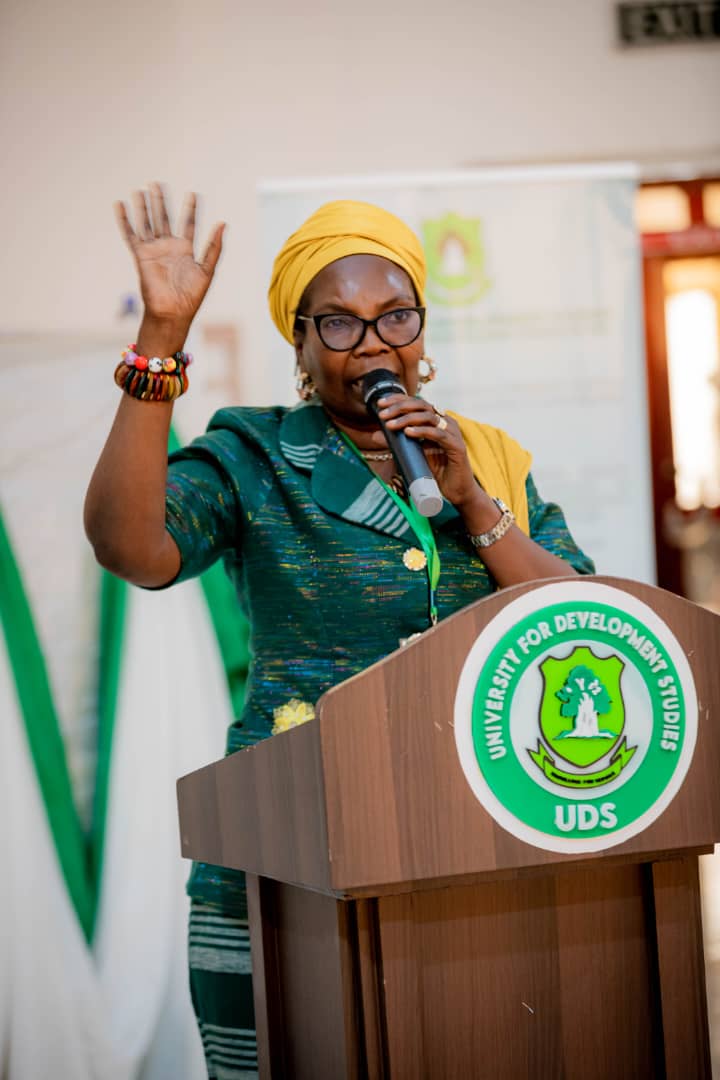
Hajia Alima made this call during the 2024 Harmattan School, an annual event held at the University for Development Studies (UDS) Tamale Campus.
This year’s theme for the Harmattan School is “Accountable Governance, Violent Extremism, and the 2024 Election”, focusing on contributing to free and fair election 2024 in Ghana.
In her speech at the event, Hajia Alima indicated “sharing information with the citizenry through the media, with the assurance of press freedom, can provide citizens the opportunity to express themselves using constitutional provisions instead of creating mayhem. CSOs provide analysis and expertise, serve as early warning mechanisms and help monitor and implement international agreements, including Agenda 2030 and the Sustainable Development Goals”.
The Executive Director highlighted other aspects of development, as linked to the organizing of successful general elections, including accountable governance, citizen mobilization and movements as constitutional rights, as well as CSO-citizen engagements.
In her conclusion of her speech, Hajia Alima urged CSOs and citizens to combine strengths, for the establishment of more comprehensive and effective approach to ensuring accountability with governance structures.
The 2024 Harmattan school sought to deliberate steps to a successful and violent-free 2024 general elections, where citizens can have trust in the system, to be able to engage and seek accountability from leadership, in the aftermath of the elections.
SWIDA-Ghana has held a workshop to empower women to understand unpaid care work and how efficient they can be at investing in their economic activities for income.
The workshop was also aimed at improving women’s skills in engagement with household and family members to support in the home, to reduce and redistribute care work to save time for other productive activities.
Organized by the Savannah Women Integrated Development Agency (SWIDA-Gh) in Tamale, the workshop had women participants introduced to the existing social protection initiatives and how they could take advantage of them, to reduce expenditure.
This was part of SWIDA-Gh’s Advocacy Actions for Women Economic Security and Justice in Agricultural Actions in Northern Ghana project, being implemented in the Northern Region with support from the Africa Women Development Fund.
The women participants were drawn from various economic areas including market women, shea butter processors and dressmakers from Kumbungu and Mion districts, Savelugu and Sagnarigu Municipalities and the Tamale Metropolis.
Executive Director for SWIDA-Gh, Hajia Alima Sagito-Saeed, speaking during the workshop, explained that while unpaid care work such as cooking, cleaning the home, taking care of children among other household chores had become mainly women’s responsibilities, some women used it as an excuse to not engage in a y business activities.
According to Hajia Alima, “We want women to see unpaid care work as something that they can transform to work for themselves. If you are very good at cleaning, you can do it elsewhere also to make income. So, even the unpaid care work, you can be efficient and do that one in your house but still save time to use that skill to get money”.
Officers from the Department of Social Welfare introduced Social Protection policies as important to women in businesses, because it enables them save money to invest in their businesses that would have been spent accessing essential services such as health.
Policies such as the NHIS, LEAP, FCUBE, and School Feeding programme, were some of the policies and interventions, they said, adding that women should do well to register for them depending on qualification from their social status.
The women were encouraged to make use of the interventions and not look down on their abilities to help them save money, which can be used to invest in businesses that can support them and their households.
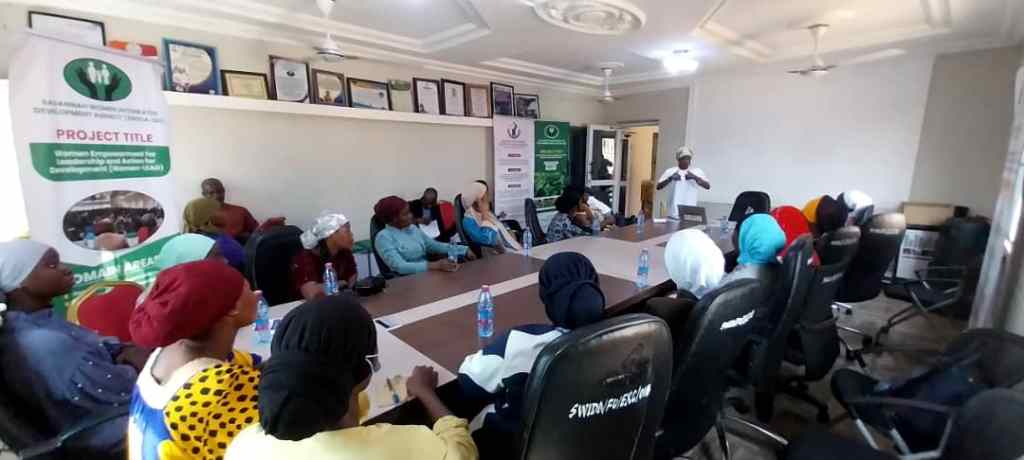
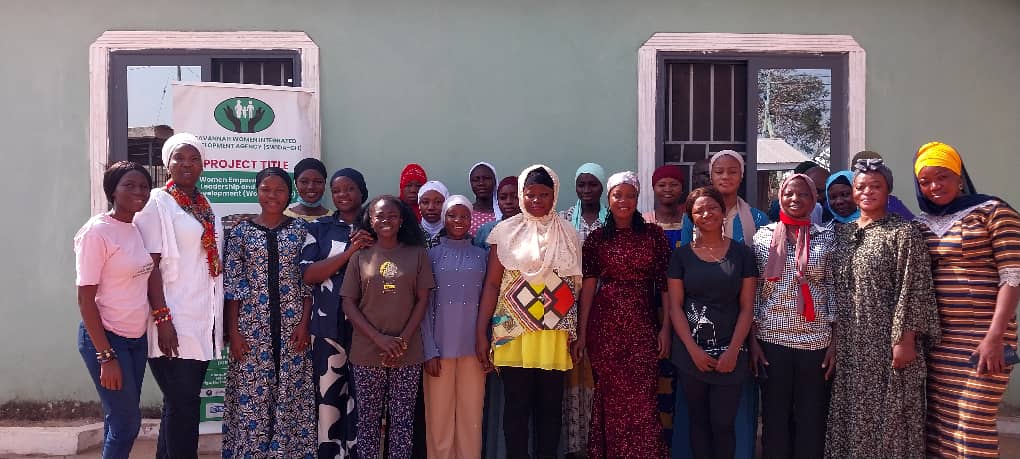
The Savannah Women Integrated Development Agency (SWIDA-Ghana), has registered young women to be trained in various skills development, as a means of empowerment, aimed at inculcating in them the need to be entrepreneurial and independent.
The young women, from across the northern region of Ghana, numbering thirty in total, are expected to receive training in various skills in Cosmology, Pastry making and Smock weaving.
Engaging the women during the registration exercise at the conference hall of SWIDA-Ghana, Executive Director, Hajia Alima Sagito-Saeed spoke about the essence of the training especially for the young women.
She said when the young woman is provided such skill, it empowers her to be on her own and not depend on a man for survival, which reduces to the barest minimum, the risks of domestic abuse.
The training exercise, which is through a fund grant from Plan International Ghana, under the Women’s Voice and Leadership Programme in Ghana, is expected to take place within a period of six months, by which time the young women would have had all the skills they need to establish themselves for entrepreneurship.
Hajia Alima encouraged the young women to consider the training serious business, as if their future depends on it, because it in fact does, since it is aimed at providing them skills that will help them become independent.
Some of the young women expressed gratitude for the opportunity provided by SWIDA-Ghana and assured the organization that they will show all the seriousness of cooperation required during the exercise, since the primary aim is to help them.







 swidagh.org