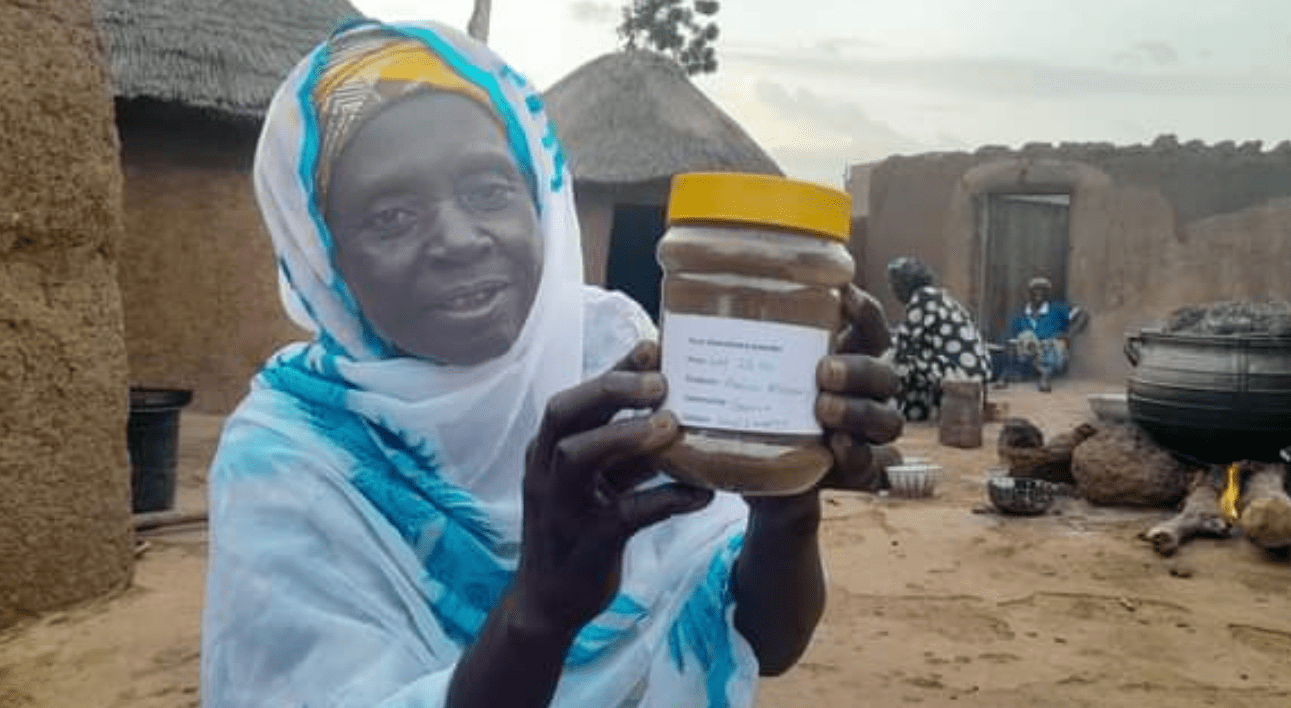
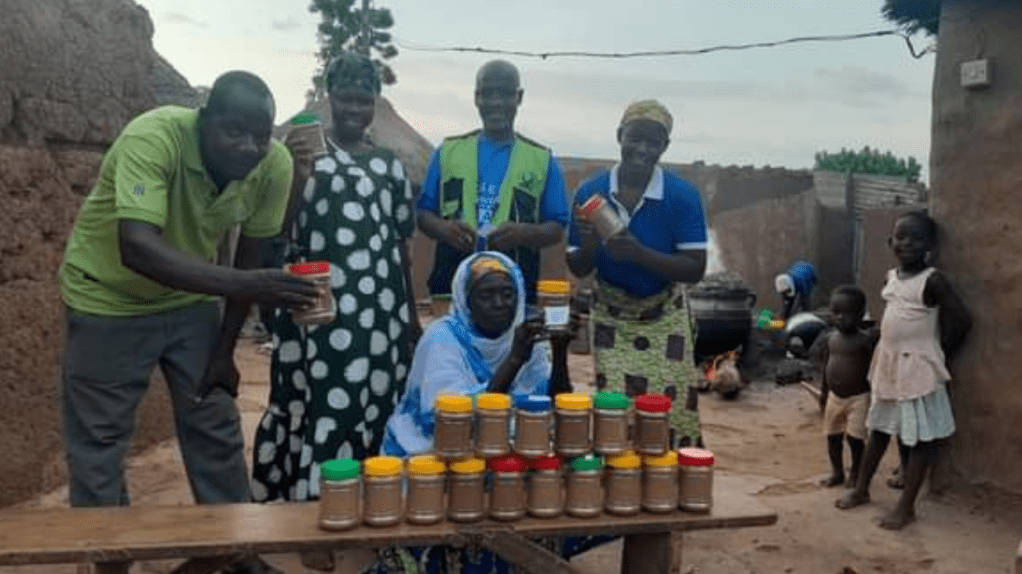
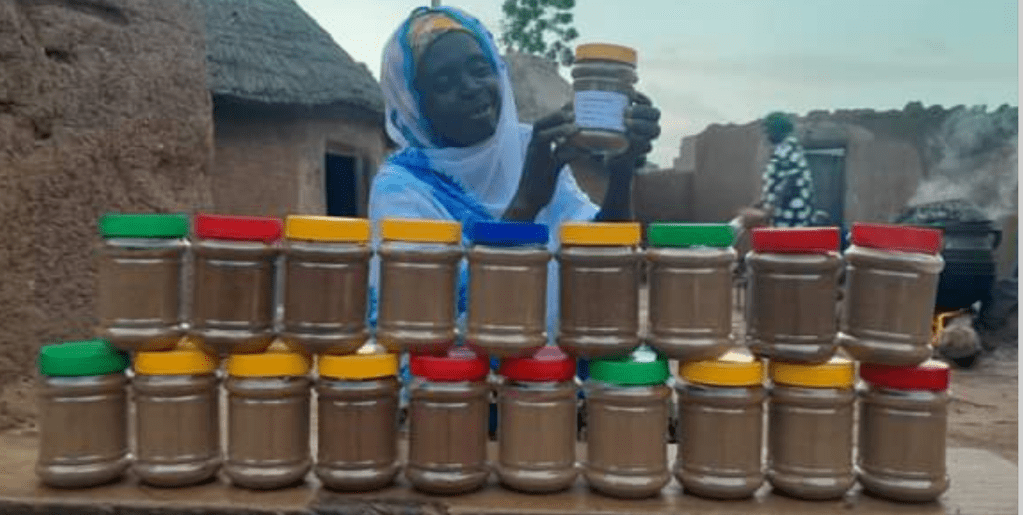
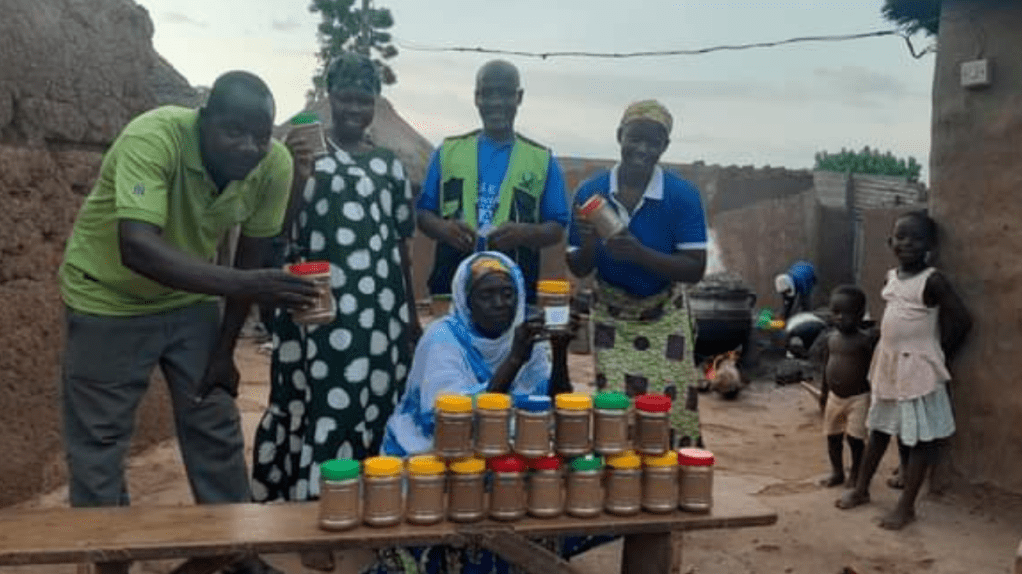
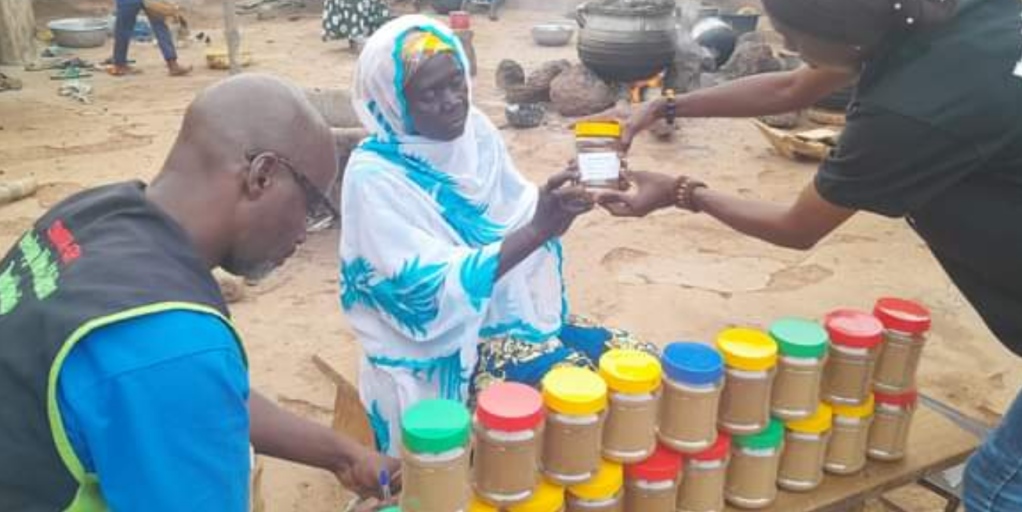
Mma Amina from a community in Sagnarigu happily displaying her appropriately packaged grounded dawadawa for delivery to a customer in Accra.
She is being supported by officers to label her product with her contact details to enhance her market access. Supporting women like Mma Amina with value addition techniques is a key component of our Women-LEAD Project, funded by Plan International Ghana, to help increase women’s economic levels to build stronger families and communities.
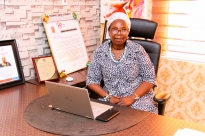
Equality for women has always been a passion for Alima Sagito Saeed. After finishing school, she went straight to university to study development and has worked in the field ever since, with one aim: to improve gender equality and create better lives for women in her home country of Ghana.
Alima is now the Executive Director of women’s organisation Savannah Women Integrated Development Agency (SWIDA) in northern Ghana. “I thought why not put these women together and mobilise them to harness the potential they have shown?” Alima said. “That is how I became a women leader: by using my own experiences to encourage women to work together.”
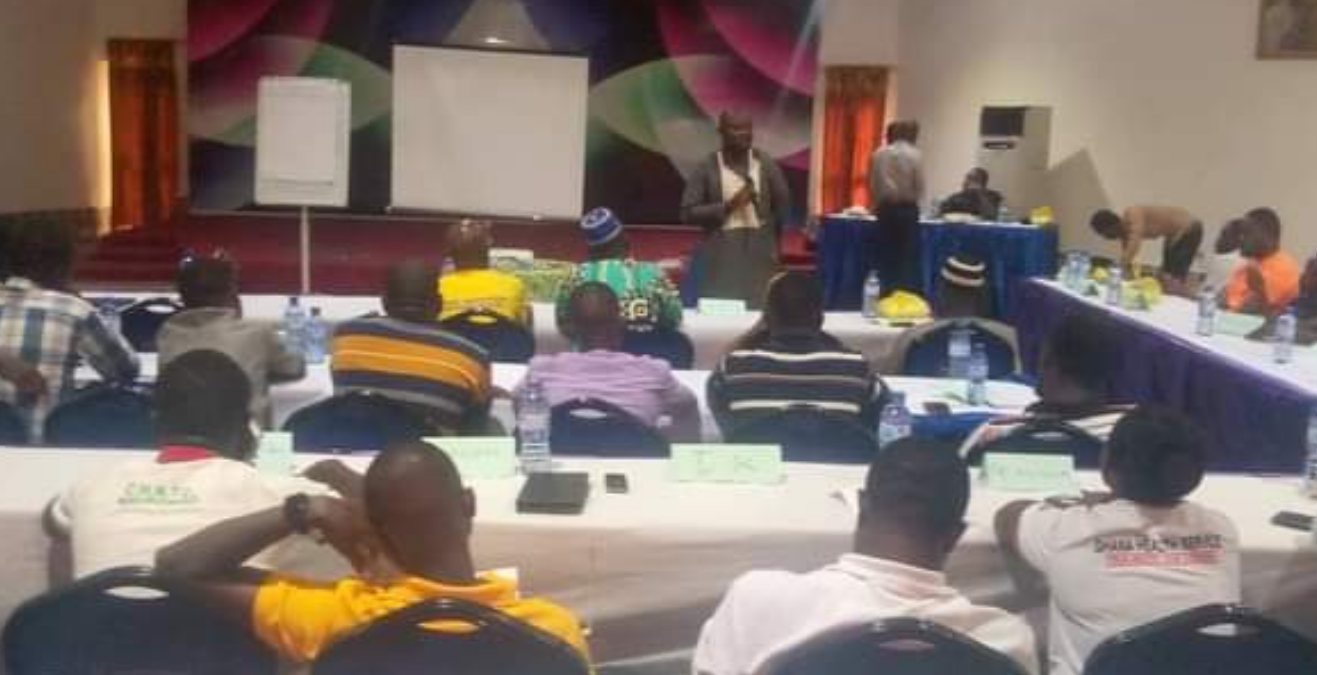
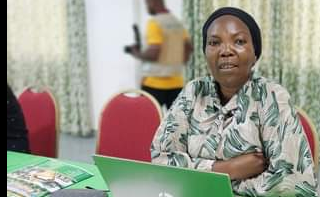
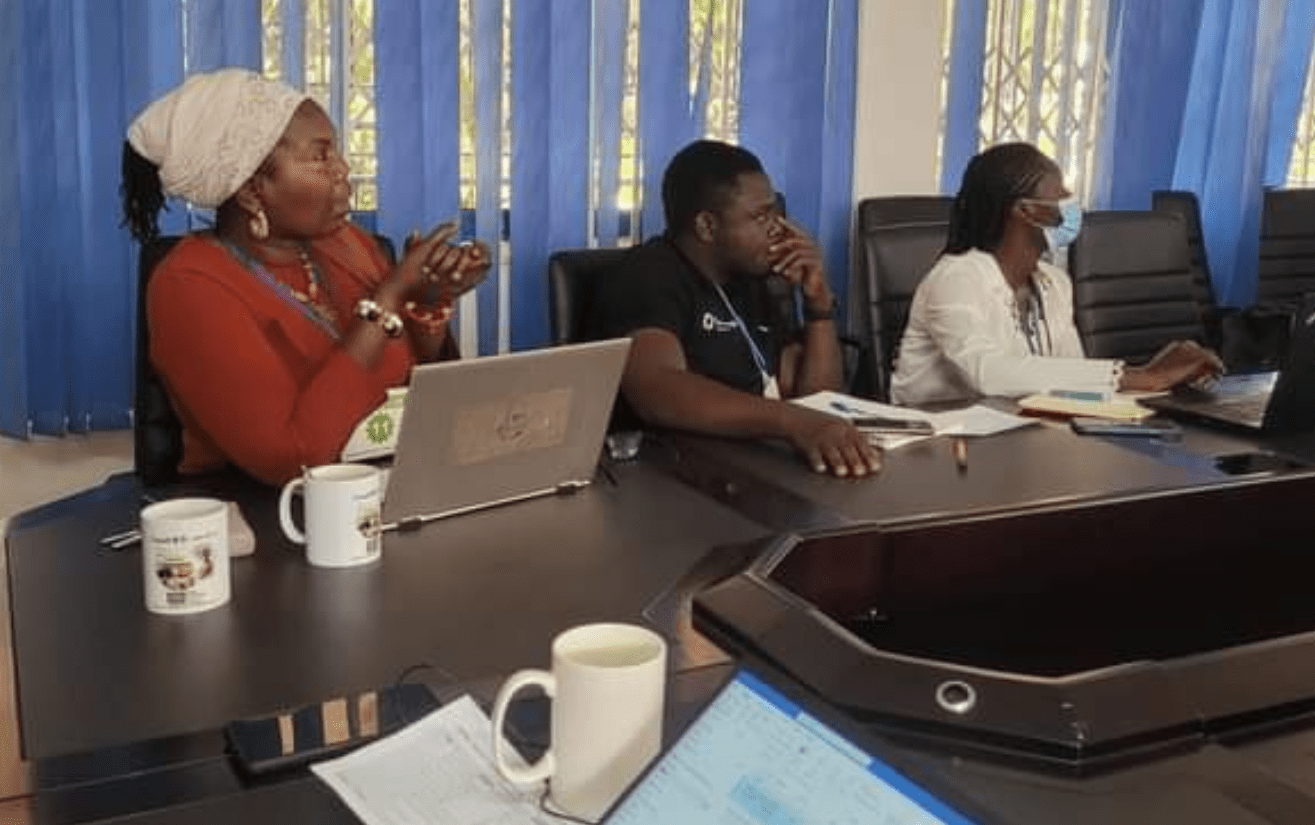
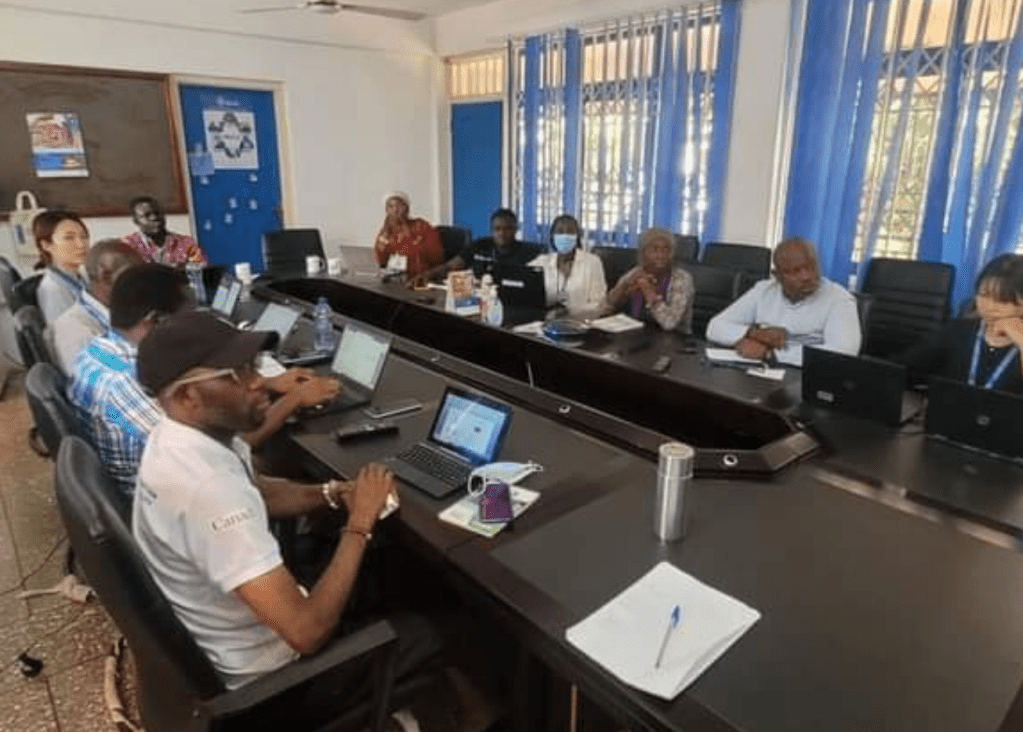
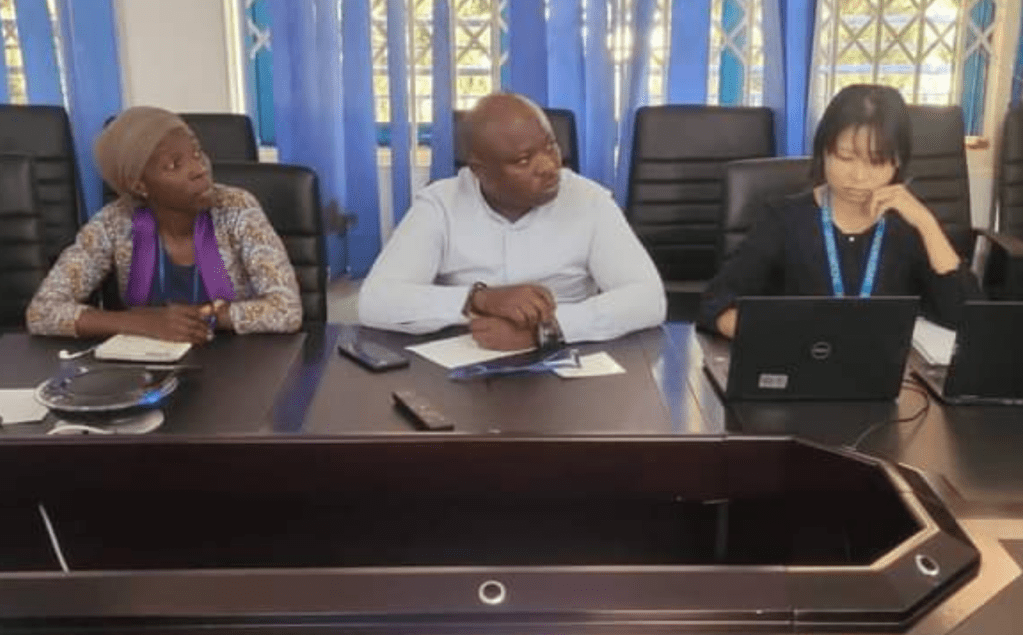
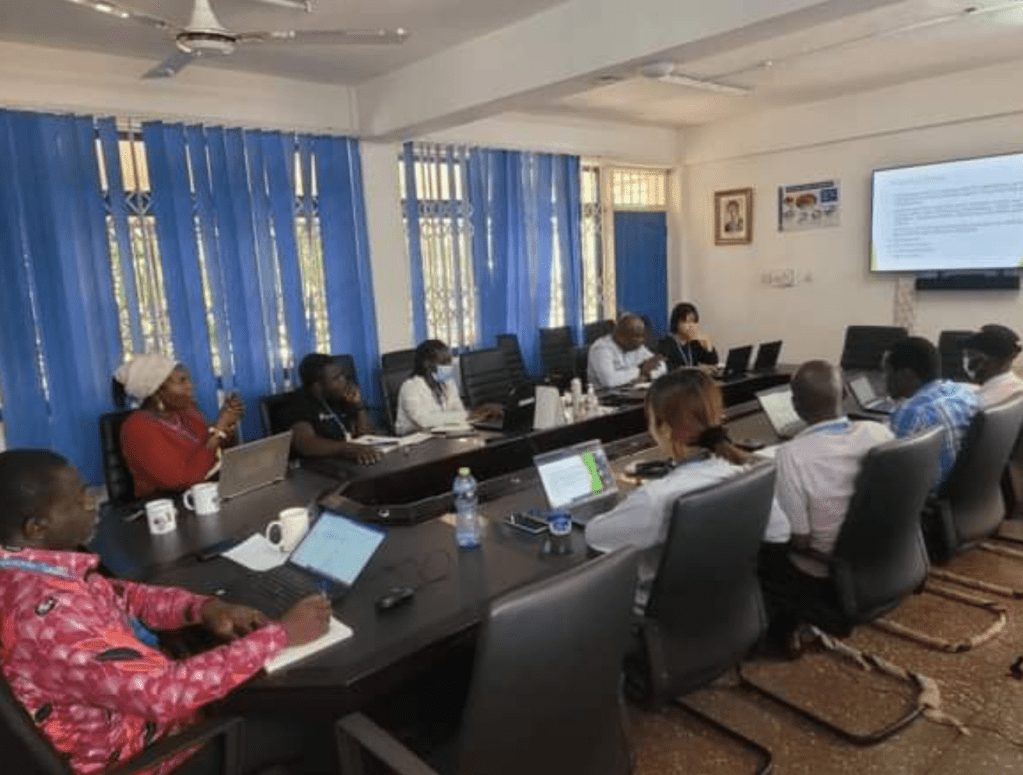
SWIDA-Ghana was involved in a review meeting in which it presented updates to the World Food Programme on its nutrition project.
As a partner to the World Food Programme, SWIDA-Ghana has been implementing the health and nutrition project in Karaga.
The project, among others, is expected to help improve nutrition in mostly women and children in Karaga.
Presenting the project updates to the team from the World Food Programme, Project Manager, Issah Abdul Mumin touched on both the achievements made as according to him, the community ,members have embraced the project wholeheartedly and are playing their roles to ensure it succeeds, as it make better the lives of the residents.
His presentation also touched on some of the challenges being faced by the project, which makes difficult for a 100% achievement.
He however added that there is opportunity for the challenges to be worked on and made positive, since the entire project beneficiaries are committed to working hard to see to the achievement of the objectives.
The Head of Field Office of the World Food Programme made a presentation on the safeguarding and harassment policy of the organization.
SWIDA-Ghana participated in a research validation workshop by a team of professors from UDS and UBIDS. The workshop was on gains from Information Infrastructure: Impacts on Nutritious Diets and Women’s Economic Empowerment in Ghana.
Presenters included Dr. Yazeed Abdul Mumin and Prof. Paul Kwame Nkegbe of University for Development Studies.
Others are and Ms. Shamsia Abdul-Wahab of the SD Dombo University of Business and Integrated Development Studies.
The study examined the impacts of such projects on consumption of nutritious diets, as well as women economic empowerment in Ghana.
The validation workshop focused on presenting the key findings of the study to stakeholders in the thematic areas of the study and to solicit the views, comments and suggestions on the findings and implication of the study, which will be used to triangulate and validate the findings.
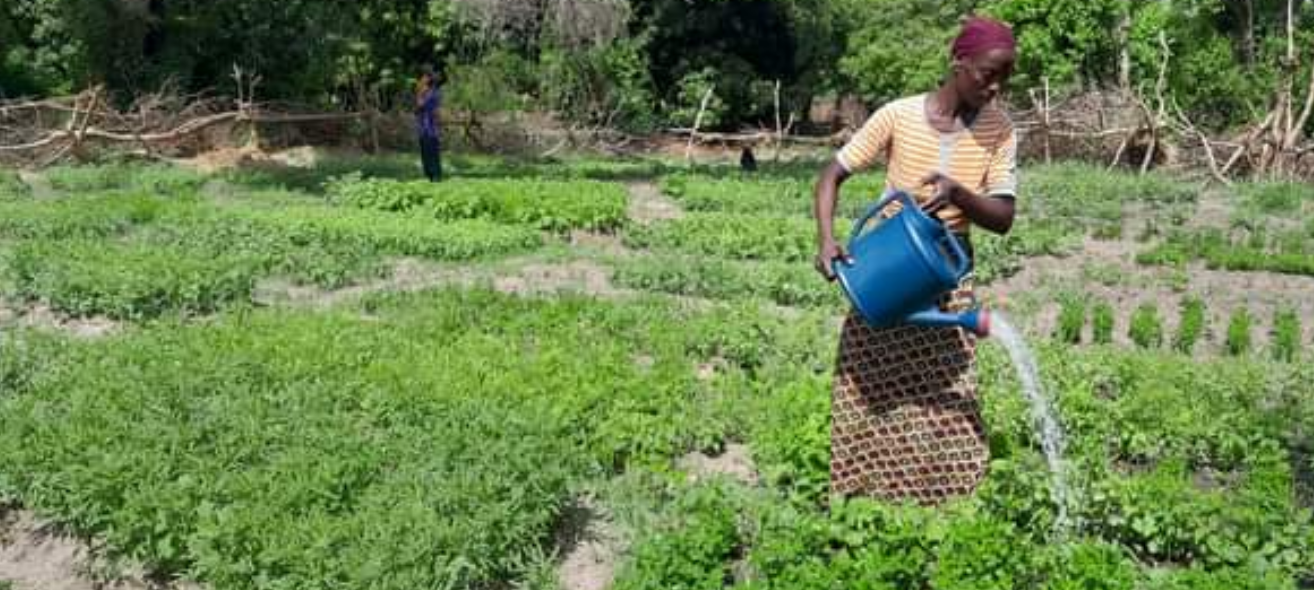
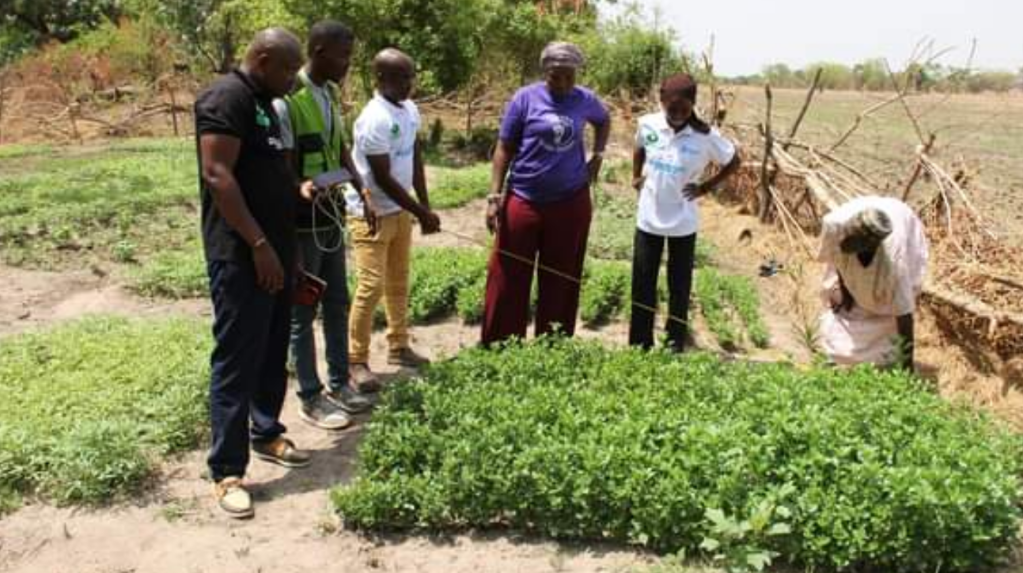
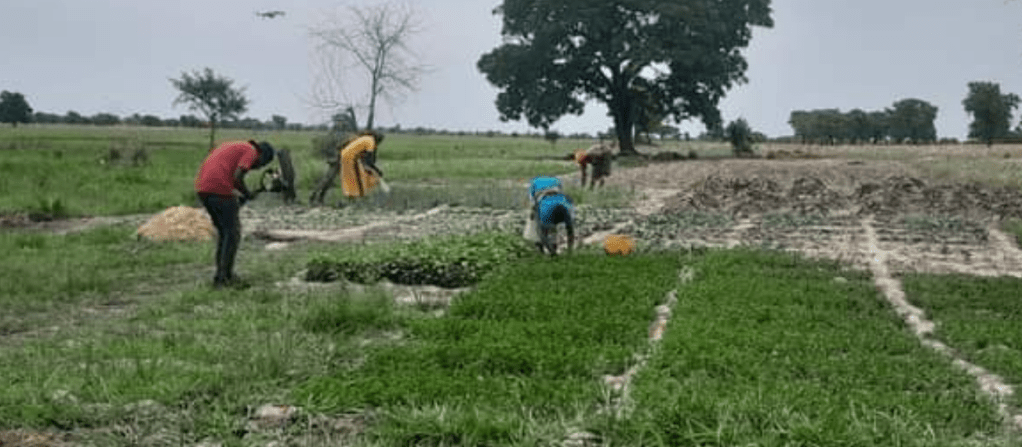
SWDA-Ghana has been monitoring women vegetable farmers in the Karaga District on its World Food Programme support for women’s growth in the communities.
Officer in charge of Gender and Communities, Miss Khadijah Abdul Samed expressed her profound joy after seeing how hardworking the women have been over the past year.
From the monitoring, it was found that the farms were very well kept where some of the communities including Nangunkpang and Zandua, apart from having their beds in the communal garden, the women also began backyard farming of ayoyo, bra and alefu.
“The communal support and protection of the communal gardens for the women was the icing on the cake for me. That’s a sustainability plan right there”, says Miss Khadijah.
Profoundly sharing a success story of a young woman in the community and how her activities are making impact, Miss Khadijah said “the stories some of the women shared with me were even more the beautiful.
The one that stuck with me was that of a young woman who shared how the project gave her a sense of purpose after not being able to finish her JHS education because of GHC15.00 in her early days.
Today, apart from having larger farms to manage, she is teaching women in her community how to grow vegetables right from land preparation to harvesting and she is making good money”.
The Savannah Women Integrated Development Agency (SWIDA-Gh) organized a debate for Senior High Schools in the Northern Region as part of activities to mark this year’s International Women’s Day.
The motion for the debate was “Ghana has done more to ensure equity in access to information Technology and educational skills”, with the participating schools being Business SHS and Kalpohin SHS debating for, or against the motion.
The debaters from the Kalpohin SHS who spoke for the motion, argued that Ghana’s stakeholders, through policies and programmes, had invested in efforts at making IT accessible and equitable, adding statistics that indicate that women’s participation in IT had improved as a result of empowerment projects.
Business SHS, on the other hand rebutted their opponents’ argument, saying lack of IT facilities such as computers in many schools across the country shows efforts being made at making IT accessible are not enough.
They argued that the few women who were technologically skilled, could not access jobs in the field, as such, the jobs are termed men’s jobs.
At the end, Kalpohin SHS emerged winners of the debate.
The IWD is marked on 8th March every year, to among other things, recognize the socio-economic successes chalked by women, as well as to highlight the various challenges towards the actions against gender inequality.
This year’s theme for commemoration was “DigitAll: Innovation and Technology for Gender Equality”.
Speaking at the event, Executive Director for SWIDA-Ghana, Hajia Alimah Sagito Saeed said it has provided participants with information on how they could have access to some of government facilities.
She said despite the volume of technology related ventures, a few women are engaged in the field compared to men.
She called on governments to make internet accessible, improve on inclusiveness and implement policies to close gender gaps in all sectors.
Guest of honour at the event and President of World Energy Council’s Future Energy, Mr. Prosper Amuquandoh, said there is no change in the motivation for the themes of IWD celebration over the years, which has always been a call to dismantle mental barriers against women inclusiveness.
He added that positive mindset would increase women’s access to technology, saying, “no course or job was designated to only men”.
He therefore encouraged young ladies to take up courses in Science, Technology and Mathematics (STEM), as he urged women in the informal sector to undergo literacy training on the use of technology.
Lecturer at the Tamale Technical University, Dr. Hanifa Mumuni Napari said the full potentials of STEM could not be explored without the use of technological tools, hence the need to make them accessible to young girls.
The Head of Ghana Sub Office for the World Food Programme, Madam Gyamila Abdul Wahab said IWD 2023 is a call for everyone to reflect on and invest in technology and innovation that increased women’s interest to participate in the digital world.
She stated that digital literacy among women would improve economic empowerment, adding that advancement in digital technology, offered immense opportunities to address challenges.
Meanwhile, the third edition of SWIDA-Ghana’s Female Leadership Mentorship Academy project has been launched as part of the commemoration of the IWD, with the aim to mentor young girls to be assertive.
The 2023 International Women’s Day commemoration was organized by SWIDA-Ghana in partnership with Plan International Ghana, World Food Programme, Global Fund for Women and the Department of Gender, Northern Region.
The fight against Sexual and Gender Based Violence has seen various twists and turns, with the introduction of a myriad of strategies and innovation over the years.
The angle, perhaps not given adequate attention, is the involvement of men and young men, as key stakeholders in the fight.
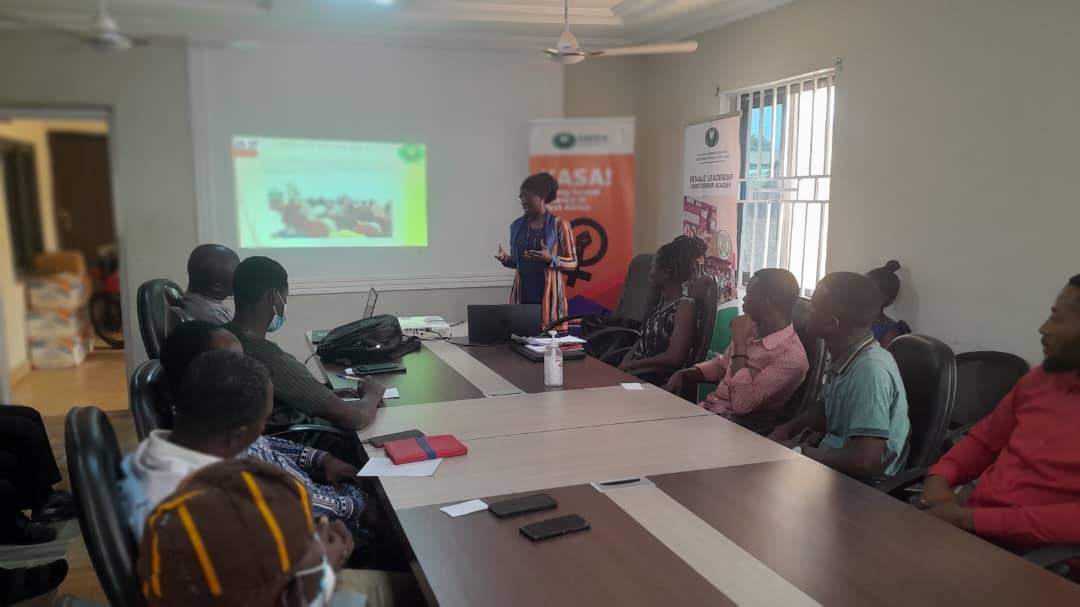
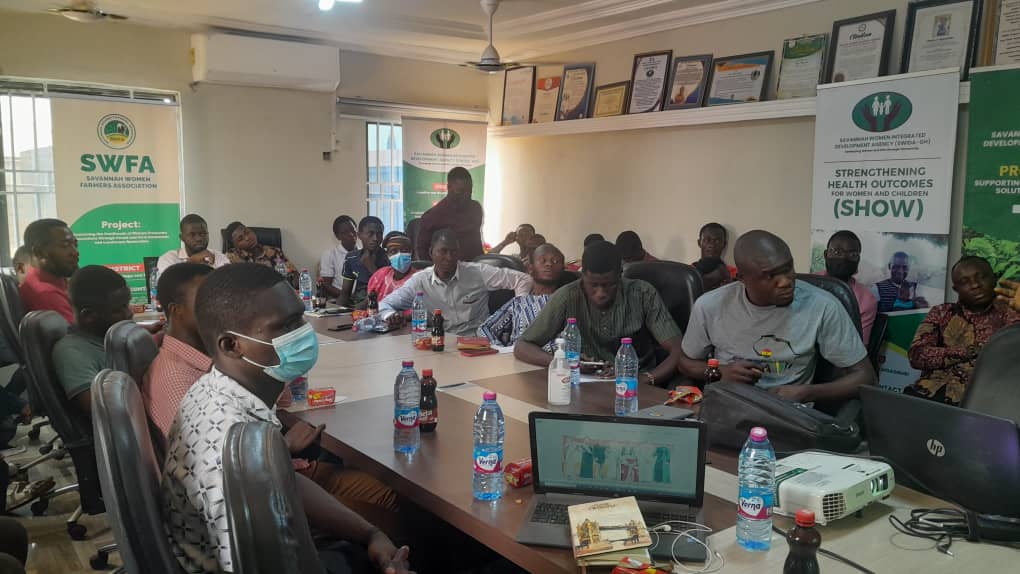
This is why the “KASA! Ending Sexual Violence” Project, being implemented by the Savannah Women Integrated Development Agency (SWIDA–Ghana), seeks to rope in men and young men who are found at an advantaged position and have the power to perpetuate more of gender based violence, to become ‘Champions’ to help in spreading messages and leading the fight against SGBV in communities.
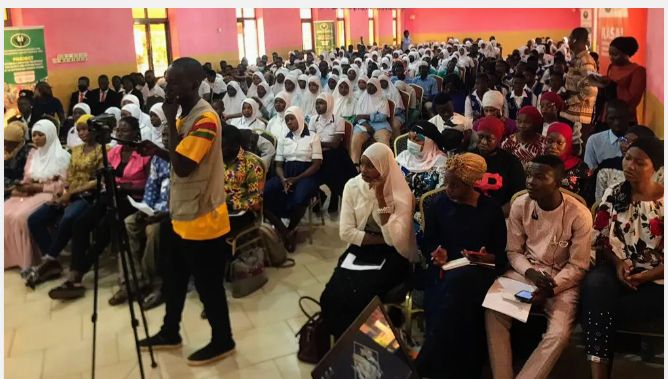
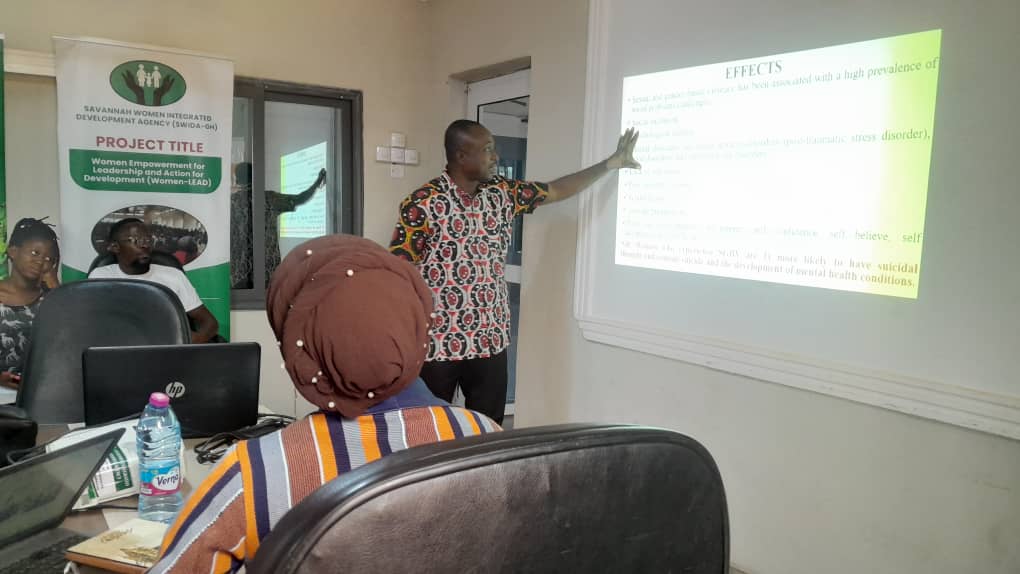
At a Capacity Building Workshop for KASA! Male Champions at SWIDA Ghana’s office, project lead, Khadijah Abdul Samed indicated that over the years, men and young men are almost left behind in the course of preventing Sexual and Gender Based Violence, which has contributed to slowing the success of the fight.
According to her, when the man is made aware of his role towards protecting his sister or daughter from abuse, he will much likely not abuse another person’s sister or daughter.
The ‘Male Champions’, are being encouraged to be keepers of the community to prevent SGBV, instead of being perpetrators or at least looking on for perpetrators to destroy the future of young girls.
Miss Khadijah added that men and young men are mostly only considered as perpetrators and are sought after, after an incident, instead of them being seen as tools to preventing the acts, where they must be sensitized and made to in fact, lead the campaign against SGBV.
Drawing a scenario for why there is the need for men and young men to be made a center of the fight, the project lead said if all the focus is given to the girl, she will be empowered all right, but society must remember that she most likely will not be abused by herself or another female, so the act can still occur because the potential perpetrator has been left out of the process.
The “KASA! Ending Sexual Based Violence” project overall, is being implemented in 10 educational institutions within Tamale Metropolitan and Sagnarigu Municipal areas.
The project is aimed at through periodic training, producing 200 female advocates in SGBV across the target educational institutions, after which the advocates would be expected to support their communities in sensitization drives to end SGBV.
Hajia Alima Sagito-Saeed who is the Executive Director for SWIDA-Ghana called on the Male Champions to serve as “guards” for the vulnerable girls in their various communities, so as to deter men who abuse girls either sexually or physically.
According to Hajia Alima, finding perpetrators of SGBV and getting them prosecuted is a good step, but the ultimate objective of every stakeholder, should be to prevent the act from occurring.
Psychologist and resource person at the workshop, Mr. Peter Amadu drew the attention of the Male Champions to the hazards caused to girls emotionally and psychologically, after an abuse.
He, also, therefore called on the men to help in preventing SGBV, but not to allow for it to happen, after which they then play the role of searching for perpetrators and getting them prosecuted.
Activities under the project include sensitizing the public against sexual violence through radio and social media, as well as sensitizing healthcare professionals and law enforcement officers to improve services for survivors of sexual violence and holding perpetrators accountable.
A Whatsapp platform has been created where the Male Champions share ideas and raise issues they come across on SGBV, for discussions on prevention and/or reporting for possible prosecution.
Various strategies were raised from the perspectives of the Male Champions, which the project team is fusing into the broad activities to inform innovation for implementation.
The “KASA! Ending Sexual Violence” is a two-year project, from 2022 to 2024 and is funded by the African Women Development Fund (AWDF).
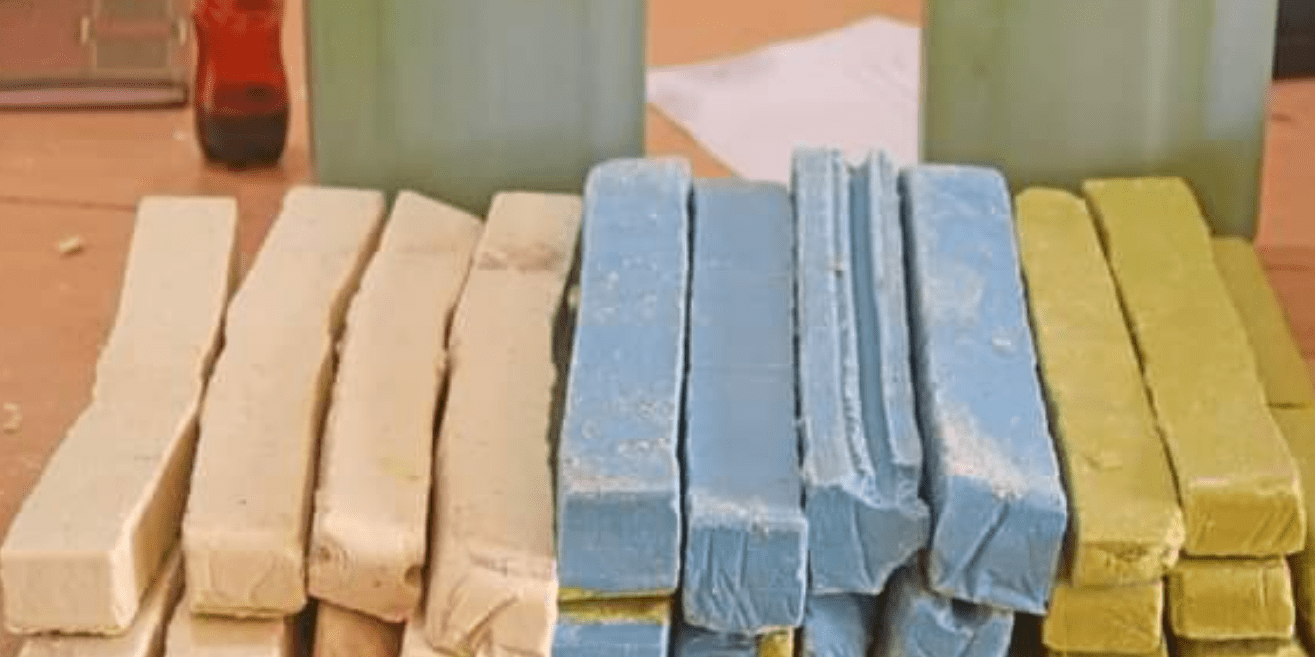
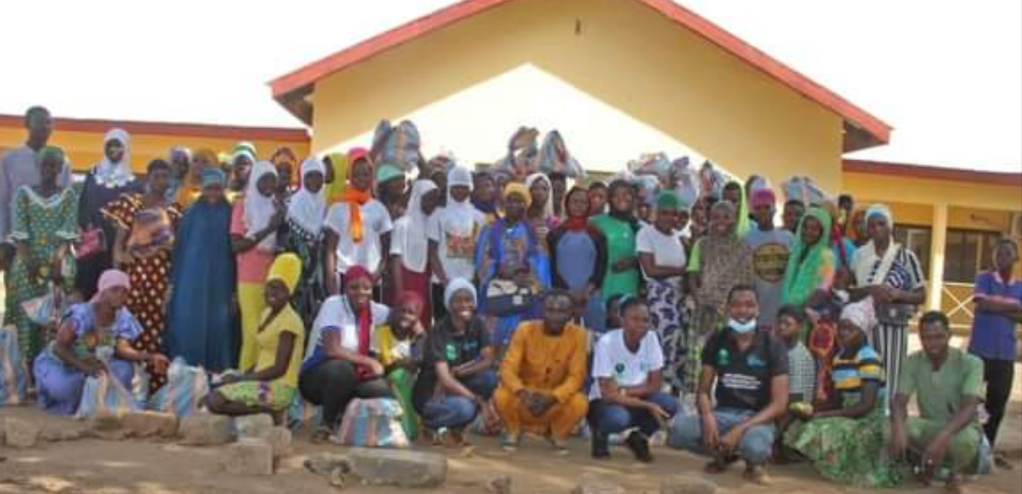
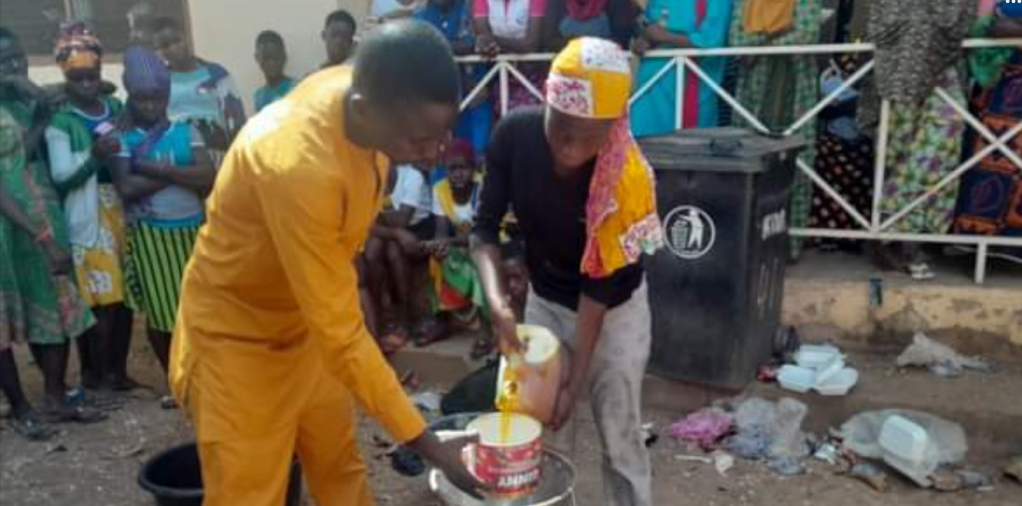
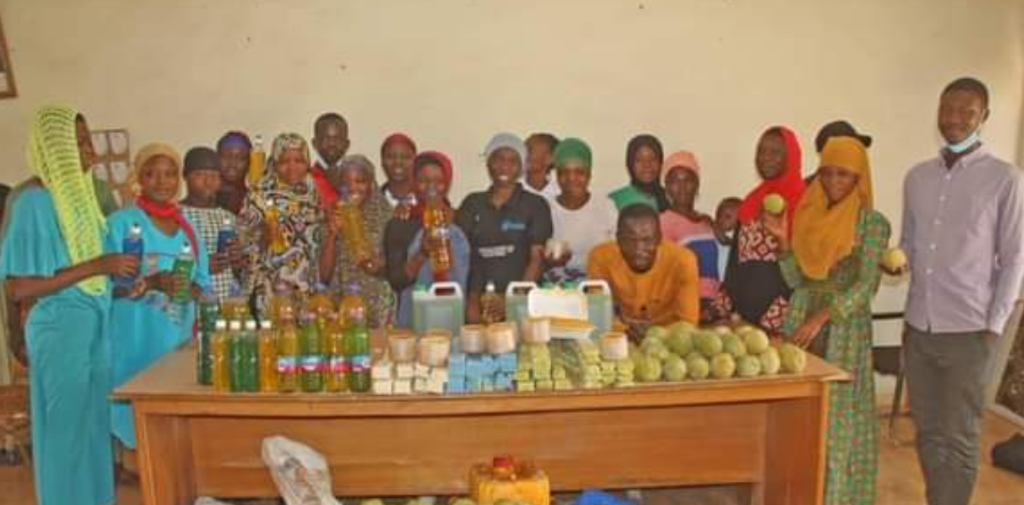
The Savannah Women Integrated Development Agency(SWIDA-Ghana), has provided training in soap making for 50 adolescent girls from communities in the Karaga district.
These communities are targets under the Sustainable Livelihoods and Nutrition Reduction project.
The overall objective of the project is to provide sustainable livelihoods support to vulnerable persons, mostly women and girls in the communities and has within the project lifespan been able to provide economic improvement to a number of households.
The 50 adolescent girls underwent training on how to produce liquid soap, bar soap, bathing soap (alata samina), perfume scented detergents and round soap, known as Azuma blow or Tolon banku.
The training activity which is expected to be carried out every quarter within the project life span has a specific objective to to economically empower women to enhance their nutrition levels and ensure they have alternative sources of livelihood.
After the training, all trainees were provided startup kits to support them to begin production.
The girls expressed their appreciation to SWIDA-Ghana for the support provided to them, as most of them assured of making good use of the skills acquired to advance the development of their households and the younger ones in their communities.
The Sustainable Livelihoods and Nutrition Reduction Project is being implemented in communities in the Karaga District and funded by the World Food Programme.
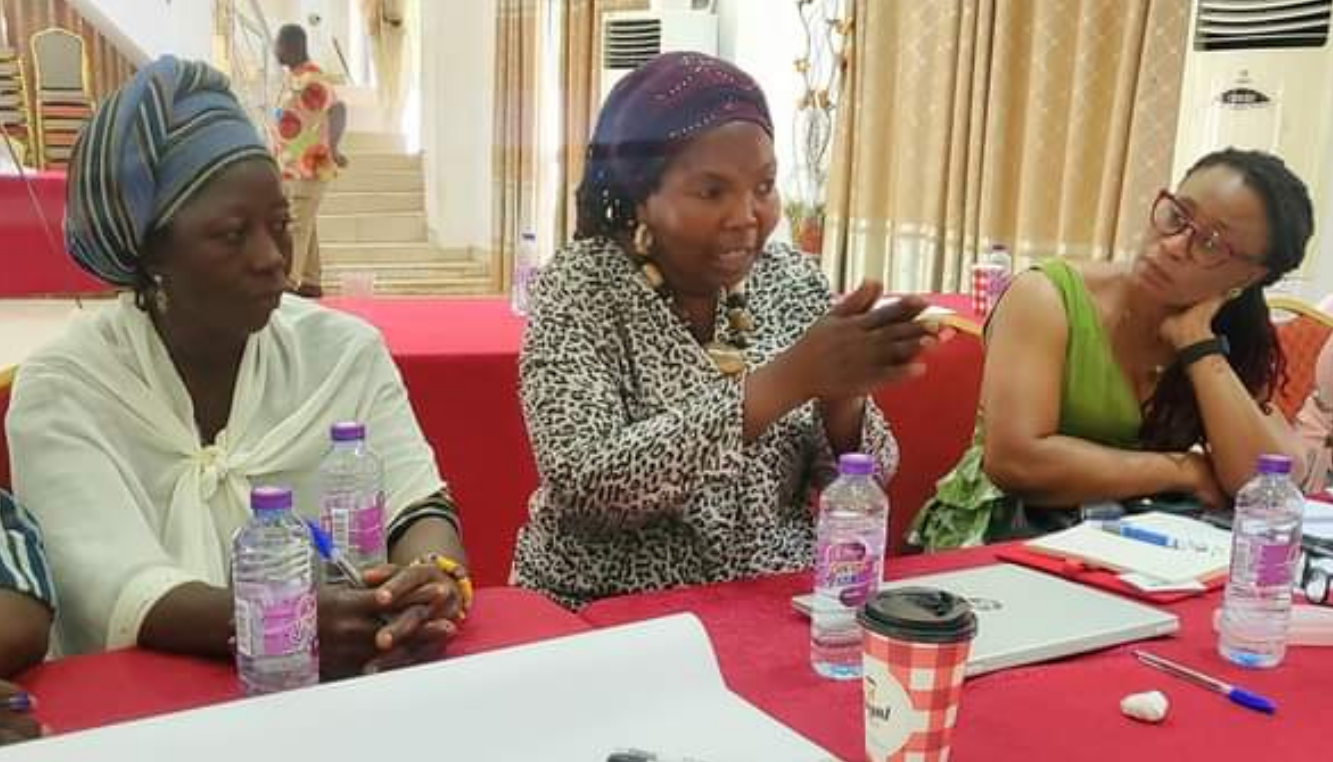
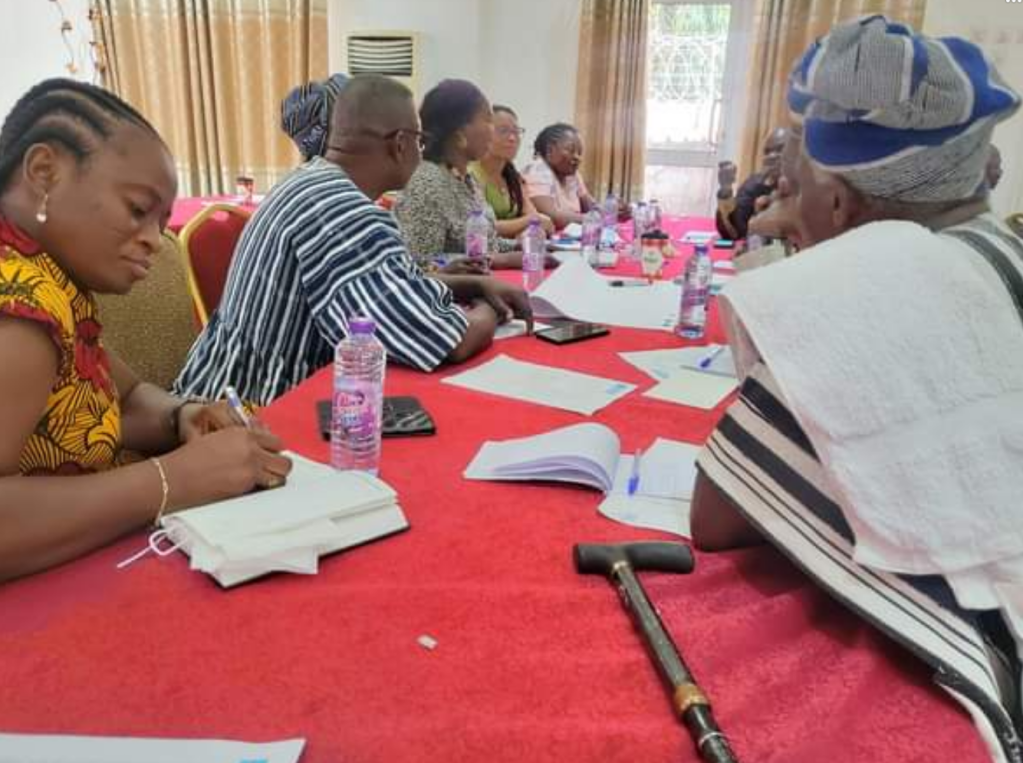
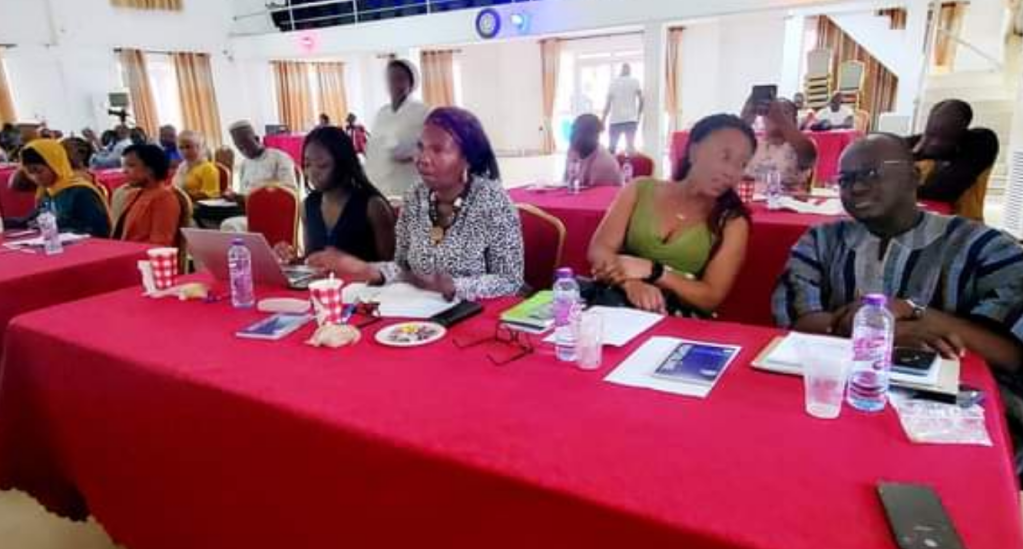
The Savannah Women Integrated Development Agency has participated in a forum aimed at ensuring quality education for girls across Ghana.
The forum; “Girls Education in Ghana”, assembled stakeholders in education, including CSOs, community leaders as well as duty bearers, to share findings from a scoping study conducted to unearth some of the basic challenges confronting education.
As a stakeholder in education and participant to the forum, the Executive Director for SWIDA-Ghana, Hajia Alimah Sagito-Saeed said “Girls’ access and participation in education is a human right and everyone has the responsibility to help protect that right”.

 swidagh.org