SWIDA – Gh, AfriYouth and Databank Train Students on Career and Personal Development

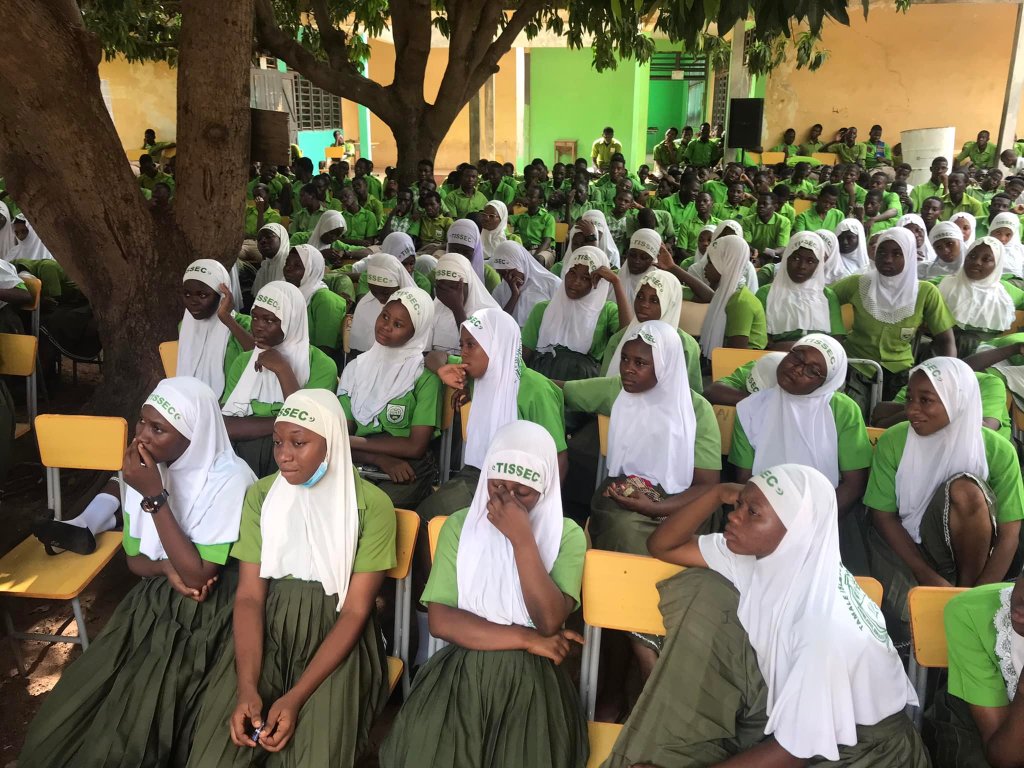
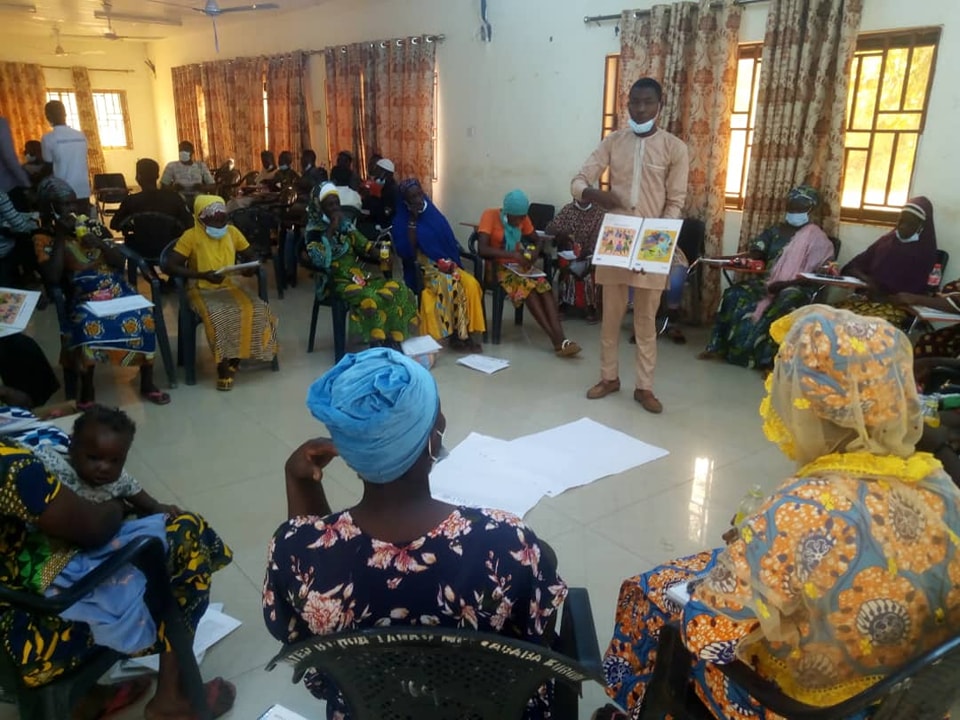
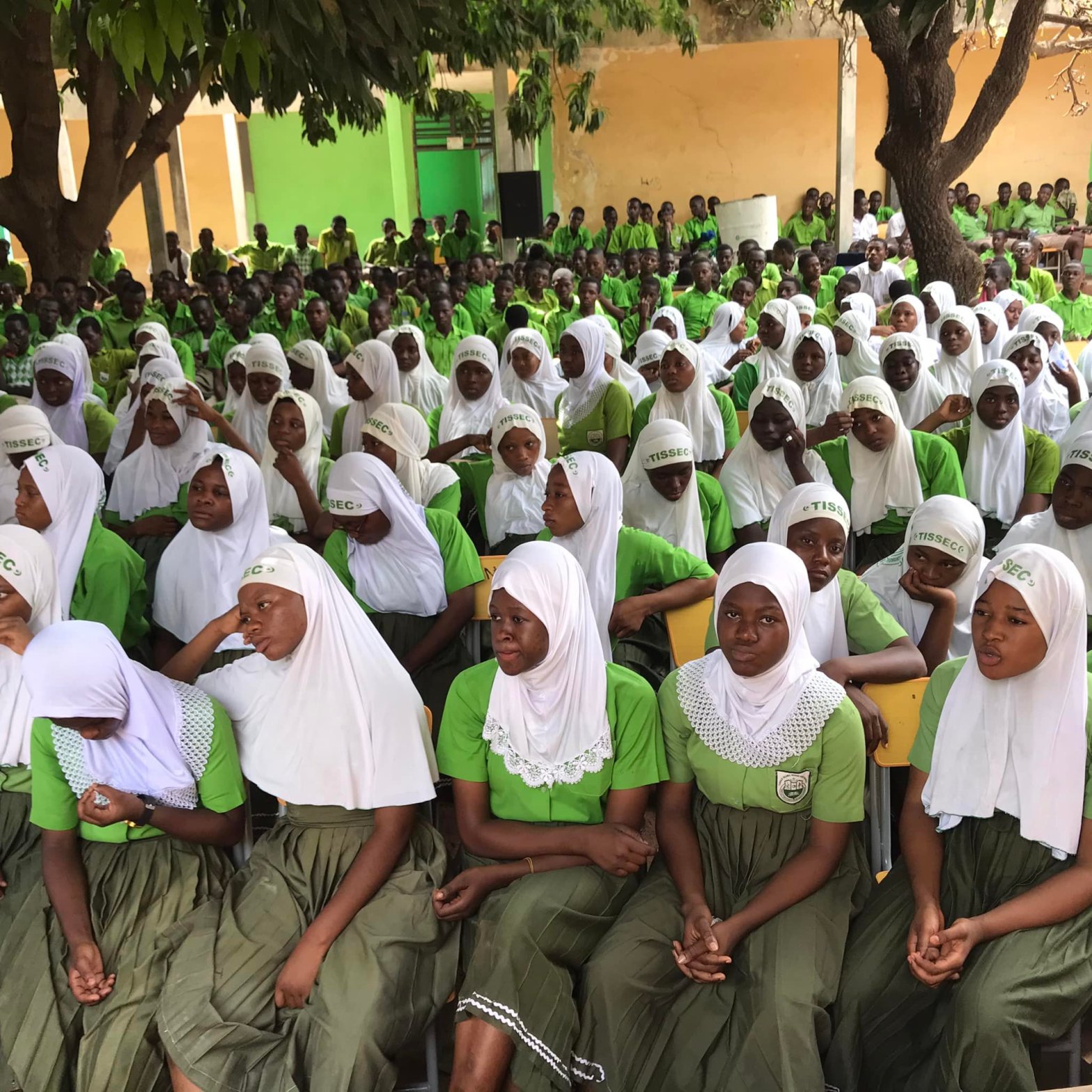
A partnership between the Savannah Women Integrated Development Agency (SWIDA – Gh), AfriYouth and Databank, has seen six hundred students of the Tamale Islamic Senior High School go through some empowerment, to position them well and make them ready for the real world after senior high school.

He students were taken through areas including career guidance, Sexual and Gender Based Violence against women and Leadership, as well as investment as a student.

So far, the project has reached 5,000 students in six senor high schools in the Tamale Metropolitan and Sagnarigu Municipal areas.

Speaking to the students as part of the session, the Executive Director for SWIDA – Gh, Hajia Alimah Sagito – Saeed, bemoaned the some of the challenges students have to go through to study, but encouraged them to sit tight because it is all supposed to be part of the training process.

According Hajia Alimah, every young person deserves to study and grow in a conducive environment, where opportunities are made available to them as they learn and even after school.

She encouraged the students, especially the girls, to remain tough and avail themselves for leadership positions.

She added that these are some of the initiatives young people need to help them grow and to reach their full potential.

Two Schools In Savelugu Receive Books From World Vision through SWIDA – Gh

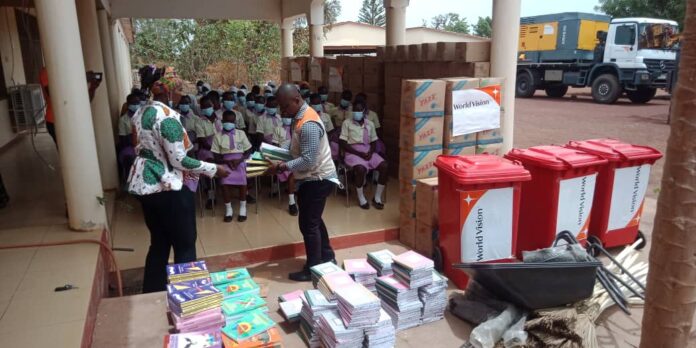
Two schools in the Savelugu Municipality of the Northern Region have taken delivery of 250 copies of textbooks and 200 notebooks to enhance teaching and learning.

The textbooks covered subjects such as English Language, Mathematics and Science for primary and Junior High School levels.

The beneficiary schools were Savelugu Girls Model School and Junior High School, as well as Kanshegu M/A Junior High School.

In addition to the books, the schools received sanitation and cleaning materials including 20 boxes of yazz sanitary pads, waste bins, wheelbarrows, standing brooms, rakes among others.

The items, worth GH¢13,000.00, were presented to the schools by World Vision Ghana, an international NGO, as part of its efforts to promote girl – child education in the area.

Mr. Felix Apeti, Savelugu Cluster Manager of World Vision Ghana, speaking during the handing over at Savelugu, said the gesture formed part of the NGO’s project to end Child Marriage and all forms of violence against children.

Mr. Apeti added that it was also to enhance environmental health and sanitation in the schools and homes and keep surroundings clean for human habitation and promote a healthy environment.

He urged the pupils to desist from open defecation to avoid diseases.

Hajia Alima Sagito Saeed, Executive Director for the Savannah Women Integrated Development Agency (SWIDA – Gh), who addressed the students, said girls who received education were less likely to marry at early ages and are more likely to lead healthy and productive lives.

She called on stakeholders to promote girls’ education in the communities to strengthen them against inequality.

SWIDA – Ghana marks International Women’s Day – 2022 in Tamale with student leaders

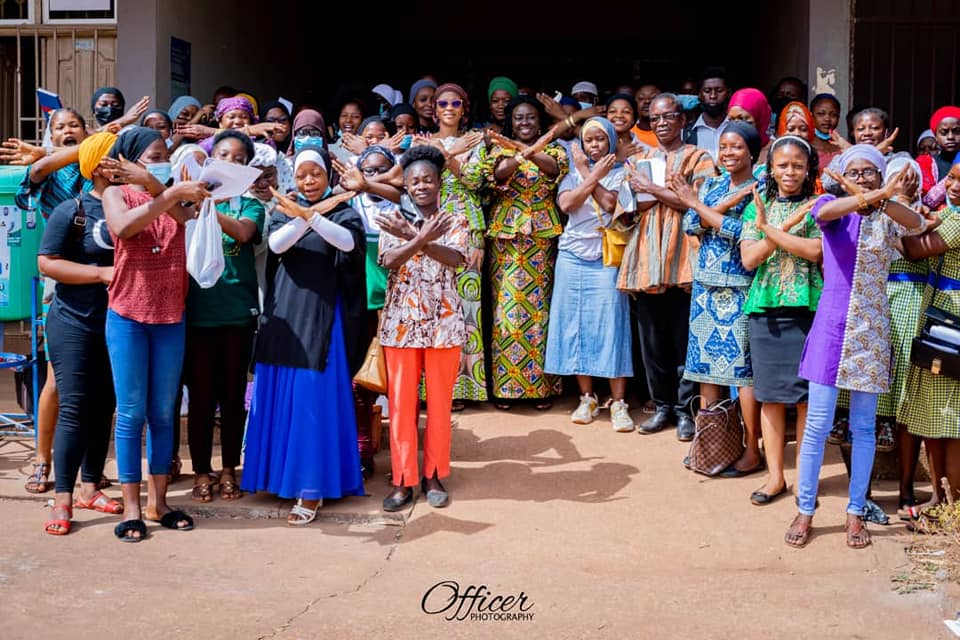
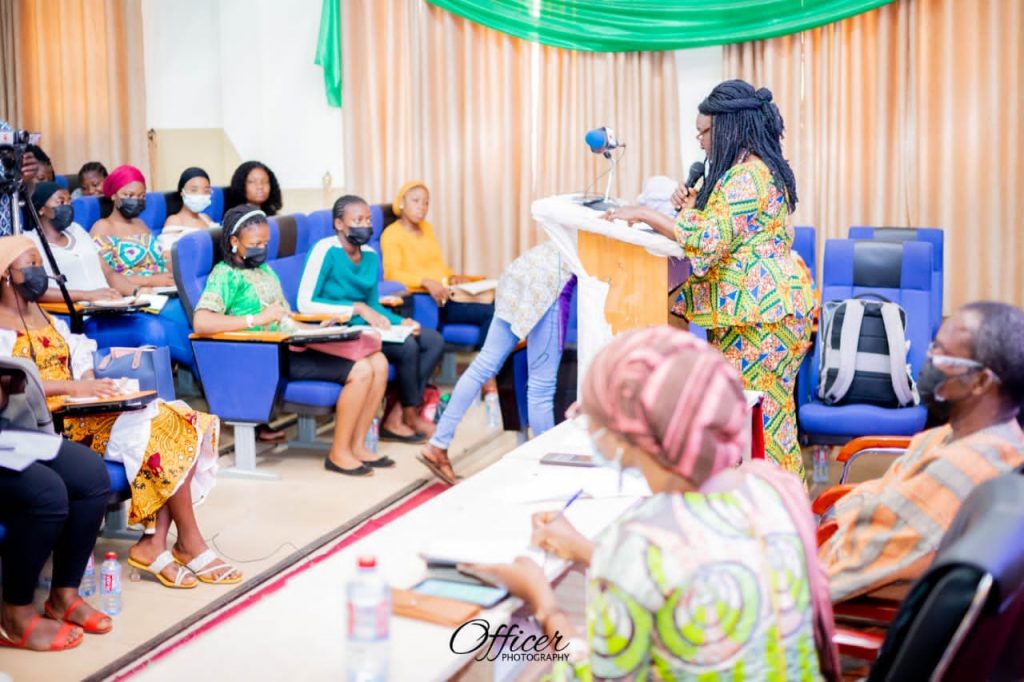
The Savannah Women Integrated Development Agency (SWIDA – Gh) has marked the International Women’s Day with student leaders in various schools in and around Tamale.  

The event which took place at the auditorium of the Tamale Technical University, is on the theme ‘’BREAKING THE BIAS: Speaking out Towards a Gender Equal World Today for a sustainable Tomorrow”, and was in collaboration with the office of the TATU Women’s Commissioner.

The International Women’s Day, celebrated every 8th of March, is a day on which the society is reminded about the inequalities that exist between men and women, as well as what needs to be done to bridge the gap of unfairness in families and at the workplaces, to which women are always at the receiving end.

This year’s theme “Breaking the Bias”, seeks to call out all the acts of bias and discrimination that take place in society, which hinder the growth and well-being of the woman.

SWIDA – Gh’s event on the day, is one such events, aimed at giving a voice to the woman to call out the bias and to reassure the society of the potentials she has, which therefore put her at the right position to earn opportunities.

In attendance to the event included 200 young female leaders across tertiary institutions in the northern region, associations, SHS students, the Song-Ba Empowerment Centre, as well as members of some youth led – organisations who are partners of SWIDA – GH.

Speakers at the event included the former Municipal Chief Executive (MCE) for Sagnarigu, Hajia Mariam Iddrisu, the former Regional Director for the Dept. of Gender, Mr Zakari and the Regional Girls Education Officer, Madam Linda Amoah.

The speakers in their speech highlighted everyday stories that resonate with the theme and why we need to collectively tackle these issues that do not promote the growth of women or endanger their lives. 

Speaking on the topic ‘’ becoming the bias breaker’ Hajia Mariam Iddrisu, former MCE for the Sagnarigu municipality and now the Executive Director of Girls to Women Foundation shared some steps towards breaking the bias.

According to Hajia Mariam, as the first female MCE in a more conservative community in the northern region, she is a bias breaker herself.

She highlighted her experiences from her days as a student leader in the university to occupying the post of the MCE for Sagnarigu.

The former MCE mentioned the steps, challenges and lessons learnt in her journey towards occupying a leadership position.

As a bias breaker, she says girls need to be assertive, believe in their leadership ability and have a great support system that they can rely on before they can become bias breakers.

The regional Girls Education Officer, Madam Linda, speaking on the topic: “The Impact of Gender Bias on the development of Northern Ghana” ,highlighted biases towards girls and how these negatively affect their development and growth.

To madam Mariam, the fight to breaking the bias is an all-inclusive one.

She particularly called out parents, community and religious leaders who are deeply involved in giving out girls to marriage either planned or unplanned, rather than getting them educated.

She said women should be open to change in developing their inner strength, their ambitions, and their passion, rather than consciously demoralizing themselves.

Pictures: Global Affairs Canada, Plan International – Ghana Visit SWIDA – Gh Community

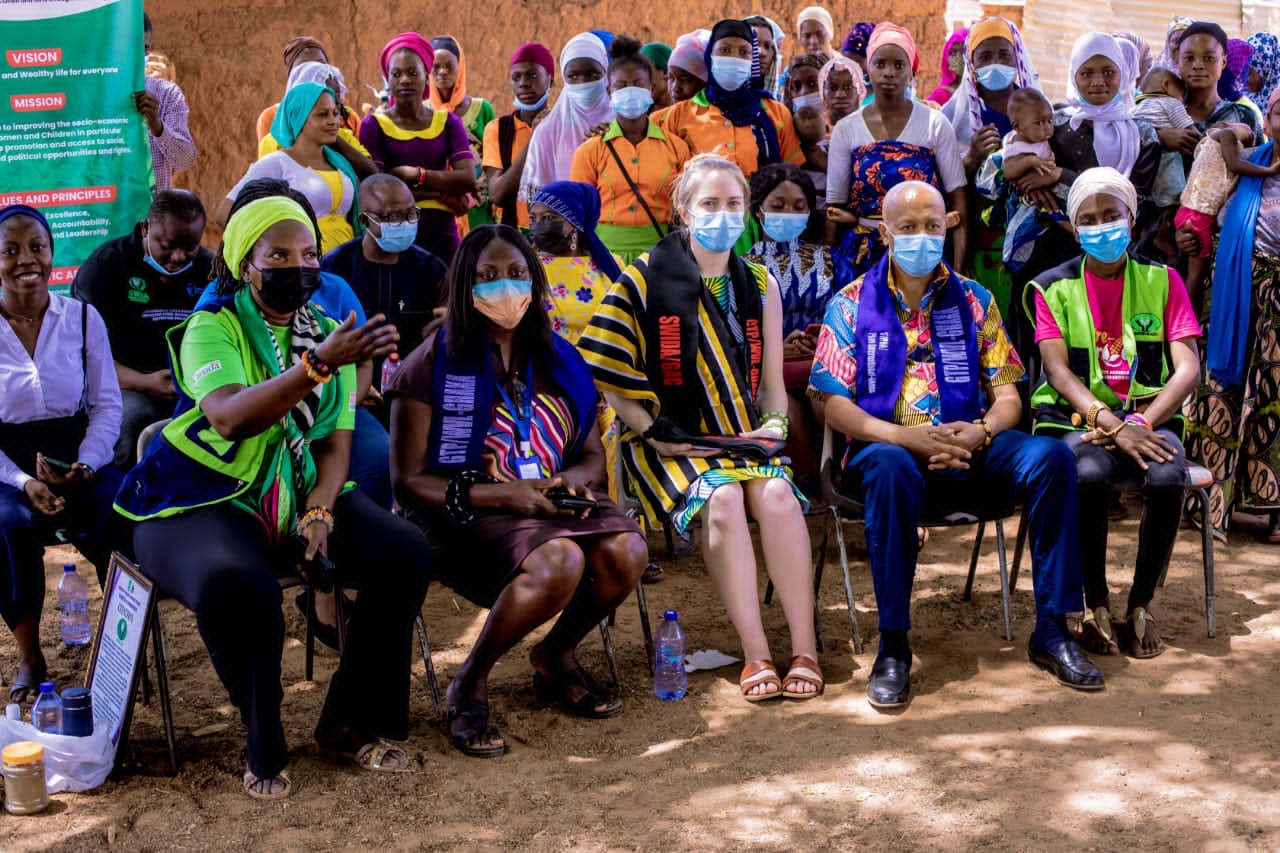
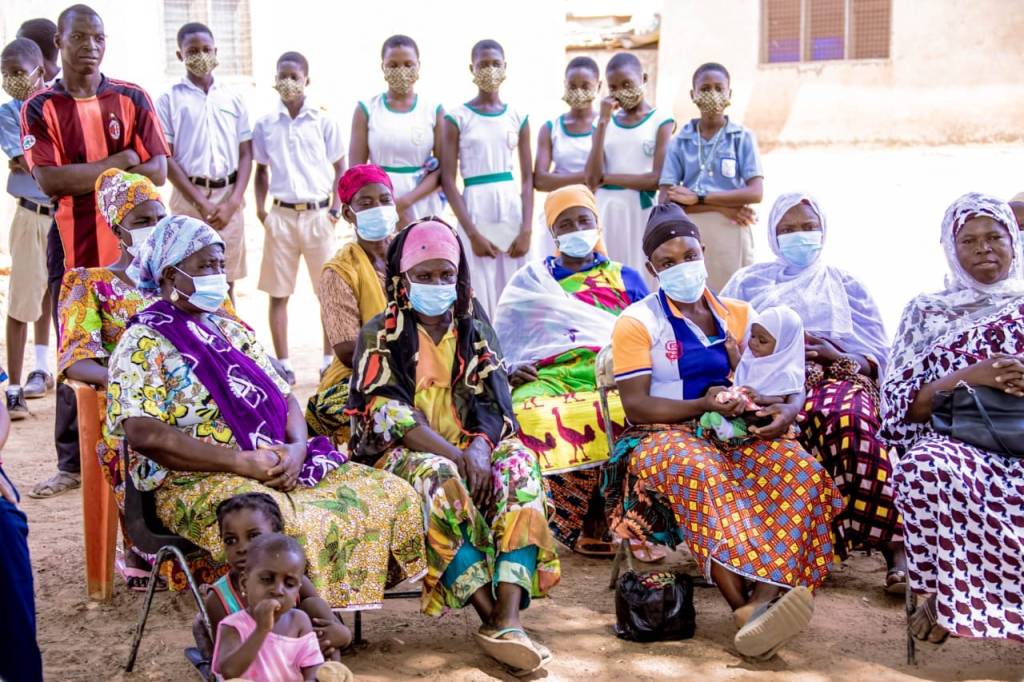
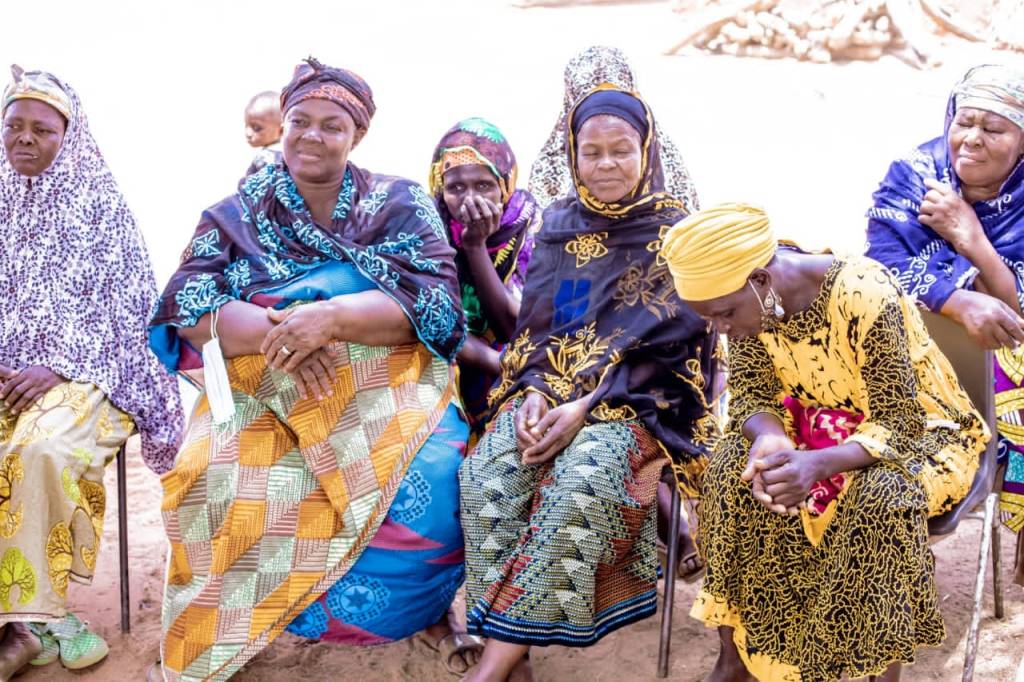
Over the week we were privileged to have the Global Affairs Canada and Plan International Ghana team visit our community Malshegu to interact with the inhabitants on how our work with them has increased the agency and economic capacity of women.

SWIDA-GH is an implementer of the Women’s Voice & Leadership programme (WVL) which aims at tackling the roots of gender inequalities to enhance women and girls access to equal opportunities.

GACC Demands Accountability for Citizens on COVID – 19 Expenditure

Ghana Anti-Corruption Coalition (GACC) has held a stakeholders’ engagement forum for citizens, heads of departments of government institutions, the Savelugu Municipal Assembly and other development partners, regarding the assembly’s 2020 and 2021 COVID – 19 expenditure.

The Forum, titled ‘Accountability Platform to discuss COVID – 19 Expenditure; monitoring findings, is part of the activities under a project meant to bring Accountability to citizens, on the ‘COVID – 19 expenditure.

The project seeks to provide platforms in MMDAs, to discuss monitoring findings, which was carried out in the last quarter of 2021 on how the COVID – 19 National Trust Fund was expended.

The monitoring was carried out by the LANet of Savelugu Municipality in collaboration with SWIDA – Gh and the GACC.

Speaking at the forum, project lead from the GACC, Mr. Abdulai Imoro said ‘’The project is about COVID – 19 Transparency and Accountability. When we had our first case of COVID – 19, a lot of funds were committed from the government and others were sourced from international agencies and within our own settings, we were able to set up the COVID – 19 National Trust Fund to help fight the spread. Now, concerns have always been, these funds that we have been able to generate and receive from these external agencies, are they judiciously using these resources to fight COVID – 19, or someone somewhere is profiting from it. Because people make money out of government funds.’’

He added that ‘’As part of the project, we try to create platforms for government to account to the people on how funds are being managed and also use that same platform for the citizens to ask questions regarding things that they do not understand. So one of the platforms is what we are doing today known as the accountability platform.’’ He added

The group (LANet) revealed how much was received and spent between 2020 and 2021 in the municipality to manage the pandemic, while also raising the funding challenges the assembly faced.

These funding challenges include uncontrolled market centres, minimal public education on the pandemic, inadequate sanitation facilities, Rapid urbanization, etc.

Participants at the forum also took turns to make their cases and sought some clarifications from the assembly and other departmental heads present.

One of them was from the persons with disabilities who asked why there was no special treatment for them during the pandemic when interventions were rolled out to support citizens. 

There was a question on why many businesses do not get financial support from the government, where the technical person at NBSSI at the Savelugu municipal assembly admitted that it is true that many businesses do not get funding from the agency, but asserted that most of them present proposals that do not meet standard.

The Accountability Bridges: providing platforms for Engaging Government on Transparent and Accountable COVID – 19 Expenditure’ project, is funded by the US Embassy and implemented by the GACC.

Pictures: SWIDA – Gh Participates in Policy Discussion to Empower Women in Agric and Other Areas

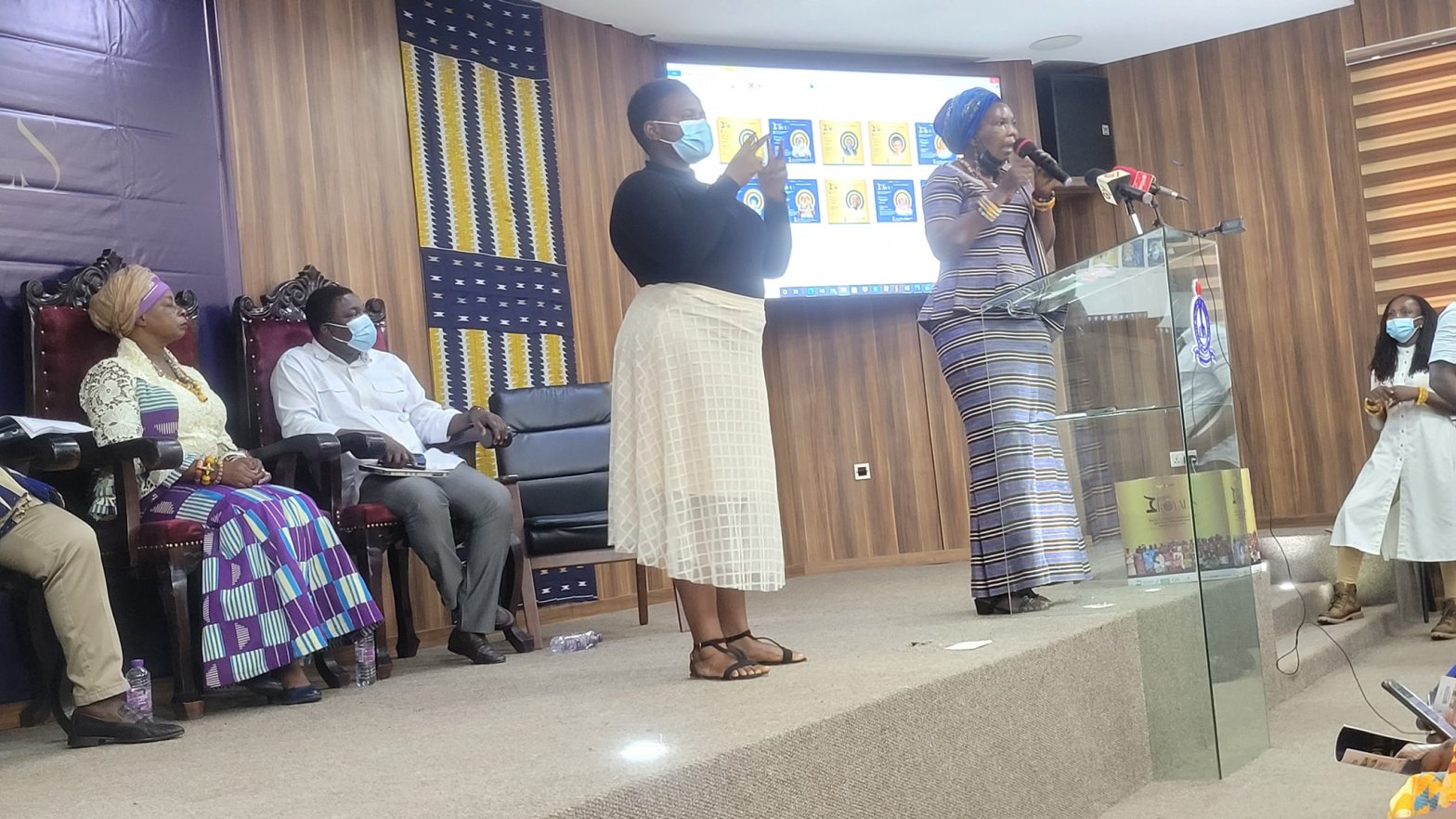
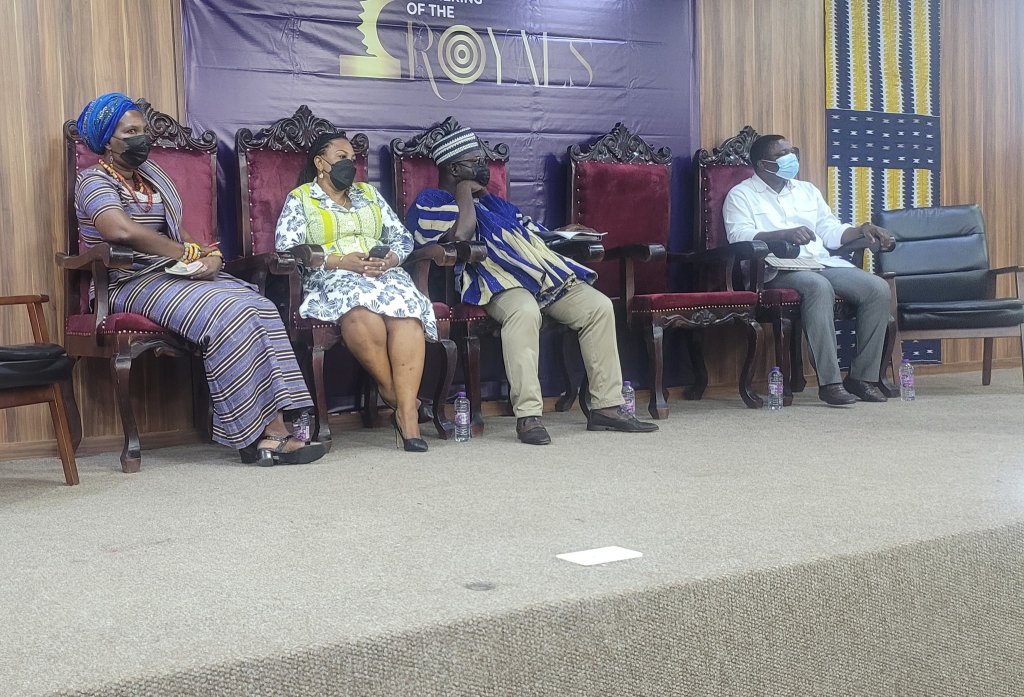
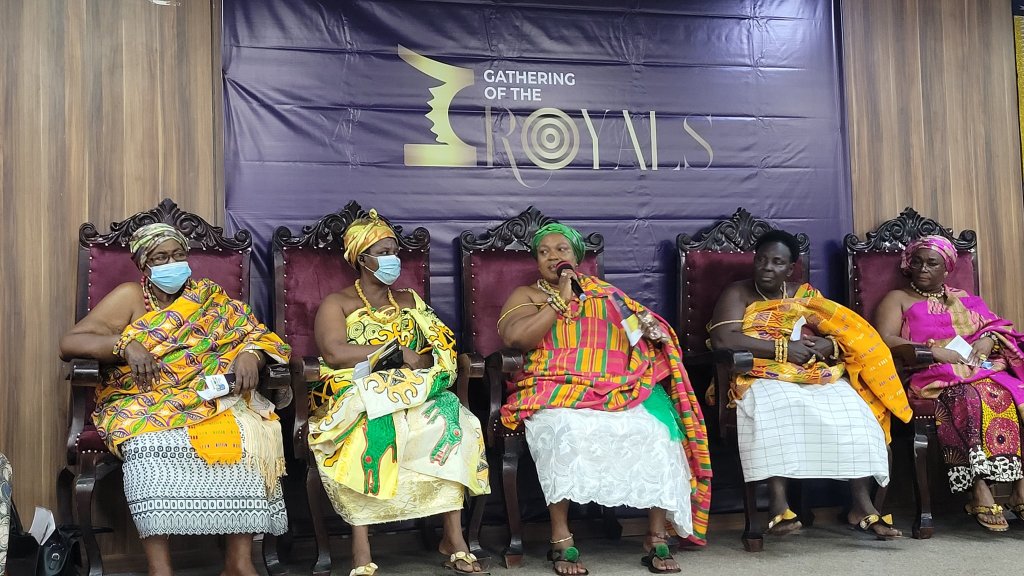
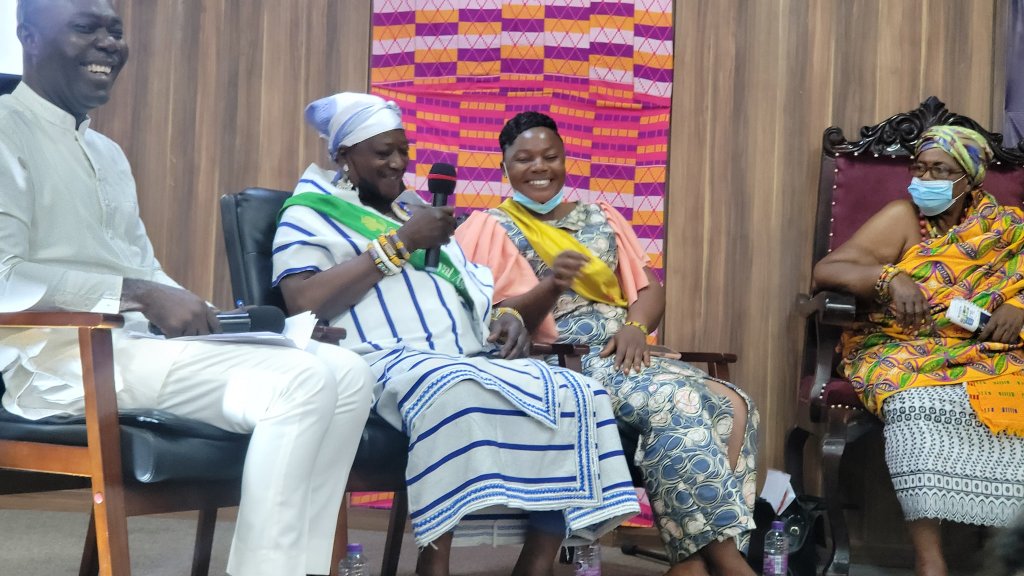
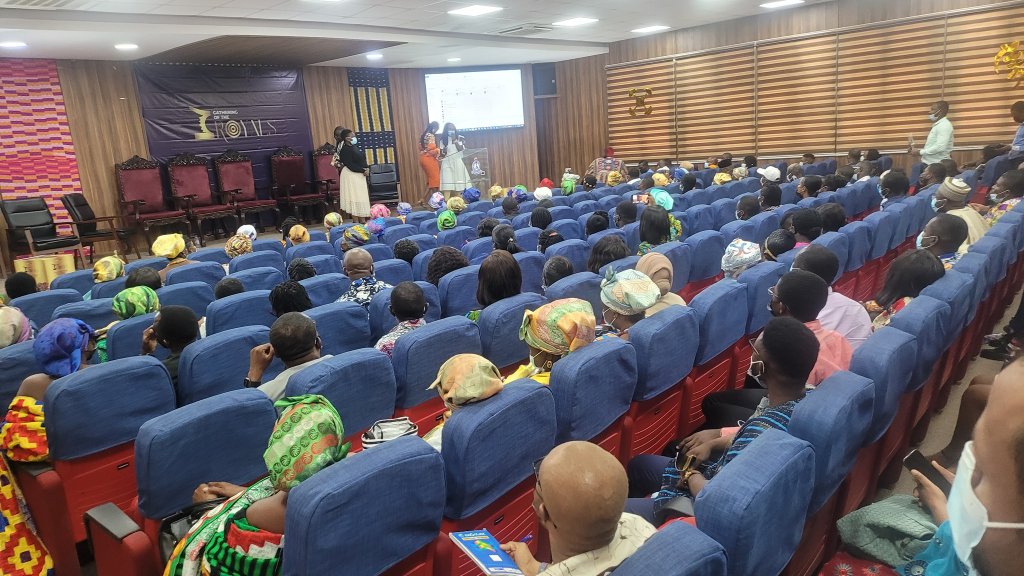
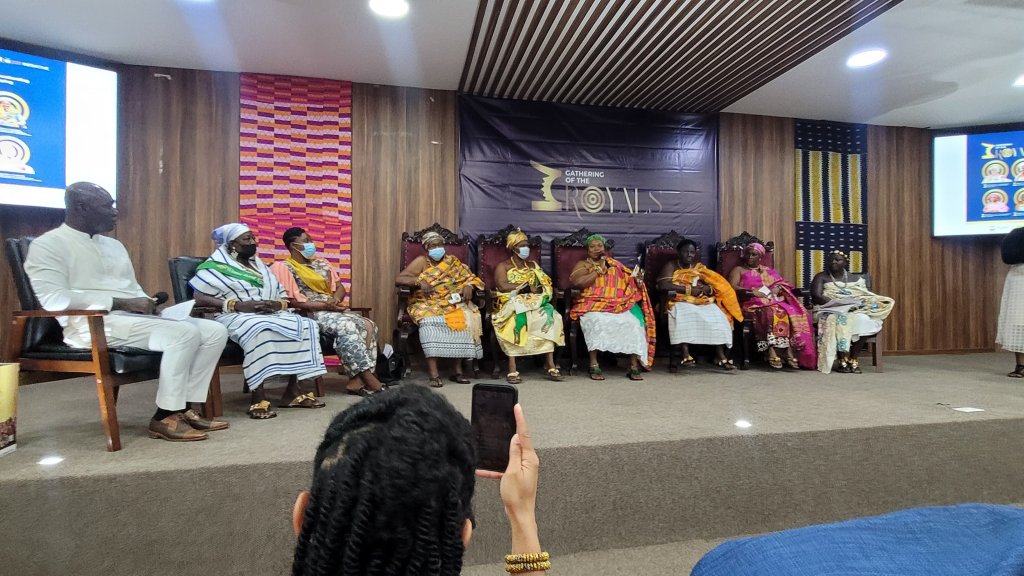
Providing policy options for government’s attention after the eight Royal panel discussions

Focus areas include:

Promoting and sustaining women in Leadership

Targeting women for agriculture technical support and gender responsive budgeting, women and Climate change and smart solutions, access and control over agriculture resources especially land and finances, economic livelihoods options for Women, reducing Sexual and Gender based violence, as well as attention on Unpaid Care Work by women.

Sexual Violence Affects Women Employment – SWIDA – Gh

The Executive Director for the Savannah Women Integrated Development Agency (SWIDA – Gh), Hajia Alima Sagito – Saeed has indicated that the rise of sexual violence in West African countries has been affecting women and girls’ employment.

According to her, rape, sexual assault and domestic violence are significantly under reported, especially in Ghana, which mostly affects police capacity to effectively investigate such cases for the perpetrators to be punished.

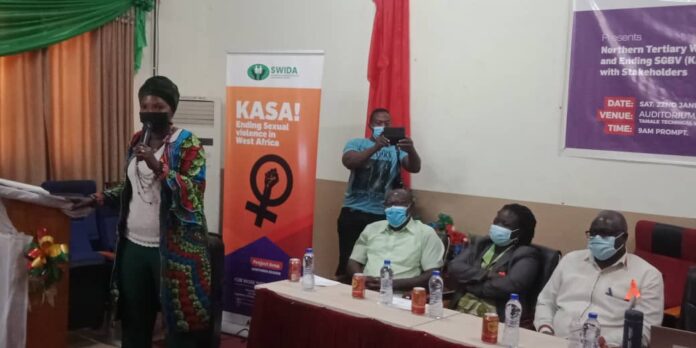
Hajia Alimah said this at the implementation of the Northern Tertiary Women Commissioners’ Convening and KASA Project entry in Tamale, which was also the launch of the project.

The KASA Project being implemented by SWIDA – GH and funded by African Women’s Development Fund(AWDF), connotes to ‘speak’ in the Twi language, which is helping push for an End to Sexual violence, aimed to create awareness on sexual violence as a violation of human rights.

The Project is targeting 200 women leaders at the various tertiary institutions and senior high schools in the northern region, to empower them on critical issues surrounding sexual and gender – based violence in the region and how they can amplify their voices in the fight against this canker.

As part of the project activities, SWIDA – GH and the students will organize radio and social media campaigns against sexual violence and sensitize healthcare professionals and law enforcement agencies to improve services for survivors of sexual violence and hold perpetrators of such crimes accountable.

The event was used to share perspectives on the menace and the role women and girls, as well as stakeholders can play in ending sexual violence in Ghana.

Hajia Alimah added that Sexual and Gender-Based Violence (SGBV) is one of the most prevalent human rights violations in the world, which undermines the health, dignity, security and autonomy of women and girls.

She called on authorities to put measures in place to take action in safeguarding women and children against sexual violence especially in the rural areas.

She also urged various actors from legislators and law enforcement, religious bodies, the media and gatekeepers of culture to play their roles as guarantors of the rights of women and girls, to support the government to prevent sexual violence acts in the country.

Northern Regional Coordinator of DOVVSU, DSP Emmanuel Holortu said less than 20 percent of the sexual violence victims report to law enforcement authorities, which is one of the many hindrances to curbing the menace of sexual violence in the country.

He therefore urged victims to report such cases to the police and cooperate during investigations.

The activity brought together female leaders in targeted educational institutions across Tamale, together with various actors, legislators to law enforcement, religious bodies, the media and gatekeepers of culture.

SWIDA – Gh Provides Nutrition Education to Women

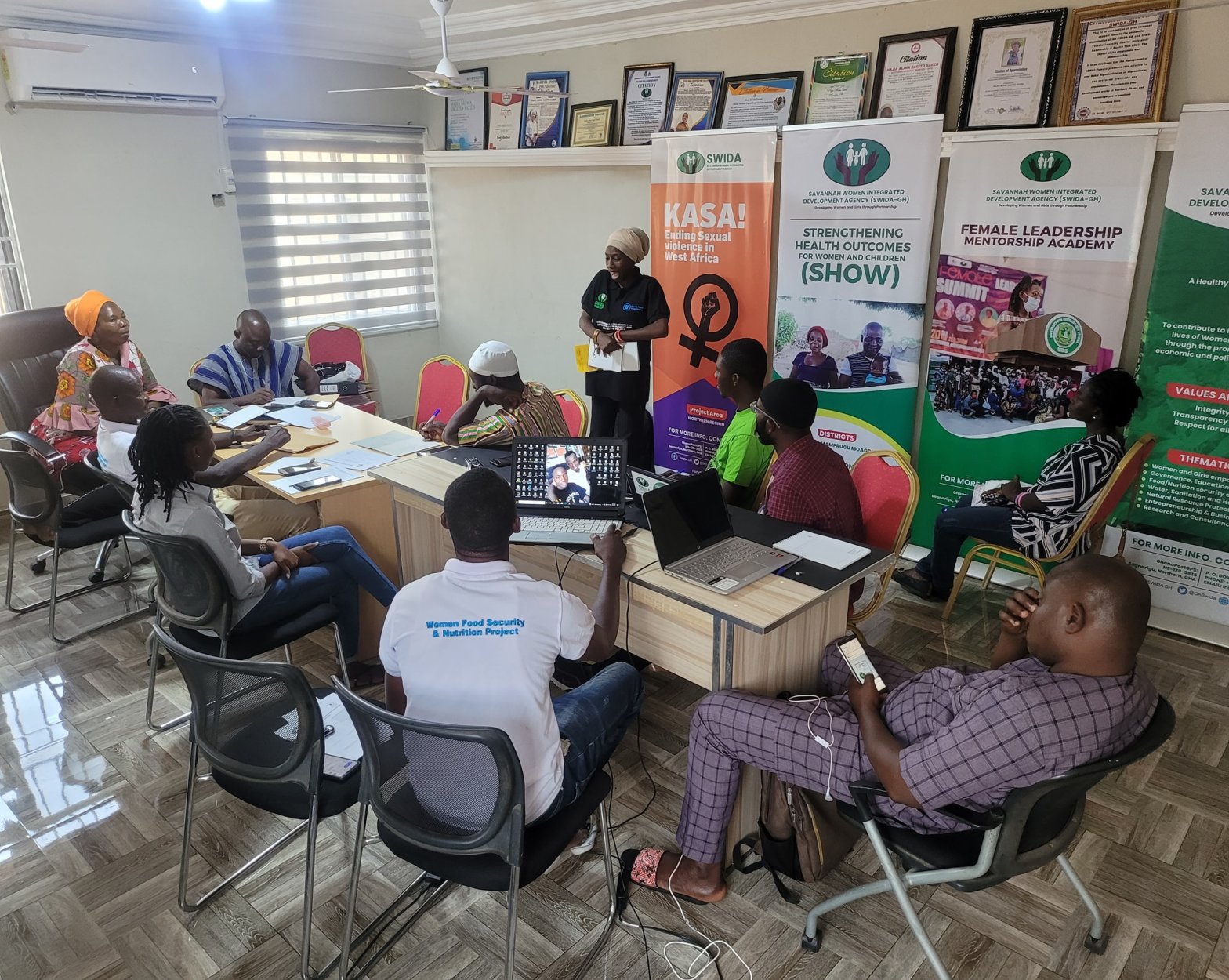
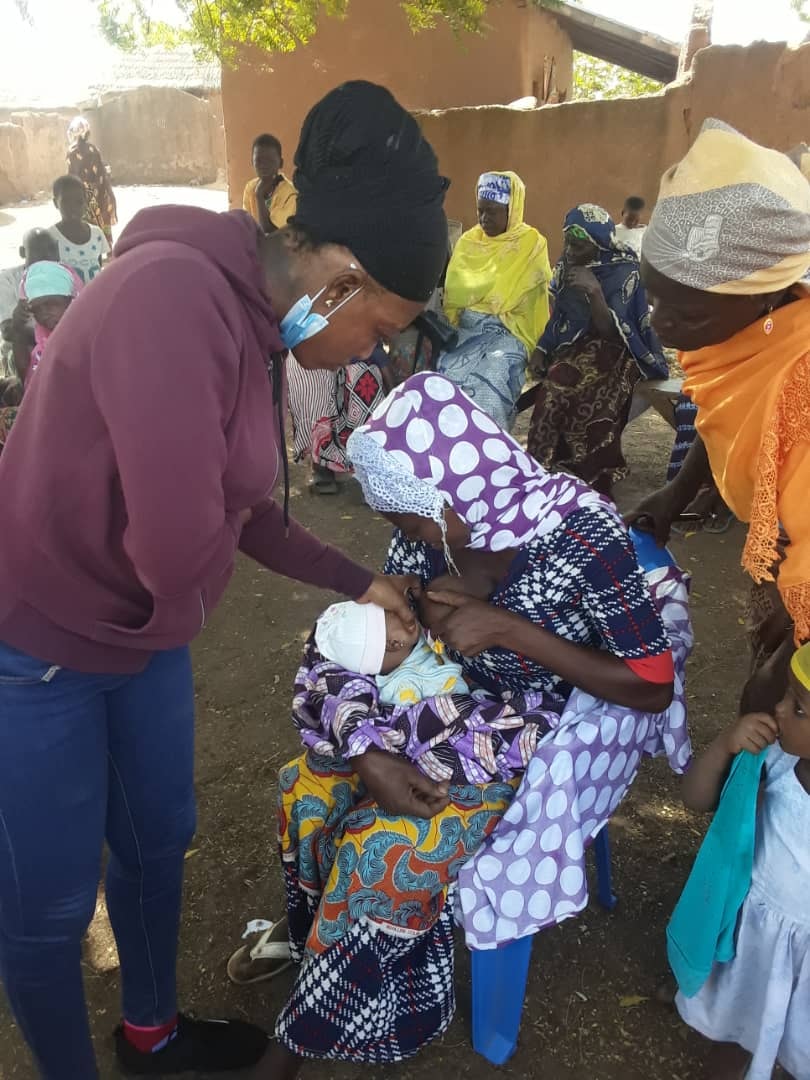
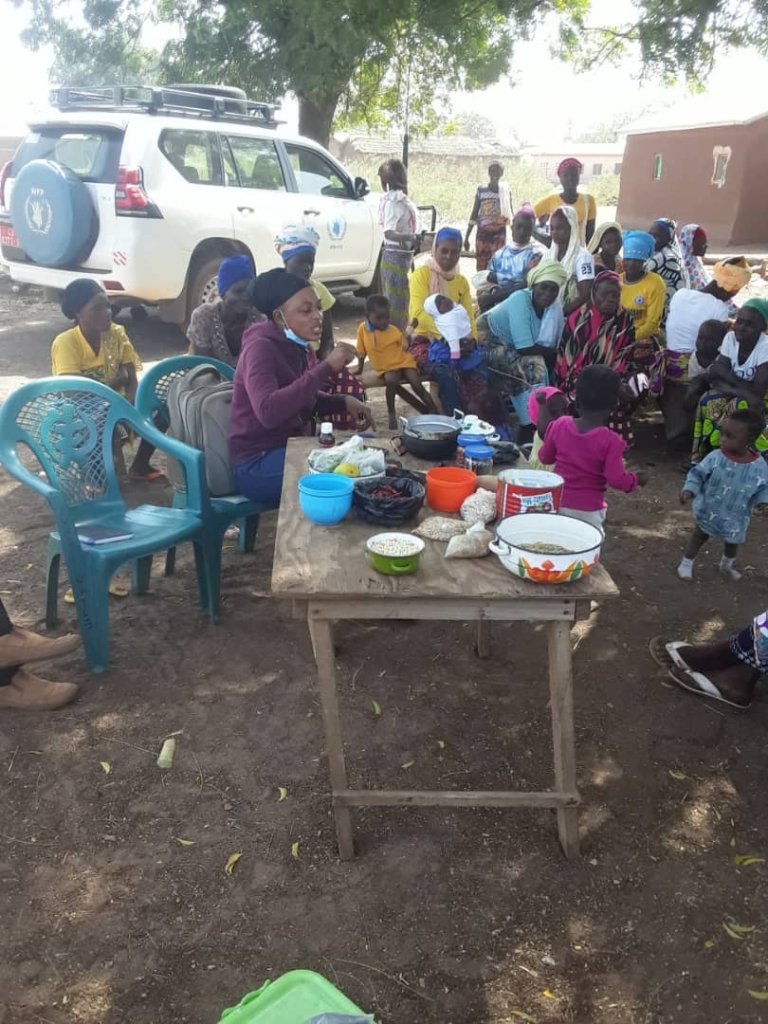
For the past few weeks, SWIDA – Gh’s team of officers have been working with nutrition officers in the districts where the Sustainable Livelihoods for Improved Food Security and Nutrition project is being implemented, to help community members improve their nutrition and general health and hygiene practices.

In this activity under the project, the team has been providing direct education and demonstration on what constitutes good nutrition, as well as the basic necessities and practices on health and hygiene.

This intervention has reached some 3,000 women directly at their points of needs from 30 communities.

The Sustainable Livelihoods for Improved Food Security and Nutrition, is under SWIDA – Gh FLA, which is a partnership between the Savannah Women Integrated Development Agency and the World Food Programme, being implemented in six districts in the Northern and Savannah Regions.

The WFP has a mandate of providing humanitarian relief food assistance in emergencies and work with communities to improve nutrition and build resilience.

Women beneficiaries and participants in the exercise made some revelations to the team, include issues on the choice and combination of food available to them, the cooking, as well as proper breastfeeding methods.

The other issues raised by the women include child care, personal and environmental hygiene and safe water and sanitation.

SWIDA – Gh Facilitates Empowerment Interventions for Peer Clubs

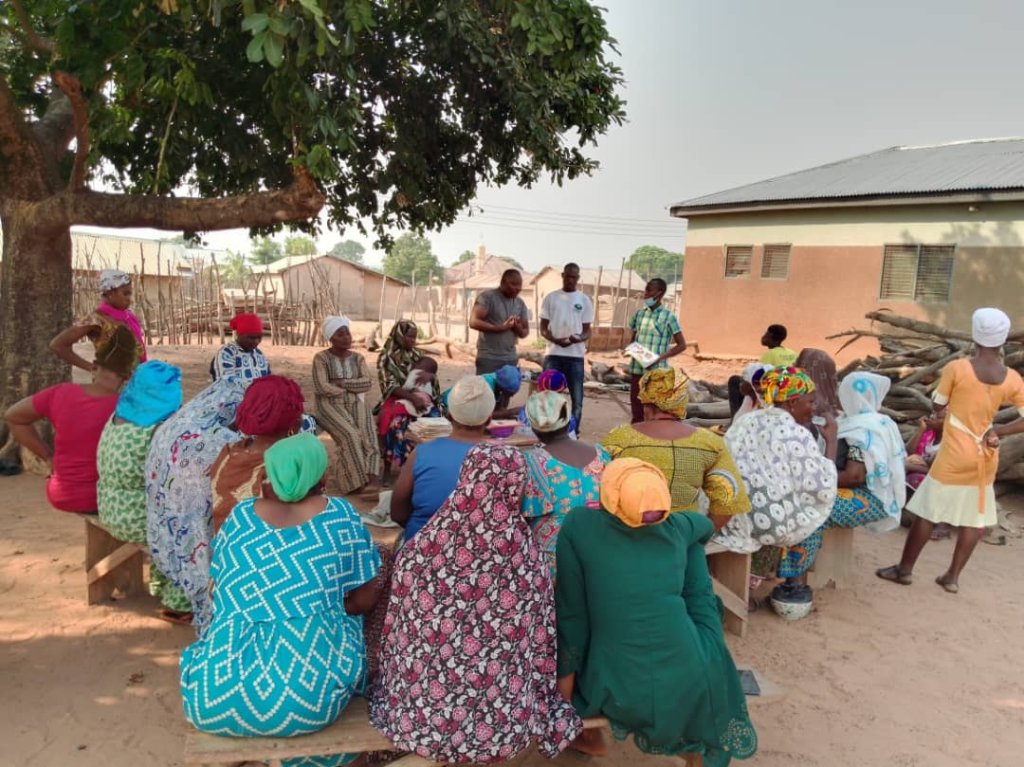
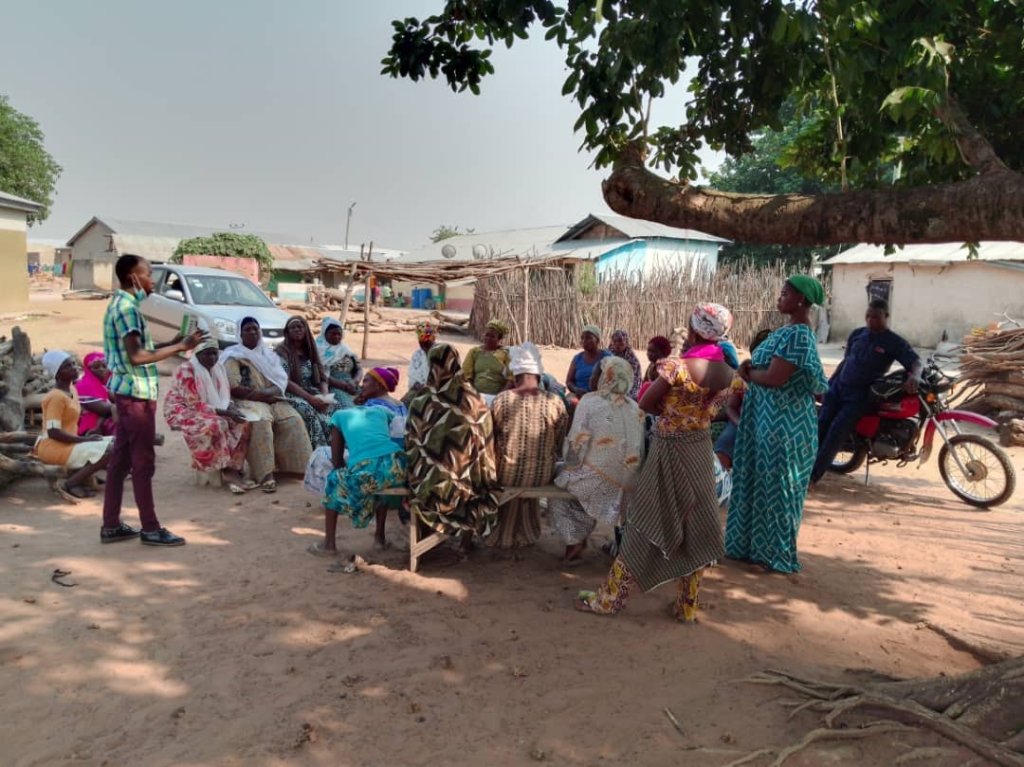
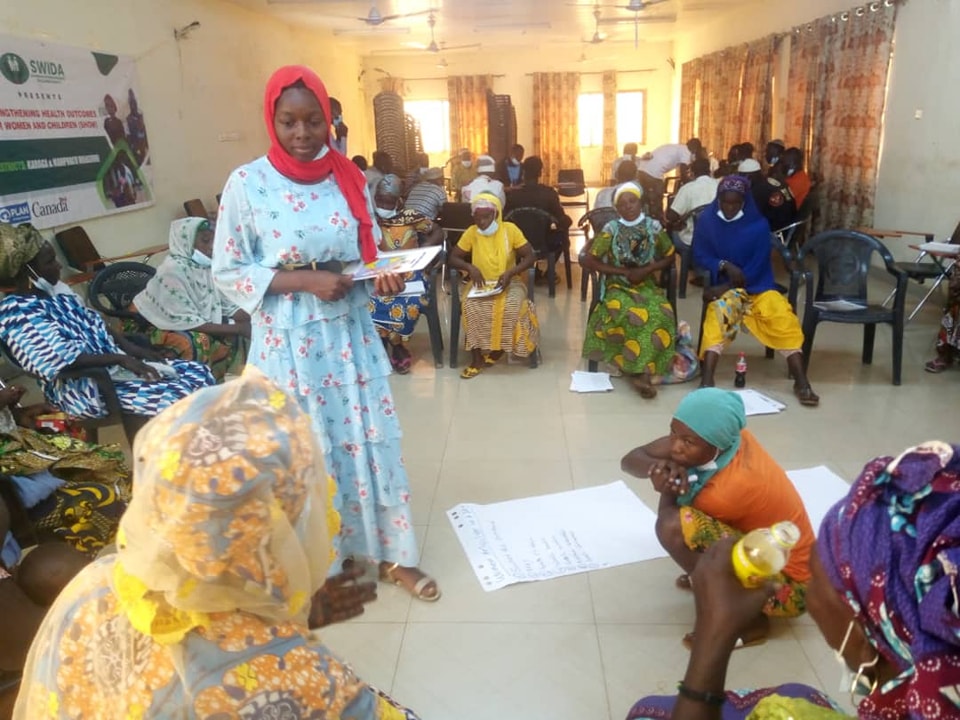
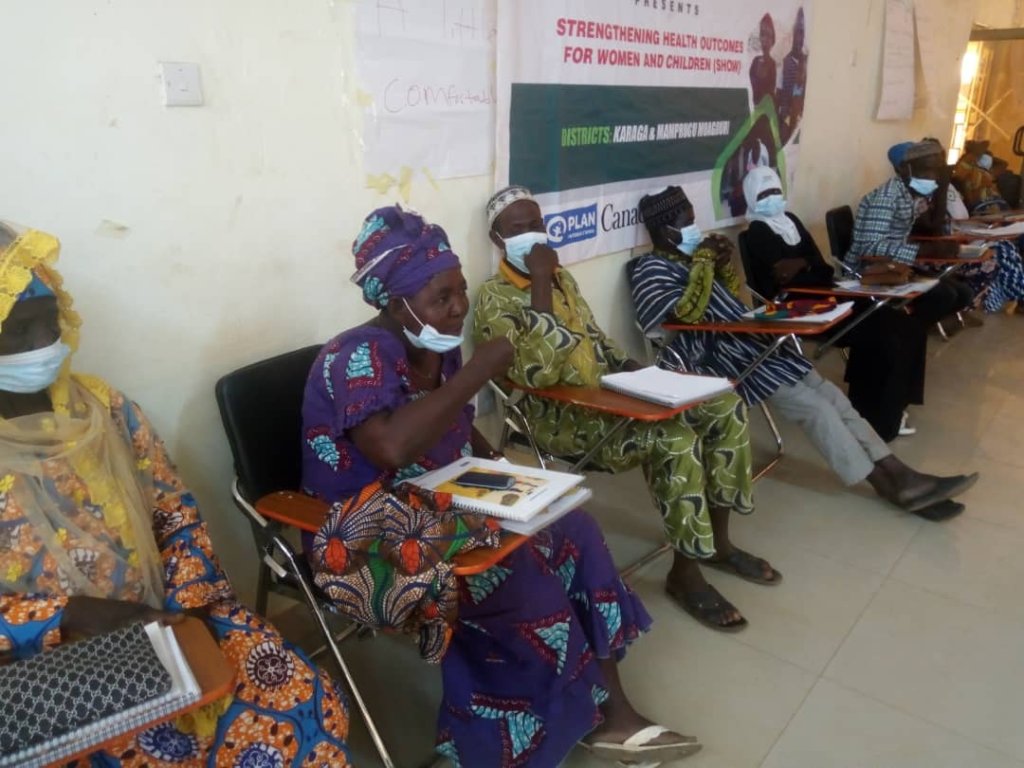
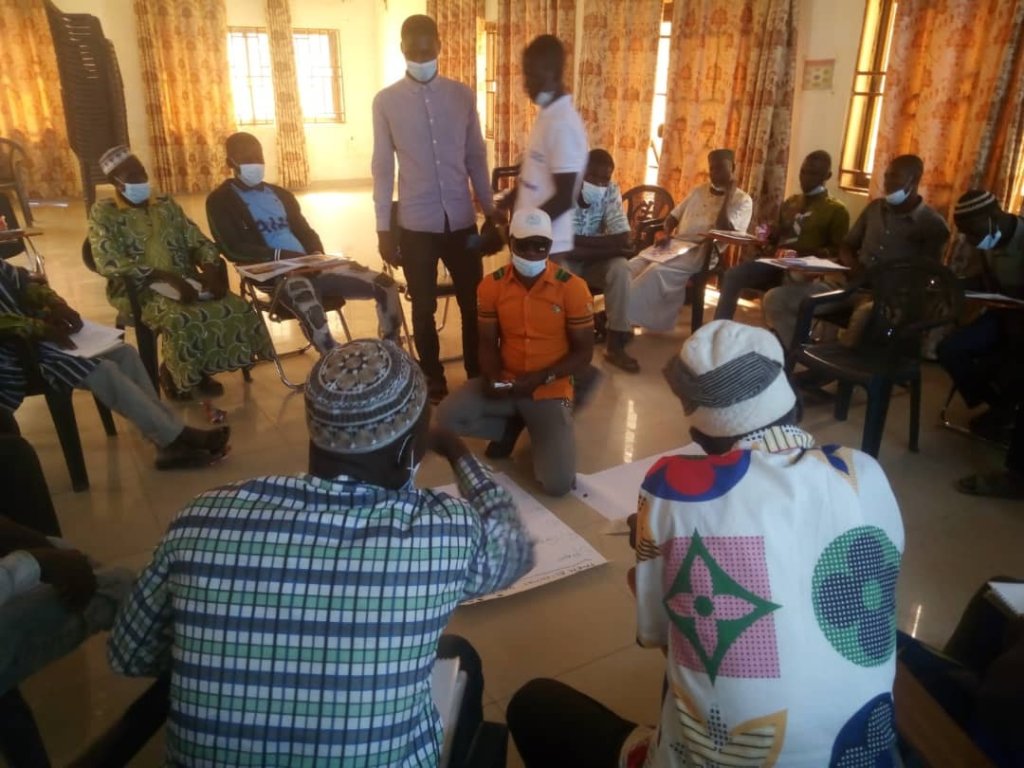
The Savannah Women Integrated Development Agency – Ghana (SWIDA – Gh), through the Strengthening Health Outcomes for Women and Children (SHOW) has been facilitating community men and women clubs with various empowerment drives to boost their levels of engagement with each other and to strengthen their approaches to helping in developing their communities.

The “SHOW” team was in the Mamprugu Mogduru District engaging men and women, who are members of the clubs in the area.

The objective of this engagement is to ensure positive redistribution, recognition and redefinition for unpaid care works at the household levels, particularly in these COVID-19 times.