SWIDA deeply concerned 6.8% of women experienced physical violence while pregnant

On Friday, November 24, 2023, the Ghana Statistical Service reported, as part of its preliminary findings from the 2022 Ghana Demographic and Health Survey (GDHS) Report, that two in every five (41.6%) women aged 15 to 49 who have ever had an intimate partner have experienced at least one form of intimate partner violence (IPV), the Ghana Statistical Service (GSS) has said.

This violence includes emotional, physical, or sexual violence.

The service underscored that 35.2 percent of these women had experienced emotional violence at least once; 22.7 percent had experienced physical violence at least once, and 11.2 percent had experienced sexual violence at least once.

Also, it said that overall, one in every three (33.2%) women aged 15 to 49 years in Ghana had experienced physical violence since age 15 years.

“Further, one in every ten (12.2%) women in this age group reported experiencing physical violence often or sometimes in the 12 months preceding the survey, and 6.8 percent experienced physical violence while pregnant.

The Central Region (44.6%) had the highest percentage of women who had experienced physical violence since age 15, followed by the Savannah (42.9%) and Volta (40.2%) regions. The lowest rates of physical violence were recorded in the Upper West (23.7%) and North East (23.7%) regions.”

Again, the GSS said 14.1 percent of women aged 15 to 49 had experienced sexual violence.

If the incidence of violence is to be reduced, Savannah Women Integrated Development Agency (SWIDA) advocates a thorough change in mindset, particularly at the community level.

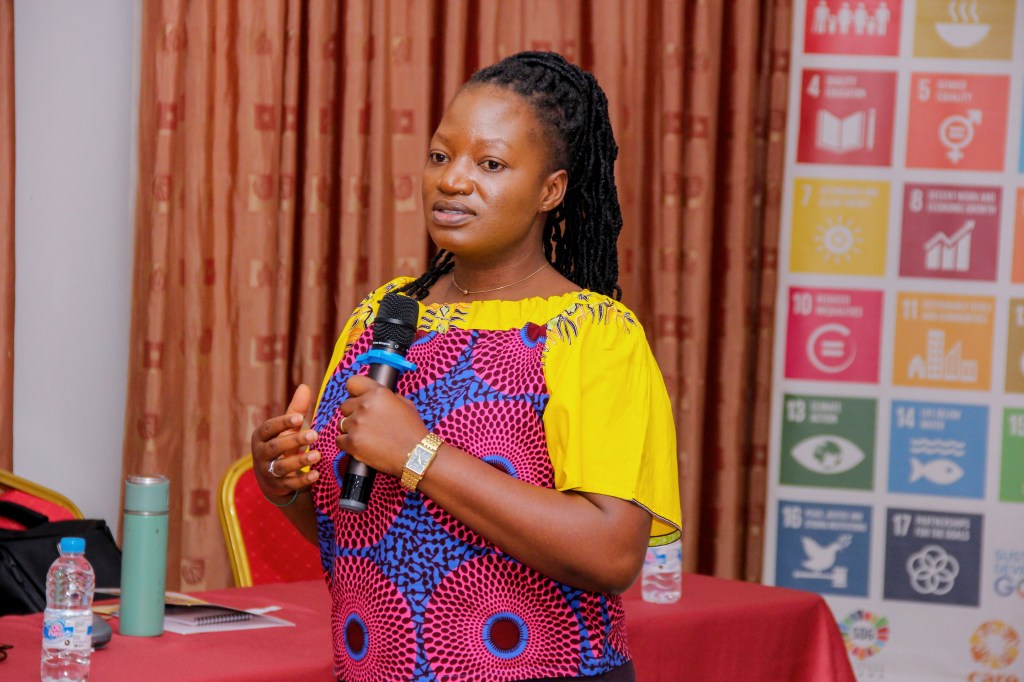
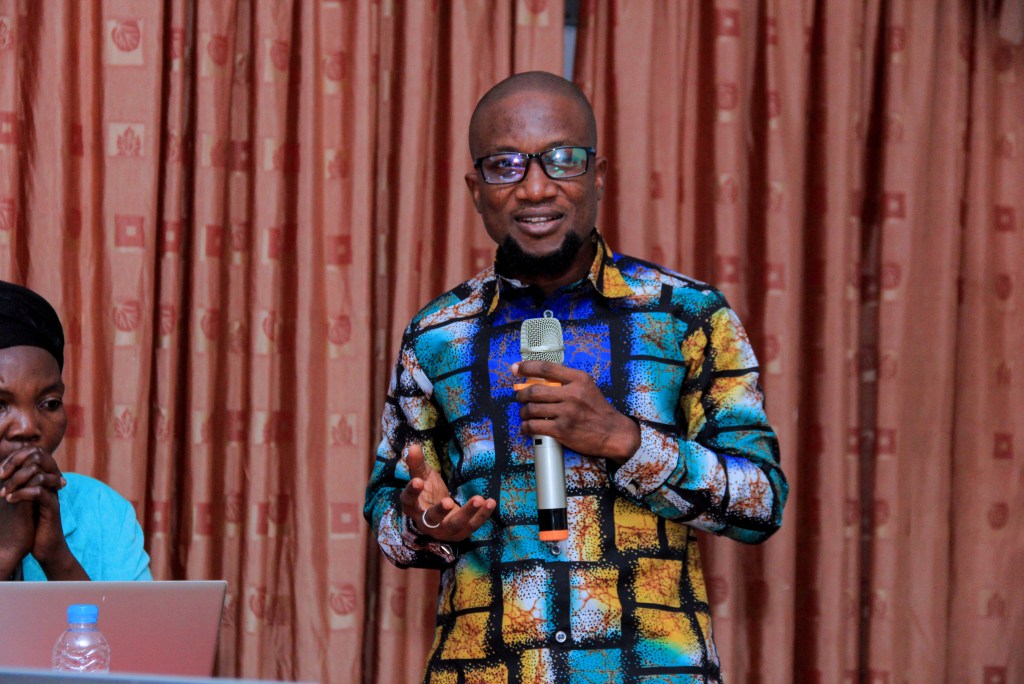
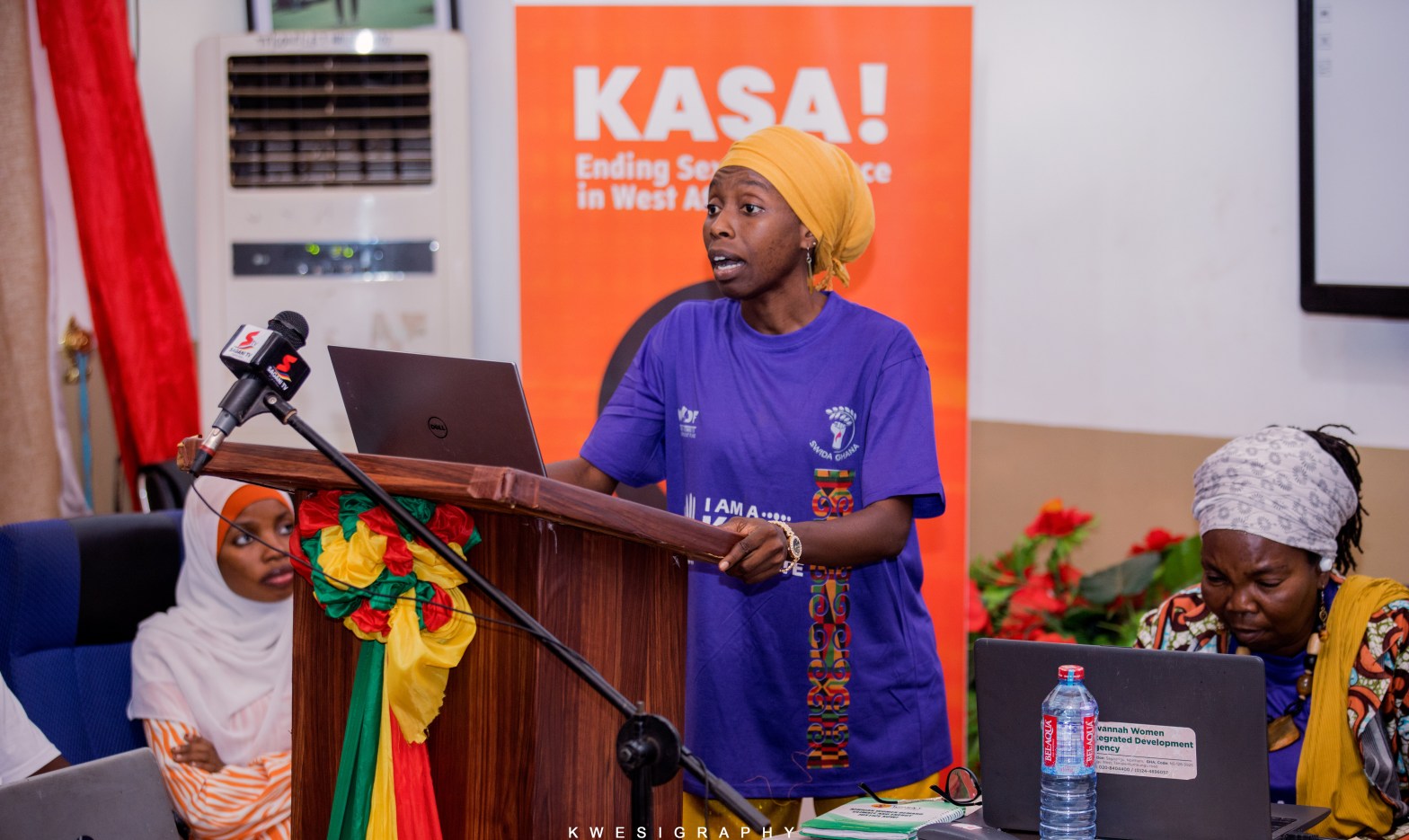
Khadijah Abdul-Samed, the Gender and Communication Officer for SWIDA, speaking with Mark Smith in connection with the 16 Days of Activism against Gender-Based Violence, said, “one of the statistics that shocked me, Mark, was that between 2008 and 2022, physical violence against pregnant women increased from 5.2 percent to 6.8 percent.

This begs the question: What would make a group of people want to now see a pregnant woman, women who are bearing children that have not even touched the surface of the earth, suffer physical violence?”

“I’ll tell you why. It is because we have made it look normal that a woman is okay to hit. So now, [people think], what difference does it make if the stomach looks a little different because, at the end of the day, she is still a woman.

So you would realize that we would need to target the mindset and the belief systems. It is the belief systems that push these kinds of thinking if we go to the grassroots of this.”

Ms. Abdul-Samed was quick to add that not all cultural belief systems and traditions cause gender-based violence. She continued to say that the length of the activism against gender-based violence is justified because of the enormity of the task at hand.

The global campaign, running from November 25th to December 10th, aims to end violence against women and girls, with this year’s theme being “Invest to Prevent Violence Against Women and Girls.”

“Just as it is to deal with deep-seated cultural belief systems, the 16 days, to me, represent that long period it would take for us to be able to get this done. That is why it is not just one day. Again, the dimensions of GBV are a lot; there is economic, there is psychological, there’s sexual, there’s physical, and there’s so much more coming up.”

Ms. Abdul-Samed insisted that Ghana’s progress would continue to lack if issues of gender-based violence aren’t addressed wholly.

Savannah Integrated Rural Development Aid (SIRDA) originated in 1995 as a youth-centered NGO formed by university graduates from the Nanumba Traditional area. Officially registered in 2005 as a non-profit, non-sectarian, and non-governmental organization (NGO), SIRDA initially focused on voluntary advocacy and awareness creation regarding education and women’s rights in the Nanumba North District of the Northern Region.

With a primary emphasis on empowering women, the organization underwent a rebranding in 2017, changing its name to Savannah Women Integrated Development Agency (SWIDA) to underscore its commitment to women as catalysts for development change.

Meanwhile, the Development Research and Advocacy Centre (DRAC) is advocating for a government bill that economically empowers survivors of gender-based violence and clearly outlines the psychological support they will receive. DRAC emphasizes the need to address gender-based violence in Ghana, citing cultural systems and beliefs as barriers to effective solutions.
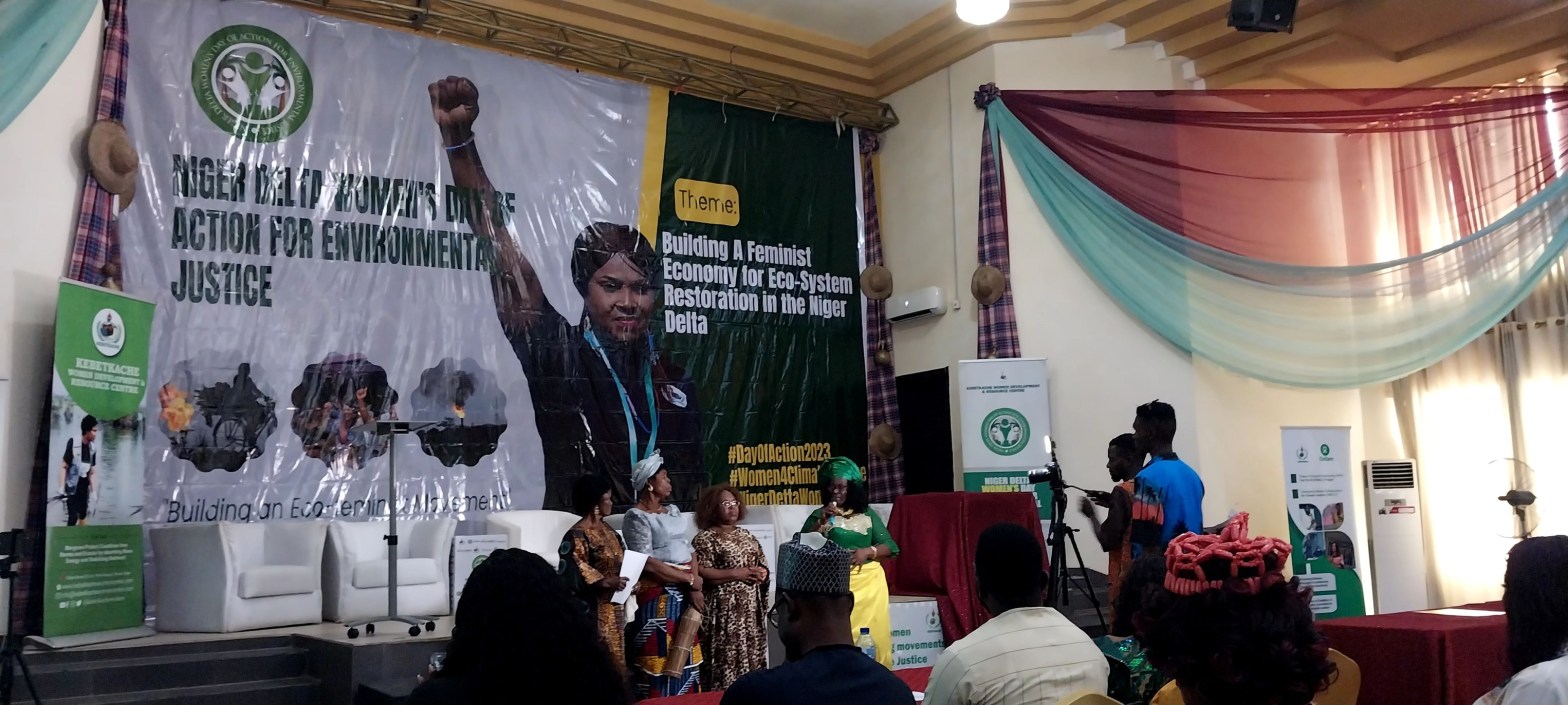
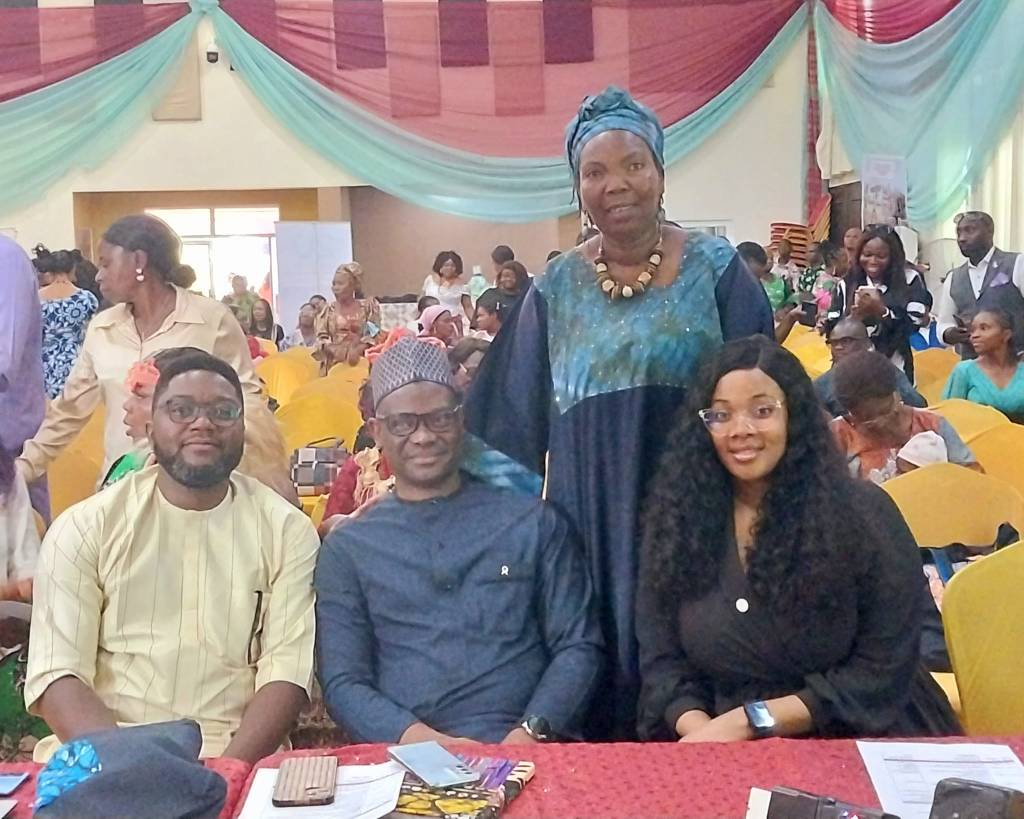
SWIDA-Gh in Niger Delta for Women’s Engagement on Environment and Justice

SWIDA-Ghana’s Executive Director is at UYO, Akwa Ibom state, Niger Delta, for the Women Convergence for Environmental Justice.

The theme for the conference is “Building A Feminist Economy for Eco-System Restoration in the Niger Delta”.

SWIDA-Gh has over the years been working on women in Climate Justice, with support from our partners like Global Fund for Women World Food Programme has been recognized by many.

SWIDA-Gh was invited by the Executive Director of Kebetkache Women Development and Resource Centre, Dr. Emen Okon.

The two days convergence has brought together over 300 female and male activists and chiefs.

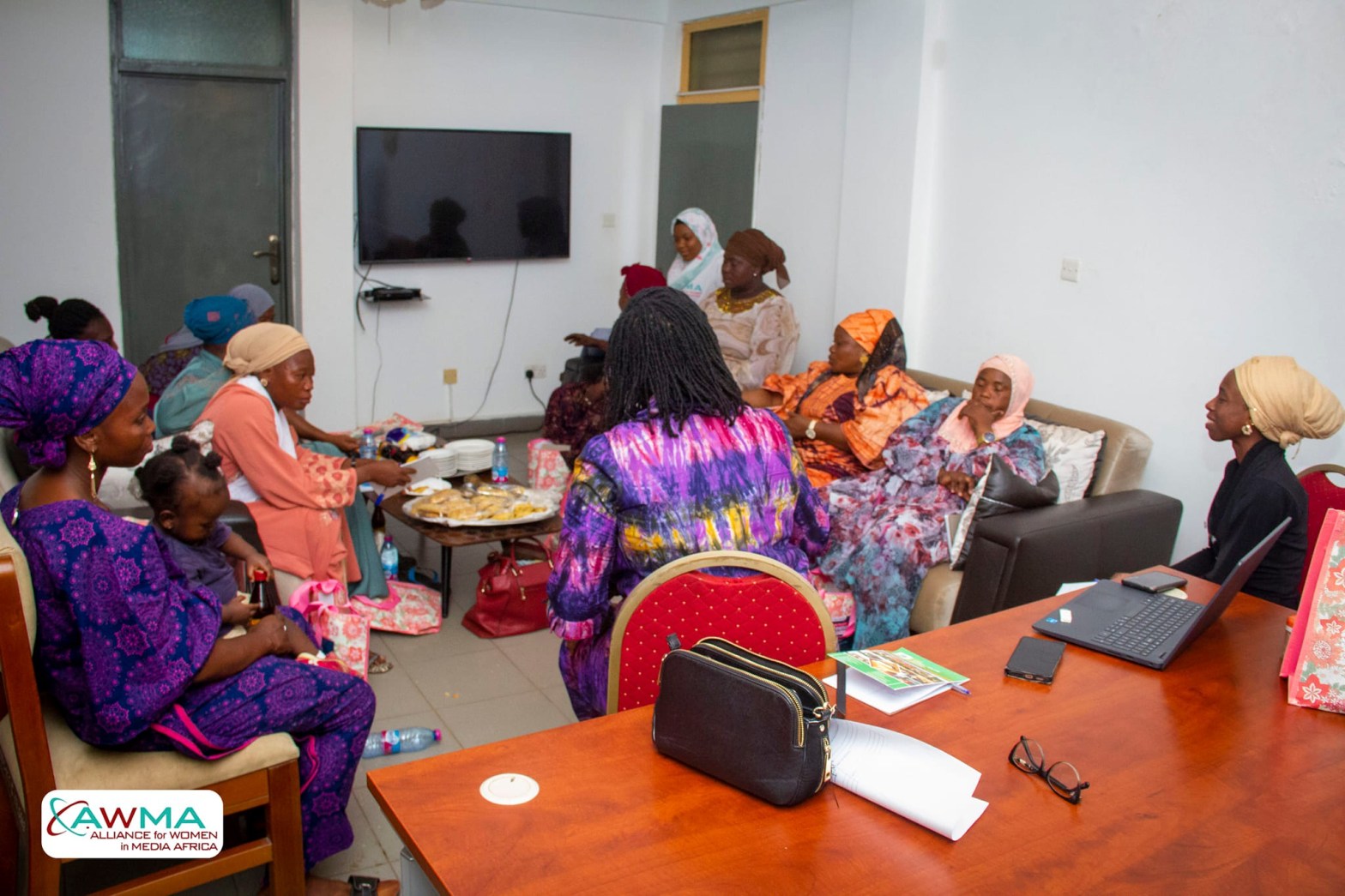
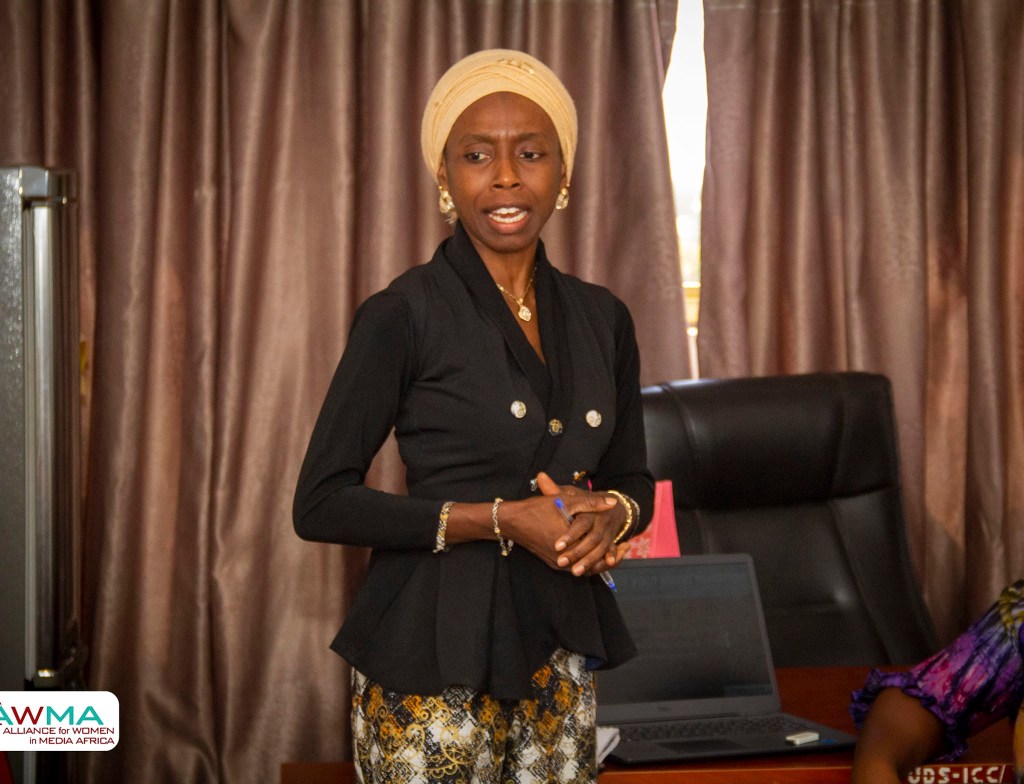
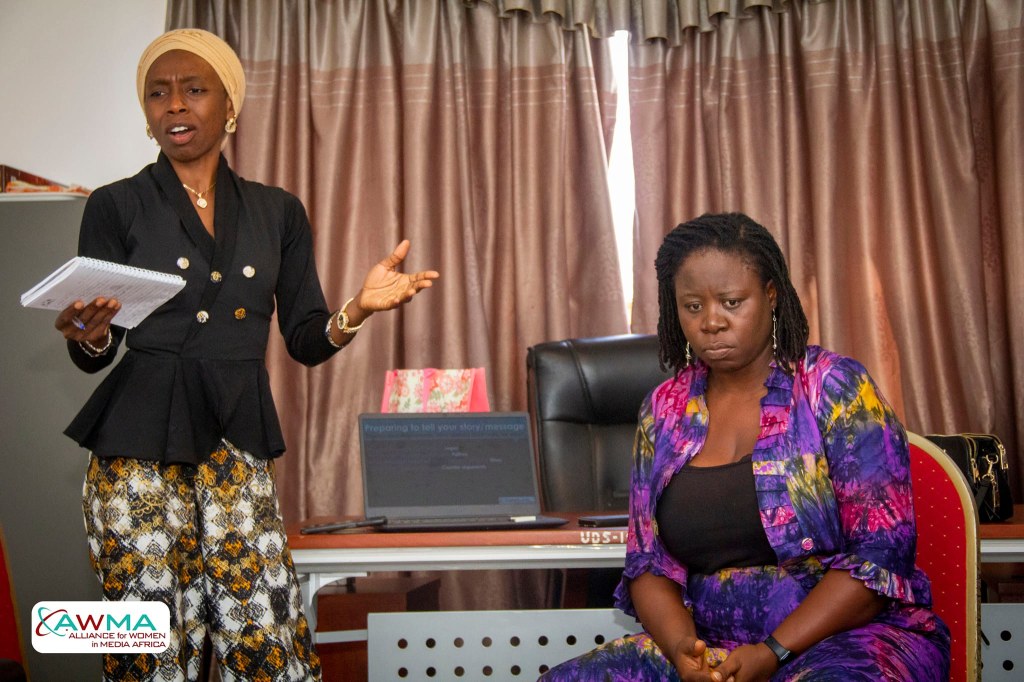
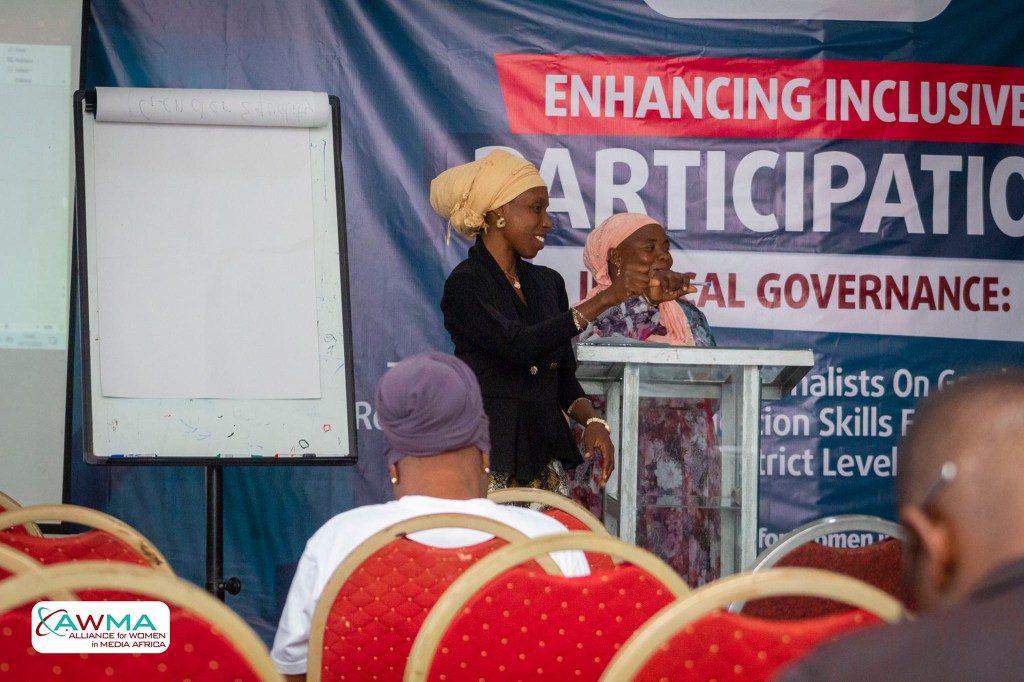
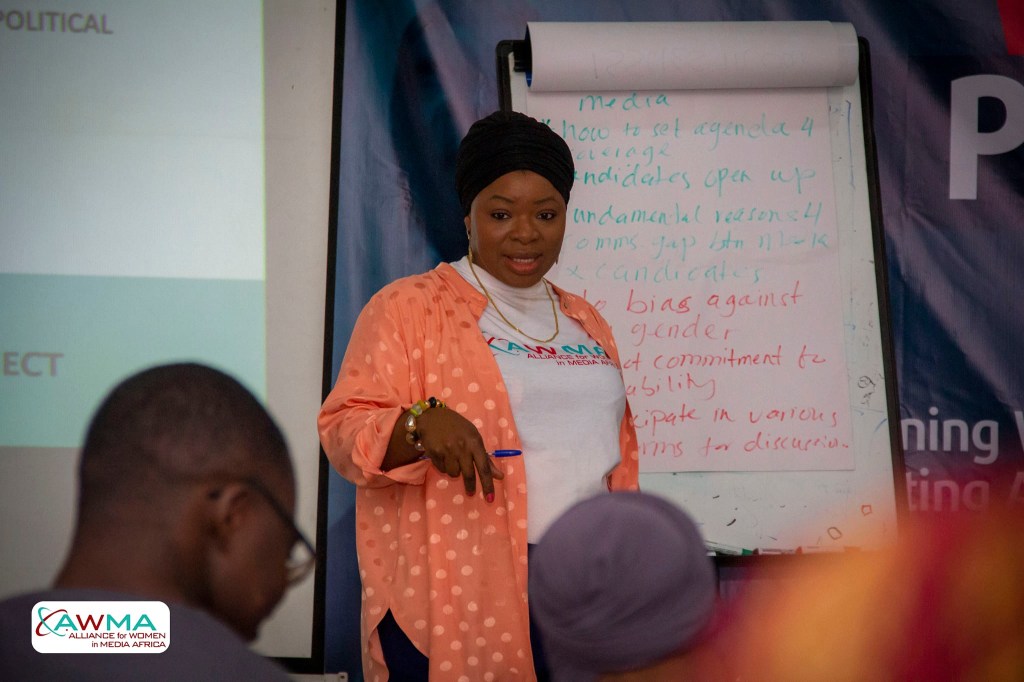
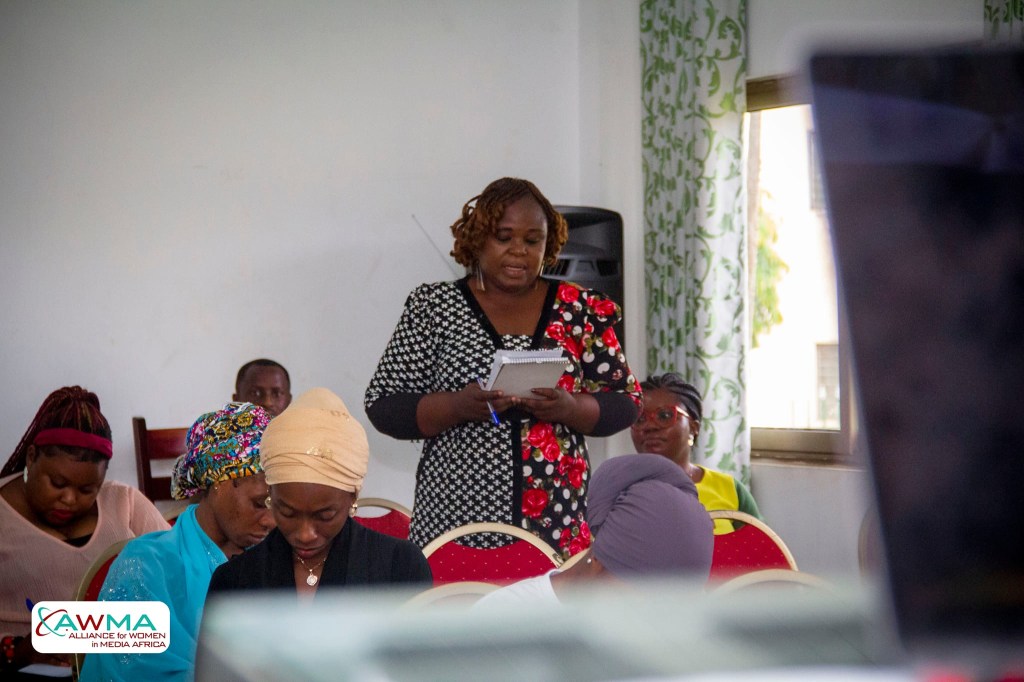
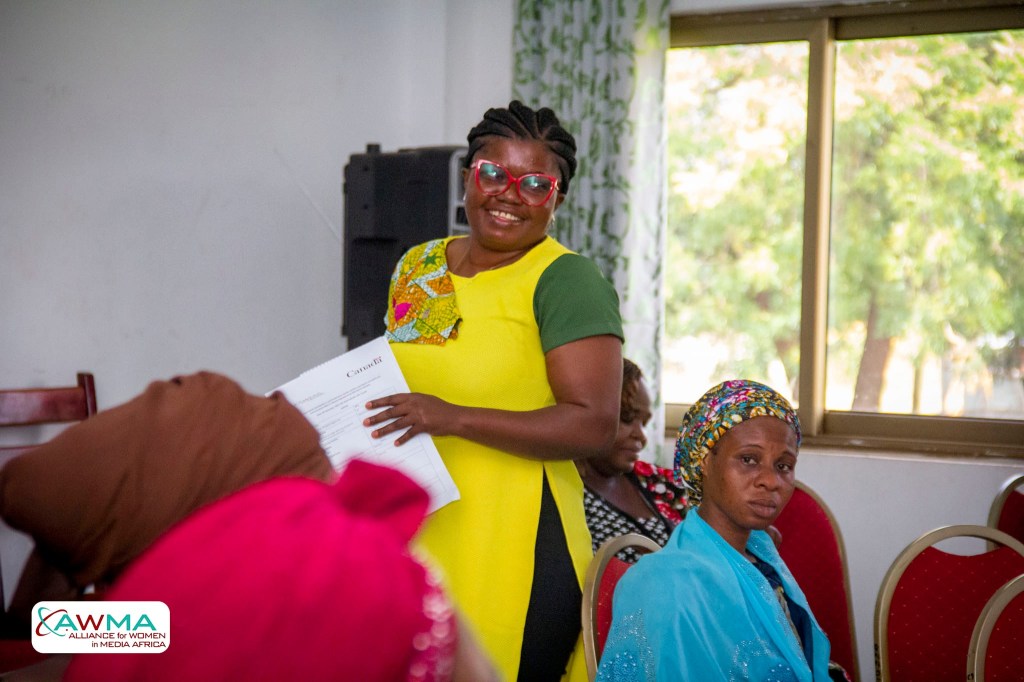
Pictures: SWIDA-Gh in AWMA Media and Assembly Women Aspirants Engagement


The Alliance for Women in Media Africa invited SWIDA-Gh to engage women aspirants and the media on the importance of gender-sensitive reporting towards increasing women’s participation in the 2023 District Level Assembly Elections.

We also had the chance to engage women aspirants on effective communication strategies to bolster their campaign messages.

The design of the programme was very well thought out and we are hopeful of great news this year!

Employ new Approaches towards Agriculture and Food Production – Hajia Alima

The Ghana Federation of Forest & Farm Producers (GhaFFaP) has called on all actors and stakeholders within the Agricultural value chain to adopt more integrated Climate Resilience approaches for their agricultural and food production systems.

This statement was made during the 39th Ghana National Farmers Day Celebrations which was on the theme: ” Delivering Smart Solutions for Sustainable Food Security and Resilience”.

In a statement signed and issued by the National President on behalf of GhaFFaP from the National Secretariat in Kumasi – Ghana, Hajia Alima Sagito-Saeed stated that the only viable alternative for sustainable Food Security and improved livelihoods for rural economies, is for the country to adopt a more integrated climate Resilience approach to our agricultural and food production systems.

She added that building climate resilience in agricultural and food production systems is a collective responsibility and very crucial for the sustainable development of every nation.

The GhaFFaP President mentioned that GhaFFaP as a National Federation of Forest & Farm Producer Organizations (FFPOs), is continuously adopting appropriate Climate Mitigation strategies that reduce climate stress towards promoting Regenerative Agricultural Practices such as indigenous tree planting, reduced soil tillage, crop rotation, and full organic fertilization to improve soil health and water quality; these practices will enhance resilience and reduce water use.

She further called on the Government and other stakeholders to invest more in Climate-Resilient Agricultural Technologies by financing technologies and devising strategies that support climate-resilient practices and also Integrate Climate Adaptation into policy thinking rather than treating adaptation as an afterthought, instead of integrate it into policy planning.

On behalf of GhaFFaP, the National President used the occasion to thank all gallant and hardworking farmers, all stakeholders and actors within the agricultural value chain for their immense contribution towards ensuring food security and increased productivity throughout the year.

We at GhaFFaP say well done (Ayekoo) to all our farmers nationwide and beyond.

Issued by:

Hajia Alima Sagito-Saeed

President, GhaFFaP

Weekly Update: SWIDA-Gh ED Partakes in Women Advocacy Activities

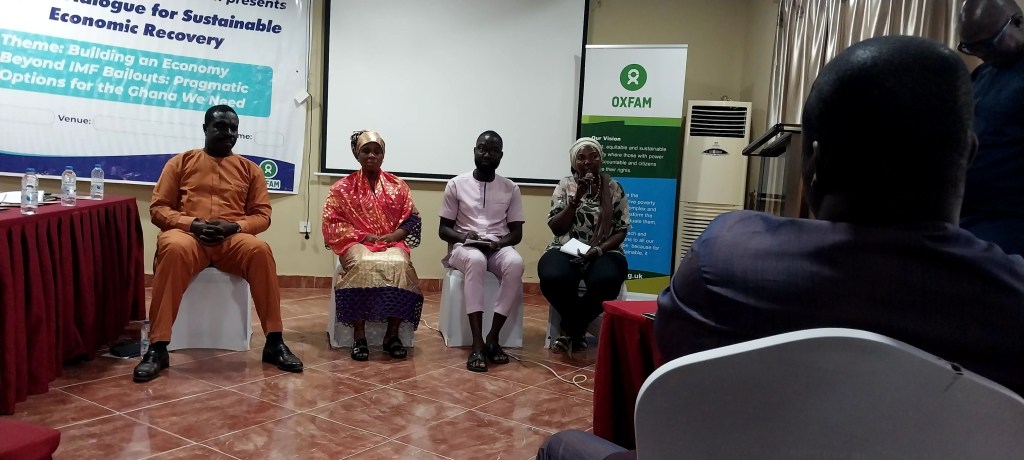
Panelist; representing women, girls and farmers on the “Ghana We Need” by the Economic Governance Platform and Oxfam in Tamale.

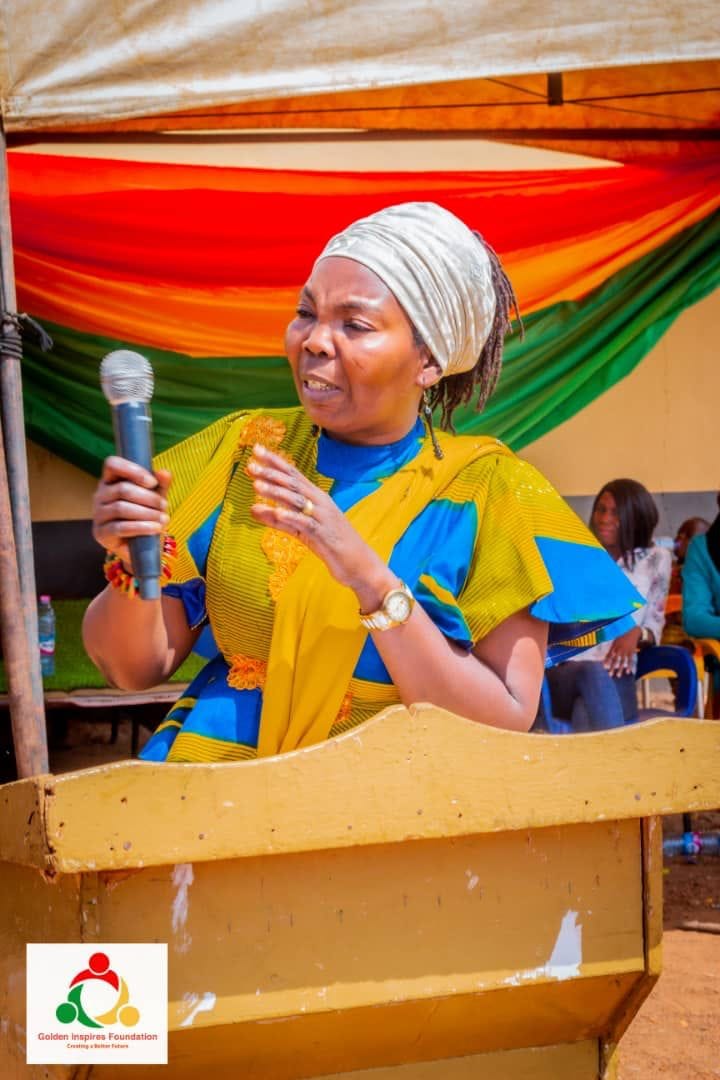
Key speaker on the topic: Securing Women’s Economic Independence and Resilience at the Launch of Golden Inspires Foundation GIF-Ghana in Yendi.

Panelist; representing women, girls and farmers on the “Ghana We Need” by the Economic Governance Platform and Oxfam in Tamale.

Press Statement: International Day of the Rural Woman-2023

ISSUED IN TAMALE BY HAJIA ALIMA SAGITO-SAEED EXECUTIVE DIRECTOR – SAVANNAH WOMAN INTEGRATED DEVELOPMENT AGENCY GHANA

15TH OCTOBER 2023

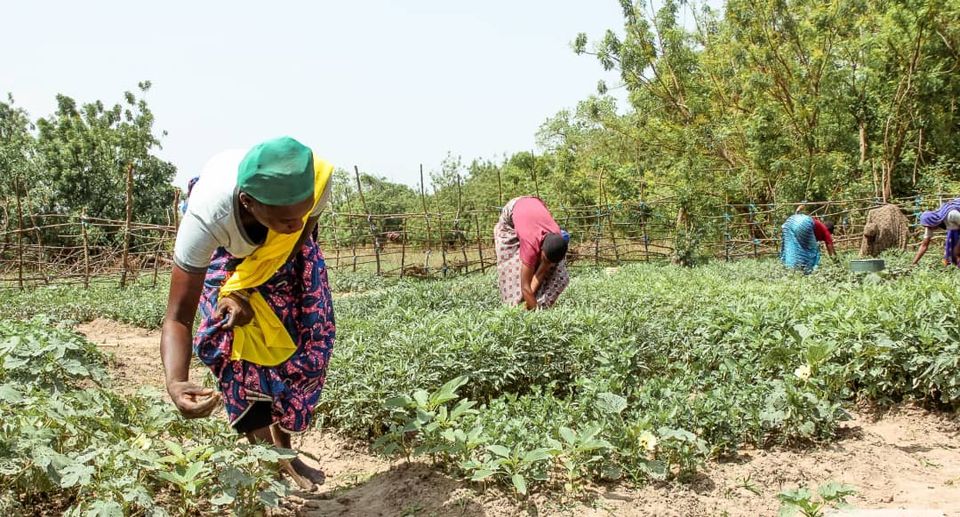
The theme for International Day of Rural Women is Rural Women Cultivating Good food for all. It highlights the essential role that rural women and girls play in the food systems globally. This is from production through to processing, distributing, marketing and consumptions. Women’s labour – paid and unpaid work feeds their families, communities and the world. Yet they have less power with men as a result they earn less income and experience higher food insecurity.

In the rural areas of Ghana, agriculture us a significant source of income and employment. Women are  key actors in the agricultural sector, where they constitute more than 50 per cent of the labour force and produce 70 per cent of the country’s food stock and promote nutrition for healthy families though from their subsistence farming limited by access to resources as such control over productive lands, credit,  agricultural inputs and information in the mist of climate change and climate adaptation strategies. This hinders their productivity and economic independence

Traditional gender roles and norms persist in rural Ghana, which continue to limit women’s decision-making power and autonomy of rural women. Their lack of decision making power caused by social norms and traditions have equally contributed to their less control over resources and hence may be subjected to increasing gender-based violence.

Rural women often engage in informal economic activities, such as petty trading and handicrafts. Efforts have been made to provide them with training and access to microcredit to enhance their economic empowerment, but challenges remain in terms of market access and capital investment.

It’s important to note that the situation of rural women can vary significantly depending on the region within Ghana. While there are challenges, there are also many resilient and resourceful rural women who are actively engaged in efforts to improve their own livelihoods and the well-being of their communities. Efforts by the government, NGOs, and other stakeholders continue to work towards improving the situation for rural women in Ghana. rural women ensure food security for their communities, build climate resilience and strengthen economics. Yet gender inequality, discriminatory laws and social norms combined fast changing technological environmental landscape continue to restrict their full potential, leaving them behind men. Placing majority of the rural women in a disadvantage points, we want to use this opportunity to ask for the following from Government and other stakeholders in the areas of the theme for this celebrations:

  1. Improving access to quality education for rural girls and women is essential. This can include building schools, providing scholarships, and promoting gender-sensitive curricula
  2. Economic empowerment: Implement programs that provide rural women with opportunities for income generation, including vocational training, microcredit, and access to markets. Support women’s entrepreneurship and access to agricultural resources.
  3. Agricultural support: Develop policies and programs that enhance women’s participation in agriculture and agribusiness. This can include training, access to land and technology, and market
  4. Social Protection programmes: Implement social safety nets such as cash transfer programs, food assistance, and pension schemes to support vulnerable rural women and their families.
  5. Invest in rural infrastructure, including roads, electricity, and water supply, which can improve living conditions and reduce the burden of domestic work on women.
  6. Strengthen legal frameworks and enforce property rights for rural women. This can include land ownership, inheritance rights, and protection against gender-based violence. Emphasis on the full implementation of the 2020 Land Act.
  7. Digital and information capacity building: Provide training and capacity-building programmes to enhance the skills and knowledge of rural women, enabling them to participate in the digital world, in decision-making processes and community development while improving their innovations. Their understanding of the technological environment will improve their access to information technology and empower them with knowledge to access wider markets.
  • Gender equality promotion: Implement policies and programs that promote gender equality in all spheres of life, including participation in local governance and leadership roles.
  • Community support: Encourage the formation of women’s self-help groups and community-based organizations, which can provide a network of support and empowerment for rural women.
  • Data collection, Monitoring and evaluation: Invest in research and data collection on the specific needs and challenges of rural women to inform evidence-based policy development. Establish robust monitoring and evaluation mechanisms to assess the impact of policies and programs on the wellbeing of rural women and make necessary adjustments.
  • Collaboration: Encourage collaboration among government agencies, NGOs, and other stakeholders to pool resources and expertise in addressing the challenges faced by rural women towards sustainable development.

We need to increase Advocacy to end Sexual Violence – Khadijah to Stakeholders

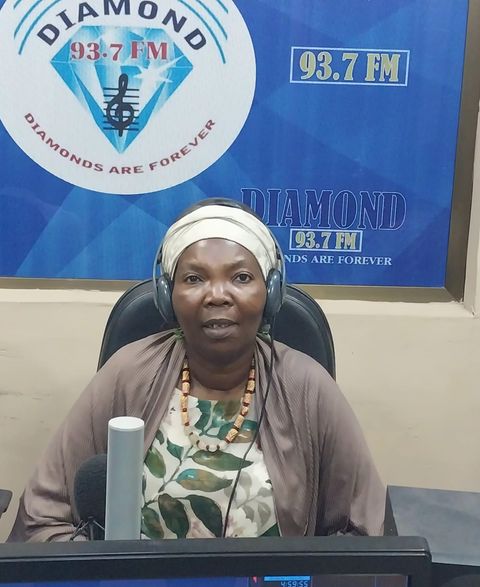
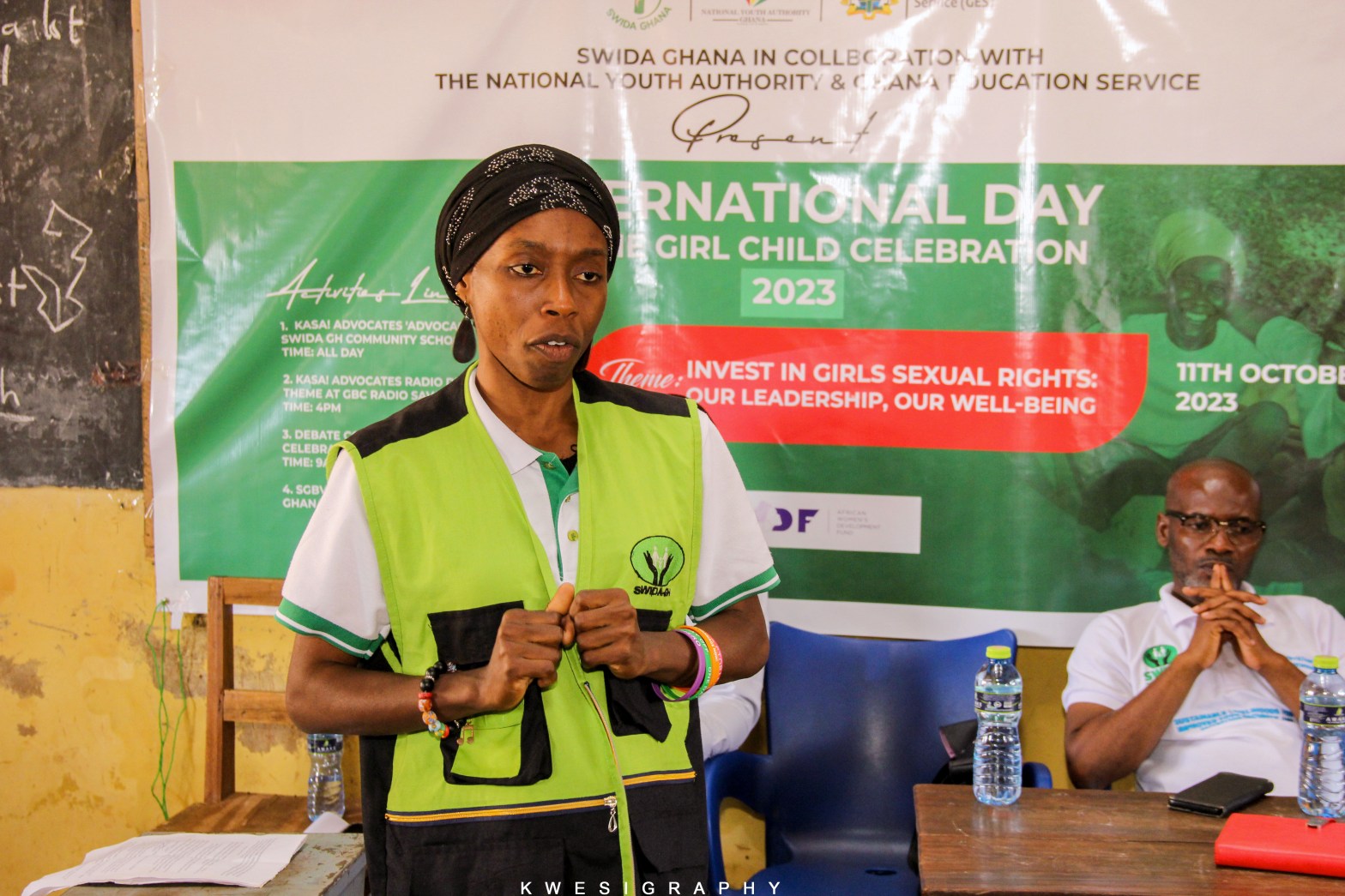
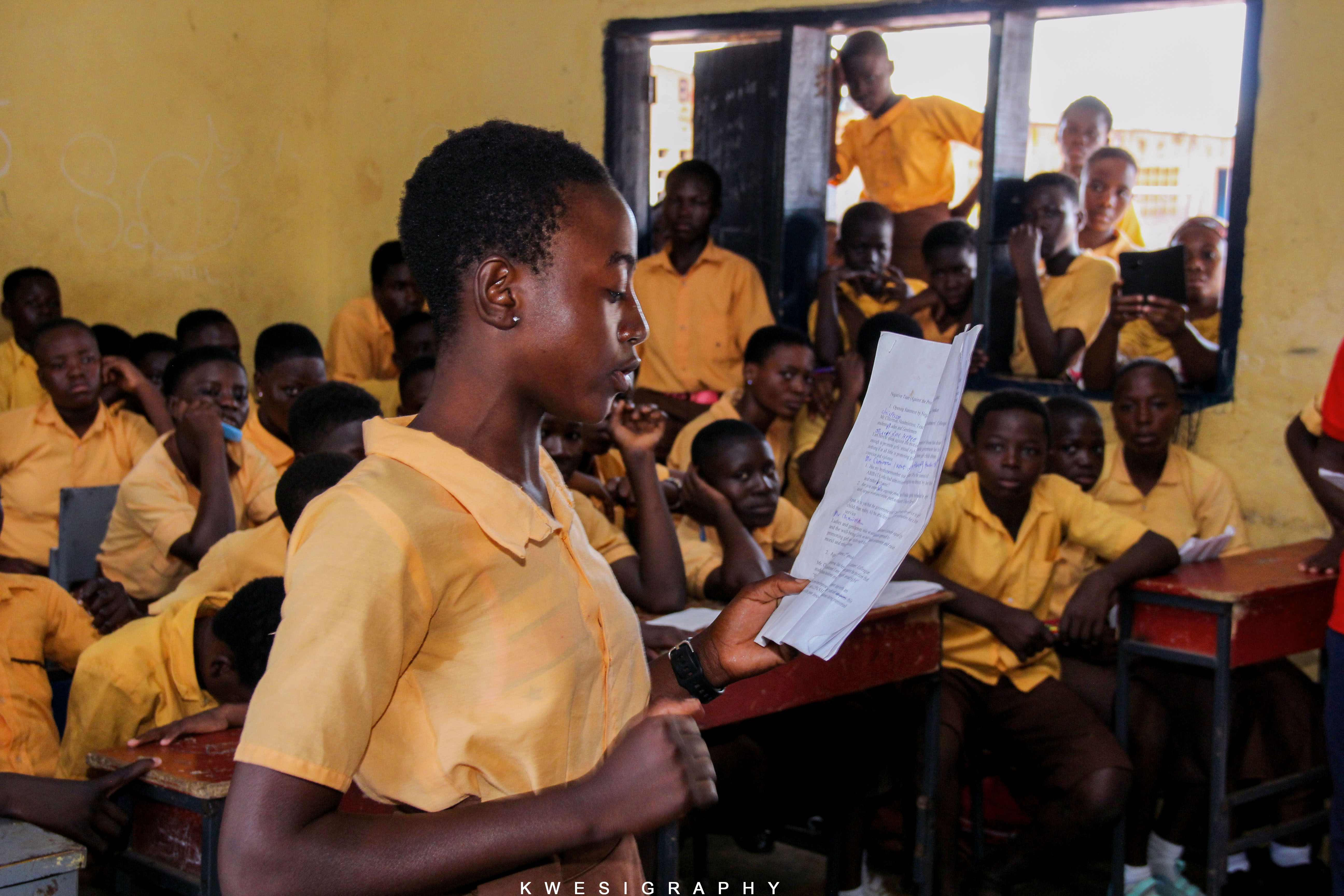
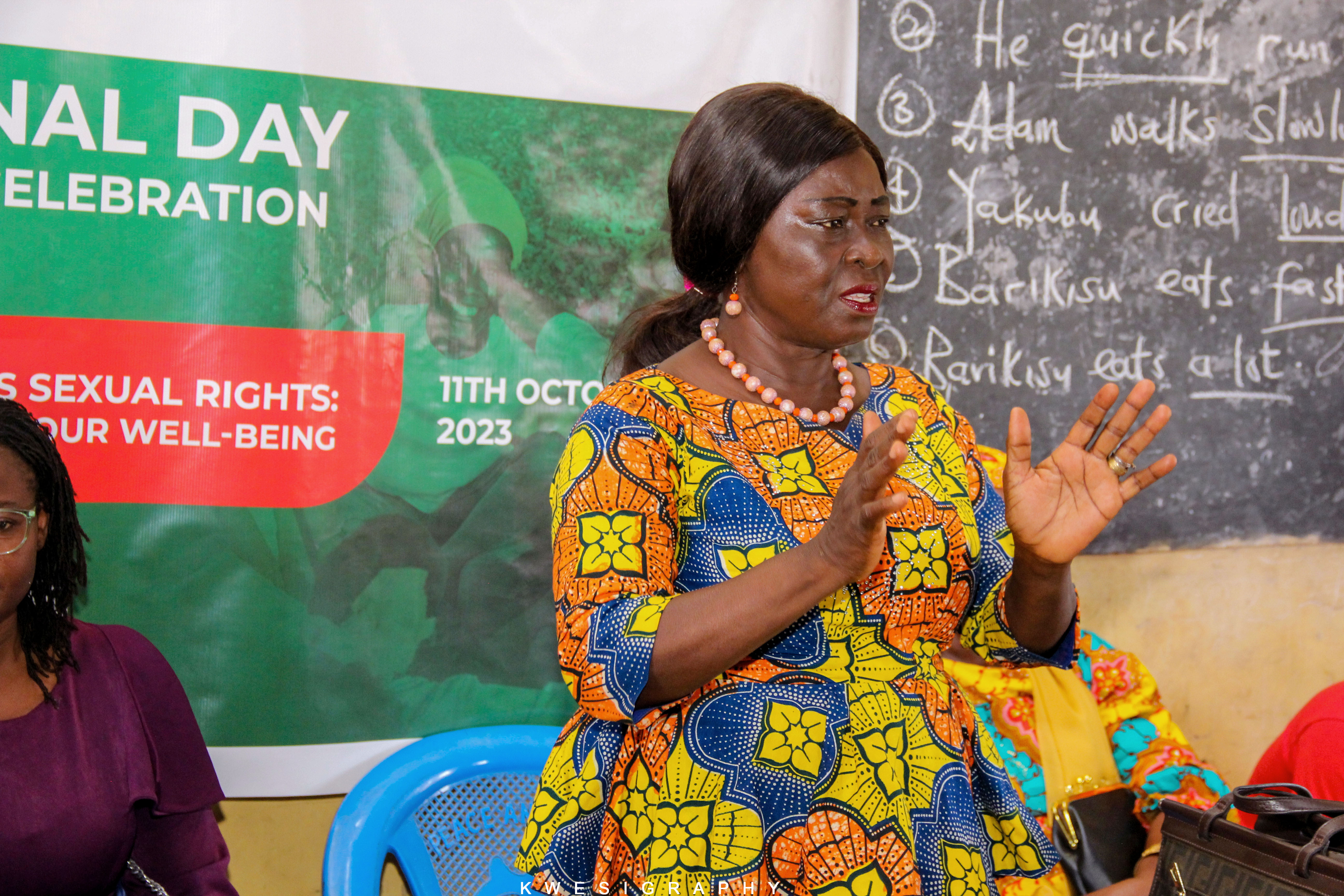
The Gender and Communications Manager for SWIDA-Gh, Miss Khadijah Abdul Samed has called on stakeholders in girl child empowerment and education, to work together with individuals in communities to end the menace of sexual violence against girls. Miss Khadijah made this call during a series of activities SWIDA-Gh implemented to celebrate this year’s International Day of the Girl Child. 11th October is set aside to celebrate the International Day of the Girl Child, with this year’s global theme being “Invest in Girls’ Rights: Our Leadership, Our Well-being”. The Savannah Women Integrated Development Agency (SWIDA-Gh), as a champion for women and girls’ rights embarked on series of activities to commemorate the day, including radio discussions involving girls as the panelists, as well as a debate in the Bulpiela A/G Junior High School. Groups of girls from the Bulpiela A/G JHS debated for and against the motion “The Government of Ghana has done enough to invest in girls’ sexual rights”. IMG_0648 The students who wrote for the motion said the government has provided free Senior High School education and so girls who did not have access, are now in school. On the other hand, the students who spoke against the motion indicated that the government has not done enough because it has imposed tax on female hygienic products such as sanitary pads, making it expensive and reducing the level of affordability, increasing the rate of infections and further bringing down punctuality in school among girls during menstruation. At the end of the event the students were awarded with exercise books and other learning materials to help in enhancing teaching and learning. Speaking after the debate, Miss Khadijah said the debate was meant to test the basic understanding of the girls on how difficult it is for them to access services which are meant to empower them and to send a message across to authorities about the challenges girls face, in accessing information on sexual rights. She also called on stakeholders to work together and raise advocacy towards girl child empowerment, to help the girl realize her dreams and achievement her potential, since girls are vulnerable and can do little to support themselves. IMG_0721 The Regional Education Director for Girls’ Guide and Chairperson for the event, Mrs. Linda Amoah encouraged the students to study hard to be able to realize their dreams, as she pushed the female students particularly, to pursue their dreams to find their dream jobs even if it is considered male dominated, because everyone, whether male or female, can do anything they put their minds to. IMG_0841 Climaxing the activities on the 2023 IDGC by SWIDA-Gh, radio discussions were conducted Tamale-based GBC Radio Savannah, involving SWIDA-Gh staff and some students who are “KASA Advocates” focusing on ending sexual violence against girls. Executive for SWIDA-Gh, Hajia Alima Sagito-Saeed speaking on the contribution of parents towards ending Sexual and Gender Based Violence said parents are not doing much when it comes to issues relating to sex and sex education for the girl child. She therefore encouraged parents to start giving their girl child sex education at homes before they end up being influenced with wrong information because they do not have knowledge about sex and its related issues.
SWIDA-Gh Trains Journalists on Gender-Sensitive Reporting

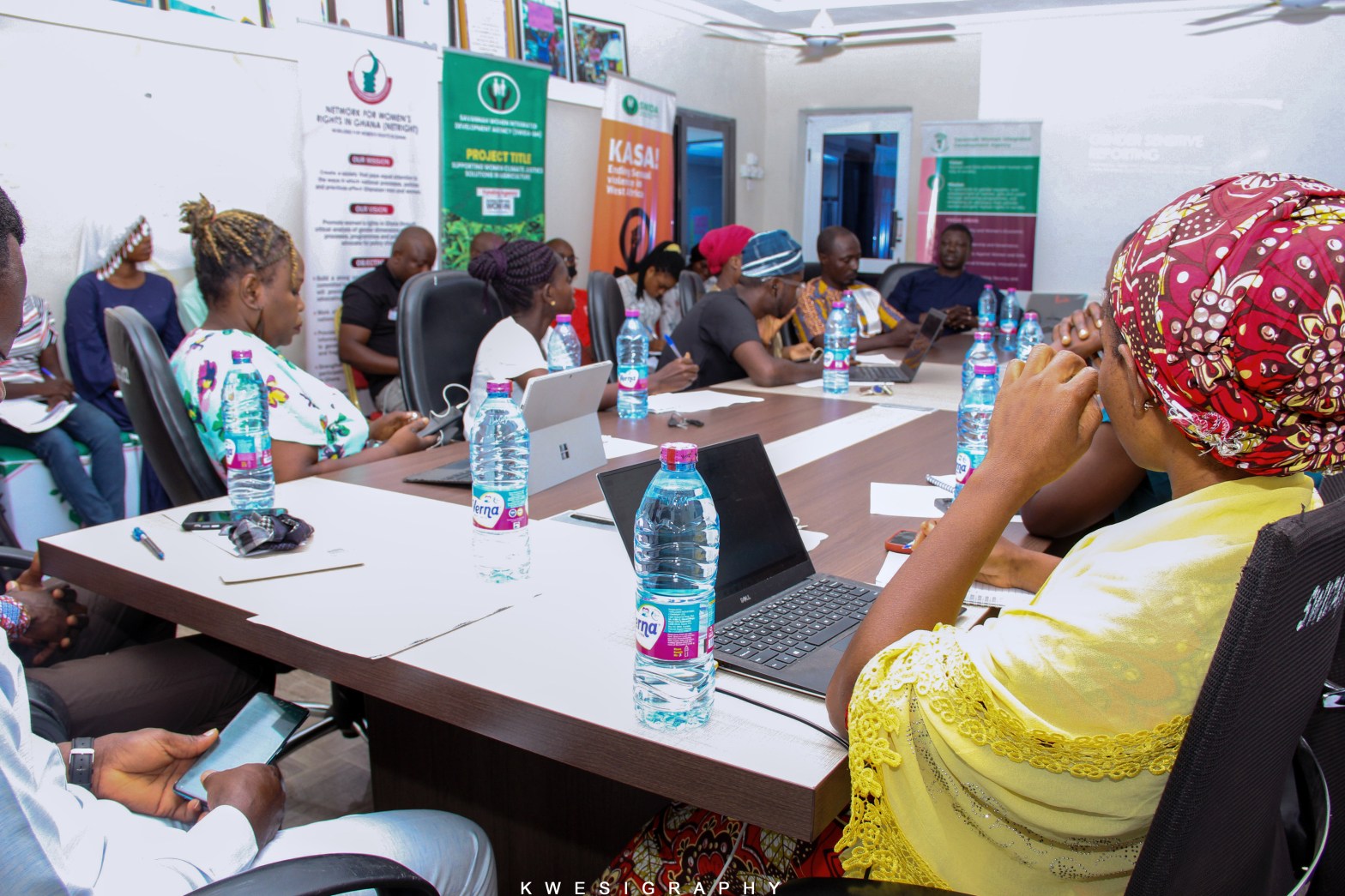
The Savannah Women Integrated Development Agency (SWIDA-Gh) has organized training for journalists in the northern region to support in capacity building on news reporting, taking into consideration, gender.

The training took place at the conference hall of SWIDA-Ghana and was focused on gender-sensitive reporting, linked to the ownership of land by women, as a way to ensuring food security in Ghana and the role of journalists in achieving this objective.

News reporters and editors across the northern region came together to learn and share experiences on what has been the bane of women’s growth, due to the newsroom’s placing less importance on the gender angles in its reporting and broadcasting, especially on the needs of the rural woman.

Main facilitator and Public Affairs Manager at the University for Development Studies (UDS), Abdul Hayi Moomen told journalists in a presentation, that the gender assigned roles and approaches in society are part of the reasons many women coil back and see themselves as not being capable, but sadly, some journalists have been part of this reality.

Mr. Moomen’s presentation indicated that media coverage not being made to reflect a “holistic and realistic view of all genders” is part of the media reporting approaches that contributes to hindering the growth or women especially.

Showing the way forward for what journalists must do to ensure their reportage covers all genders fairly Mr. Moomen said “gender-sensitive reporting should be considered a key principle of professional media production, similar to value of accuracy and balance. Gender must be considered at all levels of news production; from the editorial department where decisions are made about what stories to cover, to the field where stories are gathered”.

Executive Director for SWIDA-Gh, Hajia Alima Sagito-Saeed whose presentation was titled “The land Act – A progressive law on Gender Equality”, highlighted the gender and spousal provision in the Act and on progressive land ownership by women as a way of ensuring gender equality, as she shared a stack of the realities in many rural communities with women and land ownership for various livelihood purposes.

According to Hajia Alima in her presentation, “The gender and spousal provision refers to a legal provision that ensures equal rights and opportunities for both men and women in terms of land ownership and property rights”.

The main objectives of the gender and spousal provision include ensuring equal rights to land ownership, protecting women’s land rights, promoting economic empowerment and enhancing social and political participation.

Linking land ownership by women to food security, Hajia Alima said “ensuring equitable land rights for women is essential for enhancing food security and climate resilience, since women even with the current challenges of land ownership, produce much of the food Ghana consumes”.

Penalties

There are penalties as indicated by the Lands Commission of Ghana, for flouting the new land Act of 2020 (Act 1036). A land registrar is liable to 1 – 3 years imprisonment or a fine of 5,000 to 10,000 penalty units, for failure to register land in accordance with the Act’s provisions.

Hajia Alima ended her presentation by calling on journalists across the northern region and Ghana, to read the new land Act more, to better engage stakeholders and to educate the public about the need to give what is due women to them, not do them a favor.

Gender and Communications officer for SWIDA-Gh, Khadijah Abdul-Samed entreated journalists to look beyond sensationalism in reporting on rural women, as from her experience working in the rural communities, the only voice the rural woman may have, is the media, aside NGOs.

As some of the journalists shared the realities of reporting and broadcasting when it comes to women as some of them being those limiting their capacities and shying away from the media, it was agreed by all that adequate production time and preparation should be considered when engaging women, since men have had the opportunity for a long time and can respond anytime they are called upon on the media.

Ghana CSOs Platform Trains Members on Research and Budget Tracking for Education Financing

Members of the Civil Society Organizations platform on the SDGs in the northern sector have received training on effective research, aimed at finding the gaps in education in Ghana and what can be done to plug them through government’s financing.

The CSOs platform on SDGs is facilitating for its members to raise critical issues relating to education in the 2023 budget, which remain gaps as they affect quality, and propose solutions regarding government’s financing of the education sector.

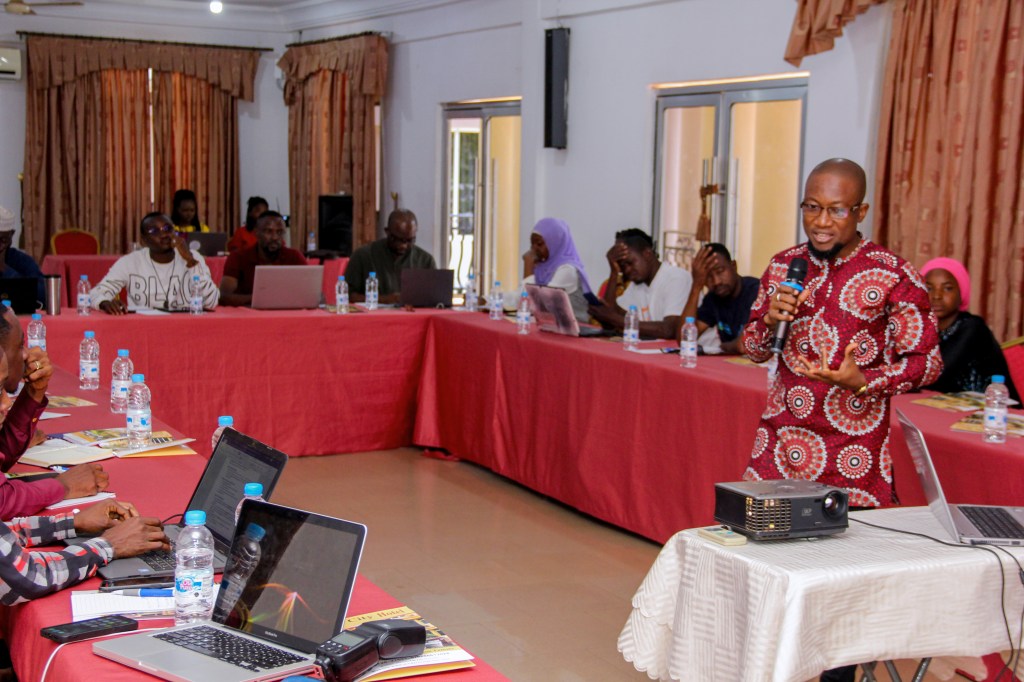
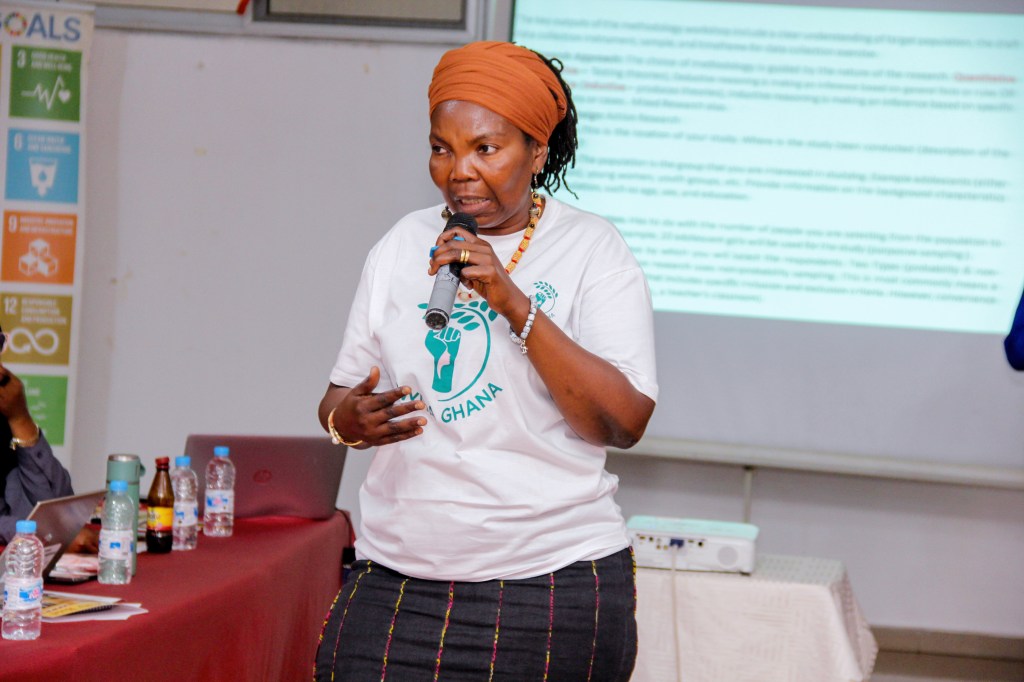
The two-day workshop at the Modern City Hotel in Tamale, raised the research capacities of participants on the steps involved in conducting an effective development research in public education in Ghana, as well as situating the findings in a way that encourages the government to invest in solutions proffered and recommendations therein.

The participants include members of the CSOs platform on SDGs in the northern sector, leaders of youth groups in schools and the social development space and a retired education director, to provide technical assistance on some of the issues to be raised from the communities.

The Workshop

The identification of a problem with a clear statement, statement of objectives, raising probing research questions, are but some of the areas participants were taken through at the workshop, to inform a solution-based research in the sector of public education financing.

Programme Manager for SEND-Ghana, Mohammed Mumuni who was the key facilitator for the workshop, encouraged participants, especially the CSOs, to continue to increase their capacity on research, to enable them effectively track the government budgets meant for development, including for the public education sector.

This, Mr. Mohammed said, “will make your work targeted at development, because the duty bearers will take you serious when you present to them your findings and make recommendations”.

In a group session by participants to find challenges in the education sector and propose financial solutions, the lack of/ or inadequate infrastructure including furniture came atop the issues raised, as it was agreed to be the fundamental challenge affecting the delivery of quality public education in deprived communities in Ghana.

Other issues such as inadequate teaching and learning materials, inadequate qualified teachers, poorly managed funds at the public schools level, were also found to be negatively affecting the quality of public education.

Future actions

The various groups were made to propose inputs into the budget of 2024, resulting from the challenges they found in communities regarding education, for which the release of funds is needed to provide solution.

For her part, the National Coordinator for the Ghana CSOs Platform on SDGs, Levlyn Konadu Asiedu, called on members and leaders of the youth groups to focus more on developing partnerships to ensure learning and sharing of experiences on education financing in the deprived communities, to increase strength in the issues, to give reason why duty bearers must listen and provide avenues for solution.

The Northern Regional convener for the Ghana CSOs Platform on SDGs and Executive Director for SWIDA-Gh, Hajia Alima Sagito-Saeed said the youth group leaders were selected carefully, to bring in variety and perspective in the issue to be raised, since young people, when given the opportunity, have different lenses from which they see challenges and the solutions required.

She said “the CSOs present, you have a task to lead in the process of providing solutions to some of the challenges in the public education sector, since you now have increased your capacities in research to present more pressing findings to engage duty bearers”.

Some of the actions agreed on after the workshop included the sustenance of the connections of the various group members, to ensure the discussions continue, for learning and sharing, as well as follow up works on the budget input process, until some results are achieved.

CSOs Call for more Funding Release for Ghana’s Education Sector

Ghana’s Civil Society Platform on the Sustainable Development Goals (CSOs on SDGs Platform) has been calling for members and stakeholders especially in the education sector to invest more time and efforts into advocacy to get government to raise funding allocation for the education sector.

Budgeting and funding allocation to the education sector has dipped over the years, due to what some stakeholders say is the lack of intention by successive governments to invest in the sector for it to yield the needed results.

This, they say, is the bane of basic schools in the deprived communities.

Speaking at an education financing and learning and experience sharing session at Modern City hotel in Tamale, the National Coordinator for the Ghana CSOs Platform on SDGs, Levlyn Konadu Asiedu said,  CSOs need to increase efforts, move more into deprived communities across northern Ghana, to assess the availability or otherwise of the various educational inputs and how they help in improving the quality of teaching and learning.

The learning and experience sharing session is aimed at “monitoring actions carried out by CSOs and youth organisations on government’s national and international commitments on education financing”, organized by the Ghana CSOs on SDGs, through its northern regional platform.

According to Levlyn, the issue of education financing is important because the success of the entire education system in the country depends on how much money has been allocated for which of the financing components and how much has been spent, and in which specific area.

She therefore charged CSOs on the platform and other stakeholders to “take a key issue of education financing, for example the capitation grant, go to a basic school in your community and ask the headmaster how much has been received and how much has been spent on what”.

“This way, you will know what is happening in that level and this can better inform your advocacy and work on education”, the National Coordinator added.

Main facilitator of the session who joined the session via zoom, Senior Program Officer at the Ghana Education Watch, Divine Kpe painted an image of the education financing for Ghana over the past 7 years.

The Incheon declaration enjoins lower-middle income countries such as Ghana, to commit 4 to 6 percent of the nation’s GDP, and/or at least 15 to 20 percent of the Annual Budget Funding Amount to the education sector, with a focus on basic education.

As revealed by Divine’s presentation, apart from 2012 when Ghana exceeded the target of 4 to 6 percent GDP and inched up to 8%, “We have not been able to hit the 6 percent target again since then” he said.

He indicated that the woefully inadequate infrastructure in the basic school system in most deprived communities, is as a result of the capital expenditure for education, being the lowest at 17 percent, as against Goods and Services; 21 percent, and compensation being the highest at 62 percent.

The issue of budget tracking including in education financing, is an area SEND-Ghana is passionate about, as the host of the Northern Regional Secretariat of the Ghana CSOs Platform on SDGs.

Commenting on the need for CSOs to increase work in deprived communities to ensure quality is improved at the basic school level, Program Manager at SEND-Ghana, Mumini Mohammed, said monitoring and evaluation must be intensified in the schools the CSOs work, to keep the schools doing their duties of facilitation including consistently holding the School Performance Appraisal Meeting (SPAM), which offers stakeholders the platform to share ideas and discuss issues concerning teaching and learning, as well as to set standards and review plans.

Executive Director for the Savannah Women Integrated Development Agency (SWIDA-Gh) who doubles as the Northern Regional convener for the Ghana CSOs Platform on SDGs, Hajia Alima Sagito-Saeed, called on members to be extra vigilant on the finances that are actually released to the basic schools to spend, as against the funds “budgeted and allocated”.

According to Hajia Alima, “the funds allocated in many cases do not end up getting released in full to the schools to implement the budgets they requested. So if you focus so much on the funds allocated, you may get the efforts schools are making wrong”.

“Nonetheless, as you intensify efforts for advocacy for more money to be released, ask the relevant questions at the school level, to know what the funds released have been used for”, she added.

In a breakout session for group work, various participants including members on the CSOs Platform on SDGs and leaders of youth groups shared their experiences on the financing of education as is the reality they have seen at the basic school level in some deprived communities, as they suggested solutions to the challenges therein.