SWIDA-Gh Trains Journalists on Gender-Sensitive Reporting

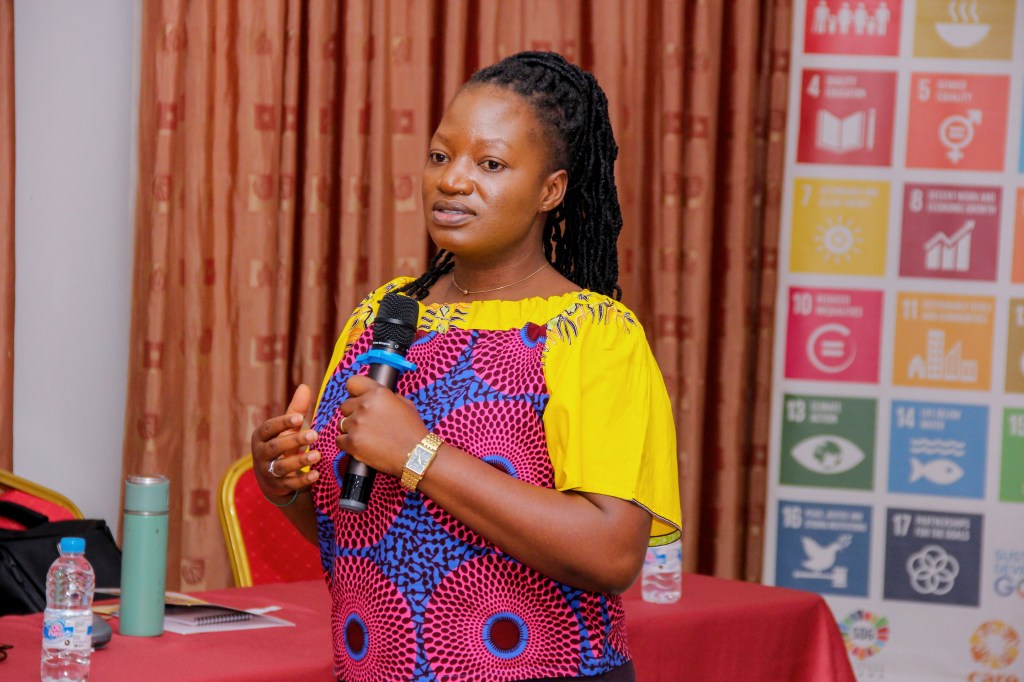
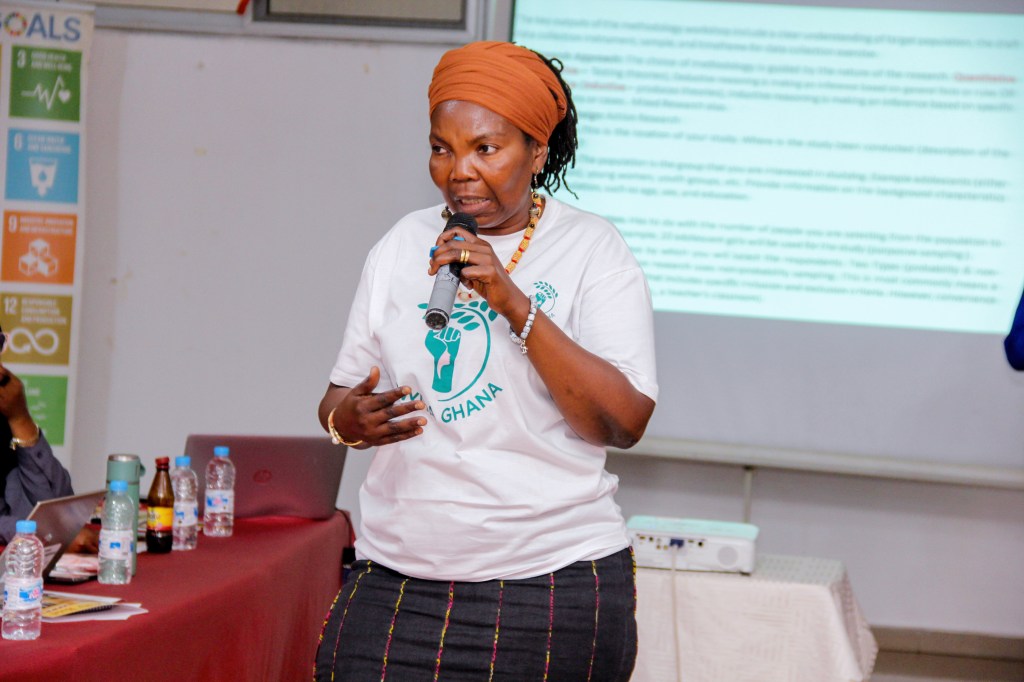
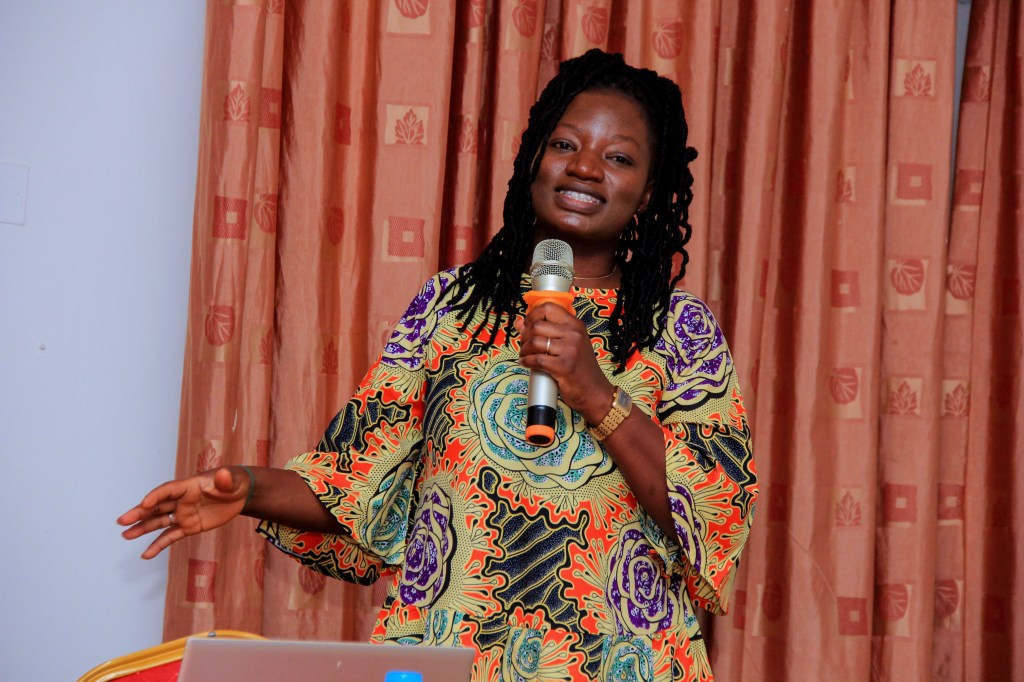
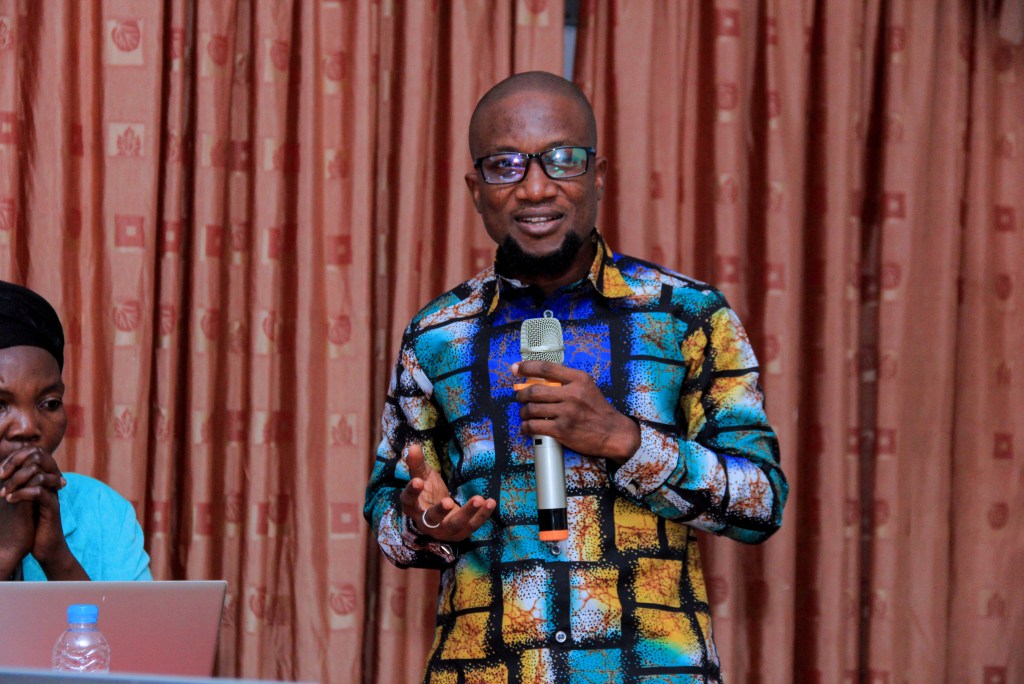
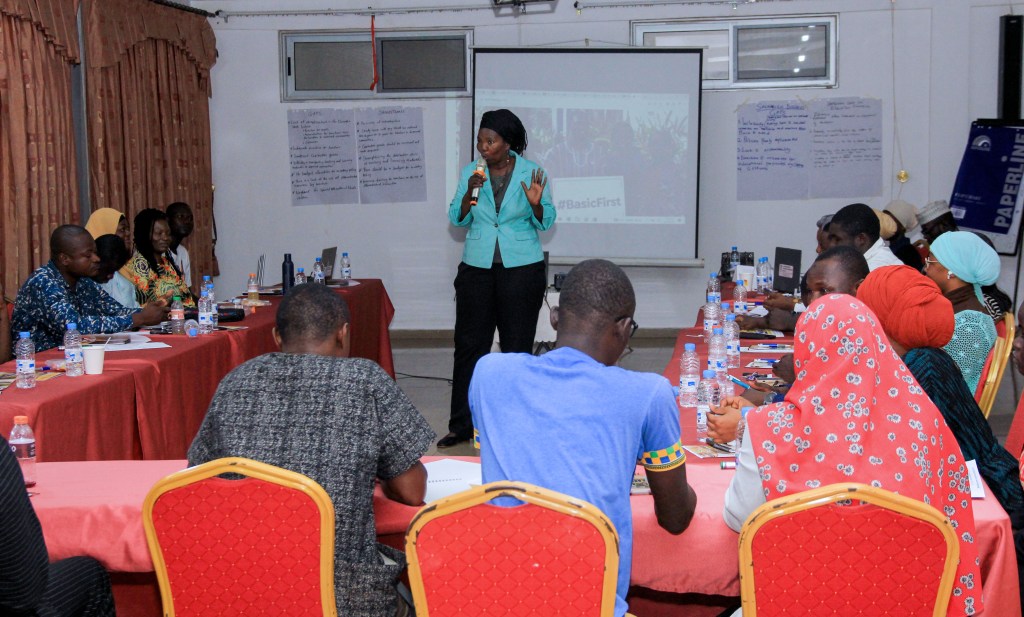
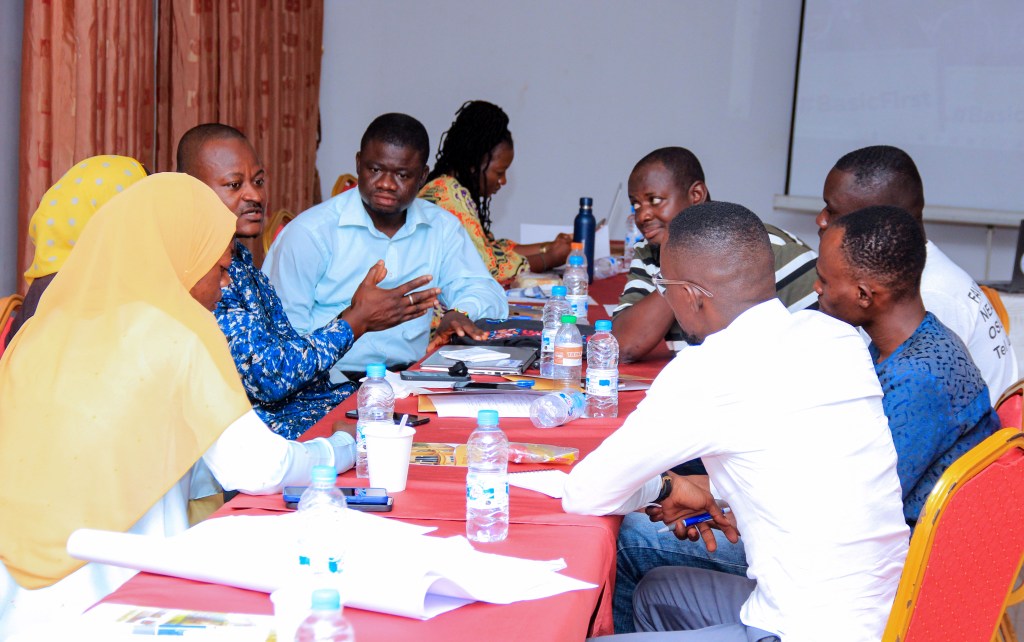
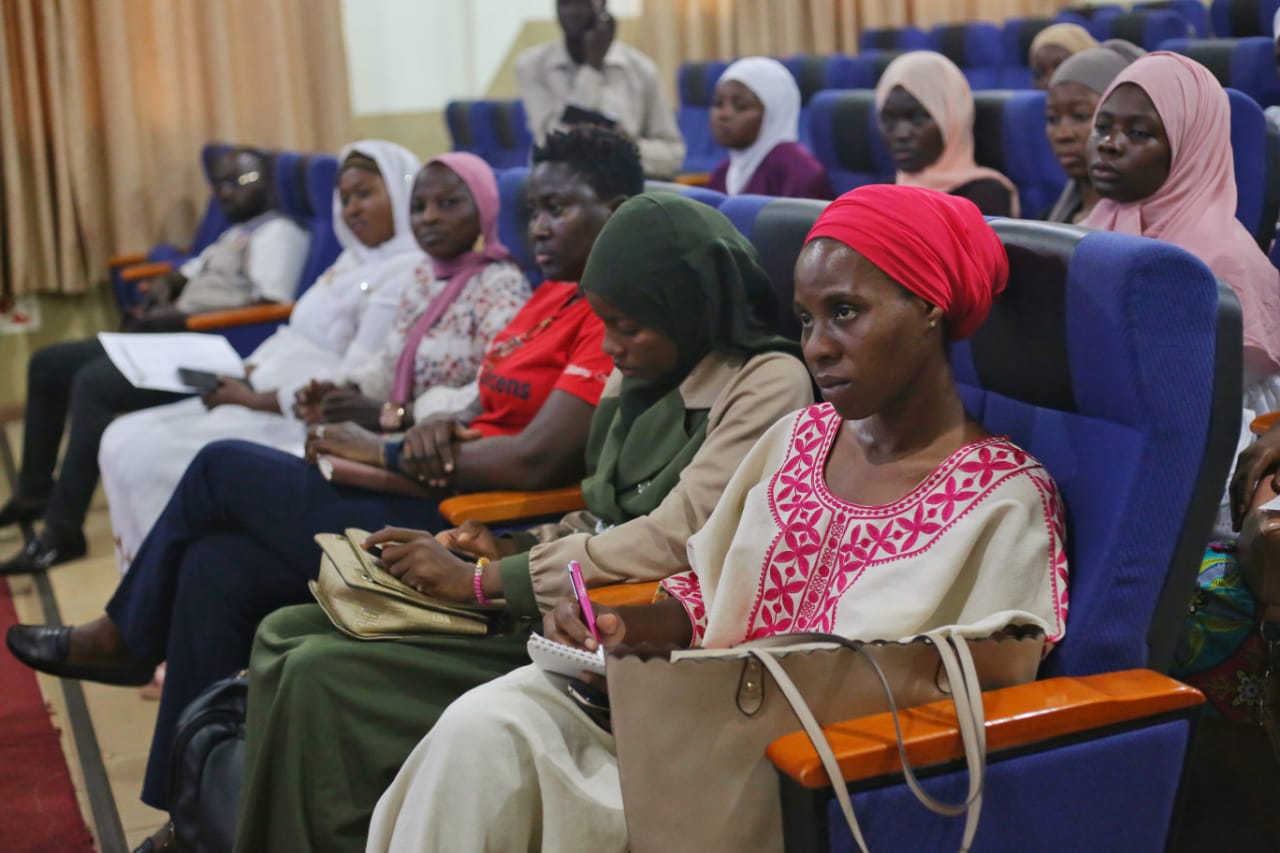
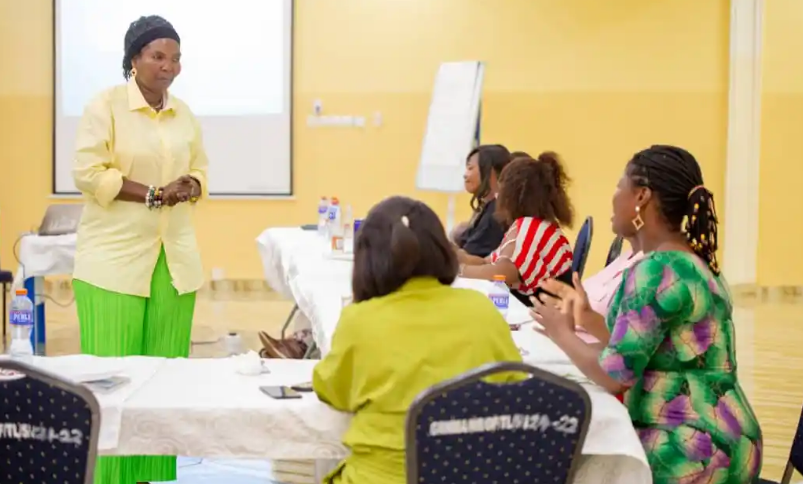
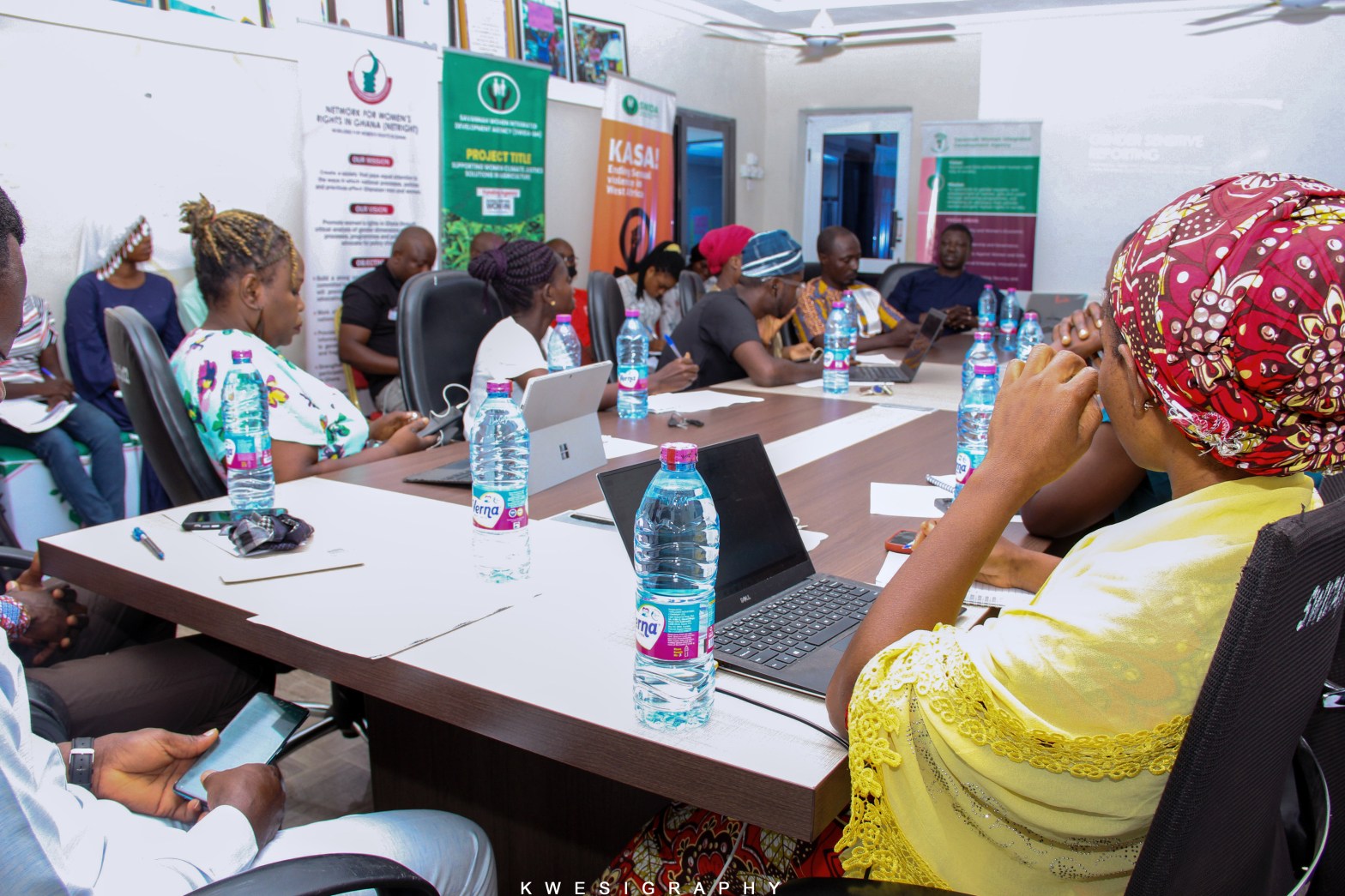
The Savannah Women Integrated Development Agency (SWIDA-Gh) has organized training for journalists in the northern region to support in capacity building on news reporting, taking into consideration, gender.

The training took place at the conference hall of SWIDA-Ghana and was focused on gender-sensitive reporting, linked to the ownership of land by women, as a way to ensuring food security in Ghana and the role of journalists in achieving this objective.

News reporters and editors across the northern region came together to learn and share experiences on what has been the bane of women’s growth, due to the newsroom’s placing less importance on the gender angles in its reporting and broadcasting, especially on the needs of the rural woman.

Main facilitator and Public Affairs Manager at the University for Development Studies (UDS), Abdul Hayi Moomen told journalists in a presentation, that the gender assigned roles and approaches in society are part of the reasons many women coil back and see themselves as not being capable, but sadly, some journalists have been part of this reality.

Mr. Moomen’s presentation indicated that media coverage not being made to reflect a “holistic and realistic view of all genders” is part of the media reporting approaches that contributes to hindering the growth or women especially.

Showing the way forward for what journalists must do to ensure their reportage covers all genders fairly Mr. Moomen said “gender-sensitive reporting should be considered a key principle of professional media production, similar to value of accuracy and balance. Gender must be considered at all levels of news production; from the editorial department where decisions are made about what stories to cover, to the field where stories are gathered”.

Executive Director for SWIDA-Gh, Hajia Alima Sagito-Saeed whose presentation was titled “The land Act – A progressive law on Gender Equality”, highlighted the gender and spousal provision in the Act and on progressive land ownership by women as a way of ensuring gender equality, as she shared a stack of the realities in many rural communities with women and land ownership for various livelihood purposes.

According to Hajia Alima in her presentation, “The gender and spousal provision refers to a legal provision that ensures equal rights and opportunities for both men and women in terms of land ownership and property rights”.

The main objectives of the gender and spousal provision include ensuring equal rights to land ownership, protecting women’s land rights, promoting economic empowerment and enhancing social and political participation.

Linking land ownership by women to food security, Hajia Alima said “ensuring equitable land rights for women is essential for enhancing food security and climate resilience, since women even with the current challenges of land ownership, produce much of the food Ghana consumes”.

Penalties

There are penalties as indicated by the Lands Commission of Ghana, for flouting the new land Act of 2020 (Act 1036). A land registrar is liable to 1 – 3 years imprisonment or a fine of 5,000 to 10,000 penalty units, for failure to register land in accordance with the Act’s provisions.

Hajia Alima ended her presentation by calling on journalists across the northern region and Ghana, to read the new land Act more, to better engage stakeholders and to educate the public about the need to give what is due women to them, not do them a favor.
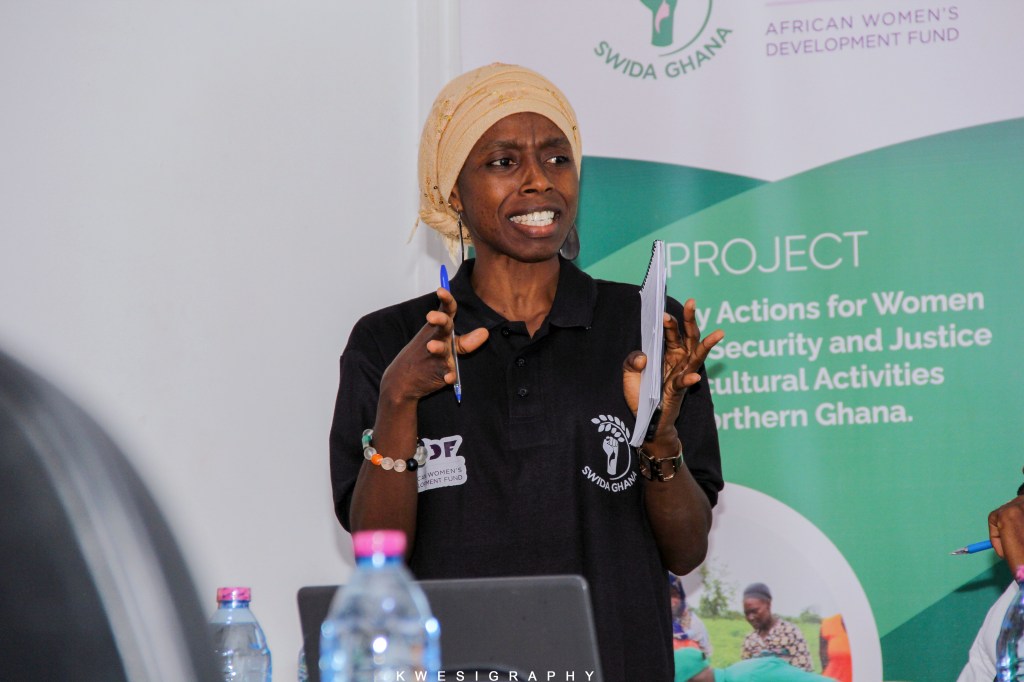
Gender and Communications officer for SWIDA-Gh, Khadijah Abdul-Samed entreated journalists to look beyond sensationalism in reporting on rural women, as from her experience working in the rural communities, the only voice the rural woman may have, is the media, aside NGOs.

As some of the journalists shared the realities of reporting and broadcasting when it comes to women as some of them being those limiting their capacities and shying away from the media, it was agreed by all that adequate production time and preparation should be considered when engaging women, since men have had the opportunity for a long time and can respond anytime they are called upon on the media.

Ghana CSOs Platform Trains Members on Research and Budget Tracking for Education Financing

Members of the Civil Society Organizations platform on the SDGs in the northern sector have received training on effective research, aimed at finding the gaps in education in Ghana and what can be done to plug them through government’s financing.

The CSOs platform on SDGs is facilitating for its members to raise critical issues relating to education in the 2023 budget, which remain gaps as they affect quality, and propose solutions regarding government’s financing of the education sector.

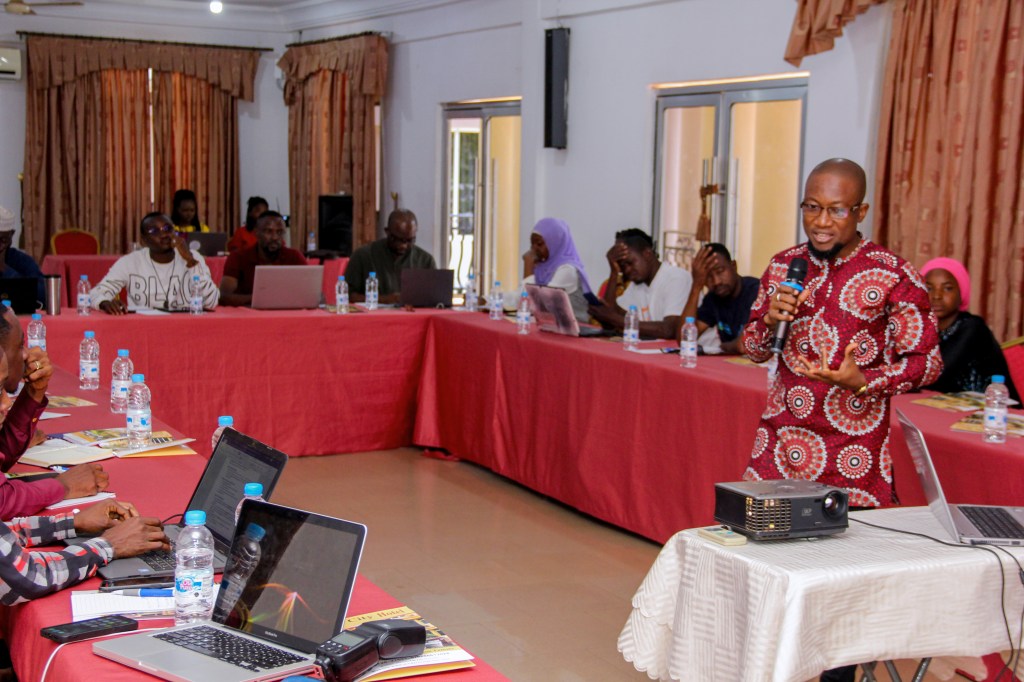
The two-day workshop at the Modern City Hotel in Tamale, raised the research capacities of participants on the steps involved in conducting an effective development research in public education in Ghana, as well as situating the findings in a way that encourages the government to invest in solutions proffered and recommendations therein.

The participants include members of the CSOs platform on SDGs in the northern sector, leaders of youth groups in schools and the social development space and a retired education director, to provide technical assistance on some of the issues to be raised from the communities.

The Workshop

The identification of a problem with a clear statement, statement of objectives, raising probing research questions, are but some of the areas participants were taken through at the workshop, to inform a solution-based research in the sector of public education financing.

Programme Manager for SEND-Ghana, Mohammed Mumuni who was the key facilitator for the workshop, encouraged participants, especially the CSOs, to continue to increase their capacity on research, to enable them effectively track the government budgets meant for development, including for the public education sector.

This, Mr. Mohammed said, “will make your work targeted at development, because the duty bearers will take you serious when you present to them your findings and make recommendations”.

In a group session by participants to find challenges in the education sector and propose financial solutions, the lack of/ or inadequate infrastructure including furniture came atop the issues raised, as it was agreed to be the fundamental challenge affecting the delivery of quality public education in deprived communities in Ghana.

Other issues such as inadequate teaching and learning materials, inadequate qualified teachers, poorly managed funds at the public schools level, were also found to be negatively affecting the quality of public education.

Future actions

The various groups were made to propose inputs into the budget of 2024, resulting from the challenges they found in communities regarding education, for which the release of funds is needed to provide solution.

For her part, the National Coordinator for the Ghana CSOs Platform on SDGs, Levlyn Konadu Asiedu, called on members and leaders of the youth groups to focus more on developing partnerships to ensure learning and sharing of experiences on education financing in the deprived communities, to increase strength in the issues, to give reason why duty bearers must listen and provide avenues for solution.

The Northern Regional convener for the Ghana CSOs Platform on SDGs and Executive Director for SWIDA-Gh, Hajia Alima Sagito-Saeed said the youth group leaders were selected carefully, to bring in variety and perspective in the issue to be raised, since young people, when given the opportunity, have different lenses from which they see challenges and the solutions required.

She said “the CSOs present, you have a task to lead in the process of providing solutions to some of the challenges in the public education sector, since you now have increased your capacities in research to present more pressing findings to engage duty bearers”.

Some of the actions agreed on after the workshop included the sustenance of the connections of the various group members, to ensure the discussions continue, for learning and sharing, as well as follow up works on the budget input process, until some results are achieved.

CSOs Call for more Funding Release for Ghana’s Education Sector

Ghana’s Civil Society Platform on the Sustainable Development Goals (CSOs on SDGs Platform) has been calling for members and stakeholders especially in the education sector to invest more time and efforts into advocacy to get government to raise funding allocation for the education sector.

Budgeting and funding allocation to the education sector has dipped over the years, due to what some stakeholders say is the lack of intention by successive governments to invest in the sector for it to yield the needed results.

This, they say, is the bane of basic schools in the deprived communities.

Speaking at an education financing and learning and experience sharing session at Modern City hotel in Tamale, the National Coordinator for the Ghana CSOs Platform on SDGs, Levlyn Konadu Asiedu said,  CSOs need to increase efforts, move more into deprived communities across northern Ghana, to assess the availability or otherwise of the various educational inputs and how they help in improving the quality of teaching and learning.

The learning and experience sharing session is aimed at “monitoring actions carried out by CSOs and youth organisations on government’s national and international commitments on education financing”, organized by the Ghana CSOs on SDGs, through its northern regional platform.

According to Levlyn, the issue of education financing is important because the success of the entire education system in the country depends on how much money has been allocated for which of the financing components and how much has been spent, and in which specific area.

She therefore charged CSOs on the platform and other stakeholders to “take a key issue of education financing, for example the capitation grant, go to a basic school in your community and ask the headmaster how much has been received and how much has been spent on what”.

“This way, you will know what is happening in that level and this can better inform your advocacy and work on education”, the National Coordinator added.

Main facilitator of the session who joined the session via zoom, Senior Program Officer at the Ghana Education Watch, Divine Kpe painted an image of the education financing for Ghana over the past 7 years.

The Incheon declaration enjoins lower-middle income countries such as Ghana, to commit 4 to 6 percent of the nation’s GDP, and/or at least 15 to 20 percent of the Annual Budget Funding Amount to the education sector, with a focus on basic education.

As revealed by Divine’s presentation, apart from 2012 when Ghana exceeded the target of 4 to 6 percent GDP and inched up to 8%, “We have not been able to hit the 6 percent target again since then” he said.

He indicated that the woefully inadequate infrastructure in the basic school system in most deprived communities, is as a result of the capital expenditure for education, being the lowest at 17 percent, as against Goods and Services; 21 percent, and compensation being the highest at 62 percent.

The issue of budget tracking including in education financing, is an area SEND-Ghana is passionate about, as the host of the Northern Regional Secretariat of the Ghana CSOs Platform on SDGs.

Commenting on the need for CSOs to increase work in deprived communities to ensure quality is improved at the basic school level, Program Manager at SEND-Ghana, Mumini Mohammed, said monitoring and evaluation must be intensified in the schools the CSOs work, to keep the schools doing their duties of facilitation including consistently holding the School Performance Appraisal Meeting (SPAM), which offers stakeholders the platform to share ideas and discuss issues concerning teaching and learning, as well as to set standards and review plans.

Executive Director for the Savannah Women Integrated Development Agency (SWIDA-Gh) who doubles as the Northern Regional convener for the Ghana CSOs Platform on SDGs, Hajia Alima Sagito-Saeed, called on members to be extra vigilant on the finances that are actually released to the basic schools to spend, as against the funds “budgeted and allocated”.

According to Hajia Alima, “the funds allocated in many cases do not end up getting released in full to the schools to implement the budgets they requested. So if you focus so much on the funds allocated, you may get the efforts schools are making wrong”.

“Nonetheless, as you intensify efforts for advocacy for more money to be released, ask the relevant questions at the school level, to know what the funds released have been used for”, she added.

In a breakout session for group work, various participants including members on the CSOs Platform on SDGs and leaders of youth groups shared their experiences on the financing of education as is the reality they have seen at the basic school level in some deprived communities, as they suggested solutions to the challenges therein.

Northern Woman Change Makers awards ceremony held in Tamale

By Solomon Gumah

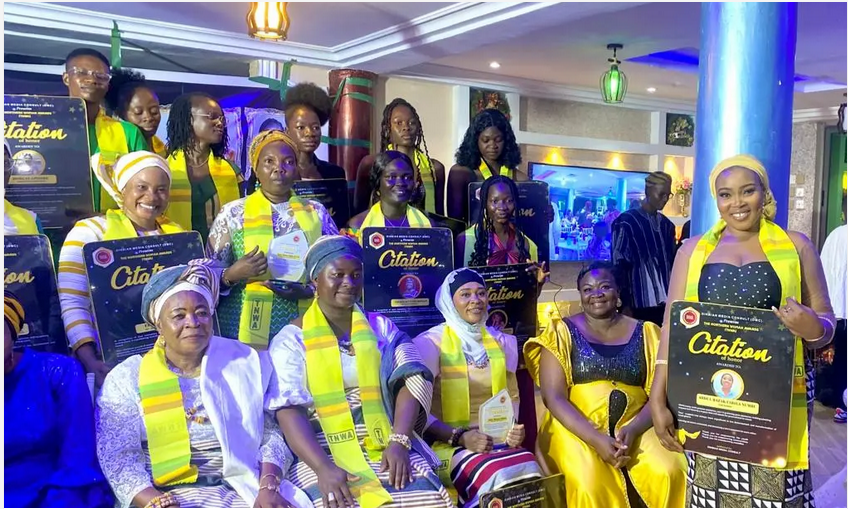
Tamale, Sept 18, GNA – Ms Amida Iddrisu, a 26-year-old physically challenged person, together with 18 outstanding women making positive change in Northern Ghana, have been awarded.

Ms Iddrisu received the award at the maiden edition of the Northern Woman Change Makers Awards, held in Tamale.

Other awardees were Pognaba Kubura Abdul-Kadire Seidu, Queen Mother of Soo Traditional Area in the North East Region; Kansawuriche Veronica, Queen Mother of Bole Traditional Area in the Savannah Region; Hajia Alima Sagito-Saeed, Executive Director of Savannah Women Integrated Development Agency (SWIDA – GH); Hajia Lamnatu Adam, Executive Director of Songtaba, Hajia Mariam Iddrisu, Executive Director of Girls to Women Foundation, Princess Felicia Zaato, Chief Executive Officer of Princess Skin and Health Centre, Fadila Fuseini, Chief Executive Officer of Tiyumba Hope Foundation, Dorcas Apoore, Executive Director of ASIGE-GHANA.

Others are Rhoda Kadoa Wedam, Chief Executive Officer of Song – Ba Empowerment Centre; Maria Johana Yuopor, Chief Executive Officer of Mara Foods and Beauty Smiles Project and Veronica Ajuilie Atinya, Chief Executive Officer of VAPCO Ventures.

The rest are Abdul-Razak Farida, Executive Director of CDA-Ghana; Martha Anabila, Executive Director of Martha Inspires Foundation; Alimatu Sadia Nuhu, Executive Director of My Hereafter Ghana and Sarah Naah Thomas, an educationist and child rights advocate.

The awards ceremony was organised by Dinbian Media Consult, a media organisation advocating and empowering women, children and other vulnerable groups in the Northern, North East, Upper West, Upper East, and the Savannah Regions.

Madam Dinbian Joyce Ali Najouk, Chief Executive Officer of Dinbian Media Consult, speaking during the awards, said women in Northern Ghana, over the years, had not been given the needed recognition despite their enormous efforts towards the socio-economic development in the regions.

She said the award was to reverse the narrative by ensuring that women were accordingly recognised, encouraged and supported to complement their male counterparts in fighting poverty, deprivation, and violence in Northern Ghana.

Mrs Vera Jawol Magan, Director of YEFL-Ghana, a youth advocacy organisation, delivering a keynote address, urged women in these regions to rise above their immediate challenges and embrace the numerous opportunities available for them.

She emphasised that the northern woman was more than capable to champion any development initiative in their communities, adding they required the spirit of courage and resilience to influence positive change.

Dr Naazia Ibrahim, Senior Lecturer at the University for Development Studies commended Dinbian Media Consult for instituting the awards programme and said it would help unravel the hidden prowess of women in the northern sector.

The awardees expressed gratitude for the recognition and pledged to work harder to bring about the needed change and development in the country.

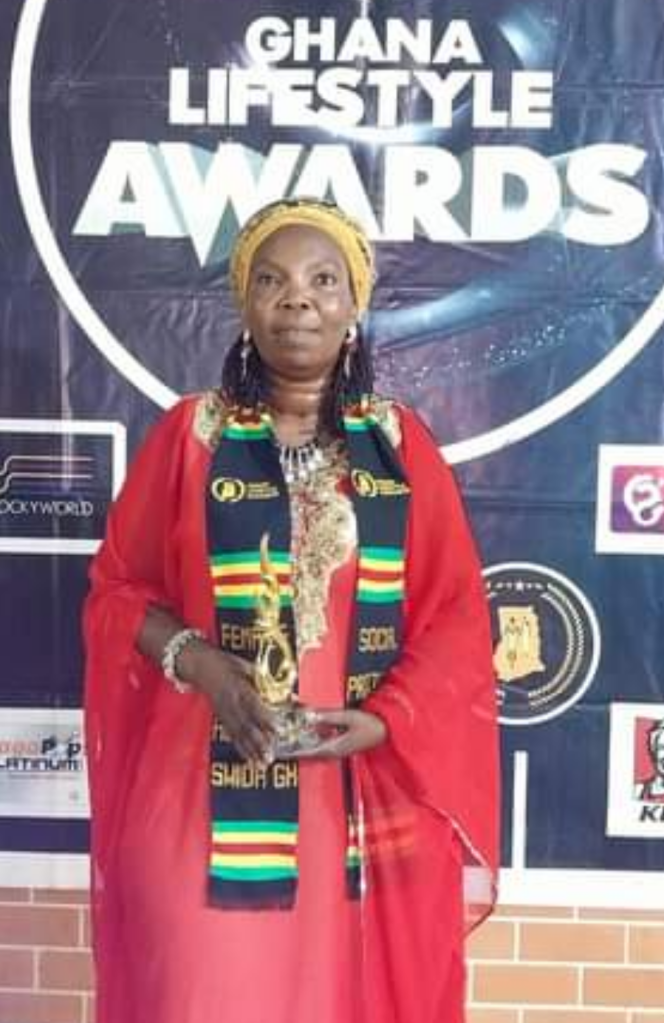
SWIDA-Gh Honoured at Ghana Lifestyle Awards

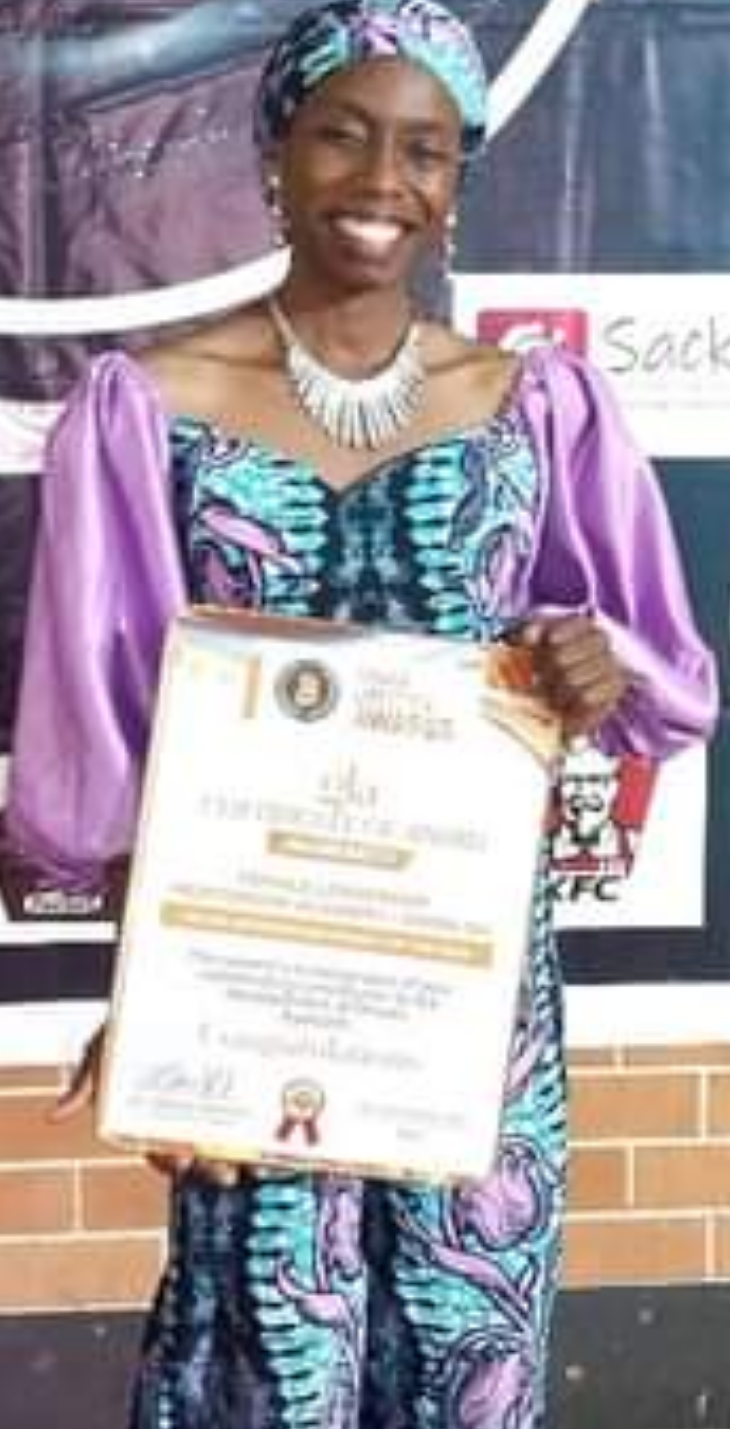
SWIDA-Ghana received awards at the just ended Ghana Lifestyle Awards, 2023.

The Ghana Lifestyle Awards is an awards ceremony to recognise the selfless contributions of some selected individuals and organisations to the socio-economic development of the country has been held in Tamale.

This year’s ceremony was held to celebrate individuals and organisations, who have shown exceptional commitment and excellence in their respective fields, fostering positive change and inspiring others in the process.

Savannah Women Integrated Development Agency’s (SWIDA-GH) Female Leadership Mentorship Academy was adjudged Social Intervention Project of the Year.

Other awardees on the night were Modern Security Consult as Security Company of the Year, Events Sponsor of the Year went to Twellium Industrial Ghana and Youth Personality of the Year, Mumuni Sulemana, Northern Regional Director of the National Youth Authority.

The event was organised by Hyperlink Group comprising Hyperlink Institute of Professional Studies, AfriTech Hub, Hyperlink Entertainment, Africa Research Centre for Information Security, and Change Foundation Ghana, in partnership with Twellium Industrial Company Ghana Limited among others.

Chief Executive Officer of the Hyperlink Group, Dr. Anorld Mashud Abukari speaking during the ceremony, said “this is the fifth edition of the Ghana Lifestyle Awards dedicated to celebrating efficiency and the resilience of the drivers of our socio-economic lifestyles.”

He explained that prior to the awards, prospective awardees were scrutinized with extensive background research on their lifestyles and contributions to issues of development.

He said, “some of the awardees were not voted for but nominated based on merit and excellence.”

Speaking as a special guest at the event, Executive Director of SWIDA-Gh, Hajia Alima Sagito-Saeed urged awardees not to relent on their efforts at contributing to the overall development of the country.

All the awardees received plaques and citations.

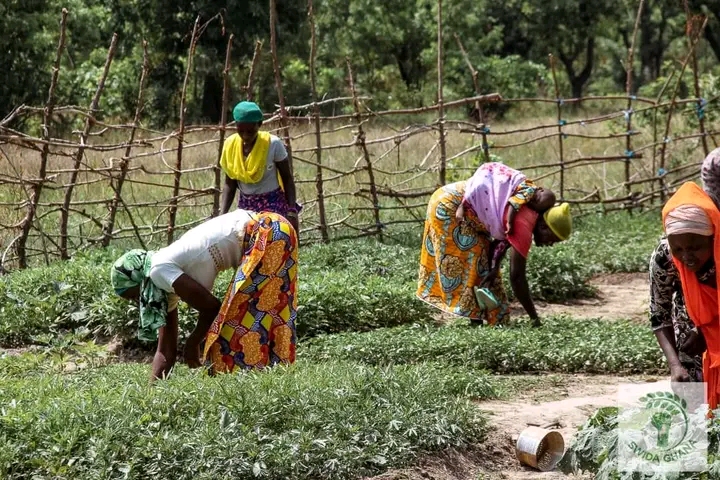
Empowering women in agriculture critical to minimising SGBV — SWIDA-GH

Hajia Alima Sagito-Saeed, Executive Director of Savannah Women Integrated Development Agency (SWIDA-GH), an NGO, has called on government to support women in agriculture to reduce Sexual and Gender-based Violence (SGBV) in the country. 

She said most of the SGBV cases resulted from women’s over-reliance on their male counterparts for their needs. 

She said, “If women are properly supported to take up agriculture as a viable business opportunity, they will be economically secured to help minimise cases of SGBV in our communities.” 

Hajia Sagito-Saeed made the call when she addressed stakeholders and young women entrepreneurs at a forum in Tamale on how to access information and opportunities from government agencies to sustain their businesses. 

The forum brought together government institutions such as the Ghana Enterprises Agency, Tamale Metropolitan Assembly, Northern Regional office of Microfinance and Small Loans Centre (MASLOC) and the Women in Agriculture Development Directorate of the Ministry of Food and Agriculture (MOFA). 

It formed part of the collaboration between SWIDA-GH and the African Woman Development Fund project dubbed: “Advocacy Action for Women Economic Security and Justice in Northern Region”. 

Hajia Sagito-Saeed said the project was intended to ensure that women in the region were economically strong, secure and to be able to overcome any incidence of violence against them.

Madam Salatu Abubakar, Northern Regional Officer in-charge of Women in Agriculture Development, told participants to take advantage of available opportunities in the agricultural sector to advance their aspirations of becoming agents of transformation in their communities.  

She said food processing, nutrition, livestock production, food security and post-harvest losses management as well as marketing of agricultural produce were viable areas that could guarantee women economic empowerment. 

Mr Sayibu Mohammed Mutawakil, Northern Regional Credit Manager of MASLOC said there were flexible credit facilities for women in agriculture at MASLOC, adding that it was important for them to put themselves into groups to enable them have access to the facilities to expand and augment their businesses. 

Miss Suhad Chalpang Osman, a student of University for Development Studies commended partners for the initiative and said it had exposed participants to diverse opportunities in the agricultural sector. 

Over 900 young women receive mentorship training in Northern Region

A total of 915 young girls and women have received mentorship training in the Northern Region to help maximize their leadership prospects.

This was made known at the third cohort graduation ceremony for mentees of the Female Leadership Mentorship Academy, held in Tamale.

The Academy is a flagship leadership initiative instituted by the Savannah Women Integrated Development Agency (SWIDA-GH), an NGO, advocating for women empowerment with support from Plan International Ghana and Global Affairs Canada under its Women Voice and Leadership Project.

Miss Khadija Abdul-Samed, Women Voice and Leadership Project Lead at SWIDA-GH, who announced this during the event, said the project became necessary because many young women in the region needed some form of guidance and direction to advance their dreams.

She said the first edition of the academy in 2021 was run in collaboration with the University for Development Studies’ Tamale Women Commission’s Office and the Girl Child International, where 100 mentees graduated after three months of intensive mentorship.

She said in the 2022 edition, 300 young women were mentored where 200 successfully graduated, and in 2023, 200 were mentored and 115 graduated.

Ms Abdul-Samed said attaining the Sustainable Development Goal five, which is geared towards achieving gender equality and empowering all women and girls, required strategic coaching and mentorship platforms, hence the initiative.

She urged women not to relent in their efforts in seeking avenues that enhanced their growth and development.

Hajia Alima Sagito-Saeed, Executive Director of SWIDA-GH, said the initiative was intended to enhance the leadership capacity of girls to enable them to participate in key decision-making processes in the country.

She said mentorship was one of the surest ways to ensuring that women and other vulnerable groups were properly equipped to rise against any form of discrimination, injustice, and abuse.

Professor Adiza Sadik, Dean of International Programmes and Institutional Linkages at the Tamale Technical University, said strategic female mentorship had ripple effect on both global and national development, adding women must brace themselves for mentorship.

Professor Sadik emphasised need for women to amplify their voices on issues of discrimination, abuse and injustice and said their voices were catalyst for change in society.

Mr Eric Ayaaba, Northern Programmes Influencing and Impact Areas (NPIIA) Manager at Plan International Ghana, who was represented at the ceremony, expressed satisfaction at the impact of the project and pledged the organisation’s support towards sustaining the programme.

Miss Yakubu Memunatu Wumbei, who made a statement on behalf of the 2023 cohort mentees, commended SWIDA-GH and partners for the exposure and empowerment to achieving their goals and aspirations.

The graduands received certificates of participation while some mentors at the academy also received citations for their contributions to the project.

More than two million vulnerable groups to benefit from SIGRA project

More than two million vulnerable groups from the Northern and Volta Regions are to benefit from a gender-responsive adaptation project on climate change.

The project dubbed: “Strengthening Investments in Gender Responsive Adaptation”, (SIGRA) is being implemented in three Metropolitan, Municipal and District Assemblies (MMDAs) in the Northern Region and two Assemblies in the Volta Region.

It focuses on soil conservation and restoration, irrigation, forestry and land management, rainfall patterns, and promotion of relevant climate change technologies, among others.

It is a five-year project, funded by Global Affairs Canada and implemented by Cowater International and Network for Women’s Rights Ghana (NETRIGHT). 

Ms Cynthia Sunu, Senior Programmes Officer at NETRIGHT, speaking at an information briefing session on the project with stakeholders in Tamale, said about 219,000 females and 214,000 males in the Northern Region, and 900,000 females and 800,000 males in the Volta Region would directly benefit from the project. 

She said: “Apart from the direct beneficiaries, some 1.2 million females and 1.1 million males in the Northern Region will also indirectly benefit from the project.” 

The meeting, organised by NETRIGHT and Cowater International in collaboration with Savannah Women Integrated Development Agency (SWIDA – GH), was attended by women advocacy groups, youth groups and persons living with disabilities. 

They discussed climate change challenges in the Northern Region. 

Ms Sunu said the project sought to intervene and improve the resilience of Ghanaian citizens, particularly women, girls, and other vulnerable groups by increasing investments in Inclusive and gender-responsive climate adaptation initiatives. 

She said it would also help to improve the planning and execution of climate adaptation projects by the MMDAs as well as enhance the voices and influence of vulnerable groups in the areas of government expenditure priorities in the regions. 

Madam Elham Mumuni, Technical Specialist on Gender and CSOs for Cowater in Ghana, said climate change presented a complex challenge that required vulnerable groups to join forces in demanding immediate intervention. 

Ms Khadija Abdul-Samed Communication and Gender Desk Officer at SWIDA – GH, encouraged women groups not to shy away from issues of climate change, adding its impact could worsen their vulnerabilities. 

Miss Abdul-Rashid Salma, Communication Manager at Urban Agricultural Network urged womenups to eschew various superstitious concepts on climate change and endeavour to work towards safeguarding the environment. 

Tamale Technical University exhibits made-in-Ghana products

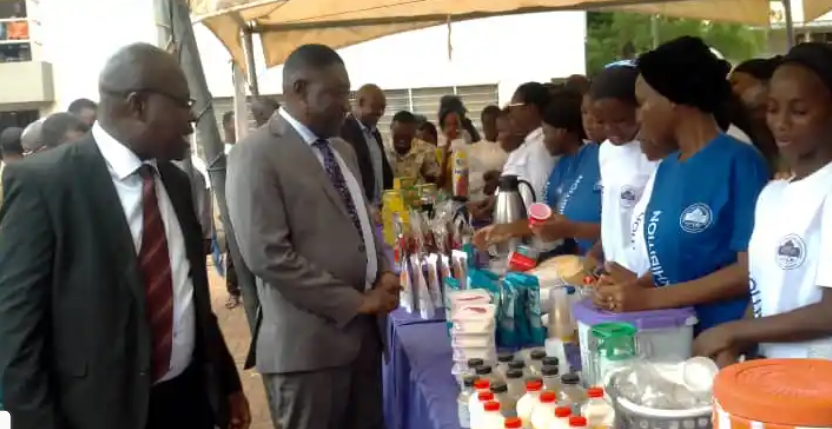
The Tamale Technical University (TaTU) has organised its 15th annual exhibition on its campus to promote made-in-Ghana products.

The event, held by the Department of Hospitality and Tourism Management of the University, was on the theme: “Nourishing the Future: Sustainable Gastronomy and Tourism”.

It was to promote decent work opportunities for young people to enable them to plan and start their own businesses and showcase the local products made by the students.

Professor Abass Braimah, the Vice-chancellor, advised the students to use the skills acquired to contribute to the country’s economic growth.

He said students should be inspired to acquire skills and be empowered to create jobs for themselves and others.

Professor Abdul-Aziz Ibn Musah, the Dean of Faculty of Applied Sciences and Technology, encouraged students to use their potential to promote tourism while creating more jobs and opportunities for local communities.

The Department of Hospitality and Tourism Management had designed an environmental impact project to demonstrate the students’ commitment to a better future in line with the climate innovation center initiative.

This aims at supporting and promoting innovative businesses to address climate change challenges.

Mrs Hajia Alima Sagito Saeed, the Executive Director of Savannah Women Integrated Development Agency (SWIDA- Ghana), who chaired the event, advised the students to use good customer service to meet customers’ expectations.

Prof Alex Dodoo, the Director General of the Ghana Standards Authority, urged the students to improve upon their products to meet international standards.

Source: GNA

Women Voices Needed in Conflict Resolution – Hajia Alima

Stakeholders involved in peace building have been entreated to include women voices in conflict resolution, as part of measures towards sustaining peace in the country.

Executive Director for the Savannah Women Integrated Development Agency (SWIDA-Ghana), Hajia Alima Sagito-Saeed who made the call said the involvement of women in conflict resolution is critical in actually finding solutions to conflicts.

Hajia Alima was speaking during a two-day workshop on conflict and gender-sensitive reporting held in Tamale.

The workshop, organized by the International Visitor Leadership Programme (IVLP), was part of efforts aimed at empowering women journalists and media practitioners in Northern Ghana on their roles in peace building, prevention of conflict and violent extremism.

The workshop was supported by the US Department of State’s Bureau of Educational and Cultural Affairs, with the Meridian International Center as an implementing partner.

According to Mrs. Saeed, female journalists should use their skills to contribute to peace and stability in the country, as well as use the potentials they have, to play transformative roles and act as bridge builders to foster connections between communities to promote intercultural understanding.

Miss Diana Ngong who is Aluminus project lead for the IVLP, said women, particularly journalists, are required to play crucial roles in informing the public and providing feminine perspectives to issues relating to gender, peace and security.