
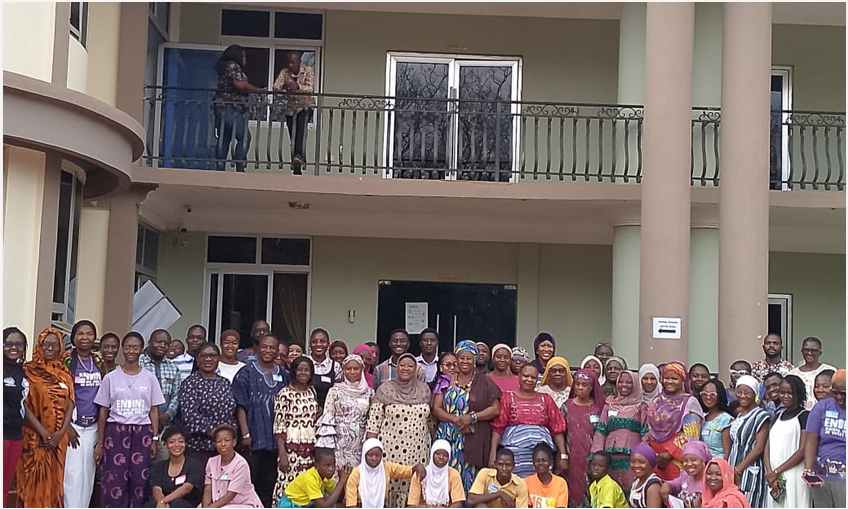
https://gna.org.gh/2025/03/awdf-partners-convene-in-tamale-to-strategise-on-ending-sexual-violence/
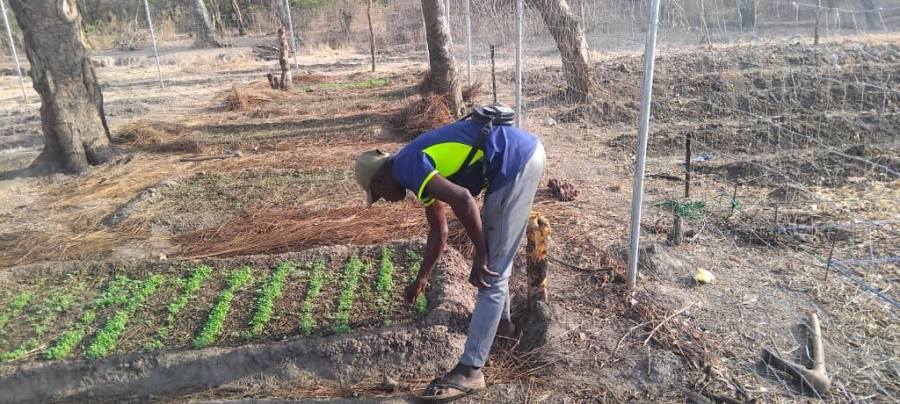
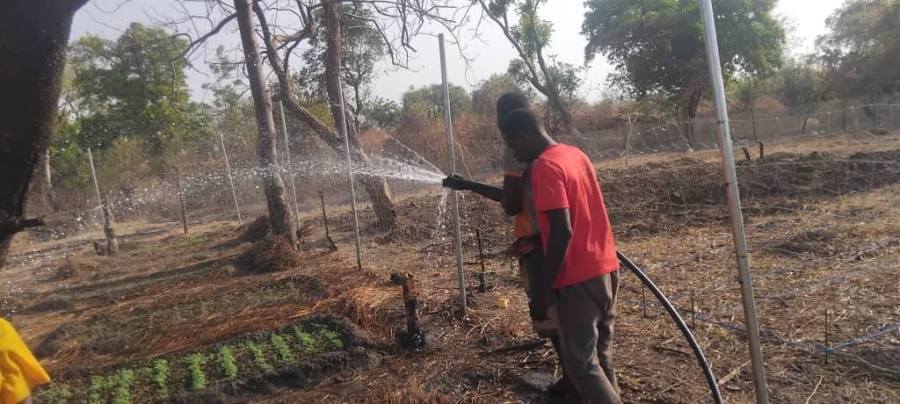
Pictures: SWIDA-Ghana Empowering Women, Nourishing Communities!
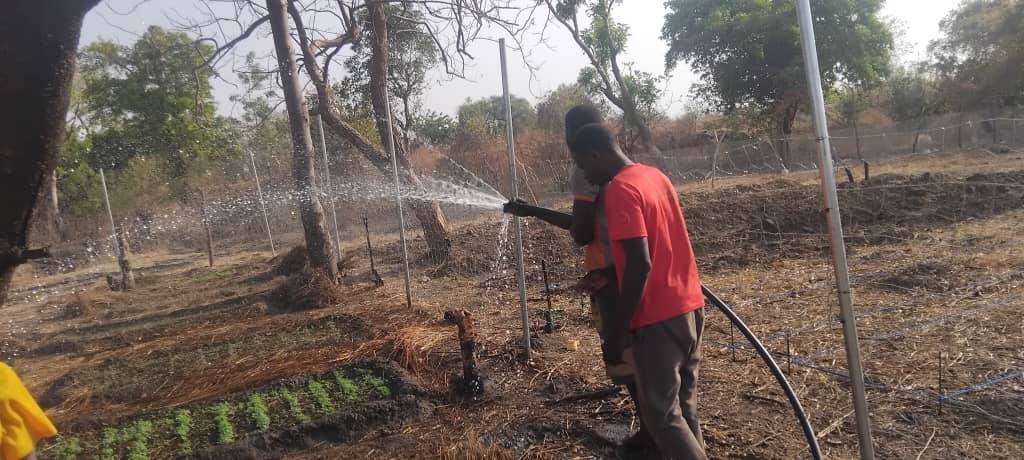
SWIDA-Ghana with support from the World Food Programme is enhancing women’s livelihoods through vegetable farming.
By equipping women with skills, resources, and markets, we are boosting incomes, improving nutrition, and fostering resilience.
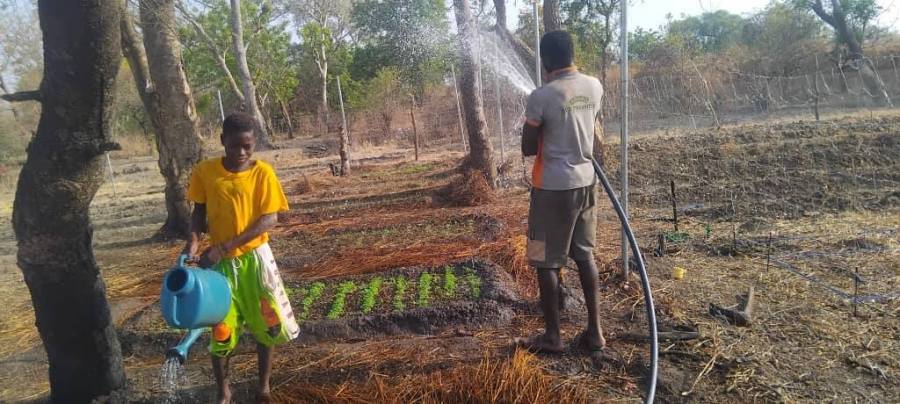
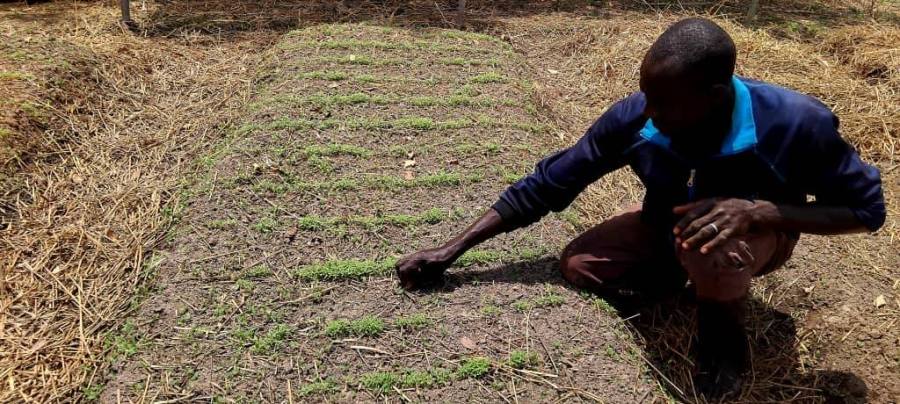
SWIDA-Ghana and Balmaisha Foundation Celebrate Women
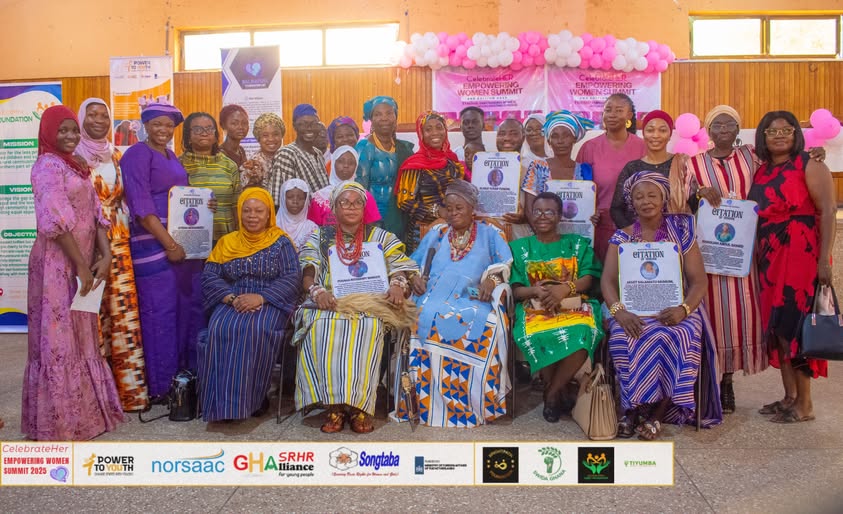
Balmaisha Foundation in partnership with SWIDA-Ghana has organized an event to celebrate women who have stood out in various fields at the CelebrateHer Women Summit 2025.
The Summit is designed to recognize the resilience and impact of women changemakers in Northern Ghana to inspire other women to take action and to stand out in their various endeavors.
The summit, a platform put together by Balmaisha Foundation, and supported by SWIDA-Ghana, is used in honoring trailblazers who are transforming communities through leadership, innovation, and advocacy.
Also, the platform identifies women who are voices for the voiceless, those who inspire action, as well as those driving lasting change in communities.
SWIDA-Ghana Hosts Development Partners
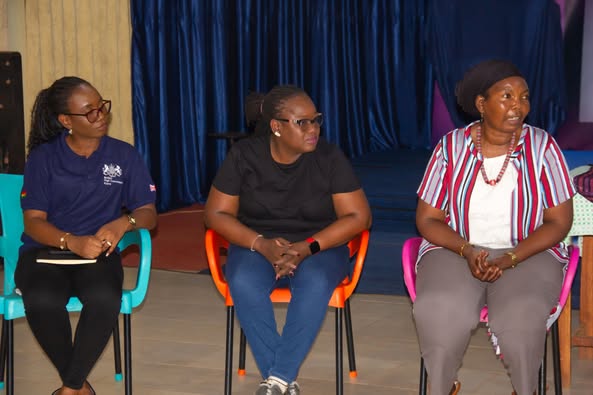
SWIDA-Ghana’s hosted its funding partners, the Foreign Commonwealth & Development Office to engage directly with the organization and its beneficiaries, as it witnesses the impact of the work done over the years.
Various stakeholders were represented to share the impacts of the project since its implementation, on their lives.
One such group which made a profound revelation was the Persons With Disabilities, who shared their stories of empowerment through the project.
According to the represented of the PWDs, for the first time after the engagements they have had through the project, many of them were able to secure jobs as polling agents, a dream they had been working towards for years.
Additionally, the training on elections and the opportunity to engage with Electoral Commission officials enabled them to vote independently this year without the need to queue.
These milestones highlight the real change that is happening through collaboration and support.
All the groups represented expressed their gratitude for the empowerment the project has brought to them as individuals, and in their communities.
These partnerships with the Foreign, Commonwealth & Development Office and STAR-Ghana Foundation have not only helped bring hope to Persons with Disabilities, but have also empowered the youth in many ways.
SWIDA-Ghana Trains Smallholder Farmers on Climate Resilience
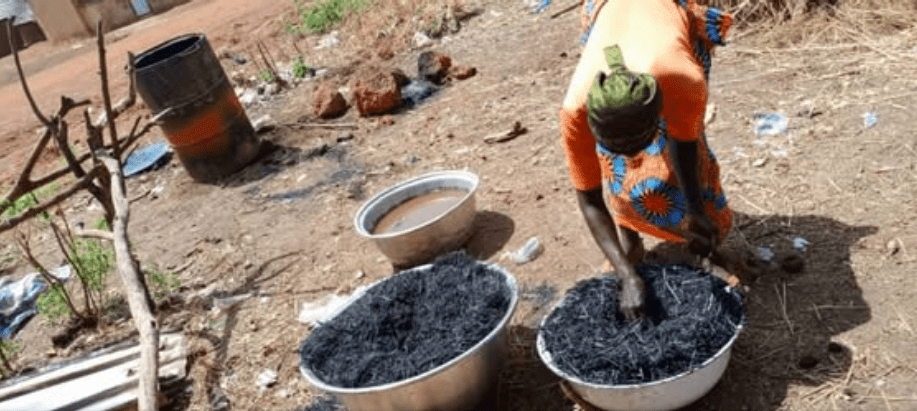
As part of SWIDA-Ghana’s efforts to contribute to mitigating climate change impacts and build resilience among smallholder farmers, it organized a 7-day training on BIOCHAR fertilizer and charcoal production in Bagli, Tong, and Nyansabga in the Karaga District.
A total of 120 smallholder farmers, especially women, from the three communities are the direct beneficiaries of the training.
The BIOCHAR technology training and its subsequent adaptation will lead to benefits to the smallholder farmer, including the improvement of soil health, enhanced soil water retention for sustainable crop cultivation, increased crop productivity, modification of soil pH (most soils in Bagli and Tong are acidic; the technology can address this), carbon sequestration – minimizing carbon emissions to mitigate against climate shocks and reduce carbon footprint, as well as support for soil nutrient retention.
This activity is part of the World Food Programme funded Assets for Food and Climate Resilience project, and is being implemented by SWIDA-Ghana.
NGOs Organize Dialogue on Gender-sensitive, Inclusive Elections
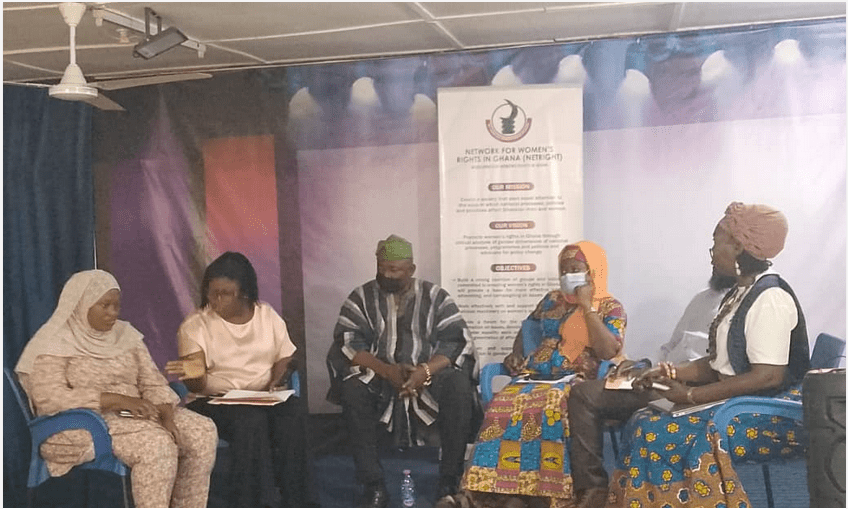
A stakeholders’ engagement has been held to review and assess protective measures for vulnerable groups to ensure that gender-sensitive and inclusive principles are upheld in this year’s elections.
The engagement was also aimed at ensuring that this year’s elections are inclusive, accessible, and peaceful for all citizens, particularly women, the youth, and other marginalized groups.
The event, themed “Regional Stakeholders’ Dialogue on Election 2024”, was attended by representatives of political parties, youth groups including persons with disabilities, the Electoral Commission, among others.
It was organized by the Network for Women’s Rights in Ghana, in collaboration with the Savannah Women Integrated Development Agency (SWIDA-Ghana), Norsaac, and other NGO partners, ad part of the broader goals of the Advancing Gender Responsive Governance and Inclusive Democracy in Ghana project.
The project is being implemented in partnership with STAR-Ghana Foundation, and supported by the Foreign, Commonwealth and Development Office.
Speaking during the dialogue in Tamale, the Executive Director of SWIDA-Ghana, Hajia Alima Sagito-Saeed said that it was important that the elections were inclusive, to further consolidate the country’s democracy.
She however added that inclusiveness could only be achieved if support for effective participation is given to marginalized groups, women, and young people, by aiding them choose leaders, without any form of discrimination and abuse.
Deputy Northern Regional Director for the Electoral Commission, Madam Fatima Luriwie Kanton gave the assurance that measures have been put in place to ensure no voter is disenfranchised.
For his part, the northern regional Secretary of the Convention People’s Party, Mr. Hamza Haruna Kaasankomi indicated that his party was gender-sensitive, as he expressed the party’s readiness to promote peace before, during and after the elections.
SWIDA Ghana Conducts Training for 20 Advocates on the KASA! Project
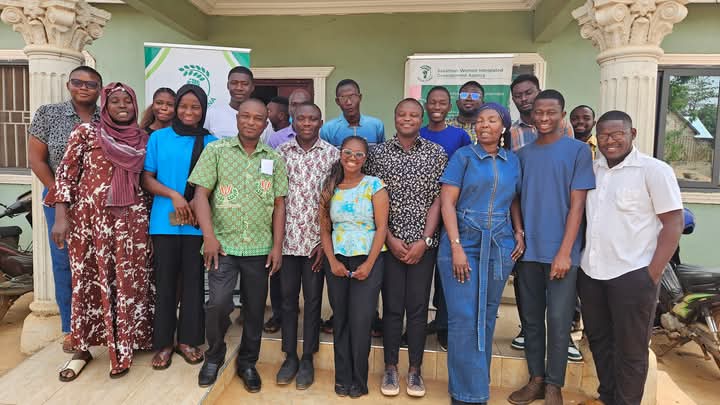
SWIDA Ghana has successfully conducted what it terms “positive masculinity” training for 20 of its male advocates on the #Endingsexualviolence activity.
The training was aimed at increasing the capacity and understanding of the male advocates on the issues of sexual violence, as well as how they could tackle it as they continue to work in the communities to end the menace.
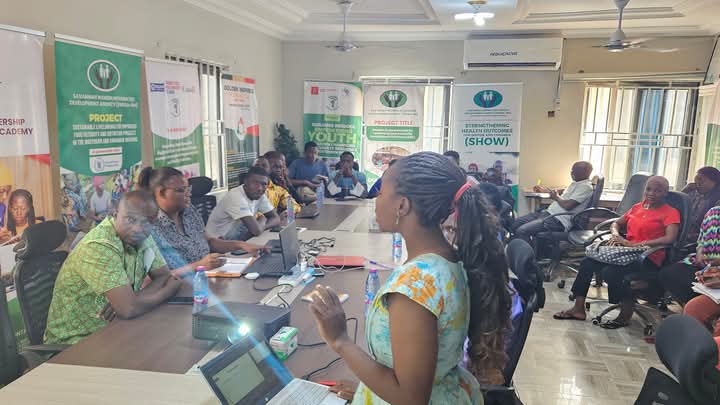
Funded by the Africa Women’s Development Fund (AWDF) and implemented by SWIDA Ghana and partners, the training, facilitated by the KASA! project Lead, and the CEO of TOLEC, is one of many activities under the KASA! #Endingsexualviolence project.
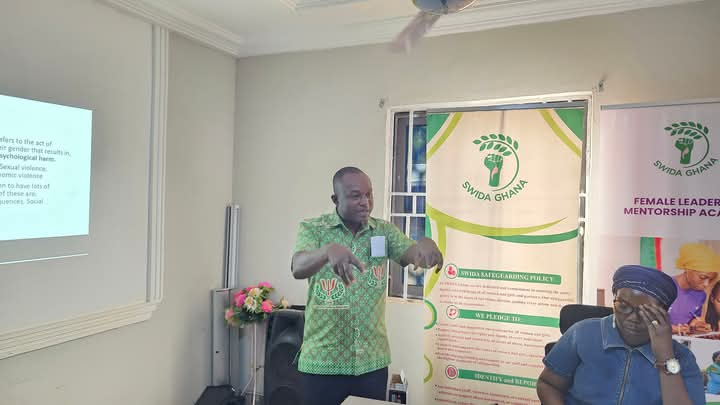
At the end of the training, the advocates were made to develop action plans to underscore and to spread the learning acquired from the session.
These action plans are practical initiatives which will be used to drive advocacy on sexual violence prevention in schools, among colleagues and other social groups.
SWIDA-Ghana’s Project Monitoring Visit to Nsunua in the Bole District
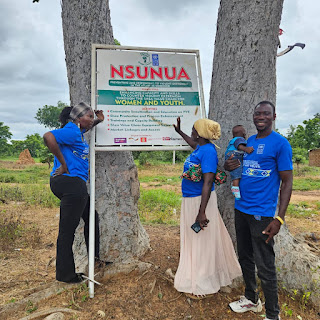
The Executive Director and some staff members of the Savannah Women Integrated Development Agency (SWIDA-Ghana) have paid a monitoring visit to the farming community of Nsunua in the Bole District.
This initiative is part of a collaborative effort with the United Nations Development Programme (UNDP) and other partners, focusing on a livelihood project centered on the Shea value chain for women and the youth.
The project aims to enhance the livelihoods of vulnerable women involved in Shea picking and related activities, providing them with income generation opportunities.
It also seeks to empower the youth by boosting their economic activities and providing education against violent extremism.
The community’s proximity to the Ivory Coast border along the Black Volta River heightens the risk of individuals exploiting the youth for extremist activities, which makes the educational component of the project crucial.
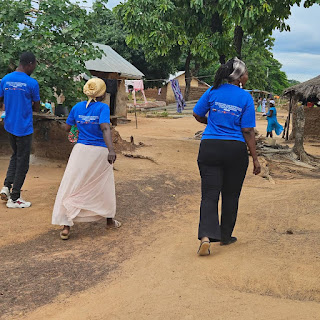
During the visit, the team assessed the processes and storage methods of Shea, as they engaged with a cassava processing group that is still in the formation phase.
This engagement is vital for ensuring the project stays on track and that the community receives the necessary support to improve their economic conditions.
The Shea value chain project is expected to significantly impact the community by promoting sustainable income-generating activities and safeguarding the youth from potential exploitation.
SWIDA-Ghana, in partnership with UNDP and other collaborators, remains committed to empowering the most vulnerable populations in the Savannah Region.
UNDP and SWIDA Empower Pido Community to Counter Violent Extremism
The United Nations Development Programme (UNDP), a Non-Governmental Organization, has supported community members at Pido in the Sissala East Municipality of the Upper West Region, with skills and equipment to help in countering violent extremism.
Pido, the border community, received a total of 129 wellington boots, hand gloves, raincoats, and other equipment including two multi threshers to support in post-harvest activities relating to maize and other cereals. They also received four drying platforms and four energy saving stoves.
The support, as part of the project, is meant to enhance the capacity and skills of residents in the border communities to counter violent extremism through the shea and maize value chains, as a sub-project under the project titled “Preventing and Responding to Violent Extremism in the Atlantic Corridor”.
The UNDP with its implementing partner, SWIDA-Ghana, implemented the project, with funding from Australia Aid, the Embassy of Denmark, German Cooperation, and Norway Government and its implementing partner.
Speaking at a ceremony to hand over the project, Programme Analyst, Peace and Governance at UNDP, Madam Melody Azinim said the project covers five countries which are Ghana, Togo, Benin, Cote d’Ivoire, and Burkina Faso.
She added that the project has different components, and was quick to mention that there is an aspect to sensitize community members on the threats of violent extremism and factors that influenced people to join violent extremist groups within the sub-region.
“For Ghana and the other neighboring countries, we want to see how best we can, together, ensure that some of these threats do not develop within our countries. And so, components of our project look at how to strengthen relationships between the different groups of people that we have in our community,” she said.
Madam Azimi hoped that the community would make use of the equipment to support themselves, as she encourages that “let’s make sure that everybody benefits from the machines and drying platforms that have been provided.”
For her part, the Executive Director for SWIDA-Ghana, Hajia Alima Sagito-Saeed encouraged the women to take advantage of the opportunity to engage in business, save money and buy their own equipment in the future to expand.
According to Hajia Alima, the intervention is meant to enhance the capacity of women and the youth in the shea and maize value chains in the community, while helping them to improve on their businesses, earn more income to sustain their livelihood, as they are prevented from being susceptible to violent extremist groups.
The SWIDA-Ghana Director added that as part of the project activities, community members were trained in shea and maize quality processing, post-harvest losses, financial record keeping, and creating market linkages.
The Chief of Pido, Pe Wemon Mahama Kudalia who received the equipment on behalf of the community members, thanked the UNDP and its partners for the support, as he appealed for a school and a good road network in the community.
Speaking and expressing gratitude on behalf of the community members, Madam Alimata Mumuni thanked the UNDP and SWIDA-Ghana, and their partners for the support extended to them, adding that the processing of cereals would be easier and the finished product would be devoid of stones and other foreign materials, with the intervention by the project.
SWIDA-Ghana Marks the Climax of 16 Days of Activism 2024, on Ending SGBV
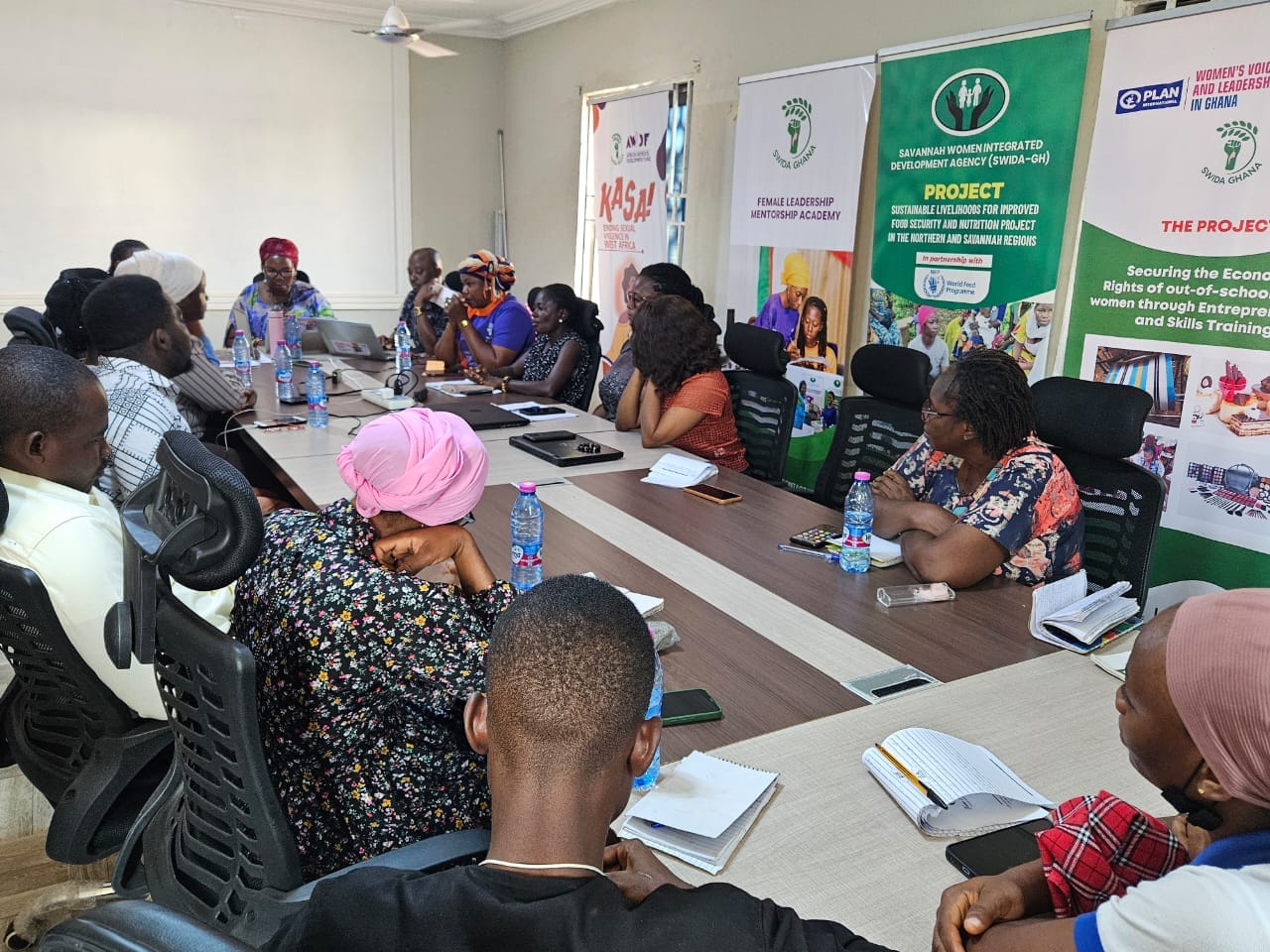
SWIDA-Ghana has brought to a close its campaign on the 16-days of Activism, waged against Sexual and Gender-Based Violence (SGBV) against women and girls!
Over the past two weeks, the organization has engaged students in various schools across the northern region, held an SGBV Conference and social media campaigns, and raised awareness on SGBV and its impact on individuals and communities.
During the series of sensitization exercises, some strides were recorded, pointing to positive outcomes of the campaign.
Some challenges were also identified, including some students not being aware of the effects and magnitude of danger the SGBV could pose, even though they knew what the menace is and what it means.
Some societal norms and expectations were identified, as being significant barriers to reporting and addressing SGBV in communities.
The root causes of SGBV, such as patriarchy, inequality, and power imbalances, were not fully understood by many students.
These findings underscore the need for sustained efforts to educate and raise awareness about SGBV, as well as to challenge and change harmful societal norms.
 swidagh.org